Table of Contents >> Show >> Hide
- What Is the Cottage Cheese Flatbread Trend, Exactly?
- Why Cottage Cheese? The Hype Has a (Surprisingly Practical) Reason
- The Basic Cottage Cheese Flatbread Recipe (The “Trend” Version)
- So… Does It Taste Good?
- Nutrition Reality Check: What You’re Really Getting
- How to Make It Actually Work (Because the Internet Leaves Out Details)
- Best Ways to Eat Cottage Cheese Flatbread
- Common Problems (and How to Fix Them)
- Food Safety and Storage (Because We’re Adults Who Own Refrigerators)
- Who Should Try the Cottage Cheese Flatbread Trend?
- Verdict: Should You Try It?
- Extra: What It’s Like to Try This Trend (Real-World Experience, Step by Step)
- Stage 1: The skepticism (a.k.a. “This is just eggs, isn’t it?”)
- Stage 2: Spreading the batter (where success is decided)
- Stage 3: The bake (and the temptation to mess with it)
- Stage 4: Cooling (the underrated magic trick)
- Stage 5: Filling and folding (where it finally makes sense)
- Stage 6: The second try (where you get clever)
- Conclusion
If you’ve spent even five minutes on food TikTok (or, let’s be honest, if your phone has eyes),
you’ve probably seen it: a “flatbread” made mostly from cottage cheese and eggs, baked into a
flexible wrap-like rectangle that people fold around turkey, avocado, and enough greens to
make a salad jealous.
It’s the kind of trend that sounds suspicious on paperlike something invented during a
fridge-cleanout panic. And yet… it keeps showing up. Which begs the question: is this
cottage cheese flatbread actually good, or is it just another viral recipe that looks
better in a 12-second reel than on your plate?
Here’s the real, no-fluff breakdown of what the cottage cheese flatbread trend is, how it
tastes, what it’s good for (and what it absolutely is not), and whether you should try it
depending on your goals. Spoiler: it’s not “bread,” but it can be a genuinely useful,
high-protein flatbread alternative if you go in with the right expectations.
What Is the Cottage Cheese Flatbread Trend, Exactly?
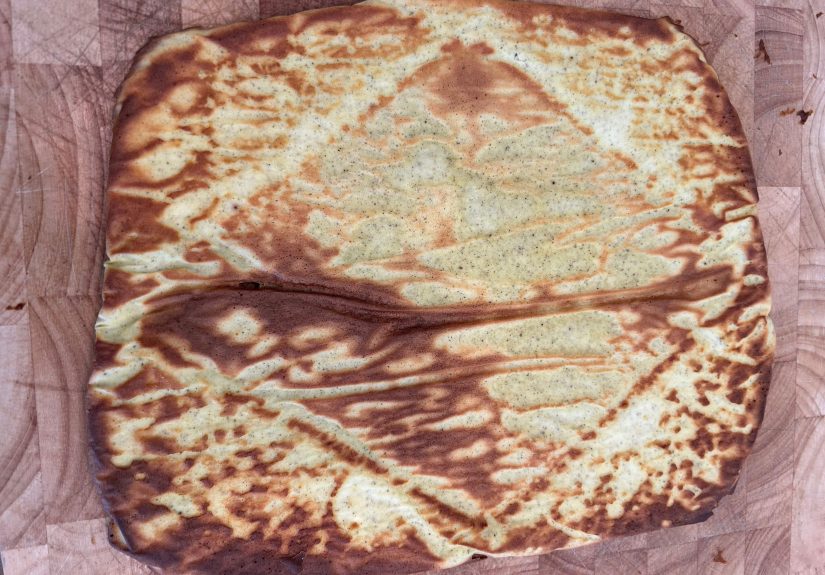
At its core, the viral TikTok flatbread is a two-ingredient concept: cottage cheese + eggs.
Blend until smooth, spread thinly on a parchment-lined pan, bake, cool, and you get a
pliable sheet you can use as a wrap, sandwich base, or quick “protein crust” for pizza-ish
creations.
Some versions add seasonings like garlic powder, onion powder, Italian seasoning, pepper,
or parmesan. Others lean sweet (yes, really), turning it into a breakfast wrap with fruit
and honey. But the blueprint is consistent: dairy curds + eggs = baked, sliceable sheet.
Why Cottage Cheese? The Hype Has a (Surprisingly Practical) Reason
Cottage cheese has been having a full-blown comeback tour in the U.S., largely because it’s
an easy way to add protein and creaminess without needing fancy ingredients. It blends
smoothly, bakes well when paired with eggs, and plays nicely with both savory and sweet
flavors.
It’s protein-forward without tasting like “gym food” (most of the time)
A plain cottage cheese base brings a mild, slightly tangy dairy flavor. When baked with eggs,
it becomes something like a tender omelet-meets-crepe-meets-wrap. If that description makes
you blink slowly, that’s fair. But it’s also the key: this trend works best when you treat it
like a high-protein wrap, not a baguette replacement.
It’s naturally lower-carb than traditional flatbread
Since it doesn’t rely on flour, the carb count is typically lower than standard wraps or
pita. That’s why the cottage cheese wrap recipe shows up so often in low-carb and
“high-protein lunch” circles.
It’s customizable in a way most “diet hacks” aren’t
You can adjust the thickness, seasonings, crispness, and fillings without needing a culinary
degree. The trend’s real appeal is convenience: it turns common fridge staples into a
portable meal format.
The Basic Cottage Cheese Flatbread Recipe (The “Trend” Version)
This is the most common version floating around, with seasoning options that make it taste
more like something you’d voluntarily eat twice.
Ingredients
- 1 cup cottage cheese (any fat level; small curd blends easiest)
- 2 large eggs
- Optional: garlic powder, onion powder, Italian seasoning, black pepper
- Optional: grated parmesan for more savory flavor and structure
Method
- Heat oven (many recipes use around the mid-300s°F) and line a sheet pan with parchment.
- Lightly grease the parchment (important unless you enjoy peeling your lunch off paper).
- Blend cottage cheese + eggs (plus seasonings) until very smooth.
- Pour and spread into a thin rectangle or oval. Thinner = more flexible; thicker = more “omelet.”
- Bake until set and lightly golden, then cool fully before peeling and folding.
Cooling is not optional. While hot, it can feel fragile and sticky. Once cooled, it firms up and
becomes far more wrap-friendly.
So… Does It Taste Good?
Let’s be honest: the cottage cheese flatbread trend doesn’t taste like bread. It tastes like a
savory, mild egg-and-dairy wrapsomewhere between a thin frittata and a crepe. That can be a win
or a deal-breaker depending on what you want it to do.
Flavor: mild, tangy, and very dependent on seasoning
Without seasoning, it’s… fine. In the way plain yogurt is “fine” if you’re in a hurry. Add garlic
powder, Italian herbs, and pepper, and suddenly it reads like an intentional wrap. Parmesan gives
it a more “bready” vibe because it adds salty, nutty depth.
Texture: flexible when thin, custardy when thick
Thinly spread and properly baked, it’s bendable and sturdy enough for sandwich fillings. Spread it
too thick and you’ll get a soft, eggy slab that folds like an omeletwhich might still be delicious,
but it’s a different experience.
Bottom line on taste
If you like eggs and you don’t mind a dairy tang, it’s genuinely enjoyable. If you hate eggs, want a
chewy flour wrap, or expect “pizza crust energy,” you’ll be annoyed. (And no one needs extra annoyance
in their day.)
Nutrition Reality Check: What You’re Really Getting
The appeal is pretty straightforward: a high-protein flatbread that can carry lunch fillings without
a traditional tortilla. The exact nutrition depends on your cottage cheese (fat level and sodium vary
wildly by brand), but the pattern is consistent: higher protein than most wraps, with fewer carbs.
Protein benefits
Cottage cheese is known for being protein-rich, and many brands deliver a meaningful amount in a
half-cup serving. When you combine that with eggs, you get a wrap that can make a light lunch feel
more fillingespecially if you add fiber-rich fillings like vegetables and beans.
Watch-outs: sodium and “hidden” richness
Here’s the part reels don’t romanticize: cottage cheese can be sodium-heavy. If you’re watching salt
intake, choose low-sodium or no-salt-added options when possibleand pair the wrap with fresh ingredients
rather than salty deli meats and extra cheese.
Also, fat levels matter. Full-fat cottage cheese produces a richer, more tender wrap, but it changes the
calorie profile. That’s not “bad,” it’s just information you should know before you build your entire
lunch around it.
How to Make It Actually Work (Because the Internet Leaves Out Details)
1) Blend it smoother than you think you need to
Tiny curds = weak spots. A smooth batter spreads evenly and bakes into a uniform sheet that won’t tear
the second you try to fold it around chicken.
2) Grease the parchment (yes, even if it says “nonstick”)
Cottage cheese + egg batter loves to cling. A quick mist of oil (or a thin rub of oil) prevents the
dreaded “flatbread exfoliation,” where you peel it up in flakes like a sad snack puzzle.
3) Spread thin for a wrap, thicker for a flatbread/pizza base
If you want it foldable, spread it thin and wide. If you want it sturdier (for toppings), make it slightly
thicker and accept that it’ll behave more like a soft crust than a tortilla.
4) Cool it completely before moving it
Cooling is when structure happens. Warm = delicate. Cool = surprisingly sturdy. If you’re impatient, pop
the pan on a rack near a window and pretend you planned that.
Best Ways to Eat Cottage Cheese Flatbread
Option A: The “High-Protein Lunch Wrap”
- Turkey or chicken + crunchy lettuce + tomato + mustard
- Tuna salad + cucumbers + pickled onions (go light on extra salt)
- Hummus + roasted veggies + greens for a vegetarian version
Option B: The “Breakfast Wrap That Doesn’t Feel Like Punishment”
- Scrambled eggs (yes, eggs on eggsembrace the chaos) + spinach + salsa
- Smoked salmon + cucumber + dill + lemon (very brunch)
- Peanut butter + sliced banana + drizzle of honey (if you go lightly sweet)
Option C: The “Lazy Pizza Moment”
Use it as a base, add sauce, veggies, and a bit of cheese, then warm until melty. This won’t become a crisp,
bready crust like dough, but it’s a fast way to turn leftovers into dinner.
Common Problems (and How to Fix Them)
“Mine stuck to the paper.”
Grease the parchment next time, and let it cool longer before peeling. If it’s already stuck, try gently
lifting with a thin spatula and going slowly. Rushing makes it tear.
“It tastes too eggy.”
Add stronger seasonings (garlic, onion powder, Italian herbs), a sprinkle of parmesan, or use bold fillings
like pesto, mustard, pickles, or salsa. The flatbread is a canvaspaint something louder.
“It’s too soft and floppy.”
You may need a bit more bake time, a thinner spread, or a slightly hotter oven. Also: cooling matters. Soft
often becomes sturdier after it fully cools.
“It cracked when I folded it.”
This usually means it was baked too dry or spread too thick. Next time, spread thinner for flexibility and
avoid overbaking.
Food Safety and Storage (Because We’re Adults Who Own Refrigerators)
Since this recipe uses eggs and dairy, treat it like any cooked egg-based dish: bake until fully set, and
store leftovers refrigerated in an airtight container.
- Fridge: Typically holds up for a few days (texture is best in the first 1–2 days).
- Reheat: A quick warm-up helps if it stiffens, but don’t microwave it into rubber.
- Meal prep tip: Store flatbread sheets with parchment between them to prevent sticking.
Who Should Try the Cottage Cheese Flatbread Trend?
You should try it if…
- You want an easy high-protein flatbread option without flour.
- You like eggs and don’t mind a mild dairy tang.
- You’re bored of the same lunch wrap and want a new vehicle for fillings.
- You enjoy customizable recipes that can swing savory or lightly sweet.
You can skip it if…
- You want real “bread chew” (this won’t deliver that).
- You dislike eggs (this trend is egg-adjacent at best, egg-forward at worst).
- You need very low sodium and don’t have a low-sodium cottage cheese option.
- You’re looking for a crunchy pizza crust replacement.
Verdict: Should You Try It?
Yesif you treat it like a protein wrap, not a bread clone. The cottage cheese flatbread trend is
one of those internet recipes that actually has a practical purpose: it’s a simple, filling base for wraps
and quick meals, especially if you’re prioritizing protein and flexibility.
But if you go into it expecting “flatbread” in the traditional sense, you’ll be disappointed. It’s closer
to a savory baked wrapuseful, tasty with seasoning, and honestly pretty fun once you stop demanding that it
be something it’s not.
Extra: What It’s Like to Try This Trend (Real-World Experience, Step by Step)
If you’re wondering whether this is the kind of recipe that slides smoothly into your lifeor the kind that
leaves you scraping protein cement off parchmenthere’s the most realistic “first-time” experience you can
expect, plus the little moves that make it feel easy instead of annoying.
Stage 1: The skepticism (a.k.a. “This is just eggs, isn’t it?”)
The first moment is always the same: you crack the eggs, scoop cottage cheese into the blender, and realize
you are technically making a dairy omelet rectangle. It feels wrong in the way that putting lettuce in a
smoothie feels wrong. But then you blend itand the mixture turns surprisingly smooth, like a thin, savory
pancake batter. That’s the first sign this might actually work.
You’ll also notice the smell: mild dairy, nothing scary. If your cottage cheese is tangier, you’ll pick up
a faint “yogurt-y” note. That’s normal. Seasoning at this stage helps a lot because your brain loves
aromatherapy. Garlic powder and Italian herbs make it smell like “food” instead of “breakfast experiment.”
Stage 2: Spreading the batter (where success is decided)
Pouring it onto parchment is the moment where the trend either becomes a meal or becomes a craft project.
The batter spreads easily, but thickness matters. Spread it thin, and you’re headed toward a flexible wrap.
Leave it thick, and you’re basically baking a sheet omelet.
This is also when people forget to grease the parchment. If you remember, you’ll feel smug later. If you
forget, you’ll learn what it’s like to peel something that wants to remain one with the paper, spiritually
and physically. A quick spray of oil is the difference between “wow, that worked!” and “I’m eating this with
a spoon now.”
Stage 3: The bake (and the temptation to mess with it)
While it bakes, it puffs a bit and looks like it’s auditioning to be a cloud. Then it settles. The edges
turn lightly golden first. In the middle, you’re looking for “set” rather than “crispy.” If you push for
crispy everywhere, it can dry out and crack when you fold it.
The hardest part is not poking it every six minutes like a nervous squirrel. Trust the bake. Then trust the
cool-down even more.
Stage 4: Cooling (the underrated magic trick)
Hot out of the oven, it can feel fragile and sticky, and you’ll think the internet lied to you. This is the
critical moment: let it cool. As it cools, the texture firms up and becomes peelable and flexible.
If you try to peel too early, you can tear it and blame the recipe. If you wait, it often lifts in one
satisfying piece like, “Oh. Okay. We’re doing this.”
Stage 5: Filling and folding (where it finally makes sense)
Once you load it up with crunchy lettuce, sliced tomato, turkey, and a punchy condiment, the flavor shifts.
The wrap becomes a neutral, protein-rich base instead of the main character. That’s the sweet spot. You’re
not eating “cottage cheese flatbread”; you’re eating a wrap that happens to have a high-protein shell.
Best first-fillings are bold but not watery: mustard, pesto, hummus, avocado, thinly sliced chicken, crunchy
veggies. Super wet fillings can make it slippery. If you want tuna salad or egg salad, keep it thick and add
crunch (celery, cucumber, lettuce) so it doesn’t feel like a soft-on-soft situation.
Stage 6: The second try (where you get clever)
If you make it again, you’ll probably tweak one thing: thinner spread for flexibility, extra seasoning for
flavor, parmesan for structure, or a slightly longer bake for sturdier edges. That’s the real reason this
trend sticks aroundonce you learn your preferred version, it stops being a gimmick and starts being a
reliable “wrap backup plan” for busy days.
And honestly? Having a backup plan that’s just eggs and cottage cheese is not the worst thing to go viral.
Conclusion
The cottage cheese flatbread trend is worth trying if you want a high-protein wrap that’s easy, customizable,
and genuinely useful for quick lunches. Just don’t expect traditional bread texture. Season it well, spread it
thin, cool it fully, and let the fillings do the heavy lifting.