Table of Contents >> Show >> Hide
- First Things First: What Counts as Red Meat?
- What the Science Says About Health Risks
- So How Much Red Meat Is “Too Much”?
- When Red Meat Can Fit into a Healthy Diet
- Who Should Be Extra Careful with Red Meat?
- Great Alternatives to Red Meat (That Still Taste Good)
- Practical Tips to Cut Back Without Feeling Deprived
- So…Is Red Meat Bad for You?
- Real-Life Experiences and Takeaways About Red Meat
If you’ve ever stared at a juicy steak while a tiny voice in your head whispered, “heart disease… cancer… but also yum,” you’re not alone. Red meat has gone from dinner staple to dietary villain to “maybe fine in moderation” more times than most of us can count. So what’s the real story? Is red meat actually bad for you, or is it just misunderstood?
Let’s unpack what the research says, what “moderation” really looks like, and how you can enjoy your food without feeling like every burger is a roll of the dice.
First Things First: What Counts as Red Meat?
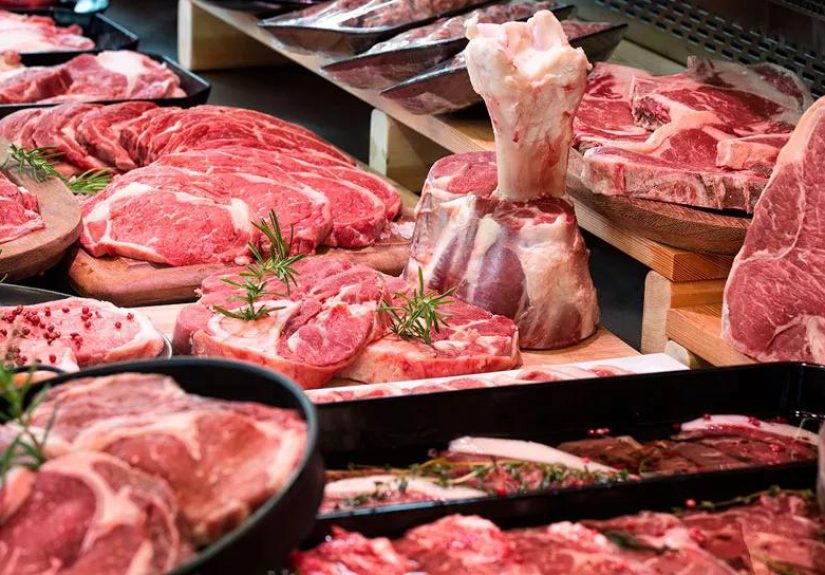
When scientists talk about red meat, they’re usually referring to beef, pork, lamb, veal, goat, and other mammal meats. It’s called “red” because it has more myoglobin, a protein that makes the meat look darker.
There are two big categories to know:
- Unprocessed red meat: Fresh beef, pork, lamb, etc. Think steaks, roasts, chops, ground beef or pork you cook yourself.
- Processed red meat: Red meat that’s been cured, smoked, salted, or preserved. Think bacon, hot dogs, sausage, deli meats, salami, pepperoni, and many “ready-to-eat” meats.
Nutritionally, red meat is loaded with high-quality protein, iron (especially heme iron, which your body absorbs easily), zinc, and vitamin B12. These are all important nutrients, especially for people who don’t get much from other sources.
The catch? Along with the good stuff, red meatespecially processed and fatty cutsoften brings saturated fat, sodium, and certain compounds that can be harmful in large amounts or depending on how it’s cooked.
What the Science Says About Health Risks
Researchers have been studying red meat for decades. While no single food determines your health on its own, patterns do show up when you look at large groups of people over long periods of time.
Red Meat and Heart Disease
Many large observational studies have found that people who eat a lot of red meat, especially processed red meat, tend to have higher rates of heart disease, stroke, and sometimes type 2 diabetes.
Some key themes from the research:
- Higher intake of red and especially processed meat is linked with increased risk of cardiovascular disease and earlier death from all causes.
- Processed meats like bacon, hot dogs, and deli meats typically contain more sodium and preservatives, which may further raise blood pressure and damage blood vessels.
- Red meat is a significant source of saturated fat for many people, and diets higher in saturated fat can raise LDL (“bad”) cholesterol in many individuals, a well-established risk factor for heart disease.
- Newer research suggests that chemicals produced by gut bacteria when we digest red meat (such as TMAO) may also contribute to plaque buildup in arteries.
Do these studies prove that red meat directly causes heart disease? Not quitethis is association, not absolute proof. But the pattern is consistent enough that most major heart and nutrition organizations recommend limiting red and processed meat and replacing some of it with fish, beans, nuts, and other plant-based proteins.
Red Meat, Cancer, and the IARC Classification
Red meat became a major headline in 2015 when cancer experts at the International Agency for Research on Cancer (IARC), part of the World Health Organization, reviewed the evidence.
- Processed meat (bacon, hot dogs, sausages, deli meat) was classified as a Group 1 carcinogen “carcinogenic to humans,” based on strong evidence that it increases the risk of colorectal (colon and rectal) cancer.
- Unprocessed red meat was classified as a Group 2A carcinogen “probably carcinogenic to humans,” based on more limited but still concerning evidence.
That sounds terrifyinglike putting bacon in the same category as smoking. But here’s the nuance: this classification describes the strength of evidence, not the size of the risk. In other words, it’s not saying a hot dog is as dangerous as a pack of cigarettes; it’s saying we’re confident that processed meat does increase cancer risk, especially colorectal cancer, even if the risk increase is relatively modest at typical intake levels.
How might red and processed meat raise cancer risk?
- Preservatives in processed meats (like nitrates and nitrites) can form carcinogenic compounds.
- Cooking meat at very high temperaturesgrilling, frying, or charringcan form chemicals that damage DNA.
- Heme iron (the type of iron in red meat) may promote the formation of potentially carcinogenic compounds in the gut.
This doesn’t mean you can never eat a burger or a hot dog again. It does mean that regularly eating large amountsespecially of processed meatis not ideal if you’re trying to lower your cancer risk.
Newer Research: Is Moderate Unprocessed Red Meat Really That Bad?
More recent analyses have tried to separate unprocessed red meat from processed meat and to account for how much people are actually eating. Some newer studies suggest that for moderate amounts of unprocessed red meat (think a few small servings per week), the increase in risk for things like colorectal cancer, ischemic heart disease, and type 2 diabetes might be relatively small and harder to detect.
These findings don’t erase earlier research, but they do support a more nuanced statement:
- Processed red meat: clearly something to limit as much as reasonably possible.
- Unprocessed red meat: probably not catastrophic in small to moderate amounts as part of an otherwise healthy diet, but heavy, frequent intake may still increase long-term risk.
In simple terms: the occasional steak is very different from eating bacon at breakfast, a burger at lunch, and pepperoni pizza for dinner most days of the week.
So How Much Red Meat Is “Too Much”?
Different organizations phrase this slightly differently, but there’s surprising agreement on a ballpark range.
Many cancer and nutrition groups recommend:
- Limiting cooked red meat to about 12–18 ounces per week (roughly 3–4 small servings).
- Eating very little, if any, processed meat.
U.S. dietary guidelines don’t give a specific ounce limit for red meat alone, but they encourage:
- Choosing lean cuts of meat when you do eat it.
- Balancing your protein intake with seafood, poultry, beans, lentils, nuts, seeds, and soy.
- Keeping saturated fat under about 10% of your total calories (and often lower if you already have heart disease or high cholesterol).
For many people in the U.S., this means reducing how often red meat appears on the menu, how big the portions are, and especially how often processed meats show up in breakfast sandwiches, lunches, and snacks.
When Red Meat Can Fit into a Healthy Diet
Despite all the scary headlines, red meat is not automatically forbidden. For many healthy adults, small amounts of lean, unprocessed red meat can be part of a balanced eating patternespecially if the rest of the diet leans heavily on fruits, vegetables, whole grains, and plant proteins.
Choose Better Cuts
If you’re going to eat red meat, make it worth it:
- Look for words like “loin,” “round,” “sirloin,” “tenderloin”these are often leaner.
- Trim visible fat before cooking.
- Opt for 90% (or leaner) ground beef more often than fattier versions.
Watch Your Cooking Methods
How you cook meat matters almost as much as how much you eat.
- Aim for baking, roasting, stewing, or slow cooking more often than charring over high flames.
- If you grill, avoid totally blackened or heavily charred portions, and marinate meat beforehand (marinades with herbs and acidic ingredients like lemon juice can reduce formation of harmful compounds).
- Skip frequent deep-fryingyour arteries will thank you.
Balance the Plate
Red meat is less of a problem when it’s a supporting actor rather than the star of the show. Try these tweaks:
- Fill half your plate with vegetables, a quarter with whole grains, and only a quarter with protein.
- Use small amounts of beef or pork in stir-fries, tacos, or grain bowls instead of serving giant steaks.
- Alternate red meat nights with fish, chicken, tofu, lentils, or beans.
Who Should Be Extra Careful with Red Meat?
While moderate red meat might be fine for many, some people may benefit from cutting back more aggressively:
- People with high LDL cholesterol or known heart disease.
- Those with a strong family history of colon cancer or who’ve had colon polyps.
- Individuals with type 2 diabetes or metabolic syndrome.
- Anyone who currently eats red or processed meat multiple times a day.
If you’re in one of these groups, talk with a healthcare provider or dietitian about what’s realistic and helpful for you. Sometimes simple swaps and portion changes can significantly improve your overall risk profile without making you miserable.
Great Alternatives to Red Meat (That Still Taste Good)
If the idea of cutting back on red meat feels like a life sentence of sadness and salad, take a breath. There are plenty of tasty, satisfying alternatives.
- Poultry: Skinless chicken or turkey can be used in many recipes that traditionally call for beef.
- Seafood: Fatty fish like salmon and trout bring heart-healthy omega-3 fats; shrimp, cod, and tilapia are versatile and mild.
- Legumes: Lentils, chickpeas, black beans, and kidney beans are budget-friendly and fiber-rich.
- Soy foods: Tofu, tempeh, and edamame can soak up flavors and work in stir-fries, tacos, bowls, and more.
- Nuts and seeds: Great for snacks or as crunchy toppings for salads and grain bowls.
You don’t have to become vegan to reap benefits. Even shifting a few meals per week from red meat to these options can improve cholesterol, bump up your fiber, and lower your long-term disease risk.
Practical Tips to Cut Back Without Feeling Deprived
You don’t need a total personality overhaul to eat less red meat. Try these realistic strategies:
- Start with breakfast: Swap bacon or sausage for nut butter, eggs, yogurt, or avocado toast a few days a week.
- Make “Meatless Monday” (or any day) a thing: Commit to one plant-based or fish-based dinner per week, then slowly add more.
- Half-and-half recipes: Use half ground beef and half lentils or mushrooms in tacos, sloppy joes, or pasta sauce.
- Plan processed meat as an occasional treat, not a staple: That Saturday morning bacon or ballpark hot dog can be special instead of daily default.
- Think quality over quantity: If you’re going to have a steak, choose a leaner cut, keep the portion reasonable, and make the rest of the meal colorful and plant-heavy.
So…Is Red Meat Bad for You?
The honest, slightly annoying answer is: it depends how much, how often, what kind, and what the rest of your diet looks like.
Big-picture takeaways:
- Heavy, frequent intake of red meatespecially processed red meatis linked with higher risks of heart disease, certain cancers (especially colorectal), type 2 diabetes, and earlier death.
- Moderate intake of unprocessed, lean red meat (a few small servings per week) as part of an otherwise plant-rich, balanced diet seems to carry much lower risk for most healthy people.
- You don’t need red meat to be healthythere are plenty of other ways to get protein, iron, and B12but if you enjoy it, focusing on lean cuts, reasonable portions, and smart cooking methods makes a big difference.
In other words: red meat isn’t pure evil, but it’s also not a free-for-all. Respect it, reduce it, and surround it with vegetables.
Real-Life Experiences and Takeaways About Red Meat
Nutrition guidelines can feel very abstract: “limit this,” “moderate that,” “replace with those.” It can help to look at how people actually live with this information in the real world.
Case 1: The Daily Burger Guy
Imagine someone who works a busy office job and eats red meat almost every day without thinking about it: a sausage breakfast sandwich on the way to work, a fast-food burger for lunch, and frozen pepperoni pizza a couple of nights a week. When he finally looks at his lab results, his LDL cholesterol is creeping up, his blood pressure is borderline high, and he’s exhausted by mid-afternoon.
At first, the idea of “cutting red meat” sounds impossiblehe doesn’t see himself as a salad person. But his doctor doesn’t tell him to go vegan overnight. Instead, they start small:
- He swaps the breakfast sausage sandwich for oatmeal with nuts a few days a week.
- He changes his automatic burger order to grilled chicken or a bean-based veggie burger twice a week.
- He keeps pizza night but chooses a veggie-topped version with a side salad and adds a fish-based dinner another night.
In a couple of months, he isn’t perfect, but his cholesterol improves, and he notices lighter, more steady energy throughout the day. He still enjoys a good steak occasionallybut it’s no longer his default.
Case 2: The Steak-Loving Home Cook
Another person genuinely loves cooking, especially grilling steaks and ribs on weekends. She’s not overeating fast food, but her portions are large, and vegetables are more of a decorative side. When she reads about cancer and heart disease risk, she doesn’t want to give up her weekend tradition but also doesn’t want to ignore the science.
Her solution is to upgrade how she eats red meat instead of eliminating it:
- She shifts from big ribeye steaks to smaller sirloin or tenderloin portions.
- She adds big trays of grilled vegetables and whole-grain sides like quinoa or brown rice.
- She starts marinating meats, grilling at slightly lower temperatures, and trimming burned bits instead of going for heavy char.
- Weeknights, she leans on fish, beans, and chicken, saving red meat mostly for one weekend meal.
She still looks forward to her famous grill nights, but her overall diet is more balanced, and she feels better about the long-term trade-off between enjoyment and health.
Case 3: The “Accidental Vegetarian-ish” Shift
Some people don’t set out with a big goal like “I’m cutting red meat.” Instead, they start exploring new recipes for other reasons: saving money, eating more sustainably, or cooking with their kids. They try bean chili, lentil tacos, tofu stir-fries, and roasted veggie bowls. Over time, they realize they’re naturally eating red meat once a week instead of three or four timesjust because they’ve discovered other meals they enjoy just as much.
In these cases, red meat becomes more of a “sometimes food.” When they do eat it, it’s an extra-nice occasion: a special holiday roast or a carefully cooked steak at a favorite restaurant. Their overall health may improve not just because they’re eating less red meat, but because they’ve added more fiber, more plants, and more variety.
Your Experience Will Be Your Own
Everyone’s starting point is different. Your red meat intake might already be low, or it might be a big part of your routine. The good news is you don’t have to choose between “I eat red meat constantly” and “I never touch it again.”
Most people do well with a middle-ground approach:
- Use red meat intentionally, not automatically.
- Make processed meats the rare guest, not the daily roommate.
- Stack your plate with plants and let meat share the spotlight instead of hogging it.
Whether your motivation is heart health, cancer prevention, energy, weight, or simply feeling better in your own skin, nudging your habits toward less frequent, smarter red meat choices is a change that pays off slowly but steadily over time.