Table of Contents >> Show >> Hide
- First Things First: What “Kingfish” Means in the U.S.
- Kingfish Nutrition at a Glance
- Big Benefits: Why People Love Kingfish
- The “Yes, But” Section: Mercury & Other Safety Notes
- How Much Kingfish Should You Eat?
- Buying & Cooking: Keep the Nutrition, Lose the Regret
- Simple Meal Ideas (That Don’t Taste Like Homework)
- Kingfish vs. Other Fish: Quick Comparison
- FAQ: Kingfish Nutrition, Answered Like a Human
- Conclusion: The Smart Way to Enjoy Kingfish
- Real-World Experiences: What Kingfish Teaches You in the Kitchen (and in Real Life)
Kingfish is one of those menu words that sounds like it should come with a crown, a trumpet fanfare, and maybe a small entourage. Nutritionally, it can absolutely earn the titlelean protein, important vitamins, and those famous omega-3s people bring up whenever they want to sound responsible at brunch. But there’s a plot twist: depending on what “kingfish” actually means where you live (and what species you’re buying), the mercury story can change the whole recommendation.
This guide breaks down kingfish nutrition in plain American English (with a little humor, because fish facts don’t have to feel like homework). You’ll learn what nutrients kingfish is known for, who should be cautious (or avoid certain types), how much is reasonable, and how to cook it so it stays delicious and still counts as a healthy choice.
First Things First: What “Kingfish” Means in the U.S.
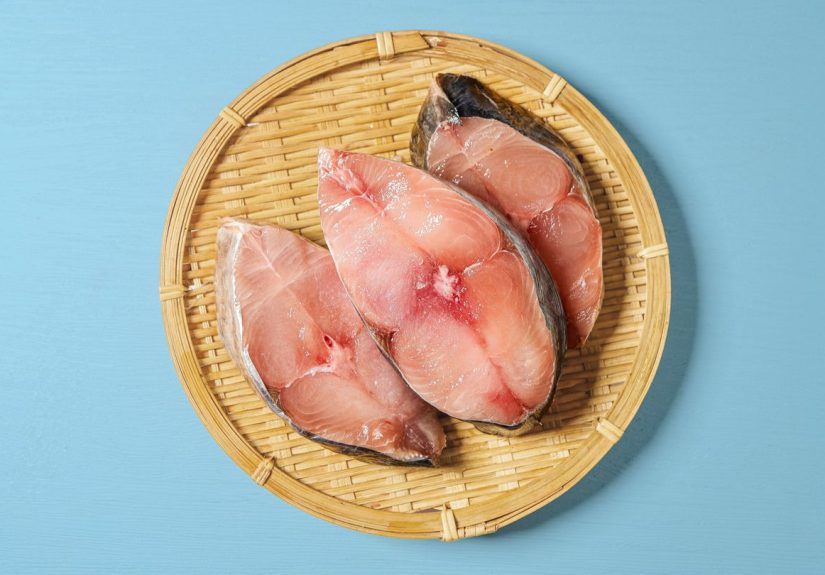
In the U.S., “kingfish” is often used as a market or menu name rather than a single, universal species. Most commonly, it refers to king mackerel (a large, fast predator fish). In other places, “kingfish” may refer to different fish entirelysome relatively mild, some leaner, some with different risk profiles.
Why does that matter? Because nutrition isn’t just “fish = healthy.” The fat content, omega-3 level, and especially the mercury level vary a lot by species and size. So if you’re buying “kingfish” at a counter, it’s worth doing a one-sentence detective move: “Which species is thisking mackerel or something else?”
Quick rule: If it’s specifically labeled king mackerel, treat it as a “nutritious but high-mercury” fish. If it’s not, ask what it isbecause the safest nutrition advice is the kind that matches the fish you’re actually eating.
Kingfish Nutrition at a Glance
Let’s talk nutrition like grown-ups who still want dinner to taste good. When people say “kingfish nutrition,” they’re usually talking about a profile that looks like this:
1) Protein-forward, carb-free
Fish is naturally low in carbohydrates and sugar (unless it’s breaded, fried, and escorted by a mountain of tartar sauce). A typical serving provides a strong dose of high-quality protein that supports muscle repair, satiety, and general “I made a decent choice today” vibes.
2) Healthy fats (including omega-3s)
Many fishincluding mackerel family fishcontain omega-3 fatty acids (EPA and DHA), the “marine omega-3s” associated with heart and brain benefits. Not every fish has the same amount, but in general, choosing fish more often is a solid nutrition upgrade compared with many higher-saturated-fat proteins.
3) Micronutrients that actually matter
Kingfish (especially when people mean king mackerel) is known for nutrients like vitamin B12 and selenium, and seafood overall commonly contributes minerals like phosphorus and potassium. Some fattier fish can also be a natural source of vitamin Da nutrient many Americans fall short on.
A realistic “numbers” snapshot (species and prep vary)
For a practical reference point, USDA-based nutrition data for king mackerel (raw) shows that an ~3-ounce portion (about 85 g) provides roughly:
- Calories: ~89
- Protein: ~17 g
- Fat: ~2 g
- Vitamin B12: very high (often multiple times the daily value)
- Selenium: meaningful contribution toward daily needs
Cooking changes the water content (and therefore “per-ounce” calories), and restaurant portions can be larger than a standard serving. Use the numbers as a guidenot a courtroom exhibit.
Big Benefits: Why People Love Kingfish
Protein that pulls its weight
Kingfish is a strong option when you want protein without a ton of saturated fat. That matters because protein supports muscle, helps keep you full, and can make it easier to build meals that aren’t secretly just “bread plus sauce.”
Omega-3s: the headline nutrient
EPA and DHA (the omega-3s found in seafood) are the stars of the show for a reason. Major health organizations encourage eating fish regularly as part of a heart-healthy pattern. Omega-3s are associated with benefits like supporting healthy triglyceride levels and helping manage inflammationtwo things your cardiovascular system appreciates quietly, like a good roommate who pays rent on time.
B12 and selenium: the underrated duo
Vitamin B12 helps support nerve function and red blood cell formation, and selenium plays roles in antioxidant defenses and thyroid function. Seafood is often a reliable way to get both, especially if your diet is light on animal proteins.
It’s also a “replacement win”
One of the most practical nutrition benefits isn’t a magic nutrientit’s what kingfish replaces. If a kingfish dinner replaces a highly processed, high-sodium, high-saturated-fat meal, the overall swap can be a big net positive for your weekly eating pattern.
The “Yes, But” Section: Mercury & Other Safety Notes
Here’s where kingfish gets complicatedin a way that matters. Large predatory fish can accumulate methylmercury, a form of mercury that is especially concerning for developing brains. That’s why U.S. guidance calls out certain fish as “avoid” choices for people who are pregnant or breastfeeding and for young children.
King mackerel is a high-mercury fish
If your “kingfish” is king mackerel, U.S. guidance commonly places it in the highest-mercury category for sensitive groups. Translation: it’s not a “weekly staple” fish for everyone, even if it’s delicious.
Who should avoid king mackerel (the common “kingfish” in U.S. markets)
- People who are pregnant (or might become pregnant)
- People who are breastfeeding
- Young children
What about healthy adults?
For most healthy adults, the mercury risk is generally about frequency and variety. If you only eat fish a couple of times a week and rotate species, occasional higher-mercury fish is less of a concern than making it your go-to protein every Tuesday forever. Think of king mackerel as an “occasionally” fish, not a “meal prep for the next 12 lunches” fish.
Spanish mackerel vs. king mackerel: not the same call
This is where labels matter. Some guidance lists Spanish mackerel as a more moderate option compared with king mackerel. If a recipe says “mackerel,” don’t assume they’re interchangeable from a safety standpointespecially for pregnancy and kids.
Other safety basics (because food poisoning is a terrible hobby)
Fish is highly perishable. Buy it cold, store it cold, and cook it properlyespecially if you’re serving anyone at higher risk for foodborne illness.
How Much Kingfish Should You Eat?
Fish intake recommendations usually focus on servings per week and choosing a variety of seafood. For many adults, a common target is around two servings of fish weekly as part of a heart-healthy pattern.
Standard serving size (so we’re talking about the same “piece of fish”)
A typical serving is about 3 ounces cooked (roughly the size of a deck of cards). Restaurant portions can be double that, which is great for your taste buds and less great for accurately judging “how often” you’re eating a fish.
Practical guidance that fits real life
- If you’re pregnant or breastfeeding (or planning): choose seafood lower in mercury for your regular servings and avoid high-mercury fish like king mackerel.
- If you’re feeding kids: stick to lower-mercury fish and keep portions smaller than adult servings.
- If you’re a generally healthy adult: you can enjoy kingfish/king mackerel occasionally, but make your “regular fish” choices lower in mercury (think salmon, sardines, trout, anchovies, Atlantic mackerel, and similar options).
Buying & Cooking: Keep the Nutrition, Lose the Regret
How to pick kingfish that’s actually fresh
- Smell: mild and clean, not “low-tide locker room.”
- Texture: firm flesh that springs back when pressed.
- Appearance: moist (not dried out), with no slimy film.
Storage tips
- Keep fish cold on the way home. A quick grocery run is fine; a two-hour errand tour is not.
- Store in the coldest part of the fridge and cook within 1–2 days, or freeze.
- If freezing, wrap tightly to prevent freezer burn (which tastes like sadness and missed opportunities).
Cooking methods that protect nutrition
If nutrition is the goal, skip the “deep-fried everything” phase (your air fryer can stay; it just needs boundaries). Gentler methods like baking, broiling, grilling, steaming, and poaching keep calories more predictable and avoid soaking your fish in extra oil.
Food safety temperature (the non-negotiable)
Cook fish to an internal temperature of 145°F, or until the flesh is no longer translucent and separates easily with a fork. This is especially important if you’re cooking for kids, pregnant people, older adults, or anyone with a weakened immune system.
Simple Meal Ideas (That Don’t Taste Like Homework)
1) Citrus-herb grilled kingfish
Marinate with lemon or orange, garlic, black pepper, and a little olive oil. Grill quickly and serve with a big salad and roasted vegetables. It tastes like summer and good decision-making.
2) Blackened kingfish tacos
Use a spice rub (paprika, cumin, chili powder, a pinch of salt), sear in a hot pan, and serve in corn tortillas with cabbage slaw and lime. Add avocado if you want your meal to look like it belongs on the internet.
3) Sheet-pan kingfish with veggies
Toss broccoli, bell pepper, onion, and cherry tomatoes with olive oil and pepper. Add the fish for the last chunk of cook time so it doesn’t dry out. Minimal dishes, maximum “I have my life together” energy.
4) Kingfish bowl (meal-prep friendly)
Flake cooked kingfish over brown rice or quinoa with cucumber, edamame, and a sesame-ginger drizzle. If your “kingfish” is king mackerel, keep meal-prep frequency in mindthis is an occasional bowl, not a daily subscription.
Kingfish vs. Other Fish: Quick Comparison
If you’re choosing fish mainly for nutrition, this simple chart helps you balance benefits and mercury considerations. (Always confirm species labelingespecially with “kingfish.”)
| Fish | Why People Choose It | Mercury Note (General) |
|---|---|---|
| King mackerel (“kingfish” in many U.S. contexts) | Protein + omega-3s; strong flavor; great grilled | High-mercury: avoid in pregnancy/kids; limit frequency |
| Salmon | Omega-3 rich; widely available | Typically lower mercury than large predators |
| Sardines/Anchovies | Omega-3 dense; budget-friendly | Generally low mercury |
| Trout | Mild flavor; nutrient-dense | Generally lower mercury |
| Spanish mackerel | Mackerel flavor with a different profile than king mackerel | Often considered a more moderate choice than king mackerel |
FAQ: Kingfish Nutrition, Answered Like a Human
Is kingfish healthy?
Nutritionally, it can be: strong protein, valuable micronutrients, and (for many species sold as kingfish) omega-3s. The main caution is mercury if the fish is king mackerel“healthy” depends on who is eating it and how often.
Can I eat kingfish every week?
If your kingfish is king mackerel, weekly is usually not the best planespecially for pregnancy, breastfeeding, or kids. For healthy adults, occasional meals are more reasonable, with lower-mercury fish as your regular weekly choices.
Is kingfish the same as king mackerel?
Often, yesin U.S. seafood contexts. But “kingfish” can also be used for other species in different regions and cuisines. Ask the fishmonger or check the label. Nutrition (and mercury) advice should follow the species, not the nickname.
Is kingfish good for weight loss?
It can be, because it’s protein-forward and can be prepared with minimal added calories. The main “weight loss villain” is usually the cooking method (deep-frying) and the sidekicks (creamy sauces, giant portions).
What’s the healthiest way to cook kingfish?
Bake, broil, grill, steam, or poach. Cook to 145°F (or until opaque and flaky). Keep added fats and sodium reasonable, and your kingfish will stay on the “healthy” side of the dinner table.
Conclusion: The Smart Way to Enjoy Kingfish
Kingfish can be a nutritious, satisfying seafood choiceespecially if you treat it like a “know what you’re buying” fish rather than a “close your eyes and hope” fish. If your kingfish is king mackerel, you’re getting great nutrition with a very real mercury tradeoff, which means it’s best enjoyed occasionally and avoided for pregnancy, breastfeeding, and young kids. If it’s another fish sold under the kingfish name, the nutrition profile may still be excellentjust confirm the species so your health decisions match the actual fillet on your plate.
The bottom line: eat fish regularly for the benefits, choose a variety of species, cook it safely, and let kingfish be the fun cameo in your seafood rotationnot the only actor on the stage.
Real-World Experiences: What Kingfish Teaches You in the Kitchen (and in Real Life)
If you want to understand kingfish beyond the nutrient charts, you learn the most the first time you actually cook it. Kingfish has a reputation for being boldflavor-forward, satisfying, and not at all shy about reminding you it came from the ocean. That’s a feature, not a bug. It’s the kind of fish that doesn’t need a lot of decoration, but it absolutely does reward a little strategy.
One common experience: people buy kingfish because it looks “meaty” at the counterlike it can stand up to high heat. And it can… for a minute. The first lesson most home cooks learn is that fish doesn’t behave like steak. You don’t “set it and forget it” while you scroll for 12 minutes. Kingfish goes from tender to dry with the kind of speed that makes you swear the oven has a personal vendetta. The fix is simple: cook it just until it flakes and then stop. That’s it. The “secret technique” is having the courage to quit while you’re ahead.
Another real-world truth: kingfish is a label problem in disguise. Someone will say, “I had kingfish at a restaurant and it was amazing,” and then you realize “kingfish” might mean king mackerel in one place and a totally different fish somewhere else. That’s why people end up confused when they look up nutrition and mercury info. The best kitchen habit you can build is asking one polite question at the seafood counter. It feels a little extralike you’re auditioning for a cooking showbut it prevents you from accidentally making a high-mercury fish your new weekly obsession.
There’s also the “health halo” experience: you order kingfish because it’s fish, therefore it must be healthy, therefore dessert is now a vitamin. But the real nutritional win comes from the whole plate. Kingfish pairs best with sides that don’t fight it: roasted vegetables, citrusy salads, beans, whole grains, or even a simple slaw. The fish can be the star without the supporting cast being a deep-fried disaster. And if you do want something richer, you can still keep it balancedthink a small amount of olive oil, avocado, or a yogurt-based sauce instead of turning your meal into “mayonnaise with a seafood garnish.”
Finally, kingfish teaches you the difference between “more” and “better.” Bigger portions are commonespecially with steaks and thick fillets. But if you’re trying to eat fish for long-term health, the smartest routine is variety, not repetition. You can enjoy kingfish, then rotate to salmon, sardines, trout, or other lower-mercury options. That rotation feels like a chef move, but it’s really just a nutrition move that happens to taste great. In other words: kingfish can absolutely be part of a healthy lifeas long as it’s part of a team, not the entire roster.