Table of Contents >> Show >> Hide
- What “2-Pin” Usually Means: A Quick GU24 Reality Check
- Keyless Means “No Built-In Switch” (Not “No Control”)
- Common Leviton Styles You’ll See Under the “Keyless” Umbrella
- Why People Choose a GU24 2-Pin Keyless Holder
- Specs That Actually Matter (And the Ones That Mostly Don’t)
- Closets, Utility Rooms, and the “Don’t Put a Hot Bulb Near Sweaters” Rule
- Compatibility Checklist: Avoid the Classic “It Looked Right Online” Trap
- Common Problems and What They Usually Mean
- Buying Tips: How to Get the Right Leviton Holder the First Time
- Mini Comparison: GU24 2-Pin vs. E26 Keyless (The “Which One Do I Actually Have?” Table)
- Conclusion: A Small Part That Prevents Big Annoyances
- Real-World Experiences & Lessons Learned (500+ Words)
If you’ve ever stood in the lighting aisle holding a bulb in one hand and a suspiciously similar-looking socket in the other, congratulationsyou’ve met the “2-pin keyless lamp holder” problem. It’s the lighting version of trying to plug a USB in the correct way on the first attempt: possible, but it tests your patience and your belief in fairness.
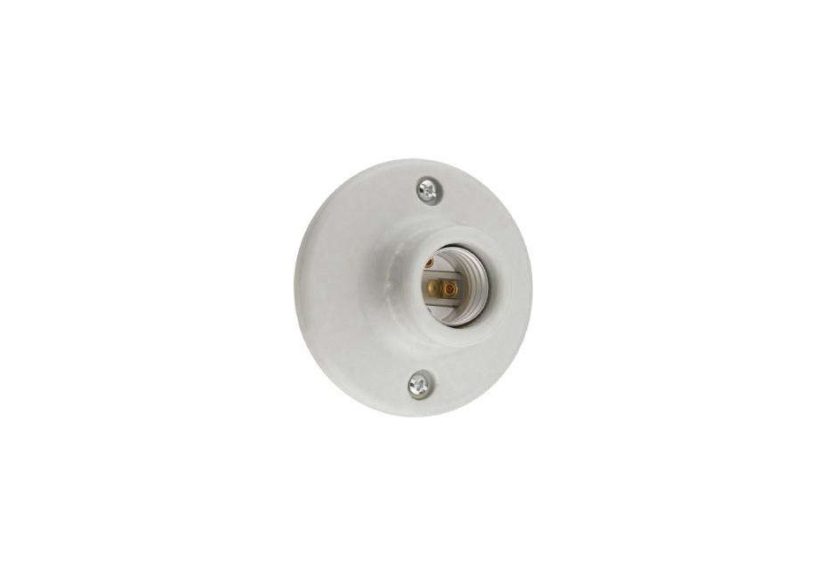
In plain English, a Leviton 2-pin keyless lamp holder is usually a GU24 bi-pin twist-lock lampholder with no built-in switch (“keyless” means you control it from a wall switch or a sensor, not a pull chain or knob). Leviton also makes keyless lampholders for traditional screw-in bulbs, so the “2-pin” part is the key clue: you’re likely looking at GU24 rather than the standard E26 medium screw base.
This guide breaks down what “2-pin” really means, where these lampholders show up (closets, utility rooms, garages, basements), how to choose the right one without playing electrical roulette, and what real-world buyers learn after the first “why doesn’t this fit?” moment.
What “2-Pin” Usually Means: A Quick GU24 Reality Check
In U.S. homes, most bulbs use an E26 screw base: twist it in, twist it out, done. A GU24 base is different. It has two short pins and a twist-lock motion that feels a bit like installing a camera lensalign, push, twist, and it locks. That “bi-pin” design is why shoppers call it “2-pin.”
GU24 became common in certain energy-efficiency eras and regions because it helps prevent swapping in older, inefficient bulb types in fixtures intended for cooler-running CFL or LED lamps. In other words: it’s partly about efficiency, partly about safety, and partly about making sure the fixture uses what it was designed for.
Fast identification: GU24 vs. E26
- GU24 (2-pin): two pins + twist-lock; the bulb base looks like a small disk with pins.
- E26 (screw): spiral metal threads; the bulb screws in like a jar lid.
If your bulb has pins and your holder has matching slots, you’re in GU24 territory. If your bulb screws in, “2-pin” isn’t the right phrase (even if the holder has two wiresmore on that confusion later).
Keyless Means “No Built-In Switch” (Not “No Control”)
The word keyless sounds like you’re about to unlock something, but in lighting it simply means: there’s no on/off switch on the lampholder itself. No pull chain. No rotary knob. No tiny switch you’ll accidentally bump while changing a bulb and then blame the house for being haunted.
Keyless holders are typically controlled by:
- a standard wall switch,
- a motion sensor switch,
- a smart switch,
- or a dedicated control system (less common in basic utility spaces).
This is one reason keyless GU24 holders show up in closets and utility areas: you want predictable control and fewer moving parts.
Common Leviton Styles You’ll See Under the “Keyless” Umbrella
Leviton’s lineup spans several “families” that can look similar online if you’re scrolling quickly (or if the product photo was taken with a camera from 2009). Here are the usual suspects that get bundled into the same shopper search results:
1) GU24 2-pin keyless lampholders (CFL/LED-ready)
These are the true “2-pin” models: designed for GU24 lamps. Many are built for utility use and may include features like a lamp guard option, knockout holes for different mounting configurations, and pigtail leads for connection. Some versions historically shipped with a GU24 CFL lamp, while newer ecosystems lean toward GU24 LED lamps.
2) Keyless medium-base (E26) lampholders (classic utility sockets)
These are the familiar “bare-bulb” style holders found in basements, closets (where permitted), garages, and workshops. Leviton sells versions in porcelain (excellent heat resistance), phenolic (a tough resin material), and thermoplastic (lightweight and common for general use). Many are rated up to 660W and up to 250V, but the actual safe use depends on the fixture, bulb type, heat, and installation environment.
These often confuse people because they may be described as “2-wire” or “two leads,” which is not the same as “2-pin.” Two wires = how it connects. Two pins = the lamp base style.
3) LED utility lampholders (integrated LED options)
Leviton has offered ceiling utility lampholders designed around LED performance (sometimes bundling a GU24 LED lamp and guard). If you’re trying to reduce maintenance in a closet or stairwell, this category mattersbut always verify what’s replaceable (lamp vs. integrated LED) and what’s discontinued vs. current.
Why People Choose a GU24 2-Pin Keyless Holder
A GU24 keyless lampholder isn’t a “fancy” choice; it’s usually a “specific problem, specific solution” choice. Here are the most common reasons:
Energy-efficiency compliance and consistency
GU24 systems were widely used to support high-efficiency lamps and discourage incompatible high-heat options in fixtures designed for cooler sources. Even if your area doesn’t require GU24 anymore, many homes and apartments still have existing GU24 fixtures that need matching lamps.
Safer use in utility/closet-type spaces
In tight spacesespecially near stored itemsheat management matters. GU24 fixtures commonly pair with CFL or LED lamps, which generally run cooler than incandescent alternatives. Many closet-friendly fixtures are also designed to enclose the lamp or include a guard, reducing accidental contact and helping mitigate risks around fabrics and stored goods.
Less fiddling, fewer parts
“Keyless” removes the extra switch mechanism from the lampholder. Fewer moving parts can mean fewer failures over timeparticularly in spaces where you don’t want to tug on a pull chain while balancing on the last rung of a ladder.
Specs That Actually Matter (And the Ones That Mostly Don’t)
Online listings can feel like they’re written by a committee of abbreviations. Here’s what to pay attention to when choosing a Leviton 2-pin keyless lampholder.
Base type: GU24 (2-pin twist-lock)
This is the non-negotiable spec for “2-pin.” If it’s GU24, it will say GU24. If it doesn’t, assume it’s not.
Voltage and wattage limits
Many utility lampholders list maximum ratings (for example, classic keyless medium-base holders often show high wattage ratings). For GU24 lampholders used with CFL/LED, the limits may reflect the intended lamp type (like 13W CFL or a comparable LED). The important takeaway is not “bigger number = better,” but “rated for the lamp and environment you’re using.”
Material: porcelain vs. phenolic vs. thermoplastic
- Porcelain: excellent heat resistance and durability; great for harsher environments.
- Phenolic: tough, commonly used in utility holders; solid middle ground.
- Thermoplastic: lightweight, common for standard applications; still can be robust when properly rated.
Mounting style and box compatibility
Some holders mount directly to common outlet boxes; others are designed for specific box sizes or configurations. If your existing fixture is mounted to a standard ceiling box, check the lampholder’s mounting description and dimensions so you don’t end up with a “close enough” situation that isn’t actually close enough.
Leads/pigtails and strain relief
Many utility lampholders come with wire leads (“pigtails”). That can simplify compatibility with a junction box, but the details matter: wire length, gauge, and how the fixture manages strain relief. If the listing is vague, look for a spec sheet or a trusted retailer listing that includes those details.
Closets, Utility Rooms, and the “Don’t Put a Hot Bulb Near Sweaters” Rule
Lighting in closets and storage areas is one of those topics where people assume “a socket is a socket” until an inspectoror a scary melted plastic smellsays otherwise. U.S. electrical guidance (commonly referenced under NEC rules) generally emphasizes that closet luminaires must be selected and located to reduce fire risk, with attention to clearances and fixture type.
The safest practical guidance for homeowners and renters is: use a fixture that is explicitly intended for the space, keep required clearances from stored items, and prefer modern enclosed/guarded solutions where appropriate. If you’re replacing a closet fixture, it’s worth treating it as a “safety upgrade,” not just a cosmetic swap.
And yesthis is where GU24 keyless lampholders often shine (pun fully intended). Many GU24 utility fixtures were designed with closet-friendly use cases in mind, sometimes including guards and cooler-running lamp options.
Compatibility Checklist: Avoid the Classic “It Looked Right Online” Trap
Before you buy, run through this quick checklist. It can save you a return trip and a dramatic sigh in the parking lot.
- Your bulb base: GU24 2-pin twist-lock or E26 screw?
- Your control method: wall switch/sensor? If you need local control, “keyless” is not your friend.
- Your space: closet/storage? Garage? Damp area? Pick materials and ratings accordingly.
- Your mounting: outlet box type/size and screw pattern match?
- Guard/enclosure needs: exposed bulb vs. guarded or enclosed fixture preference.
- Labeling/certifications: look for reputable safety listings and brand-verifiable model numbers.
If anything feels uncertainespecially in closets, older homes, or multi-unit buildingsask a qualified electrician or property manager. Electricity is not the place to “DIY your way into confidence.”
Common Problems and What They Usually Mean
“My GU24 bulb won’t lock in.”
Often it’s pin alignment. GU24 needs the pins lined up with the slots before the twist. If the bulb wobbles or refuses to turn, stop forcing it; cross-threading isn’t a thing here, but bending pins definitely is.
“It flickers or shuts off.”
Flicker can come from the lamp (especially older CFLs), an incompatible switch (some dimmers don’t play nicely with certain LEDs), or a poor connection. Because troubleshooting wiring is a safety-sensitive job, treat repeated flicker as a reason to replace the lamp firstand if the issue continues, have a professional evaluate the fixture and circuit.
“It gets hot.”
Heat depends on lamp type, enclosure, airflow, and wattage. In tight spaces like closets, heat is a bigger deal. LEDs typically reduce heat compared to incandescents, but any fixture can overheat if used outside its intended design. If the fixture is discolored, brittle, or smells “toasty,” stop using it and get it checked.
“Can I use an adapter?”
Adapters exist (GU24-to-E26 and the reverse), but they can defeat the original safety/efficiency intent of the fixture and may be restricted in certain jurisdictions or unsafe in fixtures not designed for higher-heat lamps. The best practice is to match the correct lamp base to the correct holder rather than “hacking” compatibility.
Buying Tips: How to Get the Right Leviton Holder the First Time
1) Start with the base, not the brand name
“Leviton keyless lampholder” alone can describe multiple products. Search with “GU24” or “2-pin twist-lock” if you truly need 2-pin compatibility.
2) Prefer listings with real specs (dimensions, ratings, model numbers)
The best listings include a manufacturer model number and clear specs. If the listing is vague, the odds of receiving “something similar” go up. Similar is great for paint swatches. Less great for electrical parts.
3) Choose material based on environment
Porcelain and robust phenolic designs are popular in utility areas because they tolerate heat and rough use. Thermoplastic can still be a strong choice when properly rated, especially for standard residential applications.
4) Don’t ignore guards and enclosures
A guard can be the difference between “safe utility light” and “how did a cardboard box end up leaning on a hot bulb?” In storage areas, guarded/enclosed designs are often the smarter long-term move.
Mini Comparison: GU24 2-Pin vs. E26 Keyless (The “Which One Do I Actually Have?” Table)
| Feature | GU24 (2-pin) Keyless Lampholder | E26 (screw) Keyless Lampholder |
|---|---|---|
| Bulb connection | Two pins + twist-lock | Threaded screw-in |
| Typical lamp types | CFL or LED GU24 lamps | Incandescent, LED, CFL (E26 base) |
| Why it exists | Efficiency consistency, safer lamp matching | Simple utility lighting, broad compatibility |
| Most common locations | Closets, utility rooms, garages, basements | Basements, garages, workshops, utility spaces |
| Biggest “oops” moment | Buying E26 bulbs by habit | Buying GU24 bulbs by accident |
Conclusion: A Small Part That Prevents Big Annoyances
A Leviton 2-pin keyless lamp holder is a small component with an outsized impact on daily life. Get the base type wrong and you’ll be stuck with bulbs that don’t fit. Get the space wrongespecially in storage areasand you’re flirting with unnecessary heat and safety risk. The winning strategy is simple: confirm GU24 (2-pin) vs. E26 (screw), choose a durable build that matches your environment, and treat closet and utility lighting like the safety equipment it really is.
And if the product listing makes you squint and whisper, “This seems… unclear,” that’s your cue to choose a better listingor ask a pro. Lighting should brighten your day, not become the plot twist.
Real-World Experiences & Lessons Learned (500+ Words)
People rarely shop for a lampholder because they’re having a great day. It’s usually because something went dark at the worst timelike when you’re carrying laundry, searching for a fuse, or trying to find that one screwdriver that apparently lives in another dimension. In that sense, the Leviton 2-pin keyless lampholder has a very specific job: be boring, be reliable, and don’t start a new hobby called “mysterious flicker.”
One common experience is the “GU24 surprise.” A homeowner replaces a bulb in a closet fixture and realizes it doesn’t screw in. The bulb has two pins, and the fixture wants a twist-lock. Cue confusion, then a fast trip back to the store. The lesson: when a home has even one GU24 fixture, it’s worth keeping a note (or a photo) of that base type. Once you know it’s GU24, your life gets easierbecause you stop trying to force E26 bulbs into a socket that will never accept them. (The socket is not being difficult. It’s being correct.)
Another frequent story comes from landlords and property managers: GU24 fixtures were installed in utility areas to standardize energy-efficient lamps and reduce the odds of tenants swapping in higher-heat bulbs. The fixtures often held up well, but the lamp availability became the pinch point. When GU24 bulbs aren’t stocked everywhere, residents may try adapters or “close enough” substitutes. In practice, the best outcomes happened when the building kept a small stash of the correct GU24 LED lamps on hand. It turned maintenance into a five-minute task instead of a chain of emails titled “Light Still Out.”
Then there’s the “keyless means I lost control” misunderstanding. Someone buys a keyless lampholder expecting a built-in switch, installs it (or has it installed), and realizes it’s controlled only by the wall switch. In a basement workshop that’s fineuntil the wall switch is located behind a shelving unit because the previous owner apparently hated convenient lighting. In spaces like that, shoppers who were happiest long-term either paired the keyless holder with a sensible switch location (or a motion sensor solution) or chose a pull-chain model when local control was truly needed.
Material choice also shows up in real-world feedback. Porcelain lampholders tend to earn respect in garages and utility rooms because they shrug off heat and feel “solid.” Phenolic holders often hit the sweet spot for durability without feeling overbuilt. Thermoplastic holders can be great in standard conditions, but people are more likely to complain when a cheap, lightweight-feeling socket is used in a rough environmentlike an unfinished basement where everything gets bumped, sprayed, and generally treated like it’s on a reality show called Survive the Storage Room. The lesson: match the material to the environment, not the price tag to your optimism.
Finally, many buyers talk about the “closet wake-up call.” Once they learn that closets and storage spaces have special considerationsheat, clearance, and fixture typethey often upgrade to guarded or enclosed solutions. It’s not glamorous, but it’s the kind of boring upgrade that pays off every time you don’t worry about a box leaning near a bulb. The best experiences tend to come from treating the lampholder as part of a system: the right base, the right lamp, the right enclosure/guard, and the right control method. When those pieces match, the fixture fades into the backgroundexactly where good lighting hardware belongs.