Table of Contents >> Show >> Hide
- What Is Lungmoss?
- Potential Benefits of Lungmoss
- Common Uses of Lungmoss
- Possible Side Effects of Lungmoss
- Who Should Avoid Lungmoss?
- How to Choose a Lungmoss Product Safely
- Where to Get Lungmoss
- Lungmoss vs. Lungwort: Do Not Mix Them Up
- Does Lungmoss Really Work?
- Practical Experiences and Real-World Observations
- Conclusion
Note: This article is for educational purposes only and is not medical advice. Lungmoss is a traditional herbal and lichen-based remedy, but it should not be used to diagnose, treat, cure, or prevent any disease. Always speak with a qualified healthcare professional before using any supplement, especially if you are pregnant, breastfeeding, under 18, taking medication, managing a medical condition, or preparing for surgery.
What Is Lungmoss?
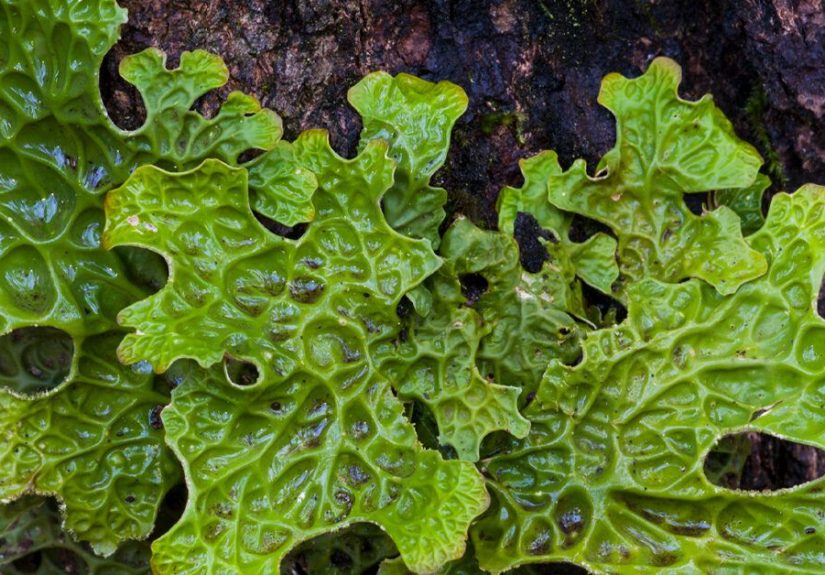
Lungmoss is the common name most often used for Lobaria pulmonaria, a large, leafy lichen that grows on tree bark and mossy rocks in humid forests. It is also called lungwort lichen, tree lungwort, oak lungs, or lung lichen. Despite the name, lungmoss is not a true moss, and it is not the same plant as Pulmonaria officinalis, the flowering herb commonly called lungwort. Yes, herbal naming can be a botanical game of “who wore it better.”
A lichen is a partnership between organisms, usually a fungus and an alga, and in the case of lungmoss, also cyanobacteria. This unusual living arrangement gives lungmoss its wrinkled, lobed appearance. Historically, people thought it resembled lung tissue, which helped inspire its traditional use for respiratory complaints. That idea came from the old “doctrine of signatures,” a belief that a plant’s appearance hinted at its healing purpose. Modern science, thankfully, requires more than “it looks like a lung” before giving anything a gold star.
Today, lungmoss is discussed mostly in the context of traditional herbalism, lichen research, natural wellness, and forest ecology. It is available in some places as dried lichen, capsules, tinctures, or tea blends, but it is not a mainstream supplement and is much less studied than popular herbs such as ginger, echinacea, or peppermint.
Potential Benefits of Lungmoss
The most important thing to know is this: lungmoss has a long history of traditional use, but strong human clinical evidence is limited. That means many claimed benefits are based on folk medicine, early laboratory research, animal studies, or general knowledge of lichen compoundsnot large, well-designed human trials.
1. Traditional Respiratory Support
Lungmoss has traditionally been used for coughs, bronchitis, asthma-like symptoms, and other breathing complaints. Its connection to lung health comes partly from its appearance and partly from herbal traditions in different regions. People have prepared it as teas, decoctions, or extracts to support the throat and airways.
However, there is no reliable clinical proof that lungmoss can treat asthma, bronchitis, pneumonia, tuberculosis, chronic cough, or any serious respiratory disease. If someone has wheezing, shortness of breath, chest pain, fever, or a cough that will not go away, lungmoss is not the answer. A doctor is.
2. Possible Anti-Inflammatory Activity
Some early research has explored whether extracts of Lobaria pulmonaria may have anti-inflammatory properties. This is interesting because inflammation plays a role in many health conditions, from irritated tissues to chronic disease processes. But “interesting in a lab” is not the same as “proven in people.”
Research on lichen compounds suggests that certain extracts can show biological activity under experimental conditions. Still, dosage, preparation method, safety, absorption, and human outcomes remain unclear. In plain English: scientists have seen enough to keep studying it, but not enough to call it a dependable remedy.
3. Antioxidant Potential
Lichens can contain phenolic compounds and other secondary metabolites that may show antioxidant activity in laboratory testing. Antioxidants help neutralize unstable molecules called free radicals, which are involved in oxidative stress. Lungmoss has been included in studies evaluating antioxidant activity among lichen extracts.
That does not mean taking lungmoss will automatically “detox” your body, reverse aging, or turn your cells into tiny wellness influencers. Your body already has detox systems, mainly the liver and kidneys, and antioxidant activity in a test tube does not always translate into meaningful benefits from a supplement.
4. Possible Gastroprotective Effects
Some animal research has looked at whether Lobaria pulmonaria extracts may help protect the stomach lining under certain experimental conditions. This has led to discussion about lungmoss and digestive comfort. Still, animal studies cannot confirm that a product is safe or effective for human stomach problems.
If you have ulcers, reflux, persistent stomach pain, vomiting, unexplained weight loss, or black stools, do not experiment with lungmoss. Those symptoms deserve professional medical care, not a guessing game with a lichen.
5. Antimicrobial Research Interest
Some lichen extracts have been studied for potential antimicrobial activity, including effects against certain bacteria in lab settings. This is one reason lichens remain interesting to researchers searching for natural compounds with possible pharmaceutical value.
But lungmoss should not be used as an antibiotic, antiviral, antifungal treatment, or replacement for prescribed medicine. Lab results do not equal a safe infection treatment. Infections can worsen quickly when treated with hope instead of evidence.
Common Uses of Lungmoss
Lungmoss is usually used in traditional wellness routines rather than conventional medicine. Products vary widely, so the exact preparation matters.
Lungmoss Tea
Dried lungmoss may be steeped as a tea. This is one of the most traditional forms. Because lungmoss is not a commonly standardized herb, consumers should be cautious about identity, purity, and sourcing. A tea made from the wrong lichen or a contaminated product is not exactly the cozy wellness moment anyone signed up for.
Capsules
Some supplement sellers offer lungmoss capsules. Capsules are convenient, but they also make it easy to take more than intended. Since there is no widely accepted standard dose for lungmoss, users should avoid assuming that “more natural” means “more better.” That is not grammar, and it is not safe supplement logic either.
Tinctures and Extracts
Lungmoss tinctures are liquid extracts, often alcohol-based. These may be marketed for respiratory support or general wellness. People who avoid alcohol, take medications, have liver concerns, or are buying for teens should be especially cautious with tinctures.
Topical or Folk Uses
Some traditional practices have used lungmoss externally, but this is not well standardized. Applying unknown plant or lichen material to the skin can cause irritation or allergic reactions. If a product is not labeled for topical use, do not turn your skin into a science fair project.
Possible Side Effects of Lungmoss
Because lungmoss has not been studied extensively in humans, its full side effect profile is not well established. That uncertainty is itself a safety concern.
Digestive Upset
Some people may experience nausea, stomach discomfort, diarrhea, or general digestive irritation from herbal products. Lungmoss products are no exception, especially if taken in large amounts or combined with other supplements.
Allergic Reactions
Anyone can be sensitive to botanicals, fungi, lichens, or compounds in natural products. Possible allergic reactions may include itching, rash, swelling, throat irritation, or breathing difficulty. Severe symptoms require urgent medical help.
Medication Interactions
There is not enough research to clearly map lungmoss interactions with medications. That does not mean interactions are impossible. People taking blood thinners, immune-related medications, liver-metabolized drugs, asthma medications, antibiotics, or multiple prescriptions should talk with a healthcare professional before using lungmoss.
Pregnancy, Breastfeeding, Children, and Teens
Lungmoss is not well studied in pregnant people, breastfeeding people, children, or teens. For those groups, caution is the smart move. A supplement with limited safety data should not be treated like a harmless cup of herbal tea.
Quality and Contamination Concerns
Dietary supplements are not evaluated the same way prescription drugs are before they reach the market. Products can vary in strength, identity, purity, and labeling accuracy. With lungmoss, there is also the added concern of wild harvesting from environments that may contain pollutants, heavy metals, pesticides, or misidentified species.
Who Should Avoid Lungmoss?
Some people should avoid lungmoss unless a qualified healthcare professional specifically says otherwise. This includes people who are pregnant or breastfeeding, children and teenagers, people with liver disease, people with severe allergies, people taking prescription medication, and anyone with asthma or serious lung disease who might delay proven treatment.
You should also avoid lungmoss if a product claims to cure cancer, tuberculosis, COVID-19, asthma, chronic obstructive pulmonary disease, infections, or any other serious condition. Big cure claims on tiny supplement labels are a red flag wearing tap shoes.
How to Choose a Lungmoss Product Safely
If an adult chooses to explore lungmoss after discussing it with a healthcare professional, product quality matters. Look for the scientific name Lobaria pulmonaria on the label. This helps reduce confusion with Pulmonaria officinalis, which is a completely different herb.
Choose companies that provide clear ingredient lists, batch numbers, manufacturing information, and third-party testing when available. A certificate of analysis is a plus because it may show testing for identity and contaminants. Avoid products that hide behind vague terms like “proprietary forest blend” without explaining what is inside.
Also consider sustainability. Lungmoss grows slowly and can be sensitive to air pollution and forest disturbance. Wild harvesting may damage local populations, especially in areas where the lichen is uncommon or protected. Ethical sourcing is not just a nice bonus; it is part of using natural products responsibly.
Where to Get Lungmoss
Lungmoss may be found through specialty herbal shops, trained herbalists, online supplement stores, and sellers of dried lichens or tinctures. It is not usually stocked in regular grocery stores or big pharmacy chains. Availability varies by region because lungmoss is a niche product.
When shopping, prioritize reputable supplement retailers over random marketplace listings. The best sellers clearly identify the species, explain sourcing practices, provide safety warnings, and avoid exaggerated medical claims. A trustworthy product page should feel more like a careful label and less like a carnival barker yelling, “One lichen fixes everything!”
Do not harvest lungmoss from the wild unless you are trained in lichen identification, understand local laws, and know the species is abundant and safe to collect. Many lichens are slow-growing and ecologically important. Removing them from trees can harm habitat and biodiversity. Buying from a responsible supplier is usually safer and more ethical than DIY foraging.
Lungmoss vs. Lungwort: Do Not Mix Them Up
One of the biggest points of confusion is the difference between lungmoss and lungwort. Lungmoss usually refers to Lobaria pulmonaria, a lichen. Lungwort often refers to Pulmonaria officinalis, a flowering plant in the borage family. Both have been associated with respiratory traditions, but they are not interchangeable.
This matters because different organisms contain different compounds and may carry different safety concerns. If you want lungmoss, the label should say Lobaria pulmonaria. If it says Pulmonaria officinalis, you are looking at lungwort herb, not lungmoss lichen.
Does Lungmoss Really Work?
The most honest answer is: we do not know enough. Lungmoss has traditional uses and early scientific interest, but there is not enough high-quality human research to prove that it reliably improves respiratory health, inflammation, digestion, immunity, or infections.
That does not make lungmoss “fake.” It means the evidence is early and incomplete. Many natural substances begin with traditional use and lab studies before scientists understand them better. But responsible wellness writing should not turn possibility into promise. Lungmoss belongs in the “interesting but unproven” category.
Practical Experiences and Real-World Observations
People who become curious about lungmoss usually arrive from one of three places: traditional herbalism, respiratory wellness searches, or pure botanical curiosity. The first experience many users report is confusion. They search for lungmoss, find lungwort, tree lungwort, lung lichen, oak lungs, and sometimes garden lungwort, then wonder whether the internet has spilled a basket of Latin names onto the floor. That confusion is normal, and it is exactly why the scientific name matters.
A common real-world experience is that lungmoss is harder to find than familiar herbs. Someone can walk into a store and find chamomile, peppermint, turmeric, and elderberry in minutes. Lungmoss is different. It often appears through specialty herbal suppliers, niche tincture makers, or small-batch sellers. That limited availability can make the product feel rare and mysterious, but rarity should not be mistaken for effectiveness. A hard-to-find supplement is not automatically powerful; sometimes it is simply obscure.
Another practical observation is that product descriptions can vary dramatically. One seller may describe lungmoss as a traditional respiratory herb. Another may focus on its lichen chemistry. A less responsible seller may imply dramatic benefits without evidence. The careful buyer learns to read between the lines. Words like “supports,” “traditionally used,” and “studied for potential activity” are more responsible than “cures,” “reverses,” or “guaranteed.” When a supplement sounds like it can do everything except file your taxes, caution is wise.
People interested in lungmoss tea often expect a pleasant herbal flavor, but lichens can taste earthy, woody, bitter, or unusual depending on preparation and quality. This is not a sweet mint tea with a spa soundtrack. It is more like drinking something that remembers being attached to a tree. That does not make it bad, but it does mean expectations should be realistic.
For tinctures, users may notice that the alcohol base dominates the taste. This can be unpleasant for some people and inappropriate for others. Anyone avoiding alcohol should look for alcohol-free options or avoid tinctures altogether. Capsules are simpler, but they remove the sensory clues that sometimes help people notice if a product seems stale, musty, or suspicious.
The best experience with lungmoss is usually a cautious one: research the species, check the seller, ask a healthcare professional, start with safety questions, and avoid using it as a substitute for medical care. Lungmoss may be fascinating, but fascination is not a treatment plan. Respect the tradition, respect the forest, respect your body, and keep your expectations grounded.
Conclusion
Lungmoss is a fascinating lichen with a long history of traditional use, especially for respiratory wellness. It contains compounds that have attracted scientific interest, and early studies suggest potential antioxidant, anti-inflammatory, antimicrobial, and gastroprotective activity. Still, the evidence is not strong enough to prove major health benefits in humans.
If you are considering lungmoss, treat it as an unproven supplement, not a medical treatment. Choose products carefully, avoid wild harvesting, watch for exaggerated claims, and talk with a healthcare professional before use. Lungmoss may have an old forest charm, but smart wellness decisions should be rooted in evidencenot just vibes, Latin names, and a leaf that looks vaguely like a lung.