Table of Contents >> Show >> Hide
- First: What eczema actually is (and why it keeps coming back)
- What makes manuka honey different from “regular” honey?
- So… does manuka honey help eczema?
- Where manuka honey might fit (and where it probably doesn’t)
- How to try manuka honey on eczema (without turning your life into a lint magnet)
- Safety notes and “don’t-do-this” moments
- How it stacks up against proven eczema treatments
- Bottom line: Is manuka honey effective for eczema?
- Experiences with manuka honey for eczema (real-world patterns people report)
- SEO Tags
A sticky sweetener with a serious reputationcan it actually calm angry, itchy skin?
If you have eczema, you already know the routine: itch, scratch, regret, repeat. You’ll try almost anything that doesn’t require a three-week waiting list
and a tiny co-pay the size of a small mortgage. Enter manuka honeythe fancy honey that costs more than some brunch entrées and comes with
letters (UMF, MGO) like it’s applying for college.
Manuka honey is widely discussed for skin support because it has antimicrobial, anti-inflammatory, and antioxidant
properties. Those traits sound like exactly what eczema needsespecially since eczema involves a weakened skin barrier, inflammation, and a higher risk of skin
infection when scratching breaks the surface. But “sounds right” and “works reliably in real life” are not the same thing (ask anyone who has ever tried to
fix eczema with “just drink more water”).
Here’s the evidence-based take: manuka honey shows promising signals in small clinical studies and lab research, but it’s not a
first-line eczema treatment and it’s not a replacement for proven therapies like moisturizers and prescription anti-inflammatory creams when you need them.
Think of it as a potential helper for some people in some situationsespecially localized, mild-to-moderate patchesrather than a miracle cure.
First: What eczema actually is (and why it keeps coming back)
“Eczema” is often used as a catch-all word, but most people mean atopic dermatitis, a chronic inflammatory skin condition. The big three
features are:
- Barrier problems: Your skin doesn’t hold moisture well, so it dries out faster and gets irritated more easily.
- Inflammation: The immune system overreacts, which leads to redness, swelling, and that signature itch.
- Itch-scratch cycle: Scratching damages skin, which worsens inflammation, which increases itching, which… you get it.
A major complication: eczema-prone skin is often colonized by bacteria like Staphylococcus aureus. That doesn’t mean infection every time, but it can
contribute to inflammation and flare severity, especially when skin is cracked or oozing.
What makes manuka honey different from “regular” honey?
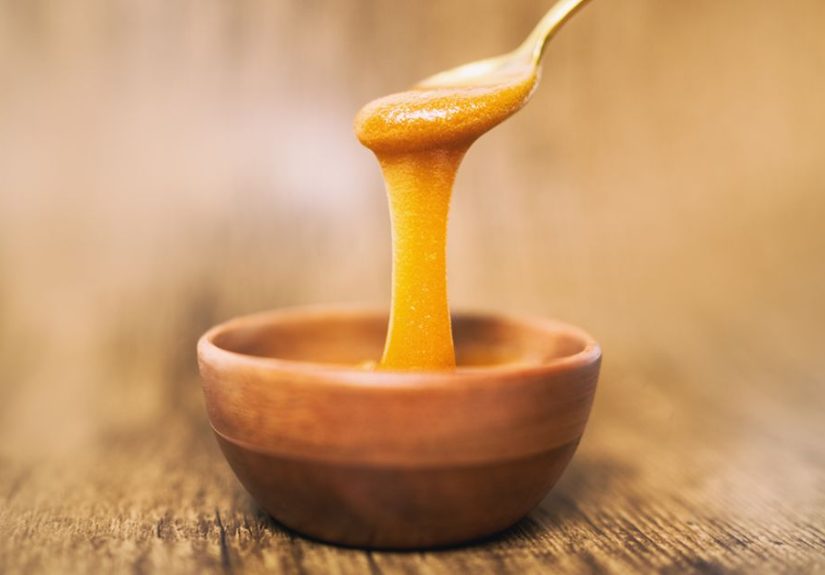
Manuka honey comes from bees that pollinate the manuka plant (Leptospermum). What makes it famous is its unusually strong and stable antibacterial
activity compared with many other honeys. One compound often highlighted is methylglyoxal (MGO), which contributes to its antimicrobial effect.
UMF and MGO: the label alphabet soup explained
If you’ve ever stared at a jar and wondered whether “UMF 15+” is a honey rating or a video game expansion pack, you’re not alone. In plain terms:
- MGO is a measurement of methylglyoxal content (higher number = more MGO).
- UMF is a broader quality/authenticity grading system that typically includes MGO plus other markers used to help verify the honey is genuine.
This matters because “manuka-style” or “active honey” on a label doesn’t always equal the real thing. If you’re trying manuka honey for skin, you generally
want a product with clear, verifiable labelingespecially since the price tag suggests you’re buying the deluxe version.
So… does manuka honey help eczema?
The honest answer is: it may help some people, but the evidence base is still limited. Here’s what researchers and clinicians generally agree on:
1) Small human studies show improvementbut they’re not the final word
In one small clinical study, people with atopic dermatitis used manuka honey on affected areas and saw lesions improve compared with untreated
control lesions. Interestingly, the study did not find significant changes in skin staph levels after a week, suggesting the benefit might not be purely
“it kills bacteria,” and could involve anti-inflammatory or barrier effects.
That’s encouraging, but it’s also not the kind of large, randomized, placebo-controlled trial that would let doctors confidently say, “Yesthis works reliably for
most patients.” In other words: promising, not proven.
2) Lab research supports plausible mechanisms
In lab settings, manuka honey and other medicinal honeys have shown effects that could be relevant to eczema, including:
- Reducing inflammatory signaling in skin cells under certain conditions
- Antimicrobial activity (including against some bacteria that commonly complicate eczema)
- Supporting a moist environmentuseful in wound care, and potentially soothing on dry, cracked areas
But lab results don’t always translate perfectly to living, breathing, itching humansespecially when eczema severity, triggers, and skin sensitivity vary widely.
3) Honey has a long track record in wound carebut eczema isn’t a wound dressing problem
Medical-grade honey products (including manuka-based dressings) have been used in wound care to support healing and manage moisture. In the U.S., certain
honey-based wound dressings have FDA clearance for specific wound-related indications. That history helps explain why honey gets attention in skin discussions.
However, eczema is primarily an inflammatory barrier disease. When eczema skin is broken or infected, the “wound care” angle becomes more relevant,
but for routine flare control, mainstream guidelines still emphasize moisturizers and anti-inflammatory treatments rather than topical antiseptics.
Where manuka honey might fit (and where it probably doesn’t)
Potentially helpful situations
- Small, localized patches (for example: a stubborn spot on the knuckles, wrist, or inner elbow)
- Very dry, rough areas where you want extra occlusive comfort (sticky, but comforting)
- Post-flare recovery when skin is healing and you’re focused on barrier support
Situations to be cautious about
- Weeping, crusting, or rapidly worsening eczema (possible infection needs medical attention)
- Large body areas (messy, expensive, and harder to monitor for reactions)
- Very sensitive or allergy-prone skin (bee-related products can trigger reactions in some people)
A useful mental model: manuka honey is best considered an adjuncta “maybe helpful add-on”not the foundation of eczema care.
How to try manuka honey on eczema (without turning your life into a lint magnet)
If you want to test manuka honey for eczema, do it like a careful science experimentnot like a chaotic cooking show.
Step 1: Choose the right type
- Medical-grade honey or medical-grade honey products are typically processed/handled for safer skin useespecially important if your skin is cracked.
- If using a jar of manuka honey, look for clear grading/authenticity markers (such as UMF or a stated MGO rating).
Step 2: Patch test first
Put a tiny amount on a small area of skin (not your worst flare zone) and wait a day. If you get increased redness, burning, swelling, or a rash that spreads,
skip it. Eczema skin is reactiveyour goal is “calmer,” not “spicier.”
Step 3: Use a thin layer and time it smart
A thin layer can be enough. Many people prefer using it in the evening, when they’re less likely to accidentally honey-glaze every doorknob in the house.
Consider covering with gauze or a breathable bandage if your dermatologist says occlusion is appropriate for you.
Step 4: Keep your core routine intact
Eczema usually improves most with consistent basics: fragrance-free cleansing, short lukewarm bathing, and frequent moisturizing (often twice daily or more),
plus prescription treatments when needed. Don’t abandon the boring stuff. The boring stuff works.
Safety notes and “don’t-do-this” moments
Allergies and irritation
Honey and other bee-related products can trigger allergic reactions in some people. If you have known allergies to bee products, pollen, or propolis, be extra
cautious. Even without a known allergy, eczema skin can react unpredictablypatch testing matters.
Babies and honey
Honey should not be given orally to infants under 12 months due to the risk of botulism. If you’re caring for a baby with eczema, don’t use honey around areas
they might lick or ingest without first discussing with a pediatric clinician.
When you should call a clinician
Seek medical advice if you notice signs of infection (increasing pain, warmth, swelling, pus, fever), if eczema is severe or widespread, or if you’re needing
more and more “home remedies” just to get through the day. Effective medical treatments exist, and you don’t have to white-knuckle it.
How it stacks up against proven eczema treatments
Dermatology guidelines consistently emphasize moisturizers and anti-inflammatory medications (like topical corticosteroids and other prescription
topicals) as the backbone of eczema care. Wet wrap therapy and careful bathing practices can also help during flares.
Manuka honey isn’t typically listed as a standard eczema treatment in major guidelines. That doesn’t automatically mean it’s uselessit means it hasn’t earned a
“recommended” spot due to limited high-quality clinical evidence, inconsistent formulations, and the risk of irritation in sensitive skin.
If you’re deciding between buying a pricey jar of manuka honey and upgrading your moisturizer game, the most evidence-based move is: start with the moisturizer.
Then consider manuka honey as a cautious experiment if you’re curious and your clinician agrees it’s reasonable for your skin.
Bottom line: Is manuka honey effective for eczema?
Manuka honey is not a guaranteed eczema fix, but it may offer benefits for some peopleespecially for small, localized patchesthanks to its
antimicrobial and anti-inflammatory properties and its ability to create a moist, protective feel on dry skin.
The most responsible summary is this: the research is promising but limited. If you try it, do a patch test, keep your evidence-based routine
(moisturizers + prescribed treatments) intact, and treat honey as a supportive add-onnot a replacement.
Experiences with manuka honey for eczema (real-world patterns people report)
People’s experiences with manuka honey and eczema tend to fall into a few familiar storylinesalmost like a choose-your-own-adventure, except the villain is
dryness and the plot twist is always laundry. While personal experiences aren’t the same as clinical evidence, they can be useful for setting realistic
expectations. Here are themes commonly reported by eczema-prone folks who experiment with manuka honey:
1) “It feels soothing… until it doesn’t.” Many people say the first impression is comfort: the honey can feel protective and “calming,”
especially on rough, dry patches. The catch is that eczema skin is reactive. Some report a warm or stinging sensationparticularly if the skin is cracked.
When it stings, it’s not always a sign it’s “working”; it can be irritation. That’s why patch testing is such a big deal, even if you’ve used honey on toast
your whole life.
2) “It helped the look, not the itch.” A frequent pattern is that redness and flaking may appear to improve faster than the itch. This makes
sense in a practical way: when skin is more hydrated and covered, it often looks less angry. But itch is driven by inflammation and nerve signaling, and that
can be stubborn. People who do best tend to keep proven itch tools in rotation toocool compresses, consistent moisturizing, and clinician-recommended
medications during flares.
3) “Localized wins, full-body chaos.” Many report better results when they use manuka honey on a single small patch (like knuckles, a wrist
spot, or a limited area behind the knee). When people try to scale up to large areas, the drawbacks get louder: it’s messy, it’s expensive, and it’s harder
to tell whether improvement is from the honey, the bandaging, the extra attention, or simply the passage of time. Eczema loves to change its mind without
asking your permission.
4) “Occlusion did half the work.” Some experiences that sound like “manuka honey saved me” may actually be a combination of effects: a sticky
layer plus a bandage can act like occlusion, which reduces water loss and discourages scratching. That doesn’t mean honey has no value; it means the overall
method matters. For some people, switching to a thick, fragrance-free ointment with wet-wrap style support achieves similar comfortwithout the sensation of
being lightly shellacked.
5) “I had to pick a better product.” People sometimes report that one jar “worked” and another did nothing. Differences in authenticity,
grading, processing, and added ingredients (in creams that include honey) may contribute. In real life, users who are happiest tend to choose products with
clear labeling, keep the application simple, and avoid fragranced add-ons that can trigger eczema flares.
The most consistent “success story” is not a dramatic overnight cure. It’s a modest improvement: less roughness, fewer flakes, and a little less irritation
on a particular patchalongside a strong baseline routine. If you go in expecting “helpful support,” you’re less likely to be disappointed than if you go in
expecting “nature’s steroid replacement.”