Table of Contents >> Show >> Hide
- What Flash Copper Really Is (And Why It Looks So “Expensive”)
- Flash Copper: The Color Personality Test
- Where Flash Copper Works Beautifully
- Prep Like a Pro (Because Metallic Paint Does Not Forgive)
- Application Methods: Brush, Roll, or Spray (Choose Your Adventure)
- How Many Coats? Coverage? The Honest Answer
- Dry Time vs. Cure Time (Two Different Things)
- Protecting the Shine: When You Need a Clear Topcoat
- Design Ideas That Make Flash Copper Look Intentional (Not Accidental)
- Common Mistakes (So You Don’t Invent New Words)
- Cleanup and Practical Notes
- FAQ
- Hands-On Experiences With Flash Copper (The Real-Life Part)
- Conclusion: Flash Copper Done Right
If regular wall paint is a plain t-shirt, Flash Copper is a leather jacket with a good story.
It’s bold without being obnoxious, warm without looking orange, andwhen applied the right wayhas that “Is that real metal?” vibe
that makes people casually wander closer to your wall like they’re inspecting museum art.
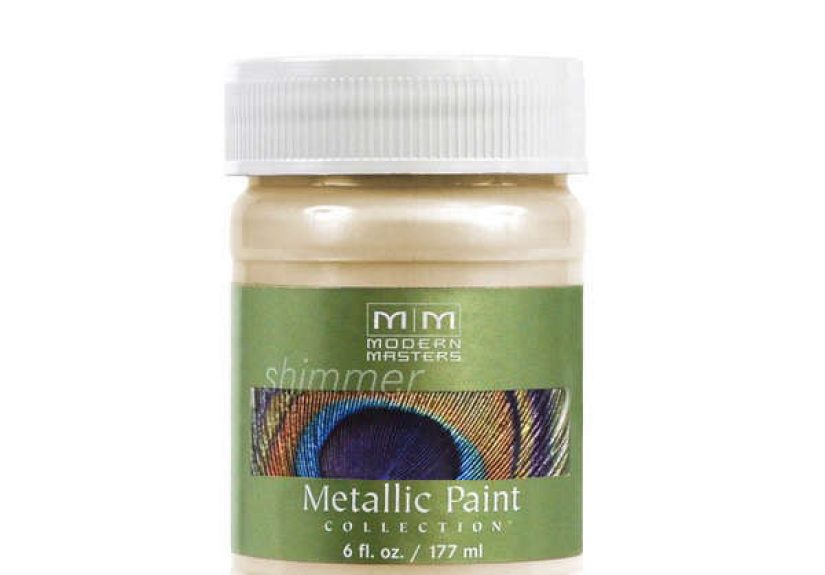
This guide breaks down what Modern Masters’ Metallic Paint (Flash Copper) actually is, where it shines (literally),
how to apply it without turning your living room into a streaky copper crime scene, and how to protect that shimmer so it stays gorgeous
instead of “mysteriously scuffed near the light switch.”
What Flash Copper Really Is (And Why It Looks So “Expensive”)
Flash Copper is part of a water-based metallic paint lineup designed to deliver a satin metallic finish using a blend of mica and
traditional pigments. That combination is a big deal: it helps create a reflective, dimensional surface that reads more like
“architectural finish” than “craft paint that tried its best.” It’s also engineered to resist the tarnishing and fading issues that
can make some metallic finishes look tired over time.
Translation: you get a modern metallic glow that can feel upscale, contemporary, and warmlike copper cookware, a designer lamp, or that
one friend’s kitchen that somehow looks curated even when they’re eating cereal out of the box.
Flash Copper: The Color Personality Test
Flash Copper sits in that sweet spot between bright penny copper and deeper burnished copper. In daylight it leans luminous and fresh.
Under warm evening lighting, it gets moodieralmost like it’s wearing cologne and suddenly has opinions about jazz.
Best lighting pairings
- Warm LEDs (2700K–3000K): richer, cozier copper glow.
- Neutral light (3500K–4000K): balanced metallic sheen that still feels warm.
- Direct spotlights: dramatic highlightsgreat for statement pieces, risky for big walls if you hate seeing texture.
Where Flash Copper Works Beautifully
Metallic finishes can be used almost anywhereif the surface is properly prepped and primed. The trick is choosing the right “stage”
for the shimmer. Flash Copper is a show-off (in a good way), so you want it where it can perform without overwhelming the room.
Great places to use it
- Accent walls: behind a headboard, in a dining room, or a hallway that needs personality.
- Architectural details: columns, trim, crown molding, ceiling coffers (hello, subtle glam).
- Furniture & décor: console tables, bar carts, picture frames, planters, lamp bases.
- Doors: interior doors for drama; exterior doors only if protected with the right clear coat.
- Feature niches: built-ins, recessed shelves, or that awkward wall bump-out you’ve been ignoring for years.
Where it’s risky
- Heavily textured walls: the shimmer can exaggerate every bump and roller stipple.
- High-touch areas: stair rails, kids’ play zones, behind bar stoolsunless you clear-coat it.
- Gigantic open walls with harsh lighting: metallics highlight lap marks if you don’t maintain a wet edge.
Prep Like a Pro (Because Metallic Paint Does Not Forgive)
Metallic paint is a little like wearing white sneakers: it looks amazing, but it will expose everything you didn’t clean up first.
For the smoothest finish, your surface should be clean, dry, and free of dust, grease, and loose/flaking paint.
Any dents, ridges, or old brush marks you leave behind will become “part of the design” once the metallic sheen catches the light.
Prep checklist
- Clean: wash off oils and grime (especially on kitchen cabinets and trim).
- Repair: patch holes, sand spackle smooth, feather rough edges.
- De-gloss if needed: glossy surfaces need sanding or deglosser so primer can bond.
- Prime: this is non-negotiable for consistent color and adhesion.
Primer matters: warm tone = happier copper
Copper and gold metallics tend to look best over a warm-toned primer. A warm base supports the color so Flash Copper reads rich and
even instead of “thin and splotchy in the corners.” If you’re painting slick surfaces (laminate, glossy trim, metal), choose a bonding
primer that’s made for that kind of substrate.
Application Methods: Brush, Roll, or Spray (Choose Your Adventure)
Flash Copper can be brushed, rolled, or spray-applied. The right method depends on your surface and your patience level.
If you’re doing a full accent wall, rolling is usually the move. If you’re doing furniture with details, brushing (with the right
technique) can work well. If you want the smoothest finish on cabinetry or intricate pieces, spraying can be chef’s-kiss.
Rolling (best for walls and large flat areas)
Metallics love to create lap marks if you don’t keep a wet edge. One strategy is to extend working time so you can blend sections
cleanly. Work in manageable sections (think about a 4-foot-wide slice), keep the edge wet, then finish with a consistent back-roll
in a single direction (like ceiling-to-floor) to align the metallic particles for an even sheen.
- Pro tip: Use a small roller to cut in corners instead of only brushingthis reduces the “picture frame” look around edges.
- Don’t: stop mid-wall to answer texts. Metallic paint will punish you for being popular.
Brushing (best for trim, small pieces, and detail work)
Use a high-quality brush designed for water-based paints. Load it sensibly (not dripping like a sad paint waterfall),
apply steady strokes, and avoid overworking areas as the paint starts to set. If brush lines still bug you, a gentle “stipple”
(pouncing) technique can disguise marks and enhance the metallic textureespecially on small décor items.
Spraying (best for the smoothest professional finish)
Spraying can create an incredibly even metallic lookespecially on doors and cabinetsbecause it minimizes brush/roller texture.
If you spray, follow proper safety practices, ensure good ventilation, and use the right equipment (HVLP or a conventional cup gun).
Thin carefully with water only as needed; too much thinning can reduce hiding and dull the finish.
How Many Coats? Coverage? The Honest Answer
Coverage with metallics isn’t one-size-fits-all, because the appearance changes depending on whether the color is more opaque or more
translucent. In general, plan for:
- Opaque look: typically 2 coats for best results.
- More translucent/sheerer effects: you may need 3 coats, especially if you’re going over a high-contrast base.
For planning purposes, expect roughly about 208–320 sq. ft. per gallon, depending on the desired hide and surface texture.
For a quart, that’s roughly about 50–80 sq. ft. (again: surfaces and technique matter). If you’re doing a single accent wall,
measure it and add a little extra for touch-upsbecause the one time you run out will be when the store is closed and you’re already wearing
paint-speckled socks.
Dry Time vs. Cure Time (Two Different Things)
Metallic paints often dry faster than people expectbut “dry” isn’t the same as “fully cured.” You can usually recoat relatively quickly,
but give the finish time to harden before putting it through real life (cleaning, scuffing, leaning chairs against it, etc.).
Typical timing (in normal conditions)
- Dry to touch: about 30–60 minutes.
- Recoat: often around 30 minutes (longer if it’s humid or cool).
- Full cure: roughly 24 hours for the paint film to fully set (and longer in less-than-ideal conditions).
If your room is humid, cold, or you added a rolling extender to increase open time, be patient. Rushing a second coat too soon can trap
moisture, cause dragging, or create uneven sheen.
Protecting the Shine: When You Need a Clear Topcoat
If Flash Copper is going in a high-traffic areaor anywhere outsideyou’ll want a protective clear coat designed to play nicely with metallic
finishes. Exterior applications typically require a UV-protective clear topcoat. Indoors, a clear coat is optional but highly recommended for:
entryways, stairwells, busy hallways, kids’ rooms, kitchen accents, and furniture that gets daily use.
Why clear coat matters
- Scuff resistance: fewer “mystery marks” from backpacks, rings, and life.
- Washability: easier cleaning without dulling the shimmer.
- UV stability: helps protect metallic beauty on exterior or sunlit surfaces.
Choose a non-yellowing clear coat so your copper stays coppernot “copper, but with a side of banana.” Apply it once the metallic paint is
fully dry, and follow the topcoat’s directions for recoat and cure times.
Design Ideas That Make Flash Copper Look Intentional (Not Accidental)
1) The “Architectural Glow” accent wall
Paint one wall in Flash Copper and keep surrounding walls in warm whites, greiges, or deep charcoal. Copper pairs beautifully with natural
woods and matte black hardware. Add a few textured elements (linen curtains, woven rug) to keep it modernnot Vegas.
2) Copper furniture pop
Try Flash Copper on a bar cart, side table, or bookshelf backing. Metallics are fantastic for “small dose, high impact.” Clear coat it if it’s
a drink station or anything that might see wet glasses.
3) Trim that steals the show
Use Flash Copper on crown molding or a ceiling detail for a subtle luxe effect. This works best in rooms with controlled lighting and fairly
smooth surfacesbecause trim is basically a spotlight magnet.
Common Mistakes (So You Don’t Invent New Words)
Skipping the sample board
Metallic paint changes dramatically with lighting and base coat color. Test first. Even a small board can save you from repainting an entire
wall because it looks “too orange at night” or “too flat in daylight.”
Not keeping a wet edge
Lap marks are the metallic paint version of leaving a price sticker on a gift. Work in sections, keep moving, and don’t let edges dry before
you blend them.
Only brushing the cut-in
Brushed edges can dry with a different texture and sheen than rolled areas. If you want a uniform wall, cut in with a mini roller as much as
possible, or immediately blend brushed areas while still wet.
Overworking the paint
Once metallic paint starts to set, repeated brushing or rolling can disturb the metallic orientation and create dull patches or streaks.
Lay it on, level it, and let it be fabulous.
Cleanup and Practical Notes
Because it’s water-based, cleanup is generally soap-and-waterjust don’t wait until the paint dries on your brush like concrete.
Also, if you’re sanding or scraping old coatings in an older home, follow proper safety precautions (including lead-safe practices where relevant).
FAQ
Can I use Flash Copper on furniture?
Yesespecially on properly primed wood or previously painted pieces. For tables, bar carts, cabinets, and anything that gets handled a lot,
a clear protective topcoat is strongly recommended.
Can I use it outdoors?
Metallic finishes can be used outdoors when the full system is followed (appropriate primer + metallic paint + UV-protective clear topcoat).
Skipping the clear coat is a shortcut that usually ends in fading, scuffing, or premature wear.
Do I have to prime first?
If you want even color, strong adhesion, and a finish that doesn’t look patchyyes. Primer helps metallics look richer and more uniform,
especially on porous or slick surfaces.
How do I avoid roller lines and lap marks?
Use the right roller, maintain a wet edge, work in consistent sections, and finish with a single-direction back-roll. Don’t stop mid-panel,
and don’t go back over areas that have started to dry.
Hands-On Experiences With Flash Copper (The Real-Life Part)
Here’s what Flash Copper feels like in the trenchesbased on the kinds of projects people actually do when they want “a little wow” without
committing to a full renovation.
Experience #1: The Dining Room Accent Wall That Became the Conversation Starter
The goal was simple: make a plain dining room feel intentional without buying new furniture. Flash Copper went on one wall behind a long
wooden table. The first surprise? The wall looked totally different at 9 a.m. versus 9 p.m. In morning light it read bright and crisp.
At night, under warm pendant bulbs, it became deeper and moodieralmost like burnished metal. That lighting shift wasn’t a problem; it was
the point. But it did mean sampling was essential. A test board saved the day by confirming that the chosen warm primer made the copper feel
rich instead of thin.
Application-wise, the biggest win was treating the wall like a race you can’t pause. Working in consistent vertical sections kept the wet
edge alive, and the final back-roll in one direction made the sheen look smooth and intentional. The only “oops” moment came from cutting in
too slowly near the ceiling. Those brushed edges dried with a slightly different texture until a mini roller blend fixed it. Lesson learned:
metallics don’t love long solo brush performancesbring in the roller as backup.
Experience #2: The Bar Cart Glow-Up (Small Project, Big Payoff)
Flash Copper on a bar cart is pure unfair advantage. Because the surface area is smaller, it’s easier to keep everything wet and uniform.
The paint immediately made the piece look more expensive than it had any right to. The key was prep: light sanding, thorough cleaning, and
a bonding primer since the cart had a factory finish. Two coats delivered a strong, even metallic look.
The “real-life” test came fast: glasses, bottles, and the occasional accidental clink. Without a clear coat, metallic finishes can scuff.
With a protective clear topcoat, the cart became wipeable and durable, and the sheen stayed consistent. The biggest surprise was how much
the clear coat mattered for cleaningfingerprints and minor smudges were dramatically easier to wipe without leaving dull spots.
Experience #3: Copper Trim in a Powder Room (High Drama, Low Square Footage)
A small powder room is an ideal playground for metallic paint because you get drama without painting a football field. Flash Copper was used
on trim and a small section of wall above wainscoting. The finish looked incrediblebut it also revealed every tiny bump and brush mark.
That’s not a flaw in the paint; it’s the nature of metallic reflection. The fix was straightforward: smoother prep, lighter brush loading,
and a technique shiftmore controlled strokes and less fussing as the paint began to set.
Final takeaways from this project: (1) metallic trim needs smoother substrate than standard paint, (2) lighting direction mattersside
lighting can amplify texture, (3) clear coat is a smart choice in bathrooms where cleaning is frequent. The end result felt like boutique
hotel styling on a regular-person budget, which is the best kind of victory.
Quick “Do This, Not That” from Experience
- Do: test on a board under your actual lighting. Not: trust the swatch photo on your screen.
- Do: keep a wet edge and work in sections. Not: take a snack break mid-wall.
- Do: consider a clear coat for anything touched often. Not: assume metallic paint is magically scuff-proof.
- Do: use a mini roller to blend cut-ins. Not: brush the perimeter and hope no one notices.
Conclusion: Flash Copper Done Right
Flash Copper is one of those finishes that can make a space feel designed without screaming for attention. The shine is modern, warm,
and surprisingly versatileespecially when paired with the right primer and applied with metallic-friendly technique.
Treat prep like your best friend, maintain a wet edge, and protect the finish where life happens. Do that, and you’ll get a copper glow
that looks intentional, elevated, and just a little bit addictive.