Table of Contents >> Show >> Hide
- Why “More” Holders Is a Real Upgrade (Not a Weird Hobby)
- The Main Types of Toilet Paper Holders (And Who They’re For)
- 1) Wall-Mounted: The Classic (But Choose the Right Mechanism)
- 2) Double Roll Holders: For Families, Guest Baths, and “I Don’t Want to Think About It” People
- 3) Recessed Holders: Sleek, Space-Saving, and (Sometimes) Picky About Roll Size
- 4) Freestanding Stands: Renter-Friendly and Surprisingly Stylish
- 5) Cabinet- or Vanity-Mounted: The Small-Bathroom Secret Weapon
- 6) Shelf Combo Holders: Because Modern Life Comes with a Phone
- Placement That Feels “Right” (Height, Reach, and Real-World Comfort)
- Materials and Finishes: What Holds Up (and What Shows Every Fingerprint)
- Installation Basics: Studs, Anchors, Tile, and “Please Don’t Wiggle”
- More Holders, More Storage: Keeping Extra Rolls Without Making It Weird
- Bathroom Scenarios: What Works Best in Real Homes
- Buying Checklist: Pick the Right Holder the First Time
- Real-World Experiences: What People Learn After Adding “More Toilet Paper Holders” (≈)
- Conclusion
There are two kinds of bathrooms in this world: the ones where the toilet paper is exactly where you expect it,
and the ones where you discovertoo latethat “minimalist” apparently means “good luck, buddy.”
If you’ve ever performed the seated side-lunge of desperation (you know the one), you already understand why
the humble toilet paper holder deserves more attention than it gets.
“More toilet paper holders” isn’t just a shopping moodit’s a strategy. More options. Better placement.
Extra rolls within reach. A setup that works for kids, guests, renters, tiny powder rooms, and that one family member
who believes a mega roll is a reasonable life choice.
Why “More” Holders Is a Real Upgrade (Not a Weird Hobby)
A toilet paper holder is small, but it touches three big bathroom goals: comfort, cleanliness, and flow.
When it’s wrongtoo low, too far, too flimsy, or constantly falling off the walleverything else feels wrong too.
Adding or upgrading holders (yes, plural) solves common problems fast:
- No-roll emergencies: a reserve holder or storage nearby prevents the dreaded empty spindle surprise.
- Better traffic in small bathrooms: the right style can reduce bumps, snags, and bruised hips.
- Easier cleaning: pivoting arms, open-ended designs, and recessed options can reduce grime traps.
- Accessibility: thoughtful placement helps everyoneespecially kids, seniors, and wheelchair users.
- Style coherence: matching finishes across bathroom hardware can make even a basic bath feel intentional.
Consider this your permission slip to stop “making do” with the loose roll on the back of the toilet tank.
(It’s not decor. It’s a cry for help.)
The Main Types of Toilet Paper Holders (And Who They’re For)
1) Wall-Mounted: The Classic (But Choose the Right Mechanism)
Wall-mounted holders are the most common for a reason: they keep the roll off surfaces, they’re easy to reach,
and they work in nearly any bathroom layout.
- Spring-loaded bar: inexpensive and common, but can pop loose or get bent over time.
- Pivoting arm: swings open for quick roll changesgreat when you’re tired of fighting the spring.
- Open-ended / hook style: slides rolls on and off fast (and can be a lifesaver for one-handed changes).
If you’ve ever watched a roll ricochet across the room because the spring bar launched itself like it had a personal vendetta,
you already know why pivoting and open-ended designs have a loyal fan club.
2) Double Roll Holders: For Families, Guest Baths, and “I Don’t Want to Think About It” People
A double toilet paper holder keeps a backup roll right thereno cabinet diving, no awkward “where’s the extra?” questions.
It’s especially useful in a guest bath where you want the room to be self-explanatory without placing a labeled bin that screams,
“WELCOME, STRANGER, HERE IS YOUR PAPER.”
Tip: If your household buys giant rolls, measure clearance so the second roll doesn’t rub the wall or block rotation.
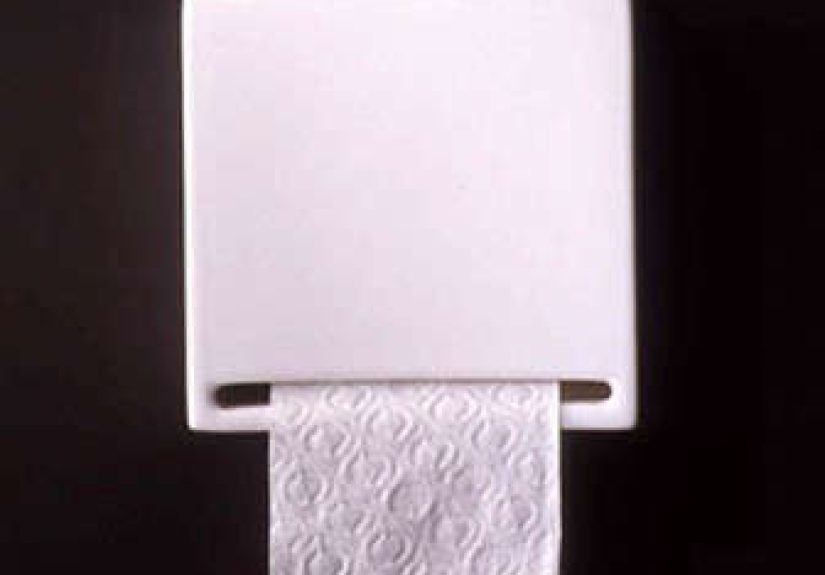
3) Recessed Holders: Sleek, Space-Saving, and (Sometimes) Picky About Roll Size
Recessed toilet paper holders sit inside the wall cavity, so they don’t protrude much. That’s a win for tight bathrooms
where every inch matters. The trade-off is installation complexity (you’re cutting into drywall or coordinating with tile work),
and some recessed designs can be less forgiving with oversized rolls.
Recessed can also look especially “built-in” when paired with niche shelves or a minimalist bathroom design.
4) Freestanding Stands: Renter-Friendly and Surprisingly Stylish
A freestanding toilet paper stand requires no drillingjust place it and move on with your day. Many designs include storage
for extra rolls and sometimes a shelf for small items (like a phone, air freshener, or that tiny plant you’re trying not to kill).
Best for: rentals, powder rooms where wall space is weird, and anyone who’s tired of patching holes after every “quick upgrade.”
5) Cabinet- or Vanity-Mounted: The Small-Bathroom Secret Weapon
When your bathroom layout refuses to cooperate, mounting a holder on the side of a vanity or cabinet can be a clean solution.
It keeps the roll within reach without forcing a wall mount in an awkward spot.
Just double-check door swings, drawer pulls, and knee clearancebecause nobody wants to discover mid-sit that the paper is now
trapped behind a cabinet door like it’s in witness protection.
6) Shelf Combo Holders: Because Modern Life Comes with a Phone
Some holders add a small shelf above the rolluseful for wipes (never flush them), small decor, or a phone.
If you go this route, prioritize easy-to-clean surfaces and enough room that the roll doesn’t scrape the underside.
Placement That Feels “Right” (Height, Reach, and Real-World Comfort)
Most people don’t notice a correctly placed toilet paper holder. That’s the point. It should disappear into the experience.
A commonly recommended height for standard comfort is around 26 inches from the floor to the holder’s center,
with positioning that avoids over-twisting while seated.
Accessible Bathrooms: Think in “Reach,” Not Just Inches
If you’re designing for accessibility (or future-proofing), placement needs to follow reach ranges and clearances.
ADA guidance focuses on where the dispenser outlet and centerline land relative to the toilet and grab bars,
so the paper can be reached comfortably from a seated position.
Practical takeaway: keep it within easy reach (not behind you), avoid interfering with grab bars, and don’t mount it so high
that it becomes a shoulder workout.
Pro Tip: Test Before You Drill
Use painter’s tape to “mock mount” the holder and do a real seated reach test. It’s a low-effort way to avoid a high-effort patch job.
If multiple people use the bathroom, aim for a placement that works for the shortest and least mobile person in the home.
Convenience is a group project.
Materials and Finishes: What Holds Up (and What Shows Every Fingerprint)
Toilet paper holders live in a humid, splash-prone environment. Translation: cheap finishes can pit, discolor, or look dull fast.
Materials like stainless steel and quality metal alloys generally hold up better than thin plated pieces, especially in busy bathrooms.
Finish Matching: The Quickest Way to Make the Bathroom Look More Expensive
Matching your holder finish to other bathroom hardware (faucet, towel bars, hooks, cabinet pulls) can instantly make the space feel intentional.
Popular choices include chrome, brushed nickel, and matte blackeach with a different personality:
- Chrome: bright, classic, easy to match, can show water spots.
- Brushed nickel: forgiving, warm-ish, hides fingerprints better than shiny finishes.
- Matte black: modern and bold, but quality matterscheaper coatings can scratch or fade.
Many major bathroom brands emphasize corrosion and tarnish resistance in their accessory lines, and higher-durability finishes
(often made with advanced coating processes) are worth considering for high-traffic bathrooms.
Cleaning Without Ruining the Finish
Gentle wins. A damp cloth, mild soap, rinse, and dry is a solid default routine for many bathroom finishes.
Avoid harsh abrasives and strong chemicals that can dull or damage coatingsespecially on “spot resistant” or specialty finishes.
Installation Basics: Studs, Anchors, Tile, and “Please Don’t Wiggle”
Most toilet paper holder failures are not dramatic. They’re just… slowly depressing. A tiny wobble becomes a daily annoyance,
then one day the whole thing tears out of drywall like it’s escaping.
Mounting Into a Stud (Best Case Scenario)
If you can anchor at least one side into a wall stud, do it. Stud mounting is sturdier and handles years of use better.
A stud finder helps, and careful measuring keeps hardware aligned and level.
Drywall Anchors (When Studs Aren’t Where You Need Them)
When studs aren’t an option, use the right wall anchors for the weight and the wall type.
Better anchors (like toggles or metal anchors) often outperform basic plastic ones for repeated tugging and accidental bumps.
Follow the anchor instructions and don’t oversize the holethis is not the moment for improvisational drilling.
Tile Walls: Beautiful, Hard, and Not in a Rush
Tile requires the right bit and patience. Rushing can crack tile, and cracked tile is a sadness that echoes.
If you’re not confident, this is one of those “a pro can do it in 20 minutes” tasks that can save you money long-term.
No-Drill Options for Renters: Adhesive Bathroom Holders
Adhesive-mounted holders can work well on smooth surfaces like tile, glass, or finished woodwhen installed correctly.
The big rules are simple: prep the surface, avoid grout lines, and follow the brand’s cure/wait time.
Also note that freshly painted walls need time to fully cure before adhesive products are applied.
If your bathroom has heavy humidity swings (steamy showers every day), follow the manufacturer’s guidance closely.
Adhesive products are strong when used as designed, but they’re not magic spells.
More Holders, More Storage: Keeping Extra Rolls Without Making It Weird
A second holder is one solution. A storage plan is the long-term win.
The best setups keep backup rolls nearby but not awkwardly displayed like a tower of anxiety.
Smart, Good-Looking Ways to Store Extra Toilet Paper
- Vertical reserve canisters: slim, discreet, and perfect for small bathrooms.
- Baskets under the vanity: easy-access and flexibleespecially if you already use baskets for towels.
- Wall shelves or floating shelves: go vertical to free up floor space (and add style).
- Over-the-toilet shelving: great in small baths, but keep it tidy to avoid visual clutter.
- Recessed niches: a built-in look that can hold both paper and small items if planned during renovation.
The goal is simple: the backup roll should be easy to grab with one hand, without standing up,
opening three doors, or performing a scavenger hunt.
Bathroom Scenarios: What Works Best in Real Homes
Tiny Powder Room
Choose a recessed holder or a slim wall-mounted pivoting style to reduce bumping in tight quarters.
If floor space is limited, avoid bulky stands unless they’re very narrow.
Busy Family Bathroom
Go with a double roll holder or a wall-mounted holder plus a reserve storage canister.
Kids are hard on hardware, so prioritize sturdy mounting and durable finishes.
Guest Bathroom
Make it obvious. A backup roll within sight (double holder or a neatly placed basket) prevents awkward questions.
Bonus points for a holder that’s easy to reload without wrestling a spring bar.
Aging-in-Place / Accessibility-Focused Bath
Prioritize reach, clearance, and stability. If grab bars are present, keep the dispenser positioned so it doesn’t interfere,
and follow recognized accessibility guidance for placement relative to the toilet and bars.
Buying Checklist: Pick the Right Holder the First Time
- Mount type: drilled (screws) vs adhesive vs freestanding.
- Mechanism: spring bar, pivoting arm, or open-ended.
- Capacity: single roll, double roll, or integrated reserve storage.
- Finish: match your other bathroom hardware if possible.
- Bathroom conditions: high humidity, daily showers, kids, heavy use.
- Roll size: confirm clearance for jumbo/mega rolls, especially with recessed holders.
- Cleaning ease: fewer tight crevices = less grime drama.
If you remember nothing else: pick the style that makes changing the roll feel effortless.
Convenience is the whole point. Nobody wants a bathroom accessory that requires a training montage.
Real-World Experiences: What People Learn After Adding “More Toilet Paper Holders” (≈)
In real homes, toilet paper holders aren’t judged on looks alone. They’re judged on performance under pressuresometimes literally.
And when people decide to add “more holders,” it’s usually after one of a few classic experiences.
One common story starts with the mega roll vs. reality moment. Everything seems fine until someone buys the “family size”
roll that’s basically a soft white tire. On a standard holder, it might spin a little tight but survive. On certain recessed holders,
though, the oversized roll can rub the sides or refuse to rotate smoothly. That’s when households pivot (pun unavoidable) to either
a holder with more clearance or a backup strategy: keep standard rolls in the recessed unit and store the mega rolls elsewhere.
Suddenly, a simple accessory becomes a systemlike meal prepping, but for dignity.
Then there’s the wobble problem. People often notice it gradually: the holder feels “a little loose,” then it starts leaning,
and eventually it threatens to come off with the roll. This is where better anchors or mounting into a stud becomes the hero of the story.
Many homeowners discover that the cheapest plastic anchor works right up until it doesn’tespecially in a busy bathroom where people
yank the paper like they’re starting a lawnmower. Upgrading the mounting hardware can make the holder feel brand new, even if you keep
the same style.
Renters and commitment-phobes (no judgment) have their own arc: the adhesive experiment. The experience is usually excellent
when the surface is smooth and the instructions are followedclean, press firmly, wait the recommended time, and don’t place it over grout.
The “bad adhesive” stories often come from skipping prep or sticking it to a textured wall and expecting physics to take the day off.
When it’s done right, an adhesive holder can feel like a small miracle: no drill, no holes, no awkward patch-and-paint goodbye letter.
Another lesson people learn fast is that backup rolls should be reachable, not just present. A pack of toilet paper in the hallway closet
is technically “in the house,” but that’s not the same as “within reach.” That’s why reserve canisters, baskets under the vanity, or a double
holder can feel like a genuine quality-of-life upgrade. In guest bathrooms, it’s also a kindness: visitors don’t have to open random cabinets
like they’re searching for a hidden key in an escape room.
Finally, there’s the style surprise. People upgrade a holder thinking it’s purely functional, but then they realize that matching finishes across
bathroom hardware makes the entire space feel more polished. A matte black or brushed nickel holder that matches the faucet and towel hook
can make a basic bathroom look intentionallike you planned it, instead of inheriting it from the previous decade.
The punchline is that “more toilet paper holders” usually means less daily friction: fewer emergencies, fewer wobbles, fewer awkward reaches,
and fewer moments where someone says, “Uh… do we have more?” from behind a closed door.