Table of Contents >> Show >> Hide
- What a sinus flush actually does (and what it doesn’t)
- Who can benefitand who should skip it
- The non-negotiables for safety
- Step-by-step: how to do a sinus flush safely
- Common mistakes (and how to fix them)
- How often should you do a sinus flush?
- When to call a doctor (don’t tough-guy this)
- Sinus flush FAQ
- Bottom line
- Real-world experiences: what sinus flushing feels like (and what surprises people)
A sinus flush (also called nasal irrigation or a saline rinse) is one of those rare wellness trends that’s
actually older than your great-grandparents’ “miracle tonic”… and also has real science behind it.
Done correctly, it can help clear out thick mucus, allergens, and everyday gunk so you can breathe like a normal human again.
Done incorrectly, it can irritate your nose, make your ears feel weird, orvery rarelycause a serious infection.
This guide walks you through how to do a sinus flush safely, what to avoid, how often to do it, and when to skip it and call a clinician.
(No judgment. We’ve all tried to “power through” a sinus situation and regretted it.)
What a sinus flush actually does (and what it doesn’t)
Think of your nasal passages like a hallway with a sticky floor. When you’re sick, dealing with allergies, or breathing dry air,
that “sticky floor” collects mucus, pollen, dust, and irritants. A saline rinse uses saltwater to gently wash that stuff out.
Many people notice:
- Less congestion and pressure
- Fewer post-nasal drip “throat ticks”
- Improved breathingespecially before sleep
- Less reliance on decongestant sprays (the rebound kind that can backfire if overused)
What it does not do: replace antibiotics when you truly need them, instantly cure a sinus infection, or erase allergies from your DNA.
It’s best as a supportive toollike a good assistant, not the CEO.
Who can benefitand who should skip it
People who often do well with nasal rinses
- Seasonal allergy sufferers (pollen, dust, pet dander)
- People with frequent nasal congestion or thick mucus
- Those with chronic sinus symptoms (often as part of a broader plan from an ENT or primary care clinician)
- People recovering from certain nasal/sinus proceduresbut only using their surgeon’s instructions
Pause and ask a clinician first if you have:
- Frequent nosebleeds, a known bleeding disorder, or you’re on blood thinners
- Ongoing ear problems (ear infections, ear tubes, significant pressure issues)
- A weakened immune system
- Recent nasal trauma, surgery, or a very painful/blocked nose that won’t allow gentle flow
- Symptoms that are severe, unusual, or worsening quickly (high fever, swelling around eyes, confusion, severe headache)
For kids and teens: saline rinses can be helpful, but technique matters. If a child can’t cooperate with head positioning and gentle breathing,
saline sprays or drops may be a better first step. When in doubt, check with a pediatric clinician.
The non-negotiables for safety
If you remember nothing else from this article, remember this:
your nose is not a place for “probably fine” water.
1) Use the right water (this is the big one)
Use distilled, sterile, or previously boiled and cooled water.
Tap water can be safe to drink, but it’s not sterile. Rare organisms that your stomach can handle may cause serious problems if they enter nasal passages.
- Best: Store-bought distilled or sterile water.
- Also acceptable: Tap water that you boil, let cool, and store in a clean container with a tight lid.
- Sometimes acceptable: Water filtered with a device designed for removing very small organisms (check manufacturer specs carefully).
2) Use salinenot plain water
Plain water can sting because it doesn’t match the salt level of your tissues. A saline solution is gentler and helps your nose
do its natural job (moving mucus along).
- Easiest option: Pre-measured saline packets made for nasal rinses.
- If mixing your own: Use non-iodized salt and follow reliable measurements. Too salty burns; not salty enough stings.
Also: don’t get creative with ingredients. Your nose does not want essential oils, garlic water, or “immune-boosting” spice blends.
It wants boring, clean salinelike a minimalist who loves spreadsheets.
3) Keep the device clean (and don’t share it)
Your rinse bottle/neti pot is not a family heirloom. It is a personal hygiene tool.
- Wash after every use with soap and safe water.
- Let it air-dry completely (moisture invites microbes).
- Replace it if it’s cracked, cloudy, smells weird, or you can’t get it fully clean.
- Never share devicesever.
Step-by-step: how to do a sinus flush safely
Before you start
- Wash your hands like you’re about to handle contact lenses.
-
Prepare your saline using distilled/sterile or boiled-and-cooled water.
If you’re using packets, follow the package directions. - Use lukewarm solution (too cold is unpleasant; too hot is a hard no).
-
Pick a good location: over a sink or in the shower.
(Shower users are the “no-mess” elite.)
During the rinse
-
Lean forward over the sink and tilt your head slightly to one side.
Keep your forehead and chin about level so the fluid doesn’t head for your throat or ears. - Breathe through your mouth. Don’t sniff hardgentle is the theme here.
-
Place the spout/tip at the entrance of the top nostril, forming a comfortable seal.
Do not jam it in. Your nose deserves respect. - Pour or squeeze gently. The solution should flow in one nostril and drain out the other (or sometimes out the same nostrilhuman plumbing varies).
-
Let it drain, then gently blow your nose (one nostril at a time) without forcing it.
Repeat on the other side.
After the rinse
-
Gently blow your nose to clear remaining saline and mucus.
If you feel ear pressure, stop blowing hard and give it time. - Clean the device with soap and water, rinse well, and let it air-dry fully.
- Don’t immediately lie flat if you tend to feel “water trapped” afterwards. A few minutes upright can help.
Common mistakes (and how to fix them)
Mistake: Using tap water
Fix: Use distilled/sterile water, or boil and cool tap water first. This is the #1 safety rule.
Mistake: “Ow, it burns!”
Fix: Your saline concentration is off or the water is too hot/cold. Use a pre-measured packet or carefully measure a non-iodized salt mix.
Aim for lukewarm.
Mistake: Water goes down your throat
Fix: Adjust head position. Lean forward more, keep your chin and forehead level, and slow the flow.
Breathing through your mouth helps.
Mistake: Ear pressure or fluid-in-ear feeling
Fix: Reduce force, adjust angle, and don’t blow your nose aggressively afterward. If this keeps happening, pause nasal rinses and ask a clinician,
especially if you have ear issues.
Mistake: Doing it constantly, forever, for everything
Fix: More isn’t always better. Overdoing it can lead to dryness or irritation. Use it strategically (see frequency guidance below).
How often should you do a sinus flush?
Frequency depends on why you’re doing it, how your nose feels, and what your clinician recommends.
Here are practical, commonly used patterns:
- Allergy season flare: Once daily for a short period, then reduce as symptoms calm.
- Cold congestion: Once daily or every other day for comfort, especially before bed. Stop when you’re improving.
- Chronic sinus symptoms: Some people benefit from regular rinses, but it’s best as part of an ENT-guided plan.
If your nose feels dry, raw, or increasingly irritated, take a break and reassess your technique and saline concentration.
When to call a doctor (don’t tough-guy this)
Seek medical advice if you have any of the following:
- Symptoms lasting more than 10 days without improvement
- Severe facial pain, high fever, or worsening symptoms after initial improvement
- Swelling around the eyes, vision changes, or severe headache
- Frequent nosebleeds or significant ear pain/pressure after rinsing
- Thick, foul-smelling nasal discharge plus significant illness
Sinus flush FAQ
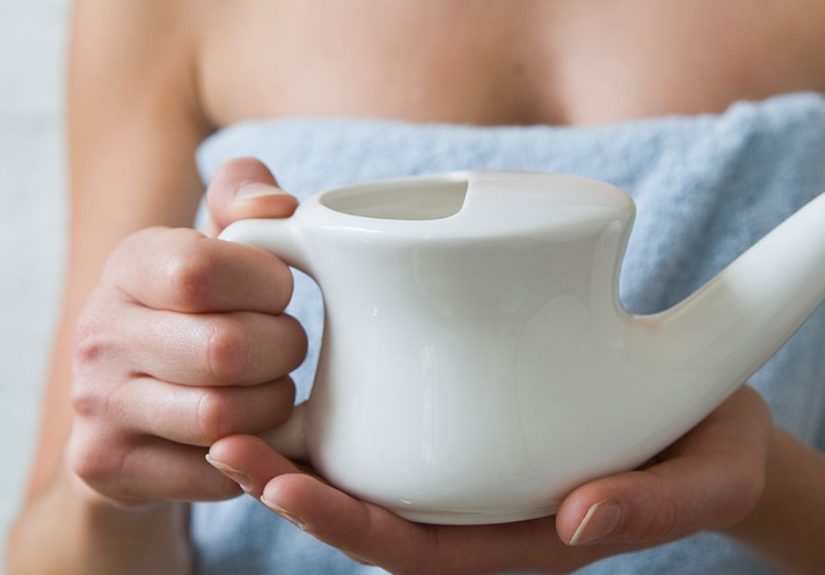
Neti pot or squeeze bottlewhich is better?
Both can work. Many people find squeeze bottles easier to control and more effective for flushing.
Neti pots can feel gentler and slower. The “best” device is the one you’ll use correctly and keep clean.
Can I use a sinus flush if I’m pregnant?
Saline rinses are often considered a helpful non-medication option for congestion.
Still, check with your prenatal clinician if you have frequent nosebleeds, significant swelling, or complications.
Can I add medication to the rinse?
Only if a clinician specifically instructed you to do so. Some people use medicated rinses under ENT guidance,
especially after surgery or for chronic conditions. Don’t DIY prescription-style rinses.
What if I can’t tolerate a full rinse?
Start smaller: saline spray, saline drops, or gentle mist products. A partial improvement is still an improvement.
Comfort matters because it determines whether you’ll keep up a helpful routine.
Bottom line
A sinus flush can be a simple, low-tech way to breathe easierif you do it safely.
Use distilled/sterile or boiled-and-cooled water, mix an appropriate saline solution, go gently, and keep your device clean and dry.
Treat it like a toothbrush for your nose: helpful, personal, and definitely not something you wing with questionable water sources.
Real-world experiences: what sinus flushing feels like (and what surprises people)
People who try nasal rinsing for the first time often expect a dramatic, cinematic “waterfall out the other nostril” moment.
Sometimes that happens. Sometimes it’s more like an awkward plumbing test where you wonder if your face has been installed correctly.
Either way, a few common experiences pop up again and againand knowing them ahead of time can keep you from quitting too soon.
First, there’s the “why is this so weird?” phase. Even with perfect technique, the sensation of fluid moving through your nasal passages
is unfamiliar. Some people describe it as oddly satisfying, like power-washing a tiny hallway. Others feel a brief “whoa” moment and instinctively want
to sniffdon’t. Breathing through your mouth and going slowly usually turns “weird” into “manageable” by the second or third try.
Second, many people are surprised by how much head position matters. One tiny tilt can change everything:
the solution flows smoothly… or takes a detour toward your throat. A common learning curve is discovering your “sweet spot”:
leaning forward enough, keeping your forehead and chin level, and adjusting slightly until the rinse drains comfortably.
Once you find it, the process becomes routinelike figuring out the exact angle your phone has to be at to stop autocorrect from embarrassing you.
Third, there’s the classic “it worked… but my ear feels funny” surprise. A mild fullness can happen if you squeeze too hard,
blow your nose too aggressively, or rinse when you’re very blocked. Most people fix this by slowing down, using gentler pressure,
and keeping post-rinse nose blowing calm and controlled. If ear discomfort persists, that’s a sign to pause and get medical advice
especially if you’re prone to ear infections.
Fourth, people often notice benefits in very specific situations. For example, someone with seasonal allergies may find that a rinse
after coming indoors (post-pollen exposure) helps reduce that “itchy, stuffed” feeling before it snowballs. A person with a cold might
find that rinsing before bed reduces nighttime mouth breathing and improves sleep. And people with chronic sinus issues often report
that consistent rinsing makes other treatmentslike nasal steroid sprayswork better because the spray can actually reach the nasal lining
instead of landing on a wall of mucus. That’s not magic; it’s just better access.
Finally, there’s the emotional experience: nasal rinsing makes you feel proactive. When you’re congested, you can feel stuck
like you’re waiting for your body to fix it while you suffer. A sinus flush is one of those rare “do something now” tools.
The key is keeping it safe and boring: sterile water, proper saline, clean device, gentle technique. The boring part is what makes it work.
The moment you get creative, your nose files a complaint.