Table of Contents >> Show >> Hide
- What Is a Moser Pendant, Exactly?
- The Design Story: Why the Moser Pendant Looks Like a Glass Drop
- Light Quality: The Real Reason People Fall for It
- Sizes and Scale: Choosing the Right Moser Pendant for Your Space
- Where the Moser Pendant Works Best
- Hanging Height and Placement: Don’t Let a Great Pendant Become a Headbutt Hazard
- Bulbs, Color Temperature, and Dimmers: The Unsexy Stuff That Makes the Sexy Stuff Look Good
- Styling the Moser Pendant: What It Pairs With (and What It Calms Down)
- Care and Maintenance: Keeping Opal Glass Looking Fresh
- Is the Moser Pendant Worth It?
- Common Mistakes to Avoid (So Your Pendant Doesn’t Look “Oops”)
- Real-World Experiences With a Moser Pendant
- SEO Tags
Some pendant lights exist to be “a light.” The Moser pendant exists to be the lightthe one that quietly
makes your kitchen island feel like it got a promotion, or turns a plain dining table into a “we definitely host” situation.
It’s soft, sculptural, and Scandinavian in that effortlessly calm way that makes your other fixtures look like they’re trying
a little too hard.
If you’ve heard people describe the Moser pendant as “a droplet” or “molten glass frozen mid-fall,” that’s not just poetic
lighting-nerd talk. The design is intentionally based on the shapes glass takes during the blowing processthose organic,
in-between moments where something is becoming something else. And the result is a pendant lamp that feels both precise
and a little bit alive.
What Is a Moser Pendant, Exactly?
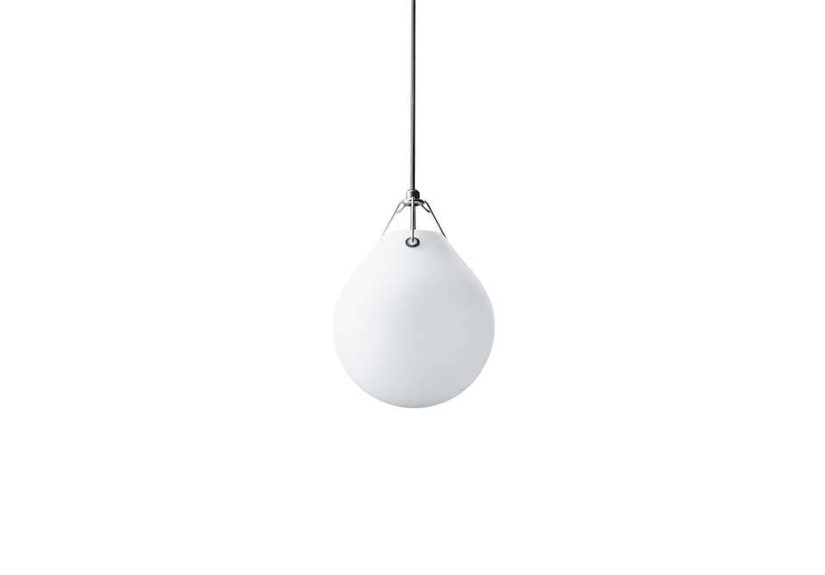
The Moser pendant is a hand-blown opal glass pendant light from Louis Poulsen, designed by Swedish ceramic
artist Anu Moser. It’s known for a gently rounded, enclosed shade that produces diffuse, glare-free illumination.
Translation: it lights the room without punching you in the eyeballs the moment you look up.
The shade is typically a matte white opal glass (often described as mouth-blown), paired with a clean suspension in polished
metal. The overall vibe is “simple” in the way a perfectly tailored blazer is simplenothing loud, nothing fussy, just
excellent proportions and materials doing the work.
The Design Story: Why the Moser Pendant Looks Like a Glass Drop
The inspiration behind the Moser pendant comes from observing hot glass as it’s shaped and blown. When glass is gathered
and begins to form, it naturally creates droplet-like profilesrounded, weighted, and slightly elongated. The Moser pendant
captures that sense of motion in a calm, finished form.
It’s also designed to shield the direct view of the light source. That matters more than people realize.
Plenty of “pretty” pendants look great until you sit down, glance up, and get a direct view of the bulb like it’s staring back.
With the Moser pendant, the enclosed opal shade helps keep light comfortable and evenly distributed.
Light Quality: The Real Reason People Fall for It
The Moser pendant is beloved because it delivers the kind of light that makes a space feel finished. Opal glass diffuses
the bulb’s output into an even glow, reducing harsh shadows and minimizing glare. In real rooms, that usually means:
- Warmer ambiance without sacrificing usable brightness
- Softer facial lighting (everyone looks a little more restedno one is mad about that)
- More forgiving illumination across counters, tables, and walkways
Because the shade isn’t clear glass, you don’t get that “spotlight” effect where the bulb becomes the main character.
Instead, the entire shade becomes the luminous elementlike a small, controlled moon hanging from your ceiling.
Sizes and Scale: Choosing the Right Moser Pendant for Your Space
The Moser pendant is commonly offered in three sizes, which makes it easier to use consistently throughout a home
(or to mix sizes without things looking random). Designers often pick size based on the visual weight needed and the
ceiling height available.
Quick size guidance (the practical, “won’t regret this” version)
- Small: Great for cozy breakfast nooks, small entryways, or a pair over a compact island.
- Medium: The “most rooms can handle it” choiceideal over standard islands and smaller dining tables.
- Large: Best when you need presencebigger island, taller ceiling, or a dining area that needs a focal point.
If you’re using multiple pendants, scale becomes even more important. Three pendants that are too large can feel like a
lighting traffic jam. Three that are too small can look like you hung them “for decoration” and forgot the lighting part.
The Moser’s rounded form helps it read as substantial even in smaller sizesso you often don’t need to oversize it to get
impact.
Where the Moser Pendant Works Best
One reason the Moser pendant is so popular in modern and Scandinavian interiors is that it doesn’t fight your room.
It’s content being elegant in the backgrounduntil you turn it on, and then it quietly steals the show.
Kitchen island pendant lighting
The Moser pendant is a natural fit over islands because it provides soft, general illumination without harsh glare.
It also pairs well with stone countertops, white oak cabinetry, and modern hardware finishes. If your kitchen has a lot of
visual activity (tile backsplash, open shelving, bold veining), the Moser acts like a calm punctuation mark.
Dining room pendant light
Over a dining table, this fixture shinesliterally and socially. Opal glass produces flattering light for faces and food, which
is exactly what you want when you’re trying to make “Tuesday leftovers” look like “casual bistro night.”
Entryway and hallway glow
In an entry, a single Moser pendant can create a warm welcome without a chandelier’s drama. In hallways, smaller sizes can
add rhythm and gentle illuminationespecially helpful in homes where recessed lights feel too clinical.
Bedroom lighting (yes, really)
If you like the look of pendants instead of bedside lamps, the Moser can work beautifullyespecially on dimmers. Hung
over nightstands, it frees up surface space and gives a clean, hotel-like feel (minus the awkward art that’s always tilted).
Hanging Height and Placement: Don’t Let a Great Pendant Become a Headbutt Hazard
Even the best pendant light can be ruined by bad placement. The goal is to keep sightlines clear while getting usable light.
Standard guidance for hanging over tables is generally 30–36 inches above the tabletop (for typical 8-foot ceilings),
with adjustments for higher ceilings. Over kitchen islands and counters, a similar clearance range is commonly recommended,
depending on the fixture size and ceiling height.
Spacing multiple pendants over an island
If you’re hanging two or three Moser pendants in a row, aim for visual balance:
- Center the overall group on the island (not the ceiling box, not the cabinetsthe island).
- Keep enough space between shades so they read as intentional, not crowded.
- Consider sightlines from stoolsnobody wants to eat breakfast under a glass blob that blocks conversation.
A pro tip designers love: before committing, tape out the pendant positions on the ceiling (or mock them with paper circles)
and stand where people will actually sit. The room will tell you what works. Rooms are surprisingly opinionated.
Bulbs, Color Temperature, and Dimmers: The Unsexy Stuff That Makes the Sexy Stuff Look Good
The Moser pendant is typically designed for a standard socket (commonly E26/E27 depending on market), which makes bulb
choice straightforwardbut still worth doing thoughtfully.
Choose the right color temperature
For most homes, 2700K to 3000K is the sweet spot: warm enough to feel inviting, clean enough to keep whites from
looking dingy. If your space leans modern and bright, 3000K can feel crisp. If you want cozy, 2700K is classic.
Pick a bulb with good color rendering
Look for LEDs with a strong CRI (Color Rendering Index) so wood tones, paint colors, and food look the way they should.
Opal glass diffuses light beautifullybut it can’t rescue a bulb that makes your home look like a sad office break room.
Dimmer compatibility matters
If you plan to use a dimmer (and you should), choose a dimmable LED and a compatible dimmer. The goal is smooth,
flicker-free dimmingespecially in dining rooms and bedrooms where you’ll want “soft glow” mode.
Styling the Moser Pendant: What It Pairs With (and What It Calms Down)
The Moser pendant plays extremely well with others. It’s not a diva fixture. It’s more like that friend who always looks
put-together and somehow makes you stand up straighter.
Materials that look great with Moser
- Natural wood: white oak, walnut, ashScandi heaven.
- Stone: marble, quartzite, honed granitethe opal shade softens bold veining.
- Matte finishes: matte black, brushed brass, satin nickelpolished suspension adds contrast.
- Textiles: linen curtains, wool rugsthe soft light complements soft textures.
Design styles where it feels “native”
- Scandinavian and Nordic modern
- Warm minimalism
- Japandi interiors
- Modern farmhouse (when used as the “clean” counterbalance)
- Mid-century modern (especially with wood and simple silhouettes)
If your room has bold art, colorful tile, or statement cabinetry, the Moser pendant won’t compete. It will give the room a
gentle, flattering wash of lightlike putting your kitchen on “portrait mode.”
Care and Maintenance: Keeping Opal Glass Looking Fresh
The good news: opal glass is forgiving. The slightly matte finish can hide minor smudges better than glossy clear glass.
The bad news: kitchens produce grease, and hands love touching pendants like they’re lucky charms.
Simple cleaning routine
- Turn off power and let the shade cool completely.
- Use a soft microfiber cloth and a gentle cleaner (or mild soap and water).
- Avoid abrasive padsopal glass deserves kindness.
- Dry thoroughly to prevent streaking.
If your pendant hangs over a cooktop area, expect more frequent cleaning. If it’s over a dining table, you’ll mostly be
dealing with occasional fingerprintsusually from someone pointing up and saying, “Where did you get that?”
Is the Moser Pendant Worth It?
“Worth it” depends on what you want your lighting to do. If you just need photons and you’re fine with glare, there are
cheaper options. But if you want a pendant light that:
- Looks sculptural off and glowy on
- Delivers comfortable, diffuse illumination
- Works across kitchens, dining rooms, and entryways
- Feels timeless instead of trendy
…then the Moser pendant sits in that rare category of fixtures that designers return to again and again. It’s not loud.
It’s not trying to be viral. It’s just consistently goodlike a cast-iron pan, but for your ceiling.
Common Mistakes to Avoid (So Your Pendant Doesn’t Look “Oops”)
1) Hanging it too high
Too high and it becomes ceiling decor, not functional lighting. Keep the clearance guidelines in mind and adjust based on
your ceiling height and sightlines.
2) Picking the wrong bulb
A harsh, cool bulb can make opal glass look sterile. Choose a warm-to-neutral LED (often 2700K–3000K) with good color
rendering, and you’ll get the glow people actually want.
3) Ignoring the room’s scale
Small pendant in a big room? It disappears. Huge pendant in a tiny nook? It feels like a space helmet. Use the available
sizes intentionally and treat the pendant like furniture: it needs to “fit” the room.
4) Forgetting about dimming
The Moser pendant can do bright, but it does “cozy” even better. A dimmer turns it from task light to mood light instantly.
Real-World Experiences With a Moser Pendant
Let’s talk about what living with a Moser pendant is actually likenot the showroom fantasy where your counters are always
spotless and nobody owns a toaster. These are the kinds of experiences homeowners and designers tend to mention after the
installation dust settles (and after someone inevitably asks, “Wait, why does the kitchen feel nicer now?”).
First: the light quality is the daily win. People often notice that the room feels calmer at night, even if they can’t explain why.
That’s the opal glass doing its jobspreading light evenly so you don’t get harsh hotspots on the island or weird shadows on the wall.
If you’re the person who likes a bright kitchen during prep but wants a softer vibe when dinner’s done, a dimmer makes the Moser feel
like two fixtures in one.
Second: scale surprises peoplein a good way. The Moser’s shape reads substantial even when it isn’t huge. In many kitchens,
homeowners expect to need an oversized statement pendant to “make it work,” but the Moser often holds its own because it’s a glowing
object, not just a decorative outline. When it’s on, the whole shade becomes the visual focal point, which makes the fixture feel more
present than its measurements might suggest.
Third: the pendant becomes a style referee. In real homes, rooms collect clutterappliances, kid art, mail piles, and that mysterious
charger nobody admits to owning. A Moser pendant doesn’t solve clutter (sadly), but it tends to give the space a cleaner, more
intentional “top layer.” People describe it as the thing that makes their kitchen look designed, even before the rest of the upgrades
happen. It’s like putting on a good jacket: the rest of the outfit suddenly makes more sense.
Fourth: bulb choice matters more than expected. Homeowners often try a random LED, then swap it after a week because the vibe is off.
With an opal shade, you’ll still see the bulb’s personalitywarm, neutral, or “why is my kitchen glowing like a hospital corridor?”
The common happy ending is a warm-to-neutral LED (often in the 2700K–3000K range) with good dimming behavior. Once the right bulb is in,
the fixture stops feeling “installed” and starts feeling “built-in.”
Fifth: cleaning is not bad, but fingerprints are real. The shade’s soft finish hides dust fairly well, but kitchens are kitchens.
If the pendant hangs where people naturally reach uplike over a peninsula where someone always points while telling a storyexpect
occasional smudges. The good news is that gentle cleaning is quick, and because the shade is a simple form, you’re not detailing
twenty crystals with a Q-tip like you’re restoring a museum chandelier.
Finally: it ages well. A lot of trendy pendants look dated when the trend shifts. The Moser pendant usually doesn’t. Homeowners tend to
keep it through paint changes, cabinet hardware swaps, and even full room refreshes because it isn’t locked to a single design moment.
If you’re the type who wants to upgrade once and then never think about it again (a beautiful dream), this is the kind of fixture that
helps you do that.