Table of Contents >> Show >> Hide
- What is bruxism (and why does it happen)?
- What a mouth guard can (and can’t) do
- Mouth guard options for grinding teeth
- Soft vs hard vs hybrid: which material is right?
- How to choose a mouth guard for teeth grinding
- When to see a dentist for grinding (don’t wait for a tooth to “announce itself”)
- What happens at the dentist (and why it’s worth it)
- How to care for a night guard (so it doesn’t become a science project)
- Other ways to reduce grinding (mouth guard + “why am I doing this?”)
- Special notes for kids and teens
- FAQ: quick answers people actually want
- Real-world experiences: what people report (and what you can learn from it)
If you wake up with a sore jaw, a mystery headache, or teeth that feel like they ran a marathon overnight, you might be
dealing with teeth grinding (also called bruxism). The good news: you’re not alone.
The slightly annoying news: your teeth don’t get “rest days,” so grinding can quietly wear them down.
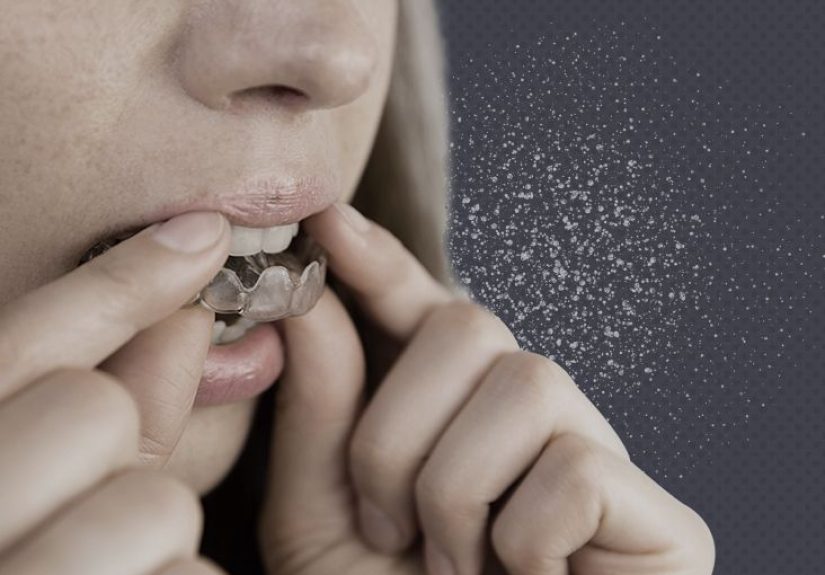
A mouth guard for grinding teeth (often called a night guard or dental splint)
can act like a tiny helmet for your enamelcreating a barrier so your upper and lower teeth don’t grind directly against
each other. But which kind should you pick, and when is it time to stop DIY-ing and see a dentist? Let’s break it down
in plain English (with just a dash of humorbecause if you can’t laugh at your jaw’s dramatic nighttime performance,
what can you laugh at?).
What is bruxism (and why does it happen)?
Bruxism is clenching, grinding, or jaw-thrusting that can happen while you’re asleep or awake. Some people grind because
of stress or anxiety, some do it during intense concentration (hello, spreadsheets), and some have contributing factors
like certain medications, bite issues, or sleep disorders. Many people don’t know they grind until a dentist spots wear
patternsor a sleep partner reports “the soundtrack.”
Common signs you might be grinding your teeth
- Morning jaw soreness or tired facial muscles
- Headaches (often around the temples) when you wake up
- Tooth sensitivity or tooth pain with no obvious cause
- Flattened, chipped, cracked, or worn-down teeth
- Clicking, popping, or pain near the jaw joint (TMJ area)
- Indentations on your tongue or a “scalloped” tongue edge
- Broken fillings, crowns, or dental work that seems to fail too soon
What a mouth guard can (and can’t) do
A night guard’s main job is protection: it reduces tooth-to-tooth contact and helps spread out forces.
Many people also find it reduces jaw tension and morning symptoms. But here’s the key detail:
most mouth guards don’t “cure” bruxism. They’re more like a seatbeltsuper helpful when forces are
happening, but not a magic spell that stops the car from existing.
That said, mouth guards can be an excellent part of a bigger plan, especially when paired with addressing triggers
(stress, sleep quality, stimulants late in the day) and checking for related issues (like bite problems or possible
sleep apnea).
Mouth guard options for grinding teeth
There are three main categories: stock, boil-and-bite, and custom.
Each has a placekind of like coffee sizes. Sometimes you just need a small, sometimes you need a large, and sometimes
you need a custom order that feels weirdly personal.
| Type | Best for | Pros | Cons |
|---|---|---|---|
| Stock (ready-made) | Short-term “better than nothing” protection | Cheap, instant purchase | Bulky, poor fit, can be uncomfortable; may not protect well |
| Boil-and-bite | Light to moderate grinding; trial run | More adjustable than stock; affordable | Fit varies; can feel thick; may wear out faster |
| Custom (dentist-made or lab-made from impressions) | Frequent grinding, jaw pain, tooth wear, restorations | Best fit/comfort; tailored materials; better durability | Costs more; requires visit or impression kit |
1) Stock mouth guards (the “one-size-fits-most” gamble)
Stock guards come pre-formed. They’re often bulky, can trigger gag reflexes, and may not stay put. If you’re using this
type, think of it as a short-term experimentnot a long-term strategyespecially if you already have jaw pain or visible
tooth wear.
2) Boil-and-bite guards (the “DIY fit” option)
Boil-and-bite guards soften in hot water and then mold to your teeth when you bite down. They can be a reasonable entry
point for mild grinding or for people who want to test whether a guard helps morning symptoms. The fit can range from
“surprisingly decent” to “why is this shaped like a shoe?” depending on the product and technique.
If you try one, aim for a snug fit that doesn’t slide around. If it feels unstable, causes pain, or changes how your
bite feels during the day, stop using it and talk to a dentist.
3) Custom night guards (the “tailored suit” of tooth protection)
Custom guards are designed from a model of your teetheither made in a dental office or created by a lab using impressions
or a scan. This is often the most comfortable and protective option for frequent grinding, people with crowns/fillings,
or anyone with ongoing jaw symptoms.
Soft vs hard vs hybrid: which material is right?
Night guards aren’t all the same texture. Dentists often choose a guard style based on your symptoms, how intense your
grinding is, and your bite.
Soft night guards
Soft guards feel cushiony and can be comfortable for light clenching. But for heavy grinders, soft materials may wear
down quicklyand for some people, a very soft guard can actually encourage more chewing or clenching (your jaw is a
strange little creature).
Hard (acrylic) night guards
Hard guards are more durable and are often used for moderate to severe grinding. They can also help stabilize the bite
surface. Some people find them less “cozy” at first, but many adapt quicklyespecially when the fit is precise.
Dual-laminate (hybrid) guards
These combine a softer inside layer (for comfort) with a harder outer layer (for durability). They’re a common middle
ground for people who want comfort but need better longevity than a fully soft guard.
How to choose a mouth guard for teeth grinding
Start with your symptoms (not the price tag)
- Mild, occasional clenching with no tooth damage: boil-and-bite can be a trial option.
- Frequent grinding, morning headaches, jaw soreness, or cracked dental work: custom guard is usually the smarter move.
- Jaw joint pain (TMJ/TMD symptoms) or bite changes: get evaluated before guessing.
Watch out for red flags with over-the-counter guards
A store-bought guard shouldn’t cause sharp pain, bleeding gums, or a bite that feels “off” the next day. If you notice
new tooth pain, jaw locking, or your teeth don’t come together normally after you remove the guard, that’s a sign to
stop and get professional advice.
Consider your dental history
If you have crowns, veneers, implants, orthodontic retainers, or ongoing dental work, it’s especially worth discussing
guard type with a dentist. Your goal is to protect your investmentbecause dentistry is not a hobby known for bargain
pricing.
When to see a dentist for grinding (don’t wait for a tooth to “announce itself”)
Some grinding is mild and may not need treatment beyond awareness and stress/sleep changes. But it’s time to see a dentist
if any of these are true:
Make an appointment if you have:
- Persistent jaw pain, facial soreness, or headaches
- Chipped, cracked, loose, or worn-down teeth
- Tooth sensitivity that’s new or worsening
- Broken fillings, crowns, or dental work
- Clicking, popping, locking, or limited opening of the jaw
- Ear pain/fullness that isn’t an ear infection (jaw issues can refer pain)
- Signs your sleep might be involved (loud snoring, choking/gasping, extreme daytime sleepiness)
Dentists can assess tooth wear patterns, look for cracks, check gum and bone health, and evaluate your bite. They may also
ask about stress, medications, and sleep qualityand they might recommend a medical evaluation if symptoms suggest a sleep
disorder.
What happens at the dentist (and why it’s worth it)
A bruxism check is usually straightforward. Expect questions about symptoms and habits, plus an exam of your teeth, jaw
muscles, and jaw joint area. If a custom guard is recommended, the dentist may take impressions or a digital scan, then
have a lab fabricate the guard to fit your bite.
You’ll also get guidance on fit, wear schedule, and follow-up. This matters because a poorly fitting guard can be
uncomfortableor in some cases, contribute to bite issues over time.
How to care for a night guard (so it doesn’t become a science project)
Daily basics
- Rinse after use and brush gently with a soft toothbrush.
- Use mild soap if needed; avoid harsh cleaners unless your dentist recommends them.
- Let it dry fully before storing to reduce odor and bacterial growth.
Weekly deep clean
- Use a cleaner recommended for dental appliances (ask your dentist what’s safe for your guard material).
- Avoid boiling water or high heatmany guards can warp.
Storage tips
- Keep it in a ventilated case.
- Keep it away from pets (dogs treat night guards like gourmet chew toys).
- Don’t leave it in a hot car or direct sun.
Other ways to reduce grinding (mouth guard + “why am I doing this?”)
A mouth guard protects teeth, but it’s also smart to address contributing factors:
Habits that often help
- Stress downshifts: relaxing bedtime routines, breathing exercises, journaling, gentle stretching
- Jaw awareness: during the day, rest your tongue on the roof of your mouth with teeth slightly apart
- Sleep hygiene: consistent sleep schedule, less late-night screen time, comfortable sleep environment
- Stimulant timing: watch late caffeine, nicotine, and alcohol if they worsen symptoms
When sleep problems may be part of the puzzle
If you grind and also snore loudly, wake up gasping, or feel exhausted despite “enough” sleep, talk to a healthcare
professional. Sometimes sleep bruxism is linked with other sleep issues, and treating the underlying sleep problem can
improve symptoms.
Special notes for kids and teens
Teeth grinding can be common in children and adolescents and may come and go. Still, it’s worth mentioning at regular
dental visitsespecially if your child has jaw pain, headaches, worn teeth, or sleep disruptions. A dentist can help you
figure out whether watchful waiting is reasonable or whether protection is needed.
FAQ: quick answers people actually want
Is a night guard the same as a sports mouthguard?
Not exactly. Sports mouthguards are designed to protect against impact injuries. Night guards are designed to protect
against grinding forces and fit differently. Some athletes who grind may need both (one for sleep, one for sports).
Can a mouth guard fix TMJ?
A guard may reduce strain and protect teeth, and some people feel symptom relief. But TMJ/TMD issues have multiple causes,
so it’s best to get evaluated rather than self-treating if you have significant jaw joint symptoms.
How long does a night guard last?
It depends on the material and how hard you grind. Soft guards may wear out faster; hard or hybrid guards often last
longer. If you see holes, cracks, warping, or a big change in fit, it’s time for a replacement or adjustment.
Real-world experiences: what people report (and what you can learn from it)
People’s experiences with grinding teeth and mouth guards tend to fall into a few familiar storylines. If any of these
sound like you, you’re in very good company.
The “I tried a cheap guard and… oops” experience
A common first move is grabbing a boil-and-bite guard from a pharmacy. Many people say the first night feels odd but
manageablethen they wake up drooling like they just won a hot-dog-eating contest. The bigger issue, though, is fit.
Some people report the guard feeling too thick, sliding around, or making their jaw feel tired. A few notice that their
teeth don’t meet the same way the next morning. That “off bite” feeling can be a sign the guard isn’t fitting properly
or is changing how your jaw closes. The takeaway: over-the-counter guards can be a useful trial, but if anything feels
painful, unstable, or bite-changing, it’s worth stopping and getting professional input.
The “custom guard = finally sleeping like a human” experience
Many people who switch to a custom night guard describe the biggest difference as comfort. Because it’s made to
match their bite, it often feels less bulky and stays in place. Some people say morning jaw soreness eases within a couple
of weeks, and headaches become less frequent. Others notice that while they still clench, their teeth feel less sensitive
and dental work stops “mysteriously” cracking. The pattern here is important: the guard doesn’t always stop the grinding,
but it can dramatically reduce the damage and symptoms that make mornings miserable.
The “my dentist found cracks I didn’t even feel” experience
Another frequent scenario: someone goes in for a routine cleaning, and their dentist points out flattened edges, tiny
enamel fractures, or wear marks. The person feels fineuntil they realize they’ve been ignoring subtle signs like chewing
fatigue or mild sensitivity. This is one reason dentists take bruxism seriously: tooth damage can build quietly, and
by the time pain shows up, the tooth may already be irritated or cracked. People in this category often describe the
visit as a reliefless “bad news” and more “oh, that explains everything.”
The “stress season” experience
Students during exams, professionals during deadlines, parents during life-in-generalmany people notice grinding spikes
during stressful seasons. Some report that nighttime clenching eases after a stressful period passes, especially if they
improve sleep habits and reduce late caffeine. Others discover that stress was only part of the story and that grinding
continues even when life calms down. The lesson: if your symptoms track closely with stress, stress-management strategies
can matter a lotbut you still want tooth protection during the rough patches.
The “surprise sleep connection” experience
Some people chase the problem as “just teeth” until a dentist or doctor asks about sleep: snoring, waking up tired, or
feeling sleepy during the day. A subset of people report improvement in grinding after addressing a sleep issue (like
evaluating possible sleep-disordered breathing) and improving sleep hygiene. Even without a formal sleep disorder, better
sleep routinesconsistent bedtime, less screen time, and winding downcan reduce the overall “arousal” your nervous system
carries into the night.
If there’s one shared theme across these experiences, it’s this: the best mouth guard is the one that fits well,
feels comfortable, and matches your situation. And if your teeth, jaw, or sleep are sending distress signals,
a dentist can help you connect the dots before the problem becomes louder (and more expensive).