Table of Contents >> Show >> Hide
- Step one: Know what kind of pain you’re treating
- Fast-relief strategies by body area
- MS nerve pain in the legs: burning, aching, cramps, and “restless lightning”
- MS nerve pain in the feet: “burning soles,” tight boots, and toe cramps
- MS nerve pain in arms and hands: tingling, shocks, and the “why does my sleeve hurt?” mystery
- MS-related back pain: nerves, spasms, posture, and the MS hug effect
- Medication options clinicians commonly use for MS nerve pain
- Gabapentin and pregabalin (gabapentinoids)
- SNRIs and TCAs (antidepressants used for nerve pain)
- Spasticity medications (when tight muscles are driving the pain)
- For shock-like or paroxysmal pains
- Topicals and targeted add-ons
- Where OTC pain relievers fit (and where they don’t)
- A quick safety reality check
- Non-drug remedies that often make the biggest difference over time
- Build your “trigger detective” system (because patterns are power)
- When to call your doctor (or seek urgent help)
- Real-life experiences: what MS nerve pain can feel like (and what people say helps)
- The takeaway
If you live with multiple sclerosis (MS), you already know pain has range. Some days it’s a whisper (“Is my sock seam plotting against me?”). Other days it’s a full Broadway production starring Burning Feet, Zappy Arms, and Back Spasm: The Musical.
MS nerve pain can show up in your legs, feet, arms, hands, back, or around your torso because MS can disrupt nerve signaling in the brain and spinal cord. When messages misfire, your body can interpret normal touch, temperature, or movement as painsometimes sharp and electric, sometimes hot and prickly, sometimes like you’re wearing boots made of sandpaper.
The good news: there are multiple ways to reduce MS-related nerve pain and “pain-adjacent chaos.” The best plan usually combines: (1) identifying what type of pain you’re dealing with, (2) using targeted medications when needed, and (3) building a toolbox of physical, lifestyle, and sensory strategies you can deploy quicklyespecially when pain pops up in specific areas like the legs, feet, arms, and back.
Important note: This article is educational and not a substitute for medical care. If pain is new, suddenly worse, or paired with red-flag symptoms (we’ll cover those), contact a clinician promptly.
Step one: Know what kind of pain you’re treating
MS pain isn’t one-size-fits-all. Treating the wrong type can feel like arguing with a smoke alarm by offering it a coupon. Here are the main categories that matter for legs, feet, arms, and back:
1) Neuropathic pain (true “nerve pain”)
This is pain caused by disrupted nerve signaling. People often describe it as burning, tingling, buzzing, pins-and-needles, “electric shocks,” stabbing, or a tight, unpleasant sensation. It can be constant or intermittent. Neuropathic pain often responds best to specific nerve-pain medications (not typical OTC pain relievers).
2) Spasticity-related pain (muscle tightness and spasms)
Spasticity is muscle stiffness or involuntary spasms. It can create aching, cramping, pulling, or tight painespecially in legs and back. It can also indirectly cause joint and tendon irritation because your muscles are basically “overachieving.” Spasticity often improves with stretching, physical therapy, and antispasticity medications.
3) Musculoskeletal pain (the “compensation tax”)
If walking patterns change (due to weakness, balance issues, foot drop, or fatigue), the body compensates. Over time, you can end up with back pain, hip pain, knee strain, and foot painmore mechanical than neurological. This type often improves with posture work, gait evaluation, strengthening, braces/orthotics, and ergonomic changes.
4) Paroxysmal pain (sudden “zingers”)
These are brief, intense episodes: electric shock sensations (like Lhermitte’s sign), sudden spasms, or shock-like pains that come and go quickly. Because they’re “fast and fierce,” they often respond to specific medications and trigger management (fatigue, stress, temperature changes can matter a lot).
5) The “MS hug” (torso banding that can radiate to the back)
The MS hug is a squeezing or tight band-like sensation around the ribs, chest, or abdomen. It can feel like pressure, burning, or stabbing, and can be triggered by stress, fatigue, temperature shifts, or tight clothing. Even though it’s torso-focused, it often involves the back and can change how you breathe or movemaking back pain worse.
Fast-relief strategies by body area
Let’s get practical. Below are targeted remedies for legs, feet, arms/hands, and backorganized into “right now” options and longer-term solutions. Mix and match based on your pain type.
MS nerve pain in the legs: burning, aching, cramps, and “restless lightning”
Common patterns: burning along the thighs or calves, tingling, deep aching, sudden spasms, or painful limb stiffness (often worse at night or after activity).
Right now (10–20 minutes):
- Reset the nervous system with temperaturecarefully. Try a cool pack wrapped in cloth on the painful area for 5–10 minutes. If cold makes you worse, try gentle warmth instead. Your goal is “comfort,” not “cooking.”
- Slow calf-to-hip stretch sequence. Gentle stretching can reduce spasticity-driven pain. Go slowlyfast stretching can trigger spasms.
- Counter-pressure for dysesthesia. Some people find that light compression (soft leggings, a gentle wrap) turns “burning” into “pressure,” which the brain tolerates better. If compression worsens symptoms, skip it.
- Change the input. If your legs hate your sheets at night, try a sheet lifter, silky fabric, or a different texture so nerves aren’t constantly “arguing” with touch.
Longer-term (daily/weekly):
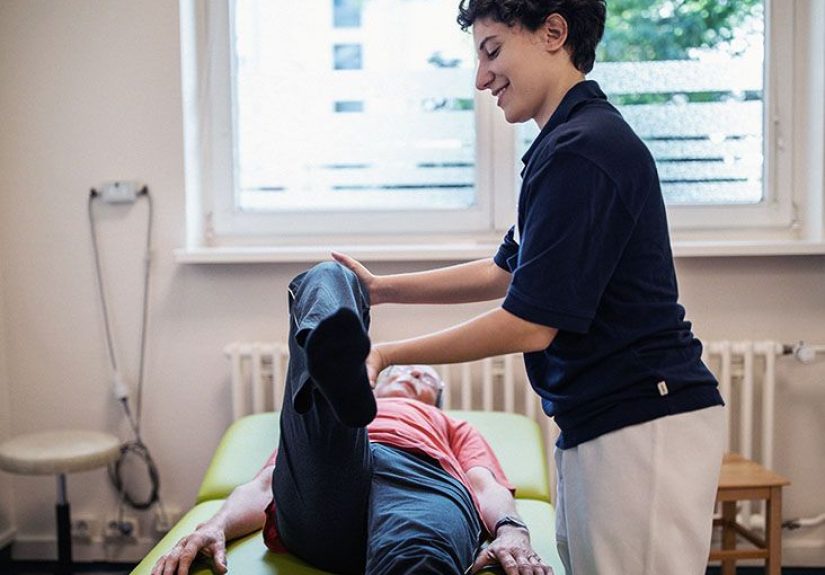
- Physical therapy for gait + spasticity. If your walking pattern is off, back and leg pain often follow. A PT can check hip strength, ankle mobility, and whether an AFO (brace) could reduce strain.
- Strength + pacing. Gentle strengthening (especially glutes/hips) plus rest breaks can reduce the “compensation tax” that shows up as leg/back pain.
- Medication tune-up with your clinician. If nerve pain is constant or sleep-disrupting, it may be time to discuss nerve-pain medications or spasticity meds (details below).
Quick example: If your calves burn at night and light touch feels unbearable, that points toward neuropathic pain/dysesthesia. A plan might include a cooling strategy, texture changes for bedding, and discussing a gabapentinoid or SNRI with your clinicianrather than relying on ibuprofen alone.
MS nerve pain in the feet: “burning soles,” tight boots, and toe cramps
Common patterns: burning feet, pins-and-needles, numbness with pain, cramps in toes, and the sensation of wearing tight shoes even when barefoot. Heat sensitivity can make feet flare up, while cold can trigger zingers for others.
Right now:
- Foot “sensory swap.” Alternate stimuli: a cool towel, then a soft textured cloth, then rest. The idea is to give nerves different information so they stop fixating on pain.
- Check the obvious enemies. Tight shoes, hard insoles, and scratchy socks can turn mild dysesthesia into a full meltdown. Try seamless socks and roomier footwear.
- Night flare plan. If feet burn in bed, elevate slightly, keep the room cool, and avoid heavy blankets touching the feet (sheet lifters can help).
Longer-term:
- Footwear and orthotics. If balance or foot drop is present, supportive shoes and/or braces can reduce strain that contributes to foot and back pain.
- Rule out non-MS contributors. Not all foot nerve pain is MS. Diabetes, vitamin deficiencies, and nerve entrapment can coexist. If foot symptoms change suddenly or are one-sided, tell your clinician.
- Topicals can be worth a trial. Lidocaine or capsaicin products sometimes help certain neuropathic pain patterns (ask your clinician about safe use, especially if you have numbness or skin sensitivity).
Quick example: If your feet feel like they’re on a hot sidewalk when they’re not, consider neuropathic pain strategies: temperature management, sock/shoe changes, and discussing first-line neuropathic pain medications rather than “more stretching” alone.
MS nerve pain in arms and hands: tingling, shocks, and the “why does my sleeve hurt?” mystery
Common patterns: burning or prickling in hands/forearms, painful sensitivity to fabric, shock-like sensations, and cramping from spasticity. Neck issues can also contribute (especially with electric sensations down the spine/arms).
Right now:
- Gentle nerve-friendly movement. Light range-of-motion and slow hand open/close cycles can reduce spasm-driven pain without overloading the system.
- Fabric audit. If your sleeve feels like sandpaper, switch to softer, looser textures. Sensory pain often improves when you remove “annoying input.”
- Neck position check. If bending the neck triggers shock-like pain down the arms/back, avoid repeated neck flexion and mention it to your clinician (it may fit Lhermitte-type patterns).
Longer-term:
- Occupational therapy (OT) for hands. OT can help with splints, joint protection, adaptive tools, and strategies that reduce overuse pain.
- Workstation ergonomics. Wrist angle, keyboard height, and mouse grip matter. Small changes can cut a lot of background irritation.
- Medication options (neuropathic pain meds or spasticity meds) if symptoms are frequent, sleep-disrupting, or function-limiting.
MS-related back pain: nerves, spasms, posture, and the MS hug effect
Common patterns: low back pain from altered gait/weak core muscles, mid-back tightness from spasticity, back pain that flares during MS hug episodes, or sharp pains linked to nerve signaling changes.
Right now:
- Unclench the ribcage. If you suspect an MS hug, loosen clothing, try controlled breathing, and consider gentle heat or cold depending on what helps you. Some people find light counter-pressure comforting; others prefer loose clothing.
- Supported positioning. A pillow under knees (on your back) or between knees (side-lying) can reduce back strain and calm spasms.
- Micro-movement. Short, gentle walks or standing posture resets (30–90 seconds) can help if pain is partly mechanicalunless movement clearly worsens neuropathic pain.
Longer-term:
- PT evaluation for core + gait. Back pain is often downstream of hip weakness, foot drop, or balance changes. Fix the “upstream” problem and the back often calms down.
- Spasticity management. If back tightness feels like constant muscle gripping, ask about spasticity-specific treatments (stretching plans, medications, and in select cases, injections or pump therapy).
- Check assistive devices. A cane or walker used at the wrong height can create shoulder and back pain. A PT can adjust it properly.
Medication options clinicians commonly use for MS nerve pain
Medication choices depend on pain type, location, and side-effect tolerance. MS nerve pain often doesn’t respond well to standard OTC pain relievers alone because it’s not primarily inflammatory painit’s misfiring nerve signals. That doesn’t mean OTC options are useless; it means they’re not always the main event.
Gabapentin and pregabalin (gabapentinoids)
These are commonly used first-line options for neuropathic pain. They may help burning, tingling, and shooting pains in legs, feet, or arms. Clinicians often start low and increase gradually to reduce side effects like sleepiness, dizziness, and brain fog. Timing doses at night can help if pain disrupts sleep.
SNRIs and TCAs (antidepressants used for nerve pain)
Medications like duloxetine (an SNRI) and low-dose amitriptyline or nortriptyline (TCAs) are also commonly used for neuropathic pain. They can be especially helpful if pain and mood/sleep are tangled together (which is extremely commonpain is persuasive like that).
Spasticity medications (when tight muscles are driving the pain)
If pain is strongly linked to stiffness, cramps, or spasmsespecially in legs and backmedications such as baclofen or tizanidine may reduce spasticity and improve comfort. These can also cause sleepiness or weakness in some people, so clinicians individualize dosing carefully.
For shock-like or paroxysmal pains
Some sudden, intense pain syndromes in MS (like trigeminal neuralgia or other brief “zingers”) may respond to specific anticonvulsants such as carbamazepine or oxcarbazepine under medical supervision. If you have new electric-shock sensations down the spine/limbs, tell your clinicianespecially if it changes your walking or balance.
Topicals and targeted add-ons
Depending on the pattern and location, clinicians may suggest topical options like lidocaine or capsaicin for localized neuropathic pain. These can be useful when pain is focal (for example, a stubborn patch on the foot or a specific area of the arm), though they’re not perfect for widespread symptoms.
Where OTC pain relievers fit (and where they don’t)
Acetaminophen or NSAIDs may help when pain is musculoskeletal (strain, posture, joint irritation) or when spasms have caused soreness. But for classic neuropathic burning or electric sensations, OTC meds often provide limited reliefso don’t blame yourself if ibuprofen doesn’t “fix” misfiring nerves.
A quick safety reality check
Many nerve-pain and spasticity medications can cause drowsiness, dizziness, or balance issuesespecially when starting or increasing doses. That matters for fall risk, driving, and work. Always follow your clinician’s instructions, avoid mixing with alcohol unless cleared, and report side effects early so doses can be adjusted.
Non-drug remedies that often make the biggest difference over time
Medications can be essential, but the “best results” plan usually includes non-drug strategies toobecause MS nerve pain is influenced by temperature, sleep, stress, movement patterns, and sensory input. (Yes, your nervous system is dramatic. We’re working with it, not against it.)
Physical therapy: the unsung hero for legs and back
PT can help address spasticity, weakness, balance, and gait changes that contribute to leg and back pain. A good PT can also design a stretching routine that reduces spasms without triggering them, plus strengthening that supports joints and lowers mechanical strain.
Occupational therapy: hand and arm pain’s best friend
OT can help with hand function, splints, adaptive tools, pacing strategies, and ergonomics. If arm/hand pain is worsened by daily tasks (typing, cooking, gripping), OT can often reduce flare-ups by changing how you do tasksnot just telling you to “do less.”
TENS and gentle neuromodulation
TENS (transcutaneous electrical nerve stimulation) is used by some people for pain modulation. It doesn’t work for everyone, but it’s relatively low-risk when used properly and can be a helpful toolparticularly for musculoskeletal pain or mixed pain patterns. Ask a clinician or PT to guide safe placement and settings.
Mind-body tools (not “it’s all in your head,” but “your head is on your team”)
Stress and fatigue can amplify pain. Practices like mindfulness, meditation, paced breathing, and cognitive behavioral therapy (CBT) can reduce pain intensity and improve coping. These aren’t magic spells; they’re nervous-system training. Even small improvements in sleep and stress response can noticeably reduce flare frequency for some people.
Heat, cold, and the art of not overdoing it
Some people find warmth relaxes muscles and calms spasticity. Others find heat worsens neuropathic pain or MS symptoms. The key is experimenting safely: brief trials, moderate temperatures, and paying attention to what your body actually doesrather than what you wish it would do.
Acupuncture and massage
Some people report symptom relief from acupuncture and massage for pain and muscle tightness. These approaches may be most useful as part of a broader plan that also addresses movement patterns, spasticity, and sleep.
Build your “trigger detective” system (because patterns are power)
MS nerve pain often has triggers. You don’t need a 12-tab spreadsheet (unless that sparks joy), but a simple note on your phone can reveal patterns like:
- Temperature changes: cold snaps or overheating
- Fatigue: pain rising when your “battery” is low
- Stress: tight deadlines, conflict, or even exciting events
- Illness or inflammation: infections can worsen neurological symptoms
- Clothing pressure or textures: seams, tight socks, bras, waistbands
- Activity spikes: doing “all the things” on a good day
Try this simple approach for two weeks: record (1) where the pain is, (2) what it feels like, (3) what happened in the 24 hours before it (sleep, stress, temperature, activity), and (4) what helped. You’re not hunting perfectionyou’re hunting repeatable wins.
When to call your doctor (or seek urgent help)
Contact a clinician promptly if you have:
- New or rapidly worsening pain with new weakness, falls, or major balance changes
- New bowel or bladder changes (especially retention or incontinence that’s sudden)
- Severe back pain with fever, significant new numbness, or symptoms after injury
- Chest tightness that could be confused with heart/lung problemsdon’t assume it’s “just MS”
- Side effects from medications (severe dizziness, confusion, fainting, rash)
Also contact your MS care team if pain is disrupting sleep, work, mobility, or mood. Pain management is a legitimate part of MS carenot an optional side quest.
Real-life experiences: what MS nerve pain can feel like (and what people say helps)
(This section is based on commonly reported patient experiences and clinical guidance, not a substitute for personalized medical advice.)
Experience #1: “My feet are lava… but only at night.”
Many people describe burning feet that intensify when they finally lie downwhen the world gets quiet and the nervous system decides it’s time for its nightly monologue. A common theme is that light touch becomes the enemy: sheets feel abrasive, socks feel like sandpaper, and even air movement can be irritating. People often report relief from simple environmental changes: cooling the room, using lighter bedding, elevating the feet slightly, and experimenting with fabric textures. Some switch to seamless socks or keep feet uncovered with a sheet lifter. Others find that a brief cool compress (wrapped, not freezing) helps “turn the volume down.” When the pattern is persistent and sleep is impacted, people often say that the biggest improvement came from working with a clinician to find the right neuropathic pain medication doseusually starting low and adjusting gradually so side effects don’t steal the show.
Experience #2: “My legs feel tight and jumpy like they’re arguing with gravity.”
When spasticity drives pain, people often describe a tight, pulling ache, cramps, or sudden spasmsespecially after sitting too long or after a busy day. Many say their best tool wasn’t one single thing, but a routine: short stretching sessions (morning and evening), hydration and electrolyte awareness (as advised by their clinician), and pacing activity so the legs don’t go from “nothing” to “marathon.” People frequently report that physical therapy helped them learn the difference between “good stretch” and “oops, now my muscle is angry.” Some find that heat helps spasticity, while others do better with gentle movement and a neutral temperature. If spasms interrupt walking or sleep, people often say it was worth discussing spasticity medication options, because untreated spasticity can cascade into back pain, hip pain, and fatigue.
Experience #3: “My arm hurts… because my shirt touched it.”
Dysesthesia can make normal sensation feel painful. People describe sleeves that sting, bracelets that feel unbearable, or a hand that can’t tolerate certain textures. A common coping approach is the “sensory swap”: replacing irritating input with more tolerable input. For example, switching fabrics, choosing looser clothing, using soft gloves for short periods, or changing how they grip tools. Some people keep a small “comfort kit” (soft wrap, lotion, a cool pack) because flare-ups can be unpredictable. Those who work at a computer often notice that wrist position, mouse grip, and keyboard height can make arm pain worseso ergonomic adjustments become a surprisingly powerful remedy. When symptoms match neuropathic patterns, people frequently report benefit from a medication plan plus OT strategies that reduce overuse.
Experience #4: “Back pain is my MS side character that refuses to leave.”
Back pain in MS is often a blend of mechanical strain and muscle tightnessespecially when walking patterns change. People commonly report that their back improved most when they addressed the upstream issues: foot drop support, hip strengthening, balance work, and assistive device adjustments. Small changeslike properly fitting a cane/walker, using supportive shoes, or learning safer transferscan reduce daily strain. For MS hug episodes, people often say they learned personal triggers (stress, fatigue, illness, tight clothing) and created a flare plan: loosen clothing, practice paced breathing, use gentle temperature therapy, and rest in a supported position. Many also say the emotional part mattered: once they stopped panic-spiraling (“Is this something worse?”) and started tracking triggers and responses, episodes felt more manageableeven if they didn’t vanish entirely.
Experience #5: “The best remedy was a plan, not a miracle.”
Across many stories, the most consistent theme is that improvement usually comes from layering strategies. People often describe building a personalized toolbox: a medication that reduces baseline pain, daily stretching to reduce spasticity, movement routines that protect joints, and quick interventions (cool pack, fabric changes, breathing drills) for flare-ups. They also describe learning that pain management is not “giving up”it’s reclaiming bandwidth for life. And yes, there are still bad days. But a good plan turns bad days from “I’m trapped” into “I’ve seen this before, and I know what to try first.”
The takeaway
MS nerve pain in the legs, feet, arms, and back can be intensebut it’s often treatable with a well-matched plan. Start by identifying the pain type (neuropathic vs spasticity vs musculoskeletal), then combine targeted therapies: clinician-guided medications when appropriate, plus PT/OT, sensory adjustments, trigger tracking, and sleep/stress support. The goal isn’t to “tough it out.” The goal is to reduce pain’s influence so you can spend more time living and less time negotiating with your socks.