Table of Contents >> Show >> Hide
- Why Low Spice Tolerance Is So Funny Online
- The Science Behind Spice Tolerance
- Why Some “Non-Spicy” Foods Feel Spicy
- The Best Online Examples of Low Spice Tolerance
- Spice Tolerance Is Cultural, Not Universal
- How to Handle Spicy Food When Your Tolerance Is Low
- When “Spice Sensitivity” Might Be Something Else
- Why We Laugh, But Should Still Be Kind
- Bonus: Experiences Related to Living With the Lowest Spice Tolerance
- Conclusion
Some people can bite into a ghost pepper and calmly describe “notes of citrus.” Others take one suspicious look at ranch dressing and ask if the chef has declared war. Somewhere between those two groups lives one of the internet’s most reliable comedy genres: stories of people with the lowest spice tolerance imaginable.
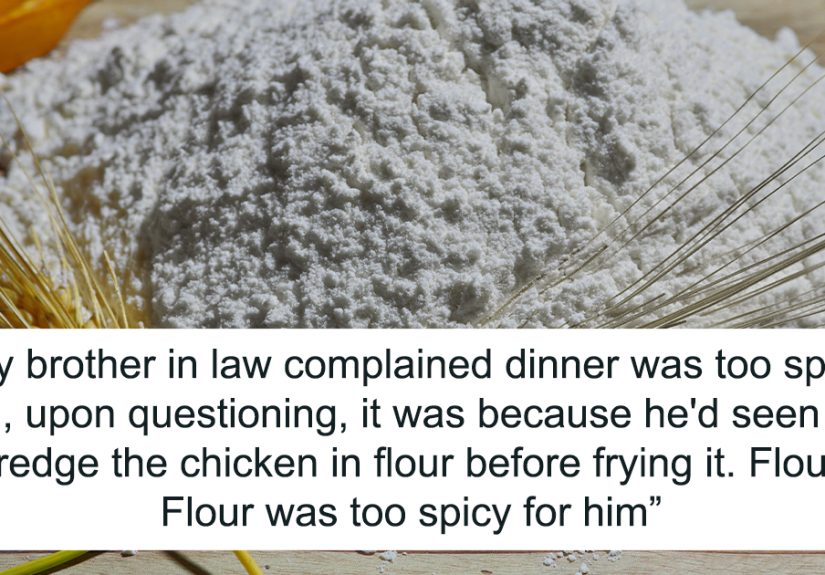
An online discussion about low spice tolerance recently made readers laugh because the examples were not about Carolina Reapers, flaming hot wings, or sauces with skulls on the label. They were about everyday foods being accused of “spiciness” like they were secretly carrying tiny pepper grenades. Salt and pepper fries. Lemon-herb chicken. Hummus. Onions. Sprite. Toothpaste. The kind of foods that most people would not place anywhere near the danger zone unless the danger zone was printed on a toddler’s placemat.
But the funniest part is that low spice tolerance is not always simple weakness, drama, or picky eating. Spice is chemistry, culture, memory, biology, and expectation all piled onto one fork. Capsaicin, the compound that gives chili peppers their heat, activates pain and heat-sensing receptors rather than traditional taste buds. In other words, spicy food does not merely “taste hot”; your nervous system is being handed a tiny false fire alarm. Some people shrug. Some sweat. Some negotiate with a glass of milk like it is a rescue helicopter.
Why Low Spice Tolerance Is So Funny Online
Low spice tolerance stories work because they reverse expectations. If someone says a ghost pepper sauce is too hot, that is not a story; that is basic survival. But when someone says black pepper is “aggressive,” Greek yogurt is “spicy,” or plain sausage has “too much heat,” the comedy writes itself.
Many of the shared stories follow the same pattern: a person complains that a dish is unbearably spicy, then everyone else discovers the “culprit” is not chili at all. One person recalled a relative reacting dramatically to the smell of chili before even tasting anything. Another described someone finding ranch dressing too fiery. A parent reported a child calling Sprite spicy, which is almost poetic if you remember how carbonation can sting. Someone else said a kid judged onions as spicy, while another person’s family member objected to herbs in stew as though thyme had been training in martial arts.
The Science Behind Spice Tolerance
Spicy food feels hot because capsaicin binds to TRPV1 receptors, which are involved in detecting heat and pain. That is why a chili pepper can make your mouth feel like it is standing too close to a campfire even though the food itself is not literally burning you. The Scoville scale, created by American pharmacist Wilbur Scoville, measures pepper heat based on capsaicinoid concentration, which explains why a jalapeño and a Carolina Reaper live in completely different emotional zip codes.
People vary widely in how they experience that burn. Genetics, repeated exposure, cultural background, age, food memories, and even anxiety around new foods can all shape spice tolerance. Someone who grew up eating chili crisp, hot sauce, curries, and pepper-heavy stews may treat mild salsa as a warm handshake. Someone who grew up with blander meals may experience the same salsa as a personal betrayal.
Can You Build Spice Tolerance?
For many people, yes. Repeated exposure to capsaicin can make the sensation feel less shocking over time. This does not mean everyone needs to start training for the Hot Sauce Olympics. It simply means that a person who begins with mild pepper flakes, then moves to jalapeño, then tries stronger sauces may gradually feel more comfortable.
The key word is gradually. Pouring extreme hot sauce onto dinner to “toughen up” is not brave; it is how you turn taco night into a medical documentary. Spice tolerance works best when it grows through small, enjoyable steps. A dash of chili oil in soup, mild salsa with tacos, or a few red pepper flakes in pasta can help the palate adjust without causing regret, panic, or emergency ice cream consumption.
Why Some “Non-Spicy” Foods Feel Spicy
One reason these online stories are so funny is that people often use “spicy” as a catch-all word for any strong sensation in the mouth. Children especially may call anything sharp, fizzy, sour, minty, bitter, or tangy “spicy” because they do not yet have a full vocabulary for food sensations.
That explains why Greek yogurt, lemon juice, onions, mustard, vinegar, toothpaste, and carbonated soda can get accused of spiciness. They are not spicy in the chili-pepper sense, but they do create a noticeable mouthfeel. Carbonation prickles. Mint tingles. Raw onions bite. Acidic foods can sting. Black pepper has its own type of pungency from piperine, which is different from capsaicin but still capable of making sensitive eaters suspicious.
The Best Online Examples of Low Spice Tolerance
The viral appeal of the online group comes from how oddly specific the examples are. These are not polished stand-up jokes. They feel like little family legends that have survived because everyone at the table still brings them up years later.
1. “Salt and Pepper Was Too Much”
Few phrases unite the internet like someone calling ordinary salt-and-pepper fries too spicy. Salt is not spicy, and black pepper is generally considered a mild seasoning in American kitchens. Still, for people with very sensitive palates, even pepper’s earthy bite can feel intense. Is it scientifically the same as chili heat? No. Is it hilarious at dinner? Absolutely.
2. “Ranch Dressing Burned My Tongue”
Ranch dressing is usually the thing people use to escape spice, not the thing they need escaping from. But depending on the recipe, ranch can contain garlic, onion powder, black pepper, herbs, and acidity. To a sensitive eater, that combination may feel sharper than expected. To everyone else, it sounds like calling a pillow “too crunchy.”
3. “Lemon-Herb Chicken Was Too Fiery”
Lemon-herb chicken is often the mild option on menus, especially in restaurants known for hotter sauces. Yet acidity can be intense. If someone confuses tang with heat, a lemony dish may register as spicy even without chili. The lemon did not bring a flamethrower; it just arrived with confidence.
4. “Hummus Had a Tingle”
Hummus can include garlic, lemon juice, tahini, cumin, and olive oil. None of that makes it a hot food in the usual sense, but fresh garlic can bite and lemon can sting. A person calling hummus spicy may simply be noticing sharp flavors that others filter out.
5. “Sprite Was Spicy”
This one is secretly understandable. Carbonated drinks can create a prickly, burning sensation because bubbles stimulate nerves in the mouth and nose. To a child, “spicy” may be the closest available word. To adults online, it is comedy gold.
Spice Tolerance Is Cultural, Not Universal
In the United States, spice expectations vary dramatically by region, household, and cuisine. A “mild” dish in one family may be “why is my forehead raining?” in another. Tex-Mex salsa, Nashville hot chicken, Cajun seasoning, Korean gochujang, Thai curries, Indian pickles, and Mexican chile sauces all train the palate differently.
This is why internet debates about spice often go sideways. A person from a chili-loving household may hear “mild salsa is too spicy” and assume exaggeration. But food tolerance is personal. What matters is not winning a spice argument; it is making food enjoyable for the person eating it. Nobody gets a trophy for suffering through dinner while pretending their soul has not left the room.
How to Handle Spicy Food When Your Tolerance Is Low
If you have low spice tolerance, you do not need to apologize for it. You also do not need to live forever in the land of unseasoned chicken. The goal is flavor, not punishment.
Start With Flavor Before Heat
Use herbs, citrus, roasted garlic, caramelized onions, smoked paprika, cumin, basil, oregano, ginger, and mild curry powders to build depth without setting off alarms. Many people confuse “spicy” with “flavorful,” but the two are not the same. A dish can be rich, aromatic, and exciting without making your lips vibrate.
Choose Creamy or Starchy Backup
Dairy products can help calm chili heat because casein proteins bind with capsaicin and help wash it away. Rice, bread, tortillas, potatoes, and noodles can also dilute the burn. Water may feel refreshing for two seconds, but capsaicin is oily, so water often just moves the heat around like a bad office rumor.
Ask for Sauce on the Side
This is the most underrated restaurant strategy. Ordering sauce on the side lets you control the experience. You can add a tiny amount, taste, then decide whether to proceed bravely or retreat with dignity.
When “Spice Sensitivity” Might Be Something Else
Most low spice tolerance is harmless, but it is worth paying attention to unusual reactions. Burning from chili is expected. Swelling, hives, trouble breathing, repeated vomiting, or severe stomach pain are not normal spice reactions and may point to allergies, reflux, irritation, or another medical issue. A person who thinks “salsa always makes my lips swell” should not simply call themselves weak and move on. That is a good reason to speak with a health professional.
Spicy foods can also trigger heartburn or digestive discomfort in some people. That does not mean spicy food is bad for everyone. It means bodies are not identical, which is inconvenient for group dinner planning but excellent for keeping the internet supplied with stories.
Why We Laugh, But Should Still Be Kind
The funniest low spice tolerance stories are affectionate, not cruel. There is a difference between laughing at a family member who calls Sprite spicy and pressuring them to eat a hot wing that looks like it was forged underground. Food should be social, playful, and welcoming. It should not become a test of masculinity, toughness, cultural authenticity, or pain tolerance.
Also, spicy food fans have their own funny habits. They say things like “it’s not that hot” while sweating through their eyebrows. They keep bottles of hot sauce with names like “Volcanic Regret” in the fridge. They insist they are fine while silently calculating the distance to the nearest gallon of milk. Everyone is ridiculous somewhere on the spice spectrum.
Bonus: Experiences Related to Living With the Lowest Spice Tolerance
Living with low spice tolerance can feel like being the designated cautious person in a world full of sauce enthusiasts. You learn to scan menus carefully. Words like “zesty,” “kick,” “bold,” “fire-roasted,” and “signature sauce” become tiny red flags. When a server says, “It’s not spicy,” you immediately wonder, “Not spicy for whom? A normal person, or someone who snacks on jalapeños like grapes?”
One common experience is the family dinner misunderstanding. Someone cooks a meal and proudly says, “I barely added any spice.” Then you take one bite and feel your face initiate emergency procedures. The cook insists it is mild. You insist your mouth has entered a legal dispute. Both of you may be telling the truth because spice is subjective. Their “barely” may be your “why do I hear boss music?”
Another experience is the restaurant gamble. You order the mildest curry, the mild salsa, the lemon-herb chicken, or the plain wings. You think you are safe. Then the food arrives with one mysterious orange streak across the plate, and suddenly you are interviewing the dish like a detective. Is that paprika? Hot sauce? Chili oil? A decorative threat? Low-spice eaters know the quiet panic of trying to identify danger before the first bite.
There is also the social pressure. Friends who love spicy food often want everyone else to join the adventure. They say, “Just try a little,” which can mean anything from “a harmless dot of sauce” to “this was banned in three counties.” A good friend respects the limit. A chaotic friend waits with a phone camera. Choose your dining companions wisely.
Low spice tolerance can even shape cooking habits. Many sensitive eaters become excellent at layering non-hot flavors. They use roasted vegetables, butter, herbs, citrus zest, garlic in gentle amounts, mild cheeses, broths, mushrooms, and slow-cooked onions to make food taste full without heat. They may not be chasing Scoville units, but they often understand balance better than people who solve every bland dish by attacking it with hot sauce.
And yes, there is personal comedy in it. Maybe you once called pepperoni “a little spicy.” Maybe mint toothpaste made you tear up as a kid. Maybe you needed a drink after eating barbecue chips. Maybe you have asked whether the “mild” salsa is mild-mild or restaurant-mild, which is an entirely different legal category. These moments are funny because they are human. Taste is not a scoreboard; it is a personal map.
The best approach is to own it. Say, “I have a low spice tolerance, but I like flavor.” Ask questions. Keep dairy nearby. Try tiny amounts when you feel curious. Skip the heat when you do not. The internet may laugh at the stories, but it also proves something comforting: almost everyone has a food quirk that sounds absurd to someone else. Today it is Sprite being spicy. Tomorrow it may be someone claiming cilantro tastes like soap, blue cheese tastes like a haunted basement, or sparkling water tastes like television static.
Conclusion
These 28 low spice tolerance stories are funny because they turn ordinary foods into dramatic villains. But behind the laughter is a real reminder: spice tolerance is deeply personal. Biology, culture, exposure, vocabulary, and food memories all affect how people experience heat, tang, fizz, bite, and burn. Some people chase the hottest pepper on earth; others are emotionally challenged by black pepper. Both groups deserve dinner.
So the next time someone says ranch is spicy, laugh gently, pass the milk, and remember that the food world is big enough for chili daredevils and plain-noodle loyalists alike. After all, the internet would be a much less entertaining place if everyone had the same tongue.
Note: Factual background in this article was synthesized from reputable food-science, medical, and culinary sources covering capsaicin, TRPV1 receptors, Scoville heat units, dairy/casein relief, heartburn triggers, and online spice-tolerance anecdotes. Key references include Cleveland Clinic, Smithsonian Magazine, Scientific American, Britannica, Poison Control, Mayo Clinic, Houston Methodist, Penn Today, the American Chemical Society, Ohio State Health, and Bored Panda.