Table of Contents >> Show >> Hide
- What counts as a perishable food?
- Why perishables spoil (and why your fridge is the main character)
- The golden rules for storing perishable foods
- Where things belong in the fridge (because placement matters)
- How to store perishables by category (with specific examples)
- Safe thawing, reheating, and handling (don’t let the last step ruin everything)
- Food dates, food waste, and when to toss something
- Power outages and travel: keeping perishables safe when life happens
- Quick perishable storage checklist
- Conclusion: Perishables don’t need perfectionjust a plan
- Real-life experiences with perishables (the “I learned this the hard way” section)
Perishable foods are the divas of your kitchen: talented, delicious, and absolutely not interested in “winging it” on the counter for six hours.
Store them wrong and they’ll spoil fastor worse, become unsafe. Store them right and you’ll save money, waste less food, and avoid that mysterious
fridge odor that haunts your dreams.
This guide breaks down what counts as perishable, why these foods go bad, and exactly how to store them (with practical examples and a few reality-based
“oops” moments). The goal: keep your food fresh longer and keep your household out of the food-poisoning penalty box.
What counts as a perishable food?
A perishable food is one that’s likely to spoil, decay, or become unsafe to eat if it isn’t kept coldgenerally refrigerated at
40°F (4°C) or below or frozen at 0°F (-18°C) or below. That includes many foods we love daily: meat, dairy, eggs,
cooked leftovers, and lots of produce (especially once it’s cut).
Perishable vs. semi-perishable vs. shelf-stable
Not all foods are equally needy. Understanding the categories helps you decide what must go into the fridge now, what can sit out briefly, and what’s
happy in the pantry.
- Perishable: Needs cold storage quickly and has a short safe window once opened or cooked (raw chicken, milk, deli turkey, leftover pasta).
-
Semi-perishable: Lasts longer than true perishables but still has limits (some breads, potatoes, onions, whole squash). Many of these
are about quality first, safety seconduntil they’re cut or cooked. - Shelf-stable (non-perishable): Safe at room temp until opened (unopened canned goods, many boxed items, unopened peanut butter, dry pasta).
Common examples of perishable foods
Here’s a quick “yes, this is perishable” checklist. If it fits, treat it like it’s on a tight schedule.
- Meat & poultry: raw or cooked (beef, chicken, turkey, ground meat, bacon)
- Seafood: fish, shrimp, shellfish (raw or cooked)
- Dairy: milk, cream, yogurt, soft cheeses, many shredded cheeses once opened
- Eggs: especially cracked eggs or egg dishes (quiche, casseroles)
- Cooked foods & leftovers: soups, rice, pasta, cooked beans, casseroles, pizza (yes, pizza)
- Ready-to-eat refrigerated items: deli meats, prepared salads, cut fruit, meal kits
- Cut produce: sliced melon, chopped onions, bagged salad greens after opening
Why perishables spoil (and why your fridge is the main character)
Spoilage happens for a few big reasons: microbes, enzymes, oxygen, and moisture. Some of it is “gross but mostly harmless” (like food tasting stale),
and some of it can be “gross and makes you sick.” The tricky part? You can’t always smell or see dangerous bacteria.
The temperature “danger zone”
Many foodborne bacteria multiply fastest between 40°F and 140°Foften called the danger zone. That’s why cooling quickly
and keeping your fridge cold matters so much. If you’ve ever thought, “It’s only been out a little while,” just know bacteria love “a little while.”
Time and cross-contamination: the two sneaky problems
Two storage issues cause most perishable-food mishaps:
-
Time at room temperature: leaving groceries in the car, forgetting leftovers on the stove, or letting a party platter sit out “until people
are done grazing” (spoiler: people are never done grazing). -
Cross-contamination: raw meat juices dripping onto ready-to-eat food, or using the same cutting board for chicken and salad without washing.
Your salad should not have a “bonus feature.”
The golden rules for storing perishable foods
Rule 1: Keep cold foods coldverify, don’t guess
Set your refrigerator to 40°F (4°C) or below and your freezer to 0°F (-18°C) or below. Use an appliance thermometer if
you don’t have built-in temperature readings (or if your fridge display is the “optimistic type”).
Rule 2: Follow the 2-hour rule (and the 1-hour rule when it’s hot)
Refrigerate perishables within 2 hours of cooking or buying them. If the temperature is above 90°F (think: a hot car,
summer picnic, or a steamy kitchen during a cooking marathon), shorten that to 1 hour.
Practical example: If you buy chicken, milk, and frozen veggies, don’t do five more errands unless you’ve got a cooler. Perishables should go home first,
not on a city tour.
Rule 3: Store raw animal foods below ready-to-eat foods
In the fridge, gravity always wins. Put raw meat, poultry, and seafood on the lowest shelf (or in a leak-proof container) so juices can’t
drip onto produce, leftovers, or your coworker’s birthday cake you promised to store “just for a minute.”
Rule 4: Cool leftovers fastshallow containers are your friend
Large pots of soup and big pans of casserole cool slowly. Divide leftovers into small, shallow containers so they chill quickly and spend
less time in the danger zone. This isn’t just for safetyit keeps food tasting better, too.
Rule 5: Label, date, rotate
If your fridge contains “mystery containers,” you’re not alone. A simple system helps:
- Date leftovers with a piece of tape or a marker.
- Keep older items in front so they’re used first.
- Freeze what you won’t eat in time instead of testing your luck on day five.
Where things belong in the fridge (because placement matters)
Refrigerators aren’t evenly cold. The door is warmer because it’s opened often, and some spots run colder depending on airflow. Organizing by “who needs
the coldest, steadiest temps” helps food last longer.
Top shelf: ready-to-eat foods
Store leftovers, drinks, and foods that won’t be cooked again (like hummus, cooked grains, and desserts) up top. It’s a good “safe zone.”
Middle shelves: dairy and everyday staples
Milk, yogurt, and cheese do best where temperatures are consistent. If your fridge door swings open frequently, consider keeping milk on an inner shelf
instead of the door.
Bottom shelf: raw meat, poultry, and seafood
This is your “leak happens” shelf. Use a rimmed tray or a container to catch drips. Future-you will thank present-you during cleanup.
Crisper drawers: produce (humidity is the secret weapon)
Crispers are designed to maintain humidity. Many fridges let you adjust humidity levels:
- High humidity: best for leafy greens and thin-skinned veggies that wilt (lettuce, spinach, herbs).
- Low humidity: better for many fruits that can rot faster in moisture.
Bonus produce tip: some fruits (like apples and bananas) release ethylene gas that can speed up ripening (and spoilage) in ethylene-sensitive
produce nearby. Keeping certain fruits separate can extend freshness.
The door: condiments and less-sensitive items
The door is the warmest spot. It’s best for items like ketchup, mustard, and some bottled drinksthings that can tolerate temperature swings better than
milk or eggs.
How to store perishables by category (with specific examples)
Meat and poultry
Raw meat and poultry are highly perishable, and they’re also the biggest cross-contamination risk. Keep them sealed and cold. If you’re not cooking within
a day or two, freeze.
- Ground meat and poultry: use within 1–2 days (or freeze).
- Steaks, chops, roasts: typically keep a few days in the fridge if stored properly, but freezing is safest if plans change.
- Tip: keep packages in a tray on the bottom shelf to prevent drips.
Example: You buy ground turkey on Monday for “Taco Tuesday,” but Tuesday becomes “Too-Tired Tuesday.” Freeze it Monday night and you’ll have taco options
later without risking safety.
Seafood
Seafood spoils quickly. Keep it very cold and plan to cook it soon. If you’re not cooking within a day, freezing is usually the better move.
Tip: store seafood in the coldest part of the fridge (often the back of the bottom shelf) and keep it tightly wrapped to minimize odor transfer.
Eggs
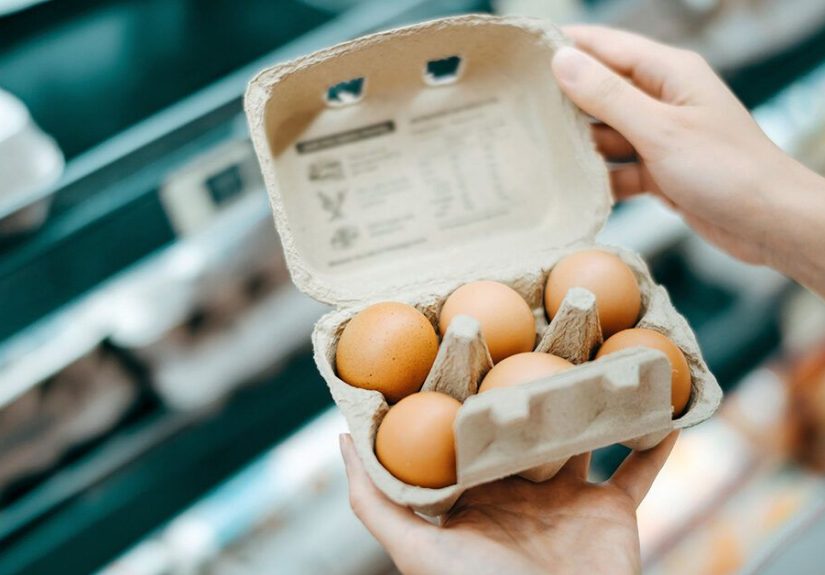
Store eggs in their original carton on an interior shelf (not the door). The carton helps protect them from absorbing odors and from temperature swings.
Once eggs are cooked (hard-boiled eggs, egg dishes), they become “leftovers” with a shorter timeline.
Milk, yogurt, and cheese
Dairy quality drops fast when stored too warm. Keep milk cold and avoid leaving it on the counter during breakfast “just for a minute” (a minute is a
slippery concept before coffee).
- Milk: keep cold and sealed; return it to the fridge promptly after pouring.
- Soft cheeses: generally spoil faster than hard cheeses; keep wrapped and watch for mold.
- Shredded cheese: reseal tightly; trapped moisture can speed mold growth.
Cooked foods and leftovers
Leftovers are convenient, but they’re still perishable. A commonly recommended safe window for many leftovers is about 3–4 days in the
refrigeratorthen freeze or toss. (Quality may decline sooner, especially for crispy foods.)
For reheating, use a food thermometer when possible and aim for an internal temperature of 165°F. Soups, sauces, and gravies should be
reheated until they’re bubbling/boiling hot throughout.
Example: If you meal-prep chili on Sunday, portion it into several small containers. Keep 1–2 in the fridge for early-week meals and freeze the rest. This
keeps your schedule flexible without pushing storage limits.
Produce: whole vs. cut
Whole produce sometimes does fine at room temperature depending on the item (like whole tomatoes or bananas while ripening). But once produce is cut,
it becomes much more perishable and usually needs refrigeration.
- Whole berries & leafy greens: refrigerate; keep dry and store with airflow where possible.
- Cut melon, cut fruit, chopped veggies: refrigerate promptly in sealed containers.
- Herbs: many last longer stored like flowers (stems in water) or wrapped slightly dampdepending on the herb.
Deli meats, prepared salads, and “grab-and-go” items
These are convenient, but they’re firmly in the perishable category. Keep them cold, follow package instructions, and don’t let them linger out during
lunch prep. If you’re packing a lunch without reliable refrigeration, use insulated bags and cold packs.
Safe thawing, reheating, and handling (don’t let the last step ruin everything)
Three safe ways to thaw frozen foods
Thawing on the counter is popular because it’s easy. It’s also popular with bacteria. Safer methods:
- In the refrigerator: slow, steady, and safest.
- In cold water: keep food in a leak-proof bag and change water regularly; cook right after thawing.
- In the microwave: thaw only if you’ll cook immediately afterward.
Reheating leftovers safely
Reheat leftovers thoroughlyespecially in the microwave, where cold spots happen. Stir, rotate, and let food stand after heating. When in doubt, check
temperature and aim for 165°F.
Pro tip: Reheat only the portion you’ll eat. Repeated warming and cooling cycles aren’t great for qualityand they can be risky if food keeps drifting into
the danger zone.
Food dates, food waste, and when to toss something
Many people treat “sell-by,” “best-by,” and “use-by” dates like they’re the final word. In reality, dates often relate to quality, not guaranteed safety.
The safest approach is to combine dates with common-sense checks and proper storage.
Signs a perishable food is no longer okay
- Off smells (sour, rancid, “why does this smell like regret?”)
- Odd textures (slimy deli meat, curdled dairy, mushy produce beyond normal ripeness)
- Visible mold on foods where mold shouldn’t be (many soft foods, leftovers)
- Leaking packages or swollen containers
- Uncertain timeline (if you can’t remember when it was cooked, it’s safer not to gamble)
When you’re unsure, prioritize safety. Tossing one questionable container is cheaper than losing a weekend to food poisoning.
Power outages and travel: keeping perishables safe when life happens
Power outages are the ultimate stress test. Keep fridge and freezer doors closed as much as possible. A closed refrigerator typically stays cold for a
limited time, and a full freezer stays cold longer than a half-full one. After power returns, verify tempsuse appliance thermometers if you have them.
If you’re traveling with perishables (picnics, potlucks, road trips), use a cooler with ice or frozen gel packs and keep the cooler shaded. “It’s winter”
is not a food safety plan.
Quick perishable storage checklist
- Keep fridge at or below 40°F; freezer at 0°F.
- Refrigerate perishables within 2 hours (or 1 hour if above 90°F).
- Store raw meat/seafood on the bottom shelf to prevent drips.
- Cool leftovers in shallow containers and date them.
- Eat refrigerated leftovers within about 3–4 days or freeze sooner.
- Thaw safely: fridge, cold water, or microwave (then cook immediately).
- Reheat leftovers to 165°F when possible.
Conclusion: Perishables don’t need perfectionjust a plan
Storing perishable foods safely isn’t about turning your kitchen into a laboratory. It’s about a handful of habits that work: keep cold foods cold, limit
time in the danger zone, prevent cross-contamination, and treat leftovers like they have an expiration storyeven if they’re still starring in your
meal-prep lineup.
If you do nothing else, do this: set your fridge temperature correctly, use shallow containers for leftovers, and stop letting raw chicken hang out above
your strawberries. Your future self (and your stomach) will be very impressed.
Real-life experiences with perishables (the “I learned this the hard way” section)
Most people don’t decide to become good at storing perishable foods. They get drafted. One day you’re happily buying groceries, and the next day you’re
staring into the fridge thinking, “Is this chicken still okay or is it actively plotting against me?” That momentequal parts confusion and survival
instinctis where real kitchen wisdom begins.
A common experience is the “two-hour rule surprise.” Someone cooks dinner, eats, chats, cleans up a bit… and suddenly it’s bedtime. The leftovers are
still on the stove, covered “so they’re protected.” Protected from what, exactlyoxygen? Dust? A curious cat? The next morning, the question becomes
whether to refrigerate them then (please don’t) or to toss them (often the safest choice). People usually remember that lesson because it’s annoying to
waste food, but it’s even more annoying to feel sick later.
Another classic: the fridge door trap. It feels logical to store milk in the door because the door has those perfectly sized shelves, like it was made for
milk. But the door is also the most temperature-chaotic part of the fridge. Families who open the fridge a lotkids grabbing drinks, someone hunting for
snacks, someone else “just looking”often notice milk or creamer seems to spoil faster when it lives in the door. Moving milk to an interior shelf can
feel like a tiny life upgrade, like discovering your car has heated seats.
Then there’s the produce mystery: why do some strawberries turn mushy overnight, while others survive an entire week? People often learn that moisture is
a major factor. A container of berries that gets even a little wet can go downhill fast. The “aha” moment for many households is realizing that a simple
routinechecking berries for moisture, storing them dry, and removing any crushed onescan dramatically reduce waste. It’s not glamorous, but it’s effective.
Think of it as “berry management,” a job nobody asked for but everyone ends up doing.
Ethylene gas is another real-world plot twist. Lots of folks have a countertop fruit bowl that feels charming and healthyuntil the bananas ripen at warp
speed and the nearby produce starts looking tired. People who separate ethylene-producing fruits (like bananas and apples) from ethylene-sensitive items
often notice everything lasts longer, and suddenly the fruit bowl stops acting like a fast-forward button.
Finally, leftovers: the most misunderstood heroes of busy weeknights. Many people learn that leftovers don’t fail because they’re “old”they fail because
they weren’t cooled or stored well. A big pot of soup shoved into the fridge stays warm in the center for a long time, which is exactly what bacteria
would request if they could place a catering order. Once people start portioning leftovers into shallow containers, dating them, and freezing what won’t get
eaten in a few days, the fridge becomes less of a mystery box and more of a plan. And that’s the whole point: perishables are manageable when you treat
them like they’re on a schedulebecause they are.