Table of Contents >> Show >> Hide
- Why Pork Recipes Never Really Leave the Dinner Table
- Know Your Cut Before You Start Cooking
- 8 Pork Recipes Worth Putting on Repeat
- The Flavor Formulas That Make Pork Recipes Better
- How to Keep Pork Juicy Instead of Accidentally Creating Dry Protein Confetti
- Side Dishes That Pair Well With Pork Recipes
- Common Pork Recipe Mistakes to Avoid
- What Years of Cooking Pork Recipes Have Taught Me
- Conclusion
Pork recipes are the overachievers of the dinner world. They can be fast, cozy, smoky, fancy, cheap, weeknight-friendly, dinner-party worthy, and just dramatic enough to make people think you tried harder than you actually did. One night, pork is sizzling in a skillet with garlic and butter. The next, it is falling apart in a slow cooker like it just finished a spa retreat. Few proteins cover that much ground without demanding a second mortgage at the grocery store.
The best pork recipes work because pork itself is wonderfully adaptable. Lean cuts like tenderloin cook quickly and stay elegant with the right timing. Chops deliver big comfort with a crisp sear and a good pan sauce. Shoulder turns into rich, shreddable magic when cooked low and slow. Ground pork can carry weeknight dinners on its back with meatballs, stir-fries, dumplings, tacos, and noodle bowls. In other words, pork is not a one-trick chop.
If you want better pork recipes, the secret is not buying fancy ingredients with names that sound like an indie band. It is understanding the cut, choosing the right cooking method, and building flavor with confidence. This guide breaks down the smartest ways to cook pork, the best pork recipe ideas to keep in rotation, and the little details that separate juicy success from sad, dry disappointment.
Why Pork Recipes Never Really Leave the Dinner Table
There is a reason pork recipes show up in every kind of kitchen. Pork plays well with sweet, spicy, savory, smoky, tangy, and herby flavors. It loves apples, mustard, brown sugar, garlic, rosemary, soy sauce, chile paste, maple syrup, onions, citrus, vinegar, and all the sauces that make dinner feel interesting. It can go Southern, Italian, Korean-inspired, Mexican-inspired, Midwestern comfort food, or classic Sunday roast without breaking a sweat.
It is also one of the easiest meats to cook in different formats. Need a 20-minute dinner? Use thin chops or ground pork. Want meal prep? Roast a tenderloin and slice it for sandwiches, salads, and grain bowls. Feeding a crowd? Pork shoulder is your reliable friend. Trying to stretch a grocery budget while still making something that tastes like a real dinner? Pork has entered the chat.
Know Your Cut Before You Start Cooking
Pork Chops
Pork chops are the first thing many people think of when they hear “pork recipes,” and for good reason. They are versatile, widely available, and easy to cook in a skillet, oven, grill, or air fryer. Bone-in chops usually bring more flavor and a little extra forgiveness. Boneless chops are convenient, but they can dry out faster if you treat them like they insulted you personally.
Pork Tenderloin
Tenderloin is lean, tender, and ideal for quick roasting. It looks impressive, cooks fast, and takes well to marinades, spice rubs, and glazes. This is the cut to use when you want a lighter pork dinner that still feels special. It is also the cut most likely to turn dry if overcooked, so timing matters.
Pork Shoulder
Pork shoulder is the king of low-and-slow pork recipes. It has the fat and connective tissue needed for pulled pork, braises, stews, and long oven roasts. If tenderloin is the neat, polished guest at the party, shoulder is the one who shows up late with snacks and somehow becomes everyone’s favorite.
Ground Pork
Ground pork is one of the smartest things to keep in the fridge for fast meals. It browns quickly, absorbs flavor beautifully, and works in stir-fries, meatballs, burgers, dumplings, lettuce wraps, and pasta sauces. It is especially useful when chicken feels boring and beef feels too heavy.
Pork Loin, Ribs, and Pork Steaks
Pork loin is best for roasting and slicing. Ribs are built for barbecue, oven-roasting, or smoking. Pork shoulder steaks or blade steaks are flavorful, juicy, and great for grilling or pan-searing when you want something richer than a chop. These cuts often deliver big flavor without much fuss.
8 Pork Recipes Worth Putting on Repeat
1. Garlic-Butter Skillet Pork Chops
This is the pork recipe equivalent of a clean white T-shirt: simple, reliable, and always a good idea. Season thick chops with salt, pepper, and smoked paprika, sear them hard in a skillet, then baste with butter, garlic, and thyme. Finish with a squeeze of lemon or a spoonful of Dijon in the pan juices. Serve with mashed potatoes, roasted green beans, or a crisp salad if you want to pretend balance was the plan all along.
2. Maple-Dijon Pork Tenderloin
For an easy roast that feels just a little polished, brush pork tenderloin with a mix of Dijon mustard, maple syrup, garlic, and rosemary. Roast until juicy, let it rest, then slice it into medallions. The sweet-sharp glaze works beautifully with Brussels sprouts, carrots, wild rice, or even a simple tray of roasted sweet potatoes.
3. Slow-Cooked Pulled Pork
This is one of the greatest pork recipes for crowds, leftovers, and days when your schedule is chaos. Rub pork shoulder with brown sugar, paprika, cumin, garlic powder, salt, and black pepper. Add onion, a splash of apple cider vinegar, and let time do the heavy lifting. Pile the shredded pork onto buns, tacos, baked potatoes, nachos, or rice bowls. Few dinners give you this much mileage with so little daily drama.
4. Ginger-Garlic Ground Pork Bowls
Brown ground pork with garlic, ginger, soy sauce, scallions, and a little honey or brown sugar. Add green beans, bok choy, cabbage, or mushrooms for bulk. Spoon it over rice, noodles, or lettuce cups. It is fast, deeply flavorful, and exactly the kind of recipe that saves Tuesday night from becoming “cereal and regret.”
5. Crispy Breaded Pork Cutlets
Flatten pork cutlets or thin loin chops, dredge them in flour, egg, and breadcrumbs, then pan-fry until crisp and golden. Finish with flaky salt and a squeeze of lemon. These can go Italian with arugula and Parmesan, sandwich-style on a bun, or classic comfort-food mode with mashed potatoes and gravy. The texture alone makes them repeat-worthy.
6. Braised Pork Shoulder with Apples and Onions
This recipe leans into pork’s natural friendship with sweet and savory flavors. Sear chunks of shoulder, then braise them with apples, onions, stock, mustard, and herbs until fork-tender. It tastes like autumn moved into your kitchen and brought a Dutch oven. Serve it with polenta, buttered noodles, or crusty bread.
7. Sweet-and-Spicy Grilled Pork Steaks
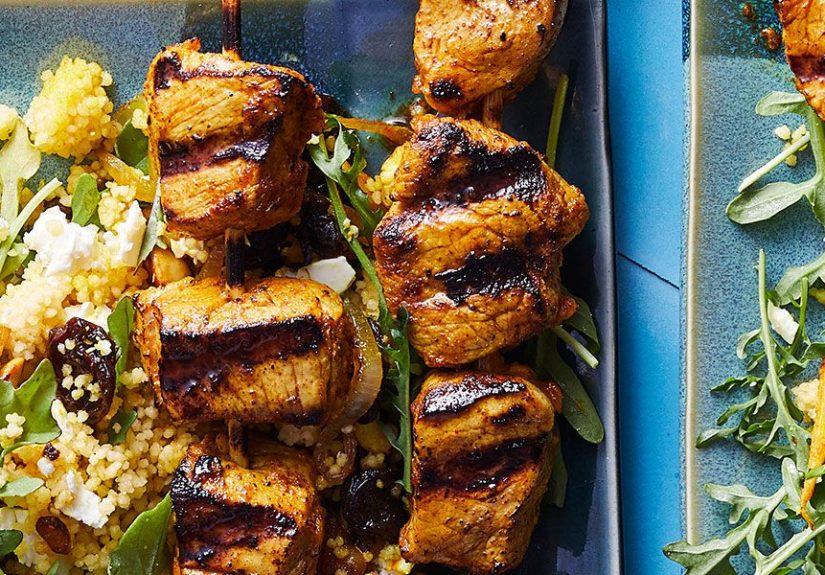
If you want outdoor flavor without committing to an all-day smoke session, pork shoulder steaks are a smart move. Marinate them in soy sauce, garlic, brown sugar, vinegar, and chile flakes, then grill until caramelized and juicy. These are fantastic with corn, slaw, pickles, or grilled peaches if you are feeling ambitious and seasonal.
8. Herb-Roasted Pork Loin
Roast pork loin with garlic, fennel, rosemary, olive oil, and black pepper for a centerpiece-style dinner that is still practical. Slice it thin and serve it with pan gravy, roasted vegetables, or a bright salsa verde. Leftovers make excellent sandwiches, which is always the sign of a good recipe making smart life choices.
The Flavor Formulas That Make Pork Recipes Better
Great pork recipes often follow a few dependable flavor paths. The first is sweet plus sharp: think maple-Dijon, honey-mustard, brown sugar with vinegar, or apples with onions. The second is savory plus herbal: garlic, rosemary, thyme, fennel, sage, and black pepper. The third is umami plus heat: soy sauce, fish sauce, gochujang, chile crisp, miso, or char siu-style glazes.
Pork also benefits from acidity. Apple cider vinegar, lemon juice, mustard, buttermilk, and pickled toppings all help balance richness. If a pork recipe tastes heavy, it usually needs acid, fresh herbs, or both. That single adjustment can take a dish from “pretty good” to “who made this?”
How to Keep Pork Juicy Instead of Accidentally Creating Dry Protein Confetti
The biggest mistake people make with pork recipes is overcooking lean cuts. Pork chops and tenderloin are at their best when cooked with attention, not fear. Use a thermometer. That advice is not glamorous, but neither is chewing your way through a pork chop that tastes like a kitchen sponge with commitment issues.
Brining can help, especially with chops. Even a quick brine of water, salt, and a little sugar can improve seasoning and moisture. Marinating works well for tenderloin, pork steaks, and thin slices headed for the grill. For shoulder, patience matters more than precision; the goal is enough time for fat and connective tissue to melt into tenderness.
Resting the meat matters too. Sliced too early, pork lets all its juices run onto the cutting board like it is filing a formal complaint. Let chops, roasts, and tenderloin rest before cutting so those juices stay where they belong.
Side Dishes That Pair Well With Pork Recipes
The best side dishes for pork depend on the recipe, but a few classics always work. Creamy mashed potatoes, roasted carrots, green beans, slaw, sautéed cabbage, mac and cheese, cornbread, rice pilaf, and crusty bread all belong in the pork hall of fame. So do sharper, fresher sides like cucumber salad, apple slaw, lemony greens, and pickled onions.
For heavier pork recipes like pulled pork or braised shoulder, balance the richness with crisp vegetables and vinegar-based sides. For leaner dishes like tenderloin or grilled chops, you can go heartier with potatoes, creamy sauces, or buttered grains. Pork likes contrast. It wants a little tension on the plate. It does not want everything to be beige.
Common Pork Recipe Mistakes to Avoid
Cooking the wrong cut the wrong way
Shoulder likes low and slow. Tenderloin likes quick heat. Chops like a solid sear and careful timing. Matching the method to the cut solves half your problems before dinner even starts.
Skipping seasoning
Pork is flavorful, but it still needs help. Salt early when you can. Build layers with spice rubs, marinades, pan sauces, glazes, or finishing acids.
Ignoring texture
The most memorable pork recipes usually have contrast: crisp crust with juicy interior, sticky glaze with charred edges, rich meat with crunchy slaw, or soft braised pork with bright herbs. Texture keeps dinner interesting.
Forgetting leftovers are part of the strategy
A good pork recipe often becomes tomorrow’s lunch. Roast extra tenderloin for sandwiches. Save pulled pork for tacos. Turn leftover chops into fried rice. A smart cook knows dinner does not end at dinner.
What Years of Cooking Pork Recipes Have Taught Me
If there is one thing experience teaches you about pork recipes, it is that pork rewards calm cooking. The first time I made pork chops, I treated them like they were supposed to survive a natural disaster. I cooked them until they were aggressively firm, proudly served them, and watched everyone chew in respectful silence. It was the kind of meal that teaches humility faster than any cookbook ever could.
Later, I learned that pork is not difficult; it is just honest. If you rush it, ignore the cut, or cook by fear instead of feel, it lets you know immediately. Once I started paying attention, everything changed. I learned that a thick chop wants a hot pan, a little patience, and a thermometer. I learned that tenderloin can go from elegant to tragic in a matter of minutes. I learned that pork shoulder is what I make when I want the house to smell like I know what I am doing, even when I am still wearing mismatched socks and answering emails at the counter.
Some of my favorite dinners have come from very simple pork recipes. A skillet of chops with apples and onions on a rainy evening. A tray of roast tenderloin with mustard and herbs when friends came over and I wanted something nicer than pasta but easier than pretending I enjoy complicated entertaining. A pot of pulled pork made on a Sunday that stretched into sandwiches on Monday, tacos on Tuesday, and breakfast hash on Wednesday. Pork has a talent for making leftovers feel intentional, which is a quality I deeply respect in any ingredient.
I have also learned that pork loves personality. It can be cozy and traditional one night, then spicy and bold the next. I have made it with soy and ginger, maple and mustard, garlic and rosemary, cumin and chile, honey and vinegar. Almost every version worked once the cooking method matched the cut. That, to me, is the real charm of pork recipes. They leave room for instinct. They let you use what is in your pantry. They are flexible enough for weeknights but generous enough for weekends.
And then there is the sensory part, which matters more than recipes sometimes admit. The sound of a chop hitting a hot skillet. The smell of onions softening in pork drippings. The moment a shoulder roast finally yields to a fork. The glossy finish of a reduced pan sauce. Those details are why people keep cooking the same dishes again and again. A great pork recipe is not just about feeding people. It is about building a little rhythm in the kitchen, a little confidence, a little pleasure at the end of an ordinary day.
So when I think about pork recipes now, I do not think of them as old-fashioned or basic. I think of them as dependable, adaptable, and surprisingly capable of being excellent with just a few smart choices. That may be the best kind of cooking there is: not flashy for the sake of it, but satisfying, flavorful, and generous. The kind of meal that gets requested again. The kind that disappears quietly because everyone is too busy eating to compliment it until later. In my experience, that is usually the highest praise dinner can get.
Conclusion
The best pork recipes are not about using the fanciest cut or the longest ingredient list. They are about understanding what pork does well and letting it shine. Chops love a hard sear and a good sauce. Tenderloin loves careful roasting and bright flavor. Shoulder loves time. Ground pork loves speed. Once you know that, your options multiply fast.
Whether you are planning a weeknight skillet dinner, a Sunday roast, a tray of crispy cutlets, or a batch of pulled pork that feeds you for days, pork recipes offer range, comfort, and real value. Learn the cuts, trust the thermometer, season with confidence, and do not forget the acid at the end. Dinner will taste better, leftovers will work harder, and your pork will finally stop being dry enough to qualify as a personality trait.