Table of Contents >> Show >> Hide
- What Makes a Great Pulled Pork Slider?
- Ingredients
- Step-by-Step: Pulled Pork Sliders
- Step 1: Season like you mean it
- Step 2: Cook it low and slow (pick one method)
- Method A: Slow cooker (set-it-and-forget-it)
- Method B: Oven Dutch oven (best “bark” without a smoker)
- Method C: Smoker (maximum barbecue points)
- Method D: Pressure cooker / Instant Pot (weeknight superhero)
- Step 3: Rest, shred, and sauce
- Step 4: Toast buns and build the sliders
- Slider Topping Ideas
- How Much Pork Per Slider?
- Make-Ahead, Storage, and Reheating (So You Don’t Lose Your Mind)
- Troubleshooting: Common Pulled Pork Slider Problems
- Real-Life Pulled Pork Slider Experiences (Because This Is Where the Magic Happens)
- Conclusion
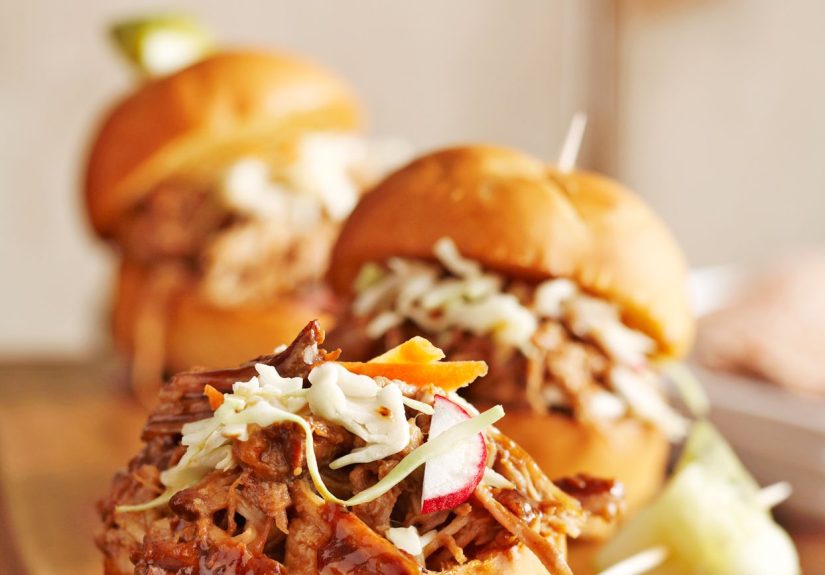
Pulled pork sliders are what happens when comfort food gets invited to a party and shows up wearing a tiny tuxedo.
You get smoky-sweet, fall-apart pork piled on soft little buns, plus something crunchy (slaw) and something zingy (pickles)
so every bite has the full “wow” soundtrack.
This pulled pork sliders recipe is written for real life: it works whether you’re hosting game day,
feeding a hungry family, or trying to impress your friends who suddenly “know barbecue.” We’ll cover the why behind the steps,
then give you options for slow cooker, oven, smoker, or pressure cooker,
so you can pick your adventure.
What Makes a Great Pulled Pork Slider?
1) The right cut: pork shoulder (Boston butt)
Pork shoulder (often labeled “Boston butt”) is the MVP because it has enough fat and connective tissue to stay juicy during a long cook.
That connective tissue breaks down into gelatin, which is a fancy way of saying “this tastes like you cared.”
2) Cook it for tenderness, not just “done”
Pork can be safely cooked to lower temperatures, but pull-apart tenderness usually happens when the shoulder climbs much higher
and the collagen fully relaxes. Translation: you’re not chasing “edible,” you’re chasing “shreds with a gentle sigh.”
3) Balance the bite
Great sliders hit four notes: savory (pork + rub), sweet (brown sugar or sauce),
tangy (vinegar, mustard, pickles), and crunch (slaw, onions, jalapeños).
Skip the crunch and your bun will feel emotionally unsupported.
Ingredients
Yield: about 18–24 sliders (party-size), depending on how generous you get with the pork.
For the pulled pork
- 4–5 lb bone-in or boneless pork shoulder (Boston butt)
- 1–2 tbsp yellow mustard (binder; optional but helpful)
- 1 onion, sliced (optional, but adds flavor)
Dry rub (mix in a bowl)
- 2 tbsp kosher salt
- 2 tbsp brown sugar
- 1 tbsp smoked paprika
- 2 tsp black pepper
- 2 tsp garlic powder
- 2 tsp onion powder
- 1 tsp mustard powder
- 1 tsp ground cumin (optional, but nice)
- 1/4–1/2 tsp cayenne (optional, depending on your bravery)
Cooking liquid (choose one combo)
- Option A (classic): 1 cup chicken broth + 2 tbsp apple cider vinegar + 2 tbsp Worcestershire
- Option B (BBQ-ish): 3/4 cup broth + 1/2 cup barbecue sauce + 2 tbsp apple cider vinegar
- Option C (beer method): 1 cup beer + 1/2 cup broth (great for oven braise)
For serving
- 18–24 slider buns (Hawaiian rolls, potato rolls, or brioche)
- 1–2 cups barbecue sauce (your favorite style)
- Pickle chips (dill or bread-and-butter)
- Butter for toasting buns (optional but highly recommended)
Quick tangy slaw (5 minutes)
- 4 cups shredded cabbage (or bagged coleslaw mix)
- 1 carrot, grated (optional if your mix already has it)
- 1/3 cup mayo (or Greek yogurt for a lighter vibe)
- 2 tbsp apple cider vinegar
- 1 tbsp Dijon or yellow mustard
- 1–2 tsp sugar or honey
- Salt + pepper to taste
Step-by-Step: Pulled Pork Sliders
Step 1: Season like you mean it
- Pat the pork shoulder dry with paper towels.
- (Optional) Rub lightly with yellow mustard so the seasoning sticks.
- Coat all sides generously with the dry rub. Press it indon’t sprinkle it like fairy dust.
-
If you have time, refrigerate the seasoned pork (uncovered on a tray) for 8–24 hours.
If you don’t, proceed immediately. Life happens.
Step 2: Cook it low and slow (pick one method)
Method A: Slow cooker (set-it-and-forget-it)
- (Optional but tasty) Sear the pork in a hot skillet with a little oil, 2–3 minutes per side, until browned.
- Add sliced onions to the slow cooker. Place pork on top.
- Pour in your cooking liquid around (not directly on) the pork.
- Cook on LOW for 8–10 hours (or HIGH for 5–6), until it shreds easily.
Method B: Oven Dutch oven (best “bark” without a smoker)
- Preheat oven to 300°F.
- Sear pork in a Dutch oven (optional but recommended for flavor).
- Add cooking liquid. Cover tightly with a lid (or foil + lid).
- Roast for 4 hours, then uncover and roast 45–60 minutes more to deepen the crust.
- It’s ready when a fork twists with very little resistance and the meat wants to fall apart.
Method C: Smoker (maximum barbecue points)
- Preheat smoker to about 225°F.
- Smoke pork shoulder fat-side up. Maintain steady heat.
-
Expect “the stall” around the 160–170°F rangetotally normal.
You can wait it out or wrap in foil/butcher paper (“Texas crutch”) to speed things up. - Cook until the internal temperature is typically around 195–200°F and it probes tender.
Method D: Pressure cooker / Instant Pot (weeknight superhero)
- Cut pork into 3–4 large chunks for faster, more even cooking.
- Sear on sauté mode if you canflavor loves a good tan.
- Add 1 cup cooking liquid, lock lid, and cook on high pressure for 60–75 minutes.
- Natural release for 15 minutes, then quick release.
-
For “bark vibes,” spread shredded pork on a sheet pan, drizzle with a little sauce,
and broil 3–6 minutes (watch closely).
Step 3: Rest, shred, and sauce
- Rest the cooked pork for 15–30 minutes so juices redistribute.
- Shred with two forks (or meat claws if you enjoy feeling like a friendly kitchen bear).
- Skim excess fat from the cooking liquid, then stir some of those juices back into the pork.
-
Add barbecue sauce gradually. The goal is juicy and flavorful, not “pork swimming lessons.”
Taste and adjust: more vinegar for tang, more sugar for sweetness, more pepper for bite.
Step 4: Toast buns and build the sliders
- Split buns and toast cut-sides in a skillet with a little butter, or briefly in the oven.
- Add a small pile of pulled pork.
- Top with slaw and pickles.
- Serve immediatelyor keep warm for the crowd (see safety tips below).
Slider Topping Ideas
If you’re feeding a group, set up a toppings “bar” and let people build their own. It’s fun, it’s interactive,
and it prevents that one uncle from asking, “Do you have anything spicy?” every 90 seconds.
- Carolina-style: vinegar-pepper sauce + slaw (bright and tangy)
- Kansas City-style: thick, sweet BBQ sauce + pickles + crispy onions
- Alabama-inspired: white BBQ sauce + pickles + extra black pepper
- Spicy route: pickled jalapeños, hot sauce, chipotle mayo
- Smoky-sweet: extra smoked paprika in the rub + a touch of honey in the sauce
How Much Pork Per Slider?
For party sliders, plan about 2–3 ounces of cooked pork per slider. A 4–5 lb shoulder often yields plenty for
a big platter, especially if you’re also serving sides.
If you’re cooking for a crowd, scale like this:
- 12 sliders: 2.5–3 lb pork shoulder
- 24 sliders: 4–5 lb pork shoulder
- 36 sliders: 6–8 lb pork shoulder (or two smaller roasts for easier handling)
Make-Ahead, Storage, and Reheating (So You Don’t Lose Your Mind)
Make-ahead strategy
-
Cook the pork 1–2 days ahead. Shred it, mix with a little cooking liquid, and refrigerate.
The flavor actually gets friendlier overnight. - Make slaw dressing ahead, but toss with cabbage close to serving if you want max crunch.
Food safety basics
-
Keep hot pulled pork hot (think warming tray/slow cooker on warm) and don’t let it sit in the temperature “danger zone”
for long stretches. - Refrigerate leftovers within 2 hours (sooner if your kitchen is warm and bustling).
- Refrigerated leftovers are best used within 3–4 days.
- Frozen leftovers keep quality best for about 3–4 months (still safe longer, but texture can fade).
Reheating without drying it out
- Stovetop: Warm in a covered skillet with a splash of broth, apple juice, or extra sauce.
- Oven: Cover tightly with foil at 300°F until hot.
- Microwave: Short bursts, stir between, add moisture.
Troubleshooting: Common Pulled Pork Slider Problems
“My pork won’t shred.”
It’s not done yet. Keep cooking until it’s tender enough that a fork twists easily.
Time is an ingredientannoying, invisible, but essential.
“It’s dry.”
Add back some cooking liquid (skim fat first), then sauce gradually. Also: don’t skip resting time,
and don’t be shy with the rub.
“My buns got soggy.”
Toast them, add slaw as a barrier, and don’t over-sauce. Think “glossy,” not “bath.”
“It tastes flat.”
Add acid (vinegar or pickle juice), salt, and a little heat (pepper flakes or hot sauce). Pulled pork loves a final tune-up.
Real-Life Pulled Pork Slider Experiences (Because This Is Where the Magic Happens)
The first time you make pulled pork sliders, you’ll probably treat the pork like it’s a fragile science experiment.
You’ll open the lid too often, poke it like it owes you money, and stare at the thermometer as if eye contact will make it cook faster.
That’s normal. We’ve all been there. The good news is pork shoulder is forgivinglike that friend who doesn’t judge you for showing up
in sweatpants as long as you brought snacks.
My favorite pulled pork slider moment is always the same: the “accidental crowd.” You plan for a few people, and suddenly you’re feeding
neighbors, cousins, plus one mysterious friend-of-a-friend who appears when they hear the words “barbecue” and “Hawaiian rolls.”
Sliders are perfect for this because they scale up effortlessly. You can set out buns, pork, slaw, pickles, and sauces, and the party
turns into a low-stress assembly line. Everyone customizes their bite, and you get credit for hosting a “build-your-own slider bar”
like you’re running a boutique restaurant instead of your kitchen.
Over time you’ll develop opinionsstrong onesabout sauce styles. Some days you want thick and sweet, the kind that clings to the meat
like a loyal golden retriever. Other days you want vinegar-pepper tang that cuts through richness and wakes up your taste buds.
If you’re serving a mixed group, offer both. It’s not “indecisive,” it’s “thoughtful.” (Also it prevents sauce debates,
which have ended friendships in certain barbecue-heavy regions.)
The slaw becomes your secret weapon. When sliders feel heavy, slaw brings crunch and brightness. When the pork is extra rich, slaw keeps
each bite from turning into a nap. And it’s wildly adaptable: add apples for sweetness, jalapeños for bite, or swap mayo slaw for a
lighter vinegar slaw when you want the pork to be the star. Once you discover that pickles + slaw is basically the cheat code for
“I could eat three more of these,” you’ll never go back.
Then there’s the make-ahead joy: cooking the pork the day before. You’ll shred it, taste it, “sample” it, sample it again,
and suddenly you’ve eaten the equivalent of two sliders standing at the counter. The next day, reheating with a splash of broth and a
little sauce feels like culinary time traveleverything tastes deeper, more settled, more like the pork had a chance to become itself.
If you’re hosting, this is the move. Day-of hosting should be about building sliders and enjoying people, not trying to wrestle a
5-pound roast while guests ask if you need help (and you say “no” while absolutely needing help).
Finally, the best part: leftover creativity. Pulled pork sliders are the headliner, but leftovers become tacos, nachos,
baked potato toppings, pizza, breakfast hashyou name it. The pork shoulder is basically a meal-prep machine that tastes like a party.
And if you freeze it in small portions, future-you will feel like past-you left a delicious love letter in the freezer.
Conclusion
A great BBQ pulled pork sliders recipe isn’t about perfectionit’s about tenderness, balance, and setting yourself up
for easy serving. Choose pork shoulder, cook it until it shreds like a dream, keep it juicy with its own flavorful juices, and build
sliders with toasted buns, crunchy slaw, and pickles. The result is crowd-pleasing, make-ahead friendly, and dangerously easy to eat.