Table of Contents >> Show >> Hide
- Which Trader Joe’s Cookies Were Recalled?
- Why a “May Contain Rocks” Recall Matters
- How to Check Your Pantry Without Turning It Into a Crime Scene
- What Should You Do If You Already Ate the Cookies?
- How Could Rocks End Up in Cookies?
- Why Recalls Are a Sign the System Is Working
- What This Recall Means for Trader Joe’s Shoppers
- How to Handle a Recalled Food Product Safely
- Why Product Codes and Sell-By Dates Matter
- The Bigger Picture: Foreign Material Recalls in Food
- Experience Section: The Pantry Check Every Snack Lover Should Try
- Final Thoughts: A Cookie Recall Worth Taking Seriously
Cookies are supposed to crunch. That is part of the deal. A crisp edge, a chocolate chunk, maybe a toasted almond doing its best impression of fine dining. What cookies are not supposed to do is deliver the kind of crunch that makes you pause, stare at the ceiling, and wonder whether your snack just tried to become a landscaping project.
That is why Trader Joe’s shoppers were urged to check their pantries after the grocery chain recalled two cookie products over the possible presence of rocks. Yes, actual rocks. Not “rock candy,” not a clever new mineral-themed dessert, and definitely not a fun surprise from the snack aisle.
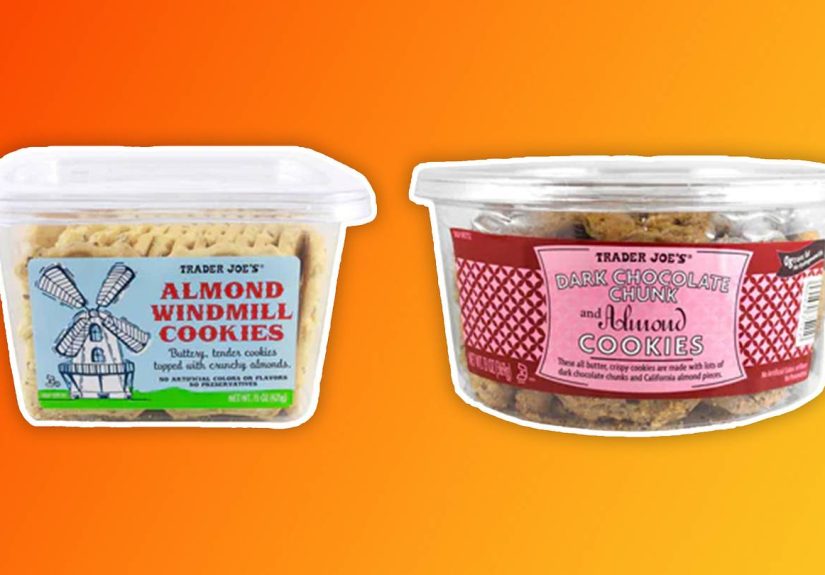
The recall involved Trader Joe’s Almond Windmill Cookies and Trader Joe’s Dark Chocolate Chunk and Almond Cookies. The company said it was alerted by a supplier that certain packages may contain foreign material. In this case, the foreign material was described as rocks, which is a sentence no cookie fan ever wants to read before opening a box.
Food recalls can sound dramatic, but they are also practical consumer-safety tools. They help shoppers identify a specific product, check exact dates or codes, and take action before a small problem becomes a chipped tooth, a choking risk, or a very awkward conversation with a dentist. This Trader Joe’s cookie recall is a useful reminder that even familiar pantry favorites deserve a quick label check when a safety notice appears.
Which Trader Joe’s Cookies Were Recalled?
The recall applied to two almond-based cookie products sold under the Trader Joe’s label. Shoppers were advised to check the product name, SKU number, and sell-by date on the packaging.
Trader Joe’s Almond Windmill Cookies
The first affected product was Trader Joe’s Almond Windmill Cookies, identified by SKU #98744. The impacted packages carried sell-by dates from October 19, 2023, through October 21, 2023.
Trader Joe’s Dark Chocolate Chunk and Almond Cookies
The second affected product was Trader Joe’s Dark Chocolate Chunk and Almond Cookies, identified by SKU #82752. The impacted packages carried sell-by dates from October 17, 2023, through October 21, 2023.
Trader Joe’s said the potentially affected products had been removed from sale and destroyed. Customers who had purchased or received the recalled cookies were advised not to eat them. Instead, they were told to discard the product or return it to any Trader Joe’s store for a full refund.
Why a “May Contain Rocks” Recall Matters
At first glance, a rock in a cookie sounds almost cartoonish. It has the same strange energy as finding a fork in a cereal box or a tiny garden gnome in a bag of chips. But foreign material in ready-to-eat food is a serious issue because consumers do not expect it, cannot reliably detect it, and may be injured before they realize anything is wrong.
Hard foreign objects can create several risks. They may chip or crack a tooth, cut the mouth, injure the gums, create a choking hazard, or cause harm if swallowed. The risk may be higher for children, older adults, and people with dental work or swallowing difficulties. A small stone hidden inside a crunchy cookie can be especially tricky because the normal texture of the product may mask the problem until someone bites down.
The most important point is simple: do not taste-test recalled food to see whether it seems fine. A recall is not a dare. If the package matches the affected product and date range, the safest move is to stop eating it immediately and follow the recall instructions.
How to Check Your Pantry Without Turning It Into a Crime Scene
If you shop at Trader Joe’s and keep cookies around for coffee breaks, lunchboxes, late-night snacks, or “emergency dessert management,” checking your pantry is straightforward. You do not need a magnifying glass, a hazmat suit, or dramatic background music.
Step 1: Look for the Product Name
Start by checking whether you have Trader Joe’s Almond Windmill Cookies or Trader Joe’s Dark Chocolate Chunk and Almond Cookies. Similar-looking cookies, other almond snacks, or unrelated Trader Joe’s desserts were not part of this specific recall unless they match the exact product information.
Step 2: Match the SKU Number
Next, look for the SKU number. Almond Windmill Cookies were listed under SKU #98744, while Dark Chocolate Chunk and Almond Cookies were listed under SKU #82752. The SKU helps confirm that the package is the same product named in the recall.
Step 3: Check the Sell-By Date
Finally, check the sell-by date. For Almond Windmill Cookies, the affected sell-by window was October 19, 2023, through October 21, 2023. For Dark Chocolate Chunk and Almond Cookies, the affected sell-by window was October 17, 2023, through October 21, 2023.
If the product name, SKU, and sell-by date match, do not eat the cookies. Seal the package, keep it away from children and pets, and either throw it away securely or return it to Trader Joe’s for a refund.
What Should You Do If You Already Ate the Cookies?
First, do not panic. Eating a recalled product does not automatically mean you will be injured. Many recalls are precautionary, and not every package in a recall will contain the hazard. Still, it is wise to take the situation seriously.
If you ate the cookies and feel fine, monitor yourself for any symptoms or physical discomfort. With foreign material recalls, the most obvious concerns are mouth pain, tooth damage, throat irritation, choking, abdominal pain, or discomfort after swallowing something hard. If you believe you bit into or swallowed a rock, contact a health care professional, dentist, or local medical service for guidance.
If you still have the package, save it or take clear photos of the label, SKU, and sell-by date. This can be helpful if you need to report a problem, request a refund, or provide information to a medical professional. If there is a visible foreign object, avoid handling it more than necessary. Put it aside safely and document it with a photo.
How Could Rocks End Up in Cookies?
Food manufacturing is a long chain, and ingredients often pass through several stages before they become the final product on a store shelf. Almonds, flour, chocolate, spices, and other ingredients may be harvested, sorted, transported, processed, mixed, baked, packaged, and distributed. At each stage, quality-control systems are supposed to reduce risk.
Still, foreign materials can enter food through raw agricultural ingredients, supplier handling, processing equipment, transportation, or packaging environments. Almonds are agricultural products, and like many crops, they begin their journey outdoors. Stones, shells, stems, and other unwanted materials are normally removed through sorting and screening. When a supplier alerts a retailer to a possible foreign-material issue, a recall may follow to protect consumers.
This does not mean every affected package contains rocks. It means the risk was serious enough that the company asked shoppers not to consume the specified products. In food safety, “maybe” is often enough. Nobody wants to find out the hard way, especially when the hard way is literally hard.
Why Recalls Are a Sign the System Is Working
It is tempting to see a recall and think, “How did this happen?” That is a fair question. Consumers should expect food companies to maintain strong safety standards. But recalls also show that a detection and response system exists. A supplier flags an issue, the retailer identifies affected products, the company removes them from shelves, and shoppers receive instructions.
In this case, Trader Joe’s said the affected products were removed from sale and destroyed. That matters because the fastest way to reduce risk is to stop more units from reaching customers. The second step is communication: tell people exactly what to look for and what to do.
A good recall notice should be specific. It should name the product, identify the affected dates or codes, explain the hazard, and provide clear consumer action. Vague recall notices create confusion. Specific notices help shoppers check their cabinets in a minute or two and move on with their lives, preferably with a safer dessert.
What This Recall Means for Trader Joe’s Shoppers
Trader Joe’s has a loyal fan base because its stores feel different from standard supermarkets. The shelves are packed with private-label snacks, seasonal surprises, frozen meals, sauces, sweets, and products that seem designed to make shoppers say, “I only came in for eggs, but apparently I now own pumpkin-shaped pasta.”
That loyalty can make recalls feel more personal. When a beloved store has a safety notice, customers may wonder whether they should distrust the entire brand. A better response is more balanced. One recall does not mean every product is unsafe. It does mean shoppers should pay attention, check labels, and follow instructions when a specific item is named.
For regular Trader Joe’s customers, the practical lesson is to keep receipts when possible, glance at recall notices when they appear, and avoid assuming that pantry products are automatically safe just because they are shelf-stable. Cookies, crackers, soups, frozen meals, and drinks can all be recalled for different reasons, including undeclared allergens, contamination, packaging problems, or foreign materials.
How to Handle a Recalled Food Product Safely
When a food product is recalled, the safest approach is simple and boring, which is exactly what food safety should be. Drama belongs in reality TV, not in your snack cabinet.
Do Not Eat It
Even if the food looks normal, smells normal, and has already survived three snack sessions without incident, stop eating it once you confirm it is part of a recall. The affected issue may not be visible.
Do Not Donate It
Never give recalled food to a friend, neighbor, food pantry, or pet. Passing along a recalled product only moves the risk to someone else. That is not generosity; that is hot potato with cookies.
Return or Dispose of It
Follow the recall instructions. For the Trader Joe’s cookie recall, shoppers were told to discard the product or return it to any Trader Joe’s store for a full refund. If throwing it away, seal it so children, pets, or wildlife cannot get into it.
Clean Up If Needed
For a foreign-material recall like rocks, cross-contamination is not the same concern as it would be with bacteria. Still, if crumbs spilled in a drawer, lunchbox, or container, clean the area before storing other food there. Nobody needs mystery crumbs with a possible geology minor.
Why Product Codes and Sell-By Dates Matter
Many shoppers glance at expiration dates only when milk smells suspicious or yogurt appears to be considering a second career. But in a recall, product codes and sell-by dates are essential. They narrow down which batches may be affected and prevent safe products from being unnecessarily discarded.
For the Trader Joe’s cookie recall, the product name alone was not enough. The SKU and sell-by date mattered. A shopper with Almond Windmill Cookies outside the listed date range would not necessarily have the recalled package. A shopper with a matching SKU and sell-by date, however, had a product covered by the recall and should not eat it.
This is why recall notices often include a combination of details: brand, product name, package size, UPC, SKU, lot code, best-by date, sell-by date, use-by date, establishment number, or distribution area. The more precise the recall, the easier it is for consumers to act correctly.
The Bigger Picture: Foreign Material Recalls in Food
Foreign-material recalls are not unique to Trader Joe’s. Across the food industry, recalls have involved plastic pieces, metal fragments, glass, rubber, wood, insects, stones, and other unwanted materials. Some incidents begin with company testing. Others begin with a customer complaint. Either way, the goal is to remove potentially unsafe food from homes and stores as quickly as possible.
Modern food companies use different tools to reduce this risk, including supplier checks, sieves, magnets, visual inspections, metal detectors, and X-ray systems. These controls can be highly effective, but no system is perfect. Agricultural ingredients can be especially challenging because they come from fields, orchards, and processing environments where natural debris may be present before sorting.
The real test is not whether a company can promise that nothing will ever go wrong. No serious food-safety system makes that promise. The test is whether companies can detect problems, trace affected products, communicate clearly, and make consumers whole when something goes wrong.
Experience Section: The Pantry Check Every Snack Lover Should Try
This recall is also a very relatable reminder of how most people actually live with pantry food. We buy snacks with good intentions. Then they disappear into cabinets, office drawers, car consoles, backpacks, and that one shelf nobody can reach without performing minor acrobatics. A recall notice appears, and suddenly the pantry becomes an archaeological dig.
Imagine the average Trader Joe’s shopper after hearing about the cookie recall. The first reaction is disbelief: “Rocks? In cookies?” The second reaction is immediate memory loss: “Wait, did I buy those?” Then comes the cabinet search. A bag of lentils moves aside. A half-empty box of crackers appears. Three tea boxes reveal themselves, even though nobody remembers buying tea. Finally, there they are: the cookies.
The experience is annoying, but it is also useful. A recall gives shoppers a reason to create a safer pantry habit. Once you are already checking one product, it makes sense to do a quick sweep. Look for old snacks, damaged packaging, stale items, and anything with a label you can no longer read. Put newer products behind older ones so older items get used first. Keep similar snacks together. If you have children, roommates, or family members who grab food quickly, consider making a small “checked and safe” snack bin after any recall search.
Another helpful habit is taking a quick photo of unusual products when you buy them, especially limited-time snacks. Trader Joe’s is famous for seasonal items that come and go quickly. If a recall happens later, a photo of the package can help you remember whether you bought the exact product. This is not about becoming paranoid. It is about making recall checks less chaotic.
For parents, this kind of recall also highlights lunchbox safety. Cookies often travel. They may be packed into school lunches, daycare snacks, road-trip bags, or after-practice treats. If a recalled product may already have been portioned into smaller containers, checking only the original package may not be enough. Think about where the cookies may have gone. Did you put some in a plastic snack cup? Did you send them to school? Did you bring them to a picnic? Recall action sometimes means tracing the snack’s little adventure through your week.
For adults, the office snack drawer deserves special attention. Many people stash cookies at work and forget about them until a stressful afternoon demands sugar and emotional support. If you bought the recalled cookies and took them to the office, check there too. A recall does not stop at your kitchen door. It follows the product wherever you stored it.
The most memorable lesson from this recall is that food safety is not only about dramatic hazards. It is about ordinary habits: reading labels, checking dates, staying aware, and not ignoring notices because a product seems familiar. A cookie can be delicious, nostalgic, and beautifully dunkable, but if it is part of a recall, it has retired from snack duty. Give it a respectful goodbye, get the refund if possible, and choose a safer treat.
Final Thoughts: A Cookie Recall Worth Taking Seriously
The Trader Joe’s cookie recall may sound unusual because the hazard was so bluntly described: rocks. But the consumer advice was clear. If you had the affected Almond Windmill Cookies or Dark Chocolate Chunk and Almond Cookies with the listed SKUs and sell-by dates, the cookies should not be eaten. They should be discarded or returned to Trader Joe’s for a refund.
For shoppers, the best response is calm attention. Check the product name. Confirm the SKU. Match the sell-by date. If the package is part of the recall, remove it from your home or return it. If you already ate it and feel pain, dental damage, choking symptoms, or unusual discomfort, seek medical guidance.
Food recalls are inconvenient, but they are also one of the simplest ways consumers can protect themselves. In this case, a few seconds of label-checking could save a tooth, prevent an injury, and keep dessert from becoming geology homework.