Table of Contents >> Show >> Hide
- What “Dutch Pretzels” Usually Means (And Why Brown Sugar Fits So Well)
- The Pretzel “Secret”: The Alkaline Bath (No Lab Coat Required)
- Dutch Pretzels With Brown Sugar (Soft, Chewy, Buttery)
- Variations (Because One Pretzel Mood Is Not Enough)
- Troubleshooting: Pretzel Problems and the Fixes
- Make-Ahead, Storage, and Reheating
- Serving Ideas (Beyond “Standing Over the Sink”)
- If You Meant Netherlands-Style Dutch Pretzels (Krakelingen) Instead
- Kitchen Notes & Real-World Experiences (The Part Where You Learn From Other People’s Mistakes)
- Conclusion
If a pretzel and a caramel cookie had a polite, sugar-dusted handshake, you’d get Dutch pretzels with brown sugar.
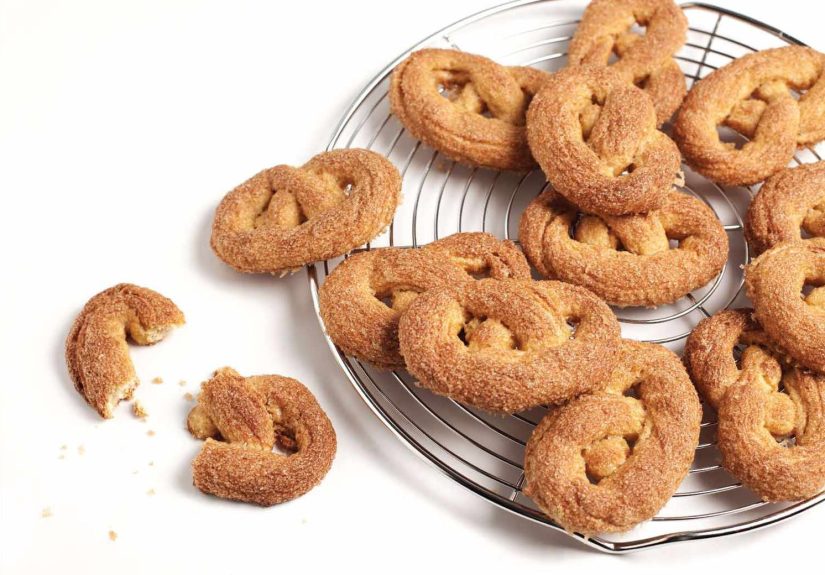
They’re warm, chewy, lightly crisp on the outside, and finished with a buttery brown-sugar coating that tastes like “holiday market”
even if you’re wearing sweatpants and standing next to your microwave.
This article gives you a reliable, from-scratch recipe (plus a few smart shortcuts), explains the “why” behind the steps,
and finishes with real-world kitchen notes so your pretzels come out glossy, golden, and worth bragging about.
What “Dutch Pretzels” Usually Means (And Why Brown Sugar Fits So Well)
In American kitchens, “Dutch pretzels” can point to two delicious traditions:
-
Pennsylvania Dutch-style soft pretzels: yeasted, chewy pretzels (often baked) that can be topped sweet or salty.
This is the vibe most people expect when they want a warm, pull-apart pretzel. -
Dutch (Netherlands) sweet pretzels often called krakelingen: small, sweet, buttery pretzel-shaped treats
typically rolled in sugar for a crackly coating.
This recipe leans into the Pennsylvania Dutch soft-pretzel experiencebecause it’s the best match for a
brown sugar finish: the molasses notes caramelize, cling to warm butter, and make the pretzel taste like it has
its own cozy sweater.
The Pretzel “Secret”: The Alkaline Bath (No Lab Coat Required)
Classic pretzel flavor and color come from briefly exposing the shaped dough to an alkaline solution before baking.
At home, that usually means a baking soda bath (or baking soda baked first to make it more alkaline).
This step helps the surface gel slightly, improves browning, and gives you that unmistakable pretzel aroma.
You’ll see two options below:
a quick simmering bath (best crust, most “pretzely”), and a hot dip (less fussy, still good).
Either way, your reward is a pretzel that looks like it knows what it’s doing.
Dutch Pretzels With Brown Sugar (Soft, Chewy, Buttery)
Yield: 8 large pretzels (or about 48 bites)
Time: ~2 hours (mostly rising), plus baking
Skill level: Beginner-friendly with a tiny bit of confidence
Ingredients
Pretzel Dough
- 1 1/2 cups warm water (about 105–110°F)
- 2 1/4 teaspoons active dry yeast (1 packet)
- 2 tablespoons light brown sugar (for the dough)
- 1 1/2 teaspoons fine salt
- 1 tablespoon melted butter (or neutral oil)
- 4 cups all-purpose flour, plus a bit more as needed
Alkaline Bath (Choose One)
- Option A (best crust): 8 cups water + 1/2 cup baking soda (for a brief simmering bath)
- Option B (simpler): 4 cups very hot water + 1/2 cup baking soda (for a dip; less traditional, still tasty)
Finish: Brown Sugar Butter Coating
- 6 tablespoons unsalted butter, melted
- 1/2 cup packed light or dark brown sugar
- 2 teaspoons ground cinnamon (optional, but highly recommended)
- Pinch of fine salt (yes, even on sweet pretzelstrust the process)
Optional: Egg Wash (Prettier Shine)
- 1 egg yolk (or whole egg) + 1 tablespoon water, beaten
Optional “Dutch Treat” Glaze
- 3/4 cup powdered sugar + 1–2 tablespoons milk + 1/2 teaspoon vanilla
Step-by-Step Instructions
-
Wake up the yeast.
In a large bowl, stir warm water + yeast + brown sugar. Let it sit 5–8 minutes until foamy.
If it looks sleepy and flat, your water may have been too hot or too coldtry again with fresh yeast. -
Make the dough.
Stir in salt and melted butter. Add flour gradually and mix until a shaggy dough forms.
Knead by hand 6–8 minutes (or 4–5 minutes with a stand mixer) until smooth and elastic.
The dough should be soft and slightly tacky, not gluey. Add flour 1 tablespoon at a time if needed. -
Let it rise.
Place dough in a lightly greased bowl, cover, and let rise 45–60 minutes until roughly doubled.
If your kitchen is chilly, the dough may take a little longer. Dough doesn’t wear a watch. -
Shape the pretzels.
Heat oven to 425°F. Line 2 baking sheets with parchment.
Turn dough onto a lightly oiled (or very lightly floured) surface and divide into 8 equal pieces.
Roll each piece into a 22–26 inch rope. Make a U-shape, cross the ends twice, then fold them down to form the classic pretzel.
(If yours looks abstract, you’ve invented artisanal pretzels. Congratulations.) -
Do the bath (this is the pretzel magic).
-
Option A (simmering bath): Bring 8 cups water to a gentle boil and carefully add baking soda (it will fizz).
Lower heat to a steady simmer. Dip each pretzel 20–30 seconds, flip once, then lift out with a slotted spatula.
Let excess drip for a moment, then place on the baking sheet. -
Option B (hot dip): Whisk baking soda into very hot water in a wide bowl.
Dip each pretzel for about 15–20 seconds, lift out, let drip, then place on the baking sheet.
-
Option A (simmering bath): Bring 8 cups water to a gentle boil and carefully add baking soda (it will fizz).
-
Egg wash (optional but pretty).
Brush with egg wash for shine and deeper browning. Skip it if you want a more rustic look. -
Bake.
Bake 12–15 minutes, rotating pans halfway, until deeply golden.
Let pretzels cool 3–5 minutesjust long enough so you don’t melt your fingerprints off. -
Brown sugar finish.
In a bowl, mix brown sugar + cinnamon + pinch of salt. Brush warm pretzels generously with melted butter,
then sprinkle (or roll) them in the brown sugar mixture.
For maximum cling, coat while the pretzels are warm. Warm pretzels are basically edible Velcro. -
Optional glaze.
Whisk powdered sugar + milk + vanilla until smooth, then drizzle.
This turns “snack” into “I deserve a moment.”
Why This Recipe Works (Quick, Useful Food Science)
-
Brown sugar in the dough adds mild sweetness and moisture, which helps keep the crumb tender.
It also nudges browning because of the molasses content. -
The alkaline bath boosts browning and builds a more “pretzel-like” crust and aroma.
You’re basically prepping the surface for a better bake. -
Butter-first coating matters: melted butter is the glue that makes the brown sugar topping stick
instead of sliding off like it’s late for an appointment.
Variations (Because One Pretzel Mood Is Not Enough)
1) Dutch Brown Sugar Pretzel Bites
Divide dough into 8 ropes, then cut each rope into 6–8 pieces. Bath them in batches and bake 10–12 minutes.
Toss in melted butter and brown sugar cinnamon. Great for parties, movie nights, or “I just walked past the kitchen again.”
2) Sweet-and-Salty “Dutch” Twist
After the butter brush, sprinkle with a mix of brown sugar and a tiny pinch of flaky salt.
The salt doesn’t make it saltyit makes it taste more like caramel.
3) Maple Brown Sugar Finish
Swap 2 tablespoons of the melted butter with maple syrup, then coat. The topping will be a little stickier and more candy-like.
4) Holiday Spice Version
Add 1/4 teaspoon nutmeg and 1/8 teaspoon cloves to the brown sugar mix. Suddenly your kitchen smells like December.
Troubleshooting: Pretzel Problems and the Fixes
My dough is tight and keeps shrinking.
Let it rest 8–10 minutes, then continue rolling. Gluten relaxes with time (and so do we).
My pretzels didn’t brown much.
Make sure the oven is fully preheated, don’t skip the bath, and consider the egg wash.
Also, check that you used enough baking soda in the bath.
The brown sugar topping fell off.
Coat while pretzels are warm and the butter is still glossy. If the pretzels cool too much,
rewarm for 2–3 minutes in the oven and try again.
The pretzels taste “soapy.”
That usually means too strong of a bath or not enough draining. Keep the dip brief,
let excess drip off, and don’t let pretzels soak.
Make-Ahead, Storage, and Reheating
- Same day is best. Soft pretzels are at their peak within a few hours.
-
Store: Keep cooled pretzels in an airtight container at room temp up to 1 day.
If already coated, the sugar may get slightly damp (still tasty). -
Freeze: Freeze uncoated pretzels (or bites) up to 2 months. Thaw, warm at 350°F for 8–10 minutes,
then butter + brown sugar coat. - Reheat: 325–350°F for 5–8 minutes. Microwave works in a pinch, but it softens the crust.
Serving Ideas (Beyond “Standing Over the Sink”)
- Serve with hot coffee, chai, or cocoabrown sugar loves warm drinks.
- Pair with cream cheese frosting dip for a “mall pretzel” throwback.
- Slice and toast leftover pretzels, then top with vanilla ice cream and a drizzle of caramel.
- Make mini bites for brunch boards alongside fruit, yogurt, and salty nuts.
If You Meant Netherlands-Style Dutch Pretzels (Krakelingen) Instead
If your idea of “Dutch pretzels” is more like a sweet, sugar-crackly treat than a chewy soft pretzel,
you’re thinking of krakelingen. They’re typically enriched (buttery/eggy), smaller, and rolled in sugar.
You can absolutely use light brown sugar for part of the coating to get a warmer caramel note.
Shortcut approach: Use this same dough, skip the alkaline bath, shape smaller pretzels,
brush with egg wash, then roll in brown sugar (or a mix of brown + granulated sugar) before baking at 400°F until golden.
The result won’t be identical to traditional krakelingen, but it scratches the same sweet-Dutch itch beautifully.
Kitchen Notes & Real-World Experiences (The Part Where You Learn From Other People’s Mistakes)
People tend to think pretzels are “advanced baking,” but the truth is they’re just bread with one extra step and a big personality.
The first time home bakers try a brown sugar pretzel finish, the most common reaction is surprise at how much the topping changes
the whole experience. A salted pretzel is snacky. A brown sugar pretzel feels like dessert that accidentally learned how to be fun at parties.
One of the most useful real-kitchen lessons: shape doesn’t matter nearly as much as timing.
If you nail the rise and don’t overbake, even lopsided pretzels taste incredible. Many bakers discover their “signature style”
is simply the shape their dough naturally prefers. (If anyone asks, say it’s “Dutch rustic.”)
Another frequent discovery is that the brown sugar coating has a sweet spot window.
Coat too earlystraight out of the ovenand the butter can melt the sugar into a syrupy layer that soaks in.
Coat too late and the sugar won’t cling, leaving you with a lonely pile of cinnamon sugar in the bowl.
The happiest middle ground is usually 3–5 minutes after baking: warm enough to grab the topping,
cool enough to keep it from turning into caramel soup.
If you’re making these for a group, pretzel bites are the undefeated choice. They bake faster, coat faster,
and everyone gets more of the best part (the brown sugar butter) per ounce of pretzel.
Home cooks also like bites because the alkaline bath feels less intimidating in small piecesquick dip, quick drain, done.
Plus, bites make it easier to offer “choose your own adventure” toppings:
half cinnamon-brown sugar, half plain, half with a drizzleyes, that’s three halves. Pretzel math is emotional, not mathematical.
Families often turn pretzel-making into a kitchen activity because the steps have built-in pauses:
mix and knead, then rise; shape, then bake. Those pauses are perfect for cleaning up flour clouds
or letting kids “decorate” pretzels with sugar (which, mysteriously, always ends up on the floor too).
A practical tip from many busy kitchens: pre-measure the topping into a wide, shallow bowl and set it next to the butter.
The assembly line goes fast, and fast is good because warm pretzels wait for no one.
Finally, if you want these to taste like the best version of “sweet pretzel you’ve ever had,” don’t skip the pinch of salt in the topping.
It doesn’t make the pretzels saltyit makes the brown sugar taste deeper and more caramel-like.
It’s the difference between “sweet” and “sweet, but interesting,” which is basically what we all want in life and baked goods.
Conclusion
Dutch pretzels with brown sugar are the kind of recipe that feels impressive but behaves like comfort food.
Once you’ve made them once, you’ll start spotting opportunities everywhere: cozy weekends, holiday trays, game days,
brunch boards, and “I need a win today” Tuesdays. Keep the method, play with the toppings, and let the pretzels do what they do best:
make your kitchen smell like you have your life together.