Table of Contents >> Show >> Hide
- What Is Red Light Therapy, Exactly?
- Does Red Light Therapy Work? What the Evidence Supports (and What It Doesn’t)
- 1) Skin: Fine Lines, Texture, and “Tired Face” Energy
- 2) Acne: Helpful for Inflammation, Not a Solo Superhero
- 3) Hair Growth: A Real Use Case (With Real Patience Required)
- 4) Pain and Inflammation: Promising for Some, Mixed for Others
- 5) Wound Healing and Recovery Support
- 6) Oral Mucositis in Cancer Care: One of the Stronger Clinical Niches
- What About Weight Loss, Hormones, and “Full-Body Detox”?
- What a Red Light Therapy Treatment Looks Like
- How to Choose a Red Light Therapy Device Without Getting Fooled by a Pretty Glow
- Risks, Side Effects, and Who Should Be Careful
- How to Get the Best Results (Without Turning Your Bathroom Into a Spaceship)
- FAQs
- Real-World Experiences (500+ Words): What People Notice, What Surprises Them, and What’s Just Marketing
- Conclusion
Red light therapy has officially joined the wellness hall of fameright between “drink more water” and “have you tried turning it off and on again?” You’ve probably seen LED masks that make people look like futuristic lobsters, panels that glow like a sci-fi sunrise, or spa menus that promise everything from smoother skin to less pain to “vibes.”
But here’s the real question: does red light therapy actually work, or is it just mood lighting with better PR? Let’s break down what red light therapy (also called photobiomodulation) can realistically do, how treatments work, what the evidence looks like for common uses, and what risks deserve your attentionespecially if you’re buying an at-home device.
What Is Red Light Therapy, Exactly?
Red light therapy (RLT) is a noninvasive treatment that uses specific wavelengths of red and sometimes near-infrared light. The goal isn’t to heat or burn skin (this is not a tiny indoor tanning bed), and it doesn’t rely on ultraviolet (UV) rays. Instead, the light is delivered at relatively low power to support cellular processesparticularly those linked with inflammation control and tissue repair.
In medical and research settings, you’ll often hear the umbrella term photobiomodulation (PBM) or low-level light therapy (LLLT). Same family, slightly different name tags.
How It’s Thought to Work (Without the Buzzwords)
Your cells contain mitochondriatiny energy factories that help produce ATP (the “fuel” cells run on). Some research suggests certain wavelengths of red or near-infrared light may influence mitochondrial activity, which can affect signaling pathways tied to inflammation and repair.
Translation: it’s less “magic glow” and more “gentle nudge” to biology. Results, when they happen, tend to be subtle and cumulativenot overnight superhero transformations.
Does Red Light Therapy Work? What the Evidence Supports (and What It Doesn’t)
The effectiveness of red light therapy depends heavily on the condition, the device, and the treatment dose (wavelength, intensity, duration, and frequency). Some applications have encouraging evidence; others are still stuck in the land of “interesting, but not proven.”
1) Skin: Fine Lines, Texture, and “Tired Face” Energy
Red light therapy is most commonly marketed for skin rejuvenationfine lines, wrinkles, dullness, and overall texture. A number of dermatology-focused studies suggest it may support collagen-related improvements and reduce inflammation, which can translate to modest visible changes over time.
The biggest catch? Not all devices deliver the same dose. Professional systems used in dermatology offices are typically more powerful and more consistent than many home gadgets. If you’re comparing a clinic-grade device to a mask you bought during a 2 a.m. online shopping spiral, expectations should be… proportionate.
2) Acne: Helpful for Inflammation, Not a Solo Superhero
For acne, light therapy often involves blue light (to target acne-causing bacteria) plus red light (to help calm inflammation). Evidence suggests at-home red/blue LED devices may improve mild-to-moderate acne for some people, especially as an adjunct to standard care.
What it usually won’t do: replace all acne treatments forever. If your acne is moderate-to-severe, cystic, or scarring, a dermatologist-guided plan (topicals, oral meds, hormonal options, etc.) is often more reliable than hoping your face mask can do graduate-level medicine.
3) Hair Growth: A Real Use Case (With Real Patience Required)
Low-level light therapy has been studied for androgenetic alopecia (pattern hair loss). Some research shows improvements in hair density when people use FDA-cleared devices consistently for months.
The unglamorous truth: results tend to fade if you stop. Think of it like brushing your teethno one gets to do it for three weeks and then retire.
4) Pain and Inflammation: Promising for Some, Mixed for Others
PBM/LLLT has been studied for musculoskeletal pain and inflammatory conditions (like osteoarthritis pain or certain soft tissue injuries). Some reviews suggest benefits for pain, stiffness, and function in specific contexts, but results across studies can be inconsistent due to differences in dose, device type, and treatment schedules.
A practical way to view it: red light therapy may be a supporting actor in a pain-management plan (alongside movement, physical therapy, sleep, and medical guidance), not always the lead character.
5) Wound Healing and Recovery Support
Because PBM has been explored for its effects on inflammation and tissue repair pathways, it’s also studied in wound healing contexts. That said, the “home wellness” version of red light therapy shouldn’t be used to self-manage serious wounds without clinical direction. If a wound is deep, infected, diabetic-related, or not healing, the correct treatment is a healthcare professionalnot a glowing panel and optimism.
6) Oral Mucositis in Cancer Care: One of the Stronger Clinical Niches
In medical settings, low-level laser/light therapy has been used to help prevent or reduce oral mucositis (painful mouth sores) in some people undergoing cancer treatment. This is typically clinic-based therapy under professional protocols.
What About Weight Loss, Hormones, and “Full-Body Detox”?
If you see claims that red light therapy melts fat, “balances hormones,” or fixes every organ system like a software updatetreat those like spam emails. Some early studies explore broad effects, but that is not the same as strong clinical proof for big, sweeping promises.
What a Red Light Therapy Treatment Looks Like
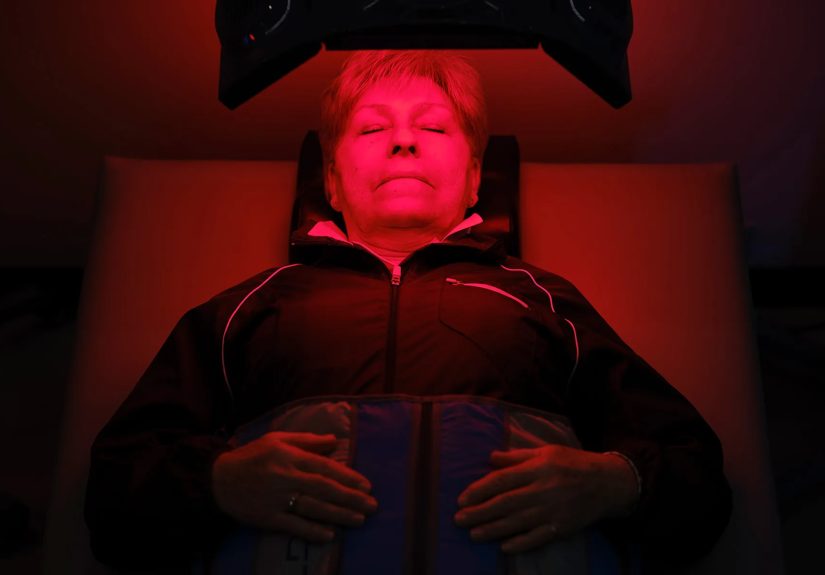
Red light therapy sessions vary depending on the device and the goal, but most follow the same basic format: you position the light source near the target area, protect your eyes if needed, and stay still for a set time.
In-Office Treatments
- Pros: Higher-quality equipment, professional dosing, better safety controls, and a clinician who can tell you if your plan makes sense.
- Cons: Cost, scheduling, and you’ll still need multiple sessions for meaningful results.
At-Home Devices (Masks, Panels, Wands, Caps)
- Pros: Convenience, privacy, and cost may be lower long-term.
- Cons: Huge variation in quality, intensity, and accuracy of claims. Results can be slower or minimal if the device is weak or inconsistent.
Typical Timing and Frequency
Many home devices suggest sessions in the neighborhood of 10–20 minutes, several times per week, for weeks to months. But the ideal “dose” depends on more than time. In PBM research, dose is often discussed in terms of energy delivered to tissuemeaning intensity matters.
The most evidence-aligned mindset is: consistent, moderate use over time beats random marathon sessions. More is not always betterespecially if you start irritating your skin or ignoring eye safety.
How to Choose a Red Light Therapy Device Without Getting Fooled by a Pretty Glow
The market is crowded. Some devices are carefully designed; others are basically decorative lamps with ambition. Here’s what actually helps you separate “potentially useful” from “likely disappointing.”
1) Look for Clear Specs (Not Just Vibes)
- Wavelength: Many devices use red light in the mid-600 nm range and/or near-infrared in the 800 nm range (exact specs vary).
- Irradiance (intensity): Often reported as mW/cm². This influences how much energy your tissue receives in a given time.
- Treatment area and distance: A strong panel used too far away can be less effective; a small mask may not cover everything evenly.
- Timer and safety features: Auto shutoff can prevent accidental overuseespecially if you’re the type to “just rest your eyes for a second.”
2) Understand FDA Language: “Cleared” Isn’t “Approved”
In the U.S., some light therapy devices are FDA-cleared for specific indications (like hair regrowth or wrinkle reduction), often through the 510(k) process. That doesn’t mean the FDA is declaring the device a miracleit means the device met certain regulatory requirements for that category and is considered substantially equivalent to a legally marketed device for that intended use.
Be cautious with vague marketing like “FDA registered.” Registration is not the same as clearance for a specific claim. If a company won’t clearly state the intended use and regulatory status, that’s not “mysterious.” It’s inconvenient.
3) Match the Device to the Goal
- Skin (face): Masks can be convenient, but check fit and eye exposure.
- Hair: Caps, helmets, or combs designed for scalp coverage are common.
- Body pain: Larger panels may be more practical for knees, back, or shoulders than a tiny wand.
4) Avoid Wild Claims
A reasonable device description sounds like: “may help improve the appearance of fine lines with regular use.” A suspicious one sounds like: “rewrites your cellular destiny, upgrades your immune system, and cancels your student loans.”
Risks, Side Effects, and Who Should Be Careful
Red light therapy is generally considered to have a good safety profile when used appropriately, but “safe” doesn’t mean “risk-free for everyone.” The most common problems come from misuse, poor device design, or ignoring personal medical factors.
Common Side Effects
- Skin irritation: Mild redness, tightness, or drynessoften from overuse or sensitive skin.
- Headache or eye strain: Especially if the light is bright and you aren’t protecting your eyes.
- Heat discomfort: Quality PBM devices aren’t designed to cook you, but some devices can still feel warm.
Eye Safety: Not Optional
If a device is near your face, treat eye protection seriously. Even if red light isn’t UV, bright LEDs (and especially laser-based systems) can be uncomfortable or potentially risky with improper exposure. Follow manufacturer instructions, keep eyes closed when appropriate, use provided goggles if recommended, and don’t stare into the light like it owes you money.
This matters even more for niche uses involving the eye (like myopia-control red-light devices marketed overseas or online), where ophthalmology experts have raised safety concernsparticularly for childrenwhen devices are not carefully designed or administered.
Photosensitivity: Medications and Conditions That Raise Risk
Some medications and health conditions increase sensitivity to light. If you have a photosensitive condition (or take meds known for photosensitivity), talk with a clinician before using RLTespecially on the face. Examples can include certain antibiotics, acne medications, diuretics, and autoimmune conditions that flare with light exposure.
Cancer Concerns: The Nuanced Answer
Because PBM influences cellular signaling, people understandably ask, “Could this stimulate cancer?” Current reviews and expert discussions do not support the idea that typical PBM doses cause DNA damage, but this is still an area where context matters. If you have an active malignancy, a history of skin cancer, or you’re using RLT over suspicious lesions, don’t DIY thisget medical guidance.
When to Avoid or Get Medical Advice First
- Unexplained rashes, new growths, or suspicious skin lesions
- Known photosensitivity disorders or severe melasma that worsens with light
- Eye disease or history of retinal problems (especially if using devices close to the eyes)
- Pregnancy (out of caution, especially avoiding direct use over the abdomen unless medically supervised)
- Children using eye-related red-light devices without ophthalmology supervision
How to Get the Best Results (Without Turning Your Bathroom Into a Spaceship)
Set realistic goals
Red light therapy is best framed as a gradual helper. If it works for you, improvements often appear over weeks to months. For skin, you may notice more even tone, mild smoothing, or reduced rednessnot instant “airbrushed” perfection.
Be consistent, not extreme
Skipping for two weeks and then doing a heroic 45-minute session is the wellness equivalent of trying to get fit by watching one inspirational montage. Follow the device schedule and back off if irritation starts.
Combine wisely
For acne or aging, red light therapy tends to work best as part of an overall plangentle skincare, sun protection, and targeted treatments recommended by a dermatologist. For pain, pair it with movement and rehab strategies.
Track outcomes like an adult scientist (with a phone camera)
Take a baseline photo in consistent lighting, note symptom scores (pain level, breakout frequency), and reassess every 3–4 weeks. Your memory is not a reliable medical instrumentespecially when the mirror is involved.
FAQs
Is red light therapy the same as infrared sauna or heat therapy?
Not exactly. PBM uses light at relatively low power to influence cellular signaling pathways. Infrared saunas and heat therapies focus on warming tissue and inducing sweating. They may overlap in marketing, but they’re not identical tools.
Can red light therapy replace retinol, lasers, or dermatologist treatments?
Usually no. It may complement skincare routines, but it’s not the same as prescription-grade treatments or in-office procedures for significant concerns.
How soon do people see results?
If you respond, many people report changes after several weeks, with more noticeable differences after a few months of consistent use. If nothing changes after a sustained, proper trial, the deviceor the goalmay not be a good match.
Is it safe for darker skin tones?
Red light therapy is generally considered noninvasive and not UV-based, but individual responses vary. If you have a history of hyperpigmentation or melasma, discuss with a dermatologist and start cautiously.
Real-World Experiences (500+ Words): What People Notice, What Surprises Them, and What’s Just Marketing
Let’s talk about the part most articles skip: what using red light therapy feels like in real lifewhen it’s not staged for a perfectly lit social media video with “Day 1 vs Day 7” captions and suspiciously different angles.
Experience #1: The “I Bought a Mask and Now I’m Committed” Phase. Many first-time users describe the routine as oddly calming. You put on the mask, lie down for 10–20 minutes, and suddenly you’re doing something that looks productive while also doing absolutely nothing. It’s self-care with a time limit. People often say the biggest early “benefit” is simply sticking to a consistent routineespecially at night, when the mask becomes a cue to stop doom-scrolling.
Experience #2: Subtle Skin Changes That Don’t Scream, “I HAD A THING DONE.” When red light therapy helps with skin, the most common reports are not dramatic: a little less redness, skin that looks slightly more even, and a softer appearance to fine lines (often described as “my face looks less tired”). It’s the kind of result that makes you feel better, but doesn’t necessarily prompt your neighbor to ask for your dermatologist’s phone number. People who expect instant changes often quit too early. The folks who stick with it tend to treat it like brushing teethsmall daily-ish efforts, compounding over time.
Experience #3: Acne Users Notice Inflammation Shifts More Than “Zero Pimples Forever.” People using red/blue LED devices for acne frequently report fewer angry-looking inflamed spots and a shorter “life cycle” for breakouts. But they also report that it’s not a free pass to ignore skincare basics. Over-washing, harsh actives, picking, and inconsistent sleep still win the sabotage Olympics. Many find the best results when light therapy is paired with a simple routine and (when needed) dermatologist-approved treatments.
Experience #4: Hair Growth Feels Like Watching Grass Grow… Indoors. Hair-focused devices (caps/helmets/combs) come with a very specific emotional journey: hope, impatience, skepticism, then either “hey, wait…” or “I guess I own a glowing hat now.” People who do see improvement usually describe it as reduced shedding first, then gradual thickening in certain areas. The commitment is real: multiple sessions per week for months. And the common realization is that maintenance mattersstop completely and you may lose momentum.
Experience #5: Pain Relief Can Be RealBut It’s Not Always Instant, and It’s Not Always the Light. For body pain, user reports are all over the map. Some describe a gentle reduction in stiffness or a quicker “settling” after workouts. Others feel nothing. A frequent pattern is that the people who benefit also tend to combine RLT with movement and rehab work, which makes it hard to isolate cause and effect in everyday life. The most helpful framing is: red light therapy might be one supportive tool in a broader recovery strategy, not a one-step replacement for strength, mobility, and clinical guidance.
Experience #6: The Most Common “Negative Experience” Is User Error. The most frequent complaints are irritation (from overdoing it), headaches or eye strain (from skipping eye protection), and disappointment (from expecting a $99 mask to perform like a clinic device). People also report confusion about device specs and wildly different instructions across brands. The practical takeaway is boring but effective: buy from reputable manufacturers, follow directions, start gradually, and treat eye safety like it matters because it does.
In short, the lived experience of red light therapy tends to reward consistency, realistic expectations, and basic safety habits. It’s not a miracle. But for some peopleused correctlyit can be a genuinely useful add-on that makes skin, hair, or aches feel a bit more manageable.
Conclusion
Red light therapy sits in a sweet spot: noninvasive, generally well-tolerated, and backed by a growing body of research for specific uses like skin support, certain acne routines, hair regrowth devices, and some pain/inflammation applications. The catch is that outcomes depend on the right device, the right dose, and the right expectations. If you treat it like a long-term routinenot a one-week makeoverand keep eye safety and individual medical factors in mind, red light therapy can be a reasonable complement to evidence-based care.