Table of Contents >> Show >> Hide
- What Are Retinoids, Exactly?
- What Skin Problems Can Retinoids Help?
- Retinoid vs. Retinol: What’s the Difference?
- How to Start Retinoids Without Starting Drama
- What Side Effects Are Common?
- What Should You Avoid While Using a Retinoid?
- Who Should Be Extra Careful?
- How Long Do Retinoids Take to Work?
- How to Build a Simple Retinoid Routine
- Common Retinoid Mistakes
- Experiences With Retinoid Treatment: What the Journey Often Feels Like
- Final Takeaway
If skin care ingredients had a high school yearbook, retinoids would win both “Most Likely to Succeed” and “Most Likely to Make You Peel for Two Weeks Before Getting Their Act Together.” They are famous, effective, a little intimidating, and often misunderstood. Some people swear retinoids changed their skin. Others try one tube, get dry and flaky, and decide the whole category is a personal attack.
Here’s the truth: retinoids are among the best-studied topical treatments in dermatology. They can help unclog pores, smooth fine lines, fade post-acne marks, improve texture, and support healthier-looking skin over time. But they are not magic frosting you smear on at bedtime and wake up looking like a filtered selfie. They work best when you choose the right type, use it correctly, and give it time.
This guide breaks down what retinoids are, what they can actually do for acne and wrinkles, how to start without irritating your face into a formal complaint, and what kind of results you can realistically expect.
What Are Retinoids, Exactly?
Retinoids are vitamin A derivatives used in skin care and dermatology. They speed up skin cell turnover, help keep pores from clogging, and can improve the look of fine lines, rough texture, and uneven tone over time. In plain English, they encourage your skin to behave a little more like it did when it had fewer problems and a lot less stress.
The term retinoid covers both over-the-counter and prescription ingredients. You’ll usually see a few familiar names:
- Retinol: a gentler over-the-counter option often used for early signs of aging and mild texture concerns.
- Adapalene: a topical retinoid widely used for acne; some strengths are available without a prescription.
- Tretinoin: a prescription retinoid used for acne and photoaging concerns such as fine wrinkles and roughness.
- Tazarotene: a stronger prescription retinoid used for acne, psoriasis, and certain aging-related skin concerns.
Not all retinoids feel the same on the skin. Some work faster, some are better tolerated, and some are simply not beginner material unless your skin barrier has a black belt.
What Skin Problems Can Retinoids Help?
1. Acne and Clogged Pores
Retinoids are a classic treatment for acne because they target one of the biggest root problems: clogged pores. They help prevent dead skin cells and oil from piling up and forming blackheads, whiteheads, and the early stages of breakouts. That is why dermatologists often use them as a backbone treatment for comedonal acne and as part of combination therapy for inflammatory acne.
If your skin story includes tiny bumps on the forehead, stubborn chin acne, or pores that seem to collect debris like they’re building a museum, a retinoid may be especially helpful. Adapalene is often a starter favorite because it can be effective for mild to moderate acne and is easier to access than prescription treatments.
Retinoids can also help reduce the lingering aftermath of acne, including post-inflammatory hyperpigmentation and rough texture. They will not erase deep scars overnight, but they can support smoother, clearer-looking skin over time.
2. Fine Lines and Wrinkles
Retinoids earned their anti-aging reputation for a reason. Prescription-strength retinoids, and to a lesser extent some over-the-counter retinol products, can improve the appearance of fine wrinkles, dullness, and uneven texture. They help skin look smoother and more refined with continued use.
This is not the same as turning back time to freshman year. Retinoids are best for fine lines, early sun damage, and overall skin texture. Deeper folds, significant sagging, and volume loss usually need other strategies. Think of retinoids as a smart long-term investment, not a one-night rescue mission before a reunion.
3. Dark Spots and Uneven Tone
Because retinoids increase cell turnover, they can help fade discoloration left behind by acne and improve a blotchy, uneven complexion. They are commonly used as part of a routine for sun damage, rough patches, and post-breakout marks. If your skin has moved on from acne emotionally but not visually, this is where retinoids can be especially satisfying.
4. Texture Problems and Rough Skin
Skin that feels bumpy, dull, or uneven can benefit from the smoothing effect of retinoids. Many people start using them for acne and stay for the bonus round: fewer rough spots, a more even surface, and makeup that stops clinging to random flakes like it pays rent there.
5. Psoriasis and Other Dermatologist-Managed Concerns
Some retinoids, especially tazarotene, are also used in dermatologist-directed treatment plans for conditions such as psoriasis. This is where skin care becomes medicine, and it is a good reminder that retinoids are not just trendy beauty ingredients. They are legitimate therapeutic tools.
Retinoid vs. Retinol: What’s the Difference?
This is where many people get confused. Retinol is a type of retinoid, but not all retinoids are retinol. Over-the-counter retinol products are usually milder and often better for beginners, sensitive skin, or people mainly focused on early aging concerns. Prescription retinoids like tretinoin and tazarotene are stronger and generally work faster, but they are also more likely to cause dryness, peeling, and irritation at the start.
A simple way to think about it:
- If you want a gentle entry point, mild acne support, or beginner anti-aging care, start with a well-formulated retinol or adapalene product.
- If you have persistent acne, more visible sun damage, or want stronger results, a prescription retinoid may be worth discussing with a dermatologist.
How to Start Retinoids Without Starting Drama
Retinoids work best when introduced with patience. Skin usually adapts better when you avoid the “more is more” approach.
Use a Pea-Sized Amount
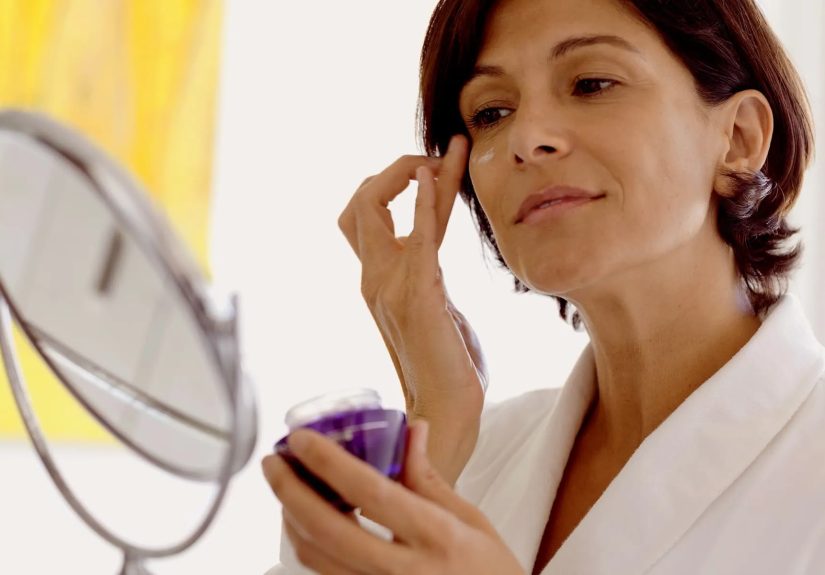
For the whole face, a pea-sized amount is usually enough. Not a grape. Not a golf ball. A pea. More product does not mean faster results; it usually means faster irritation.
Apply at Night
Most retinoids are used in the evening. Start with clean, dry skin. Many dermatology experts suggest waiting a bit after washing your face before applying, especially if your skin is sensitive.
Start Slow
Try every other night, or even two to three nights a week if you are easily irritated. Once your skin adjusts, you can gradually increase frequency. Consistency beats intensity here.
Moisturize Like You Mean It
A bland, fragrance-free moisturizer can make the difference between “This is working nicely” and “Why do I look like a croissant?” Some people use the sandwich method: moisturizer first, then retinoid, then moisturizer again. It is not cheating. It is strategy.
Wear Sunscreen Daily
If you skip sunscreen while using retinoids, you are basically mopping the floor while someone pours juice behind you. Retinoids can make skin more sun-sensitive, and daily broad-spectrum SPF is essential if you want the benefits without sabotaging them.
What Side Effects Are Common?
The early adjustment period is sometimes called “retinization,” which sounds elegant but often feels like dryness, flaking, redness, stinging, or tightness. These effects are common, especially in the first few weeks.
Common side effects include:
- Dryness
- Peeling or flaking
- Redness
- Mild burning or stinging
- Increased sun sensitivity
If your face feels raw, painfully irritated, or persistently inflamed, back off and reassess. You may need a lower strength, less frequent use, fewer active ingredients in the rest of your routine, or a different product altogether.
What Should You Avoid While Using a Retinoid?
When starting a retinoid, do not pile on every “transformative” product you own like you are assembling an Avengers team for your pores. Too many harsh actives can overwhelm the skin barrier.
Be cautious with:
- Physical scrubs
- Strong exfoliating acids used too often
- Harsh cleansers
- Alcohol-heavy toners
- Multiple irritating acne treatments all at once
That does not mean retinoids can never be combined with other effective ingredients. In acne care, retinoids are often paired with benzoyl peroxide, topical antibiotics, azelaic acid, or salicylic acid. But the timing, formulation, and overall routine matter. If your skin is already irritated, adding more “help” can make things worse.
Who Should Be Extra Careful?
Retinoids are not a universal fit. If you have very sensitive skin, eczema-prone skin, significant rosacea flare-ups, or a damaged skin barrier, you may need a gentler plan. Pregnancy and trying to conceive are also important considerations. Tazarotene is particularly known for strong pregnancy warnings, and many clinicians advise avoiding retinoids during pregnancy unless a qualified medical professional tells you otherwise.
If you are dealing with severe acne, painful cysts, worsening pigmentation, or irritation that does not settle down, it is smart to see a dermatologist instead of trying to troubleshoot with internet bravery.
How Long Do Retinoids Take to Work?
This part matters because people quit too early. Retinoids are not a “by Friday” ingredient. For acne, you may see some early changes in about four to six weeks, but clearer improvement often takes two to three months or longer. For wrinkles, uneven tone, and texture, the timeline is usually longer and depends on the product strength and consistency.
In other words, retinoids are more crockpot than microwave. Not glamorous, but very often worth it.
How to Build a Simple Retinoid Routine
For Acne-Prone Skin
- Gentle cleanser
- Light, non-comedogenic moisturizer
- Retinoid at night
- Broad-spectrum sunscreen every morning
For Wrinkles and Texture
- Gentle cleanser
- Moisturizer
- Retinoid in the evening
- Vitamin C in the morning if tolerated
- Daily sunscreen, no excuses
The best routine is usually boring in the best possible way. Gentle cleanser, moisturizer, sunscreen, retinoid. That is a strong lineup. You do not need eleven serums and a crystal roller that looks like it belongs in a fantasy novel.
Common Retinoid Mistakes
- Using too much product
- Applying it every night from day one
- Skipping moisturizer
- Skipping sunscreen
- Changing products every few days
- Expecting instant results
- Using it on already irritated or sunburned skin
Most retinoid failures are not because retinoids do not work. They fail because the routine was too aggressive, too inconsistent, or too unrealistic.
Experiences With Retinoid Treatment: What the Journey Often Feels Like
Retinoid treatment is not just a skin care step; for many people, it becomes a whole little chapter in their mirror-life. The experience often starts with optimism. Someone buys a tube after hearing that it helps acne, fine lines, dark marks, texture, and possibly emotional healing from bad lighting. The first night feels exciting. The second night still feels responsible. By the end of week one, there is often a moment of panic: “Why is my face suddenly dry enough to file paperwork?”
That early phase is common. Many users describe the first few weeks as a weird mix of hope and betrayal. They may notice flaking around the mouth, tightness near the nose, or makeup refusing to sit nicely. Some say their skin looks worse before it looks better, not necessarily because the retinoid is failing, but because the skin is adjusting and irritation can make everything feel more dramatic. This is often when people are tempted to quit. Ironically, it is also when patience matters most.
Then comes the experimentation phase. People learn that a pea-sized amount really does mean a pea-sized amount. They discover that applying retinoid to damp skin can feel like inviting chaos. They become unexpectedly loyal to a bland moisturizer. Some start using the product every other night and find that their skin calms down. Others realize they were layering too many acids, scrubs, spot treatments, or “brightening” products at the same time. The routine gets simpler, and the skin usually gets happier.
By the second or third month, the experience often changes. Acne-prone users may notice fewer clogged pores and less congestion, especially around the forehead, chin, and jawline. People using retinoids for aging concerns often say the first thing they notice is not dramatic wrinkle removal but smoother texture, a fresher look, and skin that reflects light better. It is less “I woke up ten years younger” and more “Why does my skin suddenly look like it drinks water and minds its business?”
Long-term users often describe retinoids as one of the few skin care steps that truly earns permanent shelf space. Not because it is glamorous, but because it is dependable. The routine becomes ordinary: cleanse, moisturize, retinoid, sleep, sunscreen, repeat. The excitement fades, but the results quietly build. Breakouts become easier to manage. Rough patches soften. Makeup goes on better. Fine lines do not disappear into thin air, but the skin can look more even, more polished, and more resilient.
Of course, not every experience is a success story on the first try. Some people need a different strength. Some need a cream instead of a gel. Some do better with adapalene than tretinoin. Some discover that their skin simply wants a gentler retinol or a slower schedule. And that is part of the real retinoid experience too: finding the version your skin can actually live with. Good skin care is rarely about copying someone else’s routine exactly. It is about finding the pace, formula, and frequency that your own face will tolerate without staging a protest.
In the end, the retinoid journey tends to reward consistency more than intensity. The people who do best are usually not the ones who attack their skin with the strongest product on day one. They are the ones who start slowly, protect their barrier, wear sunscreen, and keep going long enough to let the ingredient do its job. Not thrilling advice, perhaps, but skin loves boring discipline more than dramatic enthusiasm.
Final Takeaway
Retinoids deserve their reputation. They can be genuinely effective for acne, fine lines, uneven texture, and post-breakout discoloration. But the best results usually come from choosing the right retinoid, starting slowly, using a moisturizer, wearing sunscreen every day, and staying consistent long enough to see the payoff.
If you are new to the category, you do not need to be fearless. You just need to be sensible. Start low, go slow, and remember: the goal is healthier-looking skin, not winning a peeling contest.