Table of Contents >> Show >> Hide
- Can Rheumatoid Arthritis Cause Itching?
- Main Causes of Rheumatoid Arthritis Itching Attacks
- What Rheumatoid Arthritis Itching May Feel Like
- Relief Tips for Rheumatoid Arthritis Itching Attacks
- When to Call a Doctor Quickly
- Practical Examples: What Might Be Going On?
- Living With RA Itching: Real-World Experience and Coping Tips
- Conclusion
Rheumatoid arthritis is famous for causing swollen joints, morning stiffness, and the kind of hand pain that makes opening a pickle jar feel like a competitive sport. But for some people, RA comes with a less expected guest: itching attacks. The itch may show up as a random crawl under the skin, a burning rash, dry patches, hives, or an angry injection-site reaction that seems personally offended by your existence.
The tricky part is that rheumatoid arthritis itching is not always caused by RA itself. It may be related to inflammation, dry skin, medication side effects, allergic reactions, infection risk, shingles, eczema, psoriasis, or another condition that happens to be wearing the same “itchy and annoying” costume. That is why the smartest approach is not just to scratch and hope for the best. It is to understand possible causes, look for warning signs, and use relief strategies that protect your skin without interfering with your RA treatment plan.
This guide explains why itching attacks may happen with rheumatoid arthritis, what symptoms deserve medical attention, and practical relief tips that can help calm the skin while you work with your doctor or rheumatologist to address the real cause.
Can Rheumatoid Arthritis Cause Itching?
Yes, rheumatoid arthritis can be connected to itching, but it is not one of the classic “headline” symptoms like joint pain, swelling, fatigue, and stiffness. RA is an autoimmune disease, which means the immune system mistakenly attacks healthy tissue. Although the joints are the main target, RA is systemic, so it can affect the skin, eyes, blood vessels, lungs, heart, and other areas of the body.
When the skin gets involved, people may notice rashes, bumps, dryness, bruising, ulcers, or irritation. Some of these problems itch. Others do not itch but become itchy because the skin barrier is damaged, inflamed, dry, or repeatedly scratched. In other words, RA may not always press the “itch button” directly, but it can create the perfect little circus tent for itching to perform.
Main Causes of Rheumatoid Arthritis Itching Attacks
1. Dry Skin and a Weakened Skin Barrier
Dry skin is one of the most common causes of itching in general, and people with RA are not magically excused from this very ordinary misery. Cold weather, hot showers, harsh soaps, low humidity, aging skin, and frequent handwashing can strip moisture from the skin. Once the skin barrier becomes dry and cracked, nerve endings become more reactive, and itching can turn from “mildly annoying” to “why does my elbow feel like it has Wi-Fi static?”
Dry skin may look flaky, rough, tight, ashy, or scaly. It often gets worse after bathing or at night. For people with RA, dry skin can be extra frustrating because joint stiffness may make it harder to apply lotion evenly, especially to the back, feet, or lower legs.
2. Medication Side Effects
Several rheumatoid arthritis medications can cause skin reactions in some people. These reactions may include itching, rash, hives, redness, photosensitivity, peeling, or injection-site irritation. Medicines such as methotrexate, leflunomide, sulfasalazine, biologics, and targeted immune therapies can be extremely helpful for controlling RA, but every medication has potential side effects.
Medication-related itching may appear soon after starting a new drug, after a dose change, or after an injection or infusion. Sometimes it is mild and manageable. Other times, itching may signal an allergic reaction or a more serious skin reaction. Never stop an RA medication on your own unless a medical professional tells you to do so, because untreated RA inflammation can cause joint damage and other complications. Instead, call your doctor and describe the timing, location, appearance, and severity of the itch.
3. Injection-Site Reactions
Many biologic and targeted RA treatments are injected under the skin. That can lead to temporary redness, swelling, itching, warmth, or tenderness around the injection area. The reaction may look like a small raised patch or a mild rash. In many cases, it improves within a few days.
However, injection-site itching should be discussed with your healthcare team if it becomes severe, spreads beyond the injection area, blisters, drains fluid, or comes with fever, dizziness, trouble breathing, facial swelling, or widespread hives. Your skin should not be auditioning for a medical drama.
4. Rheumatoid Vasculitis
Rheumatoid vasculitis is an uncommon but serious complication in which inflammation affects blood vessels. It may cause red or purple spots, skin ulcers, bruising-like patches, pain, numbness, tingling, or wounds that heal slowly. Some vasculitis-related skin changes can itch, burn, or feel tender.
This is not a “slap on moisturizer and move along” situation. If you have RA and develop a new rash with purple spots, ulcers, blackened skin, severe pain, numbness, or signs of poor circulation, contact a healthcare professional promptly. Vasculitis can involve more than the skin and may need urgent evaluation.
5. Hives or Allergic Reactions
Hives are raised, itchy welts that may appear suddenly and move around the body. They can be triggered by medications, infections, foods, insect bites, or unknown causes. In a person with RA, hives may be related to a drug reaction, but they can also be completely unrelated to arthritis.
Hives with swelling of the lips, tongue, throat, or face, wheezing, chest tightness, faintness, or trouble breathing require emergency care. That combination can signal a serious allergic reaction.
6. Eczema, Contact Dermatitis, or Irritants
RA does not prevent regular skin problems from showing up. Eczema and contact dermatitis can cause red, itchy, dry, cracked, or scaly skin. Common triggers include fragrance, laundry detergent, nickel, cleaning products, hand sanitizer, latex, cosmetics, and even “natural” products that are natural in the same way poison ivy is natural.
If itching appears where your skin touches a product, brace, splint, adhesive bandage, glove, topical pain cream, or jewelry, contact dermatitis is a possibility. A dermatologist may recommend patch testing if the trigger is unclear.
7. Psoriasis or Psoriatic Arthritis Confusion
Psoriasis causes scaly, itchy, inflamed plaques that often appear on the elbows, knees, scalp, lower back, or around the nails. Some people with psoriasis develop psoriatic arthritis, which can resemble RA in certain ways. Occasionally, a person diagnosed with one inflammatory arthritis may later need reevaluation if skin and joint symptoms point in a different direction.
If your itching comes with thick scale, nail pitting, scalp plaques, sausage-like swelling of fingers or toes, or a family history of psoriasis, mention it to your rheumatologist. The diagnosis matters because treatment choices may differ.
8. Shingles Risk
People with RA, especially those taking immune-suppressing medications, may have a higher risk of infections, including shingles. Shingles can begin with itching, tingling, burning, or pain on one side of the body before a blistering rash appears. Early treatment can reduce the duration and severity of symptoms, so do not wait if you suspect it.
A one-sided band of pain, itching, or blisters on the chest, back, face, or waist should be checked quickly. Shingles is not the time for heroic denial. It is the time for a phone call.
9. Liver, Kidney, or Blood-Related Issues
Sometimes itching is not primarily a skin problem. Liver problems, kidney disease, thyroid issues, low iron, blood disorders, or medication-related lab changes can cause itching without much rash. Some RA medications require routine blood tests because they can affect the liver, blood counts, or immune system.
Call your doctor if itching is widespread, intense, unexplained, or paired with dark urine, yellowing of the skin or eyes, unusual fatigue, fever, weight loss, night sweats, or easy bruising. Those signs deserve more than a new bottle of lotion.
What Rheumatoid Arthritis Itching May Feel Like
Itching attacks can vary widely. Some people feel a surface-level itch from dry skin. Others describe burning, crawling, stinging, prickling, or deep itch that is hard to locate. It may happen at night, after a shower, after sweating, after an injection, during an RA flare, or when stress levels rise.
Pay attention to patterns. Does the itch appear after a medication dose? Does it happen only where you apply a pain cream? Does it flare when your joints flare? Does it come with a rash, fever, swelling, or blisters? A simple itch diary can help your doctor connect dots faster.
Relief Tips for Rheumatoid Arthritis Itching Attacks
Use Gentle Skin Care Like It Is a Prescription
Switch to fragrance-free cleansers, moisturizers, and laundry detergent. Avoid deodorant soaps and heavily scented lotions, which can irritate sensitive skin. After bathing, pat your skin dry instead of rubbing, then apply moisturizer while the skin is still slightly damp. This helps trap water in the skin barrier.
Thicker creams and ointments usually work better than thin lotions for dry, itchy skin. Keep a small pump bottle or jar near the sink, bed, and shower so moisturizing becomes automatic rather than another chore on the “things I forgot until my shin started yelling” list.
Cool the Itch
A cool compress can calm itching by distracting irritated nerve endings and reducing inflammation. Apply a clean, cool, damp cloth to the itchy area for 10 to 15 minutes. Avoid ice directly on the skin, especially if you have circulation problems or numbness.
Cool showers may also help, but hot showers often make itching worse. Hot water strips oils from the skin and can trigger more dryness. Your skin wants a calm spa day, not a lobster boil.
Try Anti-Itch Products Carefully
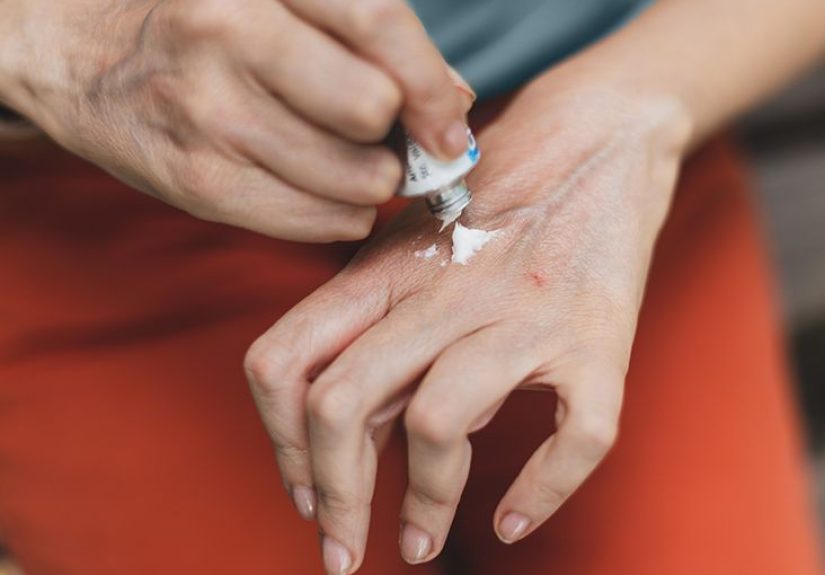
Over-the-counter hydrocortisone cream may help mild inflammatory itching from small patches of dermatitis, but it should not be used on open wounds, infected skin, the face, or large areas unless your doctor says it is safe. Calamine lotion or colloidal oatmeal baths may help some itchy rashes.
Oral antihistamines may help when itching is allergy-related or linked to hives. Some antihistamines can cause drowsiness, dry mouth, or interactions with other medications, so ask a pharmacist or doctor before using them, especially if you take multiple prescriptions.
Protect Skin From Scratching Damage
Scratching feels satisfying for about three seconds, then the skin gets more inflamed and the itch-scratch cycle begins. Keep nails short, wear soft breathable fabrics, and consider covering small itchy patches with a non-irritating dressing if you keep scratching without realizing it.
If itching wakes you at night, moisturize before bed and keep the room cool. Cotton sleepwear and sheets may reduce irritation. If hand stiffness makes nail care difficult, a nail file may be easier than clippers.
Review Your RA Medications With Your Doctor
If itching began after starting or changing an RA medication, contact your rheumatology team. Tell them the medication name, dose, when the itching started, whether there is a rash, and whether you have other symptoms. Photos of the rash can help, especially if the rash plays hide-and-seek by the appointment date.
Your doctor may recommend monitoring, changing injection technique, rotating injection sites, adjusting medications, ordering blood tests, prescribing a topical treatment, or referring you to a dermatologist. The goal is not just to silence the itch. The goal is to control RA safely while protecting your skin.
When to Call a Doctor Quickly
Seek medical advice promptly if itching is severe, persistent, unexplained, spreading, or associated with a new medication. Get urgent care if you have trouble breathing, swelling of the face or throat, widespread hives, fever, blistering, peeling skin, painful purple spots, skin ulcers, signs of infection, yellow skin or eyes, or a one-sided blistering rash that may be shingles.
Also call your doctor if a wound does not heal, if an injection site becomes increasingly red or painful, or if itching is interfering with sleep and daily life. Losing sleep because your skin has become a tiny alarm system is not something you need to “tough out.”
Practical Examples: What Might Be Going On?
Example 1: Itching After a New Injection
If a person starts an injectable biologic and develops a small itchy red patch at the injection site, it may be a local injection-site reaction. Rotating injection sites, using proper technique, and discussing the reaction with the care team can help. But if the rash spreads or comes with breathing trouble or facial swelling, it needs urgent care.
Example 2: Nighttime Itching With Flaky Legs
If the itch is worst at night and the skin looks dry, cracked, or flaky, dry skin may be the main villain. A fragrance-free cream after bathing, shorter lukewarm showers, and a humidifier may reduce symptoms.
Example 3: Itching With Purple Spots or Sores
If itching appears with purple spots, ulcers, numbness, or unusual pain, it may signal a blood vessel problem such as vasculitis. This should be evaluated quickly, especially in someone with long-standing or severe RA.
Living With RA Itching: Real-World Experience and Coping Tips
People who live with rheumatoid arthritis often become experts in noticing small changes. A finger joint feels warmer than usual. Morning stiffness lasts longer. Fatigue arrives with the drama of a marching band. Itching can become another clue, but it is a confusing one because it does not always point to the same cause.
One common experience is the “new product mystery.” Someone with RA may buy a new pain-relief cream, switch laundry detergent, or start wearing a wrist brace more often. A few days later, the skin under the brace becomes red and itchy. At first, it may seem like RA is causing a skin flare, but the real trigger could be sweat, friction, fragrance, adhesive, or fabric. In that situation, washing the brace lining, switching to a fragrance-free detergent, wearing a soft cotton layer, and asking a clinician about contact dermatitis can make a big difference.
Another familiar story is the “after-shower itch.” Warm water feels wonderful on stiff joints, so it is tempting to take a long hot shower. Unfortunately, the skin may file a complaint immediately afterward. The legs, arms, or back start itching fiercely, even without a dramatic rash. This often improves when the shower is shortened, the water temperature is lowered, and moisturizer is applied within a few minutes. It is not glamorous, but neither is scratching your shin like you are trying to start a campfire.
Medication-related itching can feel more emotionally loaded. RA medications are often important for preventing joint damage, so a new rash or itch can create anxiety: “Is this dangerous? Do I stop the medicine? Am I allergic?” The safest move is to contact the prescribing doctor rather than guessing. Many reactions are manageable, but some need medication changes or urgent treatment. Taking clear photos, writing down timing, and noting other symptoms can help the care team decide what to do.
Sleep disruption is another real issue. Itching often feels louder at night because there are fewer distractions. People may scratch while half asleep and wake with irritated skin. A bedtime routine can help: lukewarm rinse if needed, thick moisturizer, breathable pajamas, cool room temperature, and short nails. Some people also keep a cold pack wrapped in cloth near the bed for brief use on stubborn itchy spots.
The most useful mindset is curiosity without panic. Itching is a signal, not a diagnosis. Sometimes it means dry skin. Sometimes it means a medication reaction. Sometimes it points to infection, shingles, eczema, psoriasis, or a more serious RA-related complication. The goal is to calm the skin while collecting enough clues to find the cause. Your skin may be dramatic, but with the right plan, it does not have to run the entire show.
Conclusion
Rheumatoid arthritis itching attacks can be caused by many things: dry skin, medication side effects, injection-site reactions, allergic responses, eczema, psoriasis, shingles, or RA-related inflammation such as vasculitis. Because the causes range from harmless to urgent, the best strategy is to observe patterns, protect the skin barrier, avoid irritants, and involve your healthcare team when symptoms are severe, persistent, unusual, or linked to a new medication.
For everyday relief, gentle fragrance-free skin care, thick moisturizers, cool compresses, lukewarm showers, and careful use of anti-itch treatments can help. But if itching comes with breathing trouble, swelling, blistering, fever, purple spots, ulcers, infection signs, or yellowing skin, seek medical care quickly. RA already asks enough from your body. Your skin deserves backup, too.