Table of Contents >> Show >> Hide
- What Is Hello Rory, Exactly?
- How Hello Rory Works
- What Hello Rory Treats Today
- What Hello Rory Gets Right
- Where Hello Rory Falls Short
- Pricing and Value
- Is Hello Rory Legit?
- Who Should Try Hello Rory
- Who Might Want to Skip It
- Final Verdict
- Extended Experience: What Using Rory Feels Like in Real Life
- SEO Tags
If you have ever typed “Hello Rory” into a search bar while trying to solve a very private health problem without making awkward eye contact in a waiting room, you are definitely not alone. Rory built its reputation on that exact moment: the point where convenience, privacy, and “please let this be easier than calling three clinics” all collide. What began as Ro’s women-focused brand has evolved over time, and today many of the services once associated with Hello Rory now sit inside the broader Ro ecosystem, including Ro Derm and Ro Fertility. That makes a modern Rory review a little different from the early days. You are not just reviewing one neat little menopause-and-skincare corner anymore. You are reviewing a wider telehealth machine.
And honestly? That is both the good news and the catch. The good news is that Ro now offers a broader menu of care than old-school Rory did. The catch is that broader does not always mean simpler. If you are looking for help with sexual health, skin concerns, fertility support, hair issues, or certain prescription treatments delivered discreetly to your door, Rory still has real appeal. But if you need full-spectrum women’s healthcare, hands-on exams, or a doctor who can examine a rash in person instead of through photos and a questionnaire, this platform has limits that are worth talking about before your credit card makes any bold decisions.
What Is Hello Rory, Exactly?
Hello Rory launched as Ro’s women-centered telehealth brand, initially aimed at menopause-related concerns like hot flashes, vaginal dryness, insomnia, and even lash growth. Over time, the brand identity shifted. Today, if you are searching for Rory, you are really looking at Ro’s broader platform for skin, fertility, sexual health, weight management, hair, and related care. In plain English: Rory is no longer just “that site for menopause meds.” It is more like the original front door to what has become a larger women’s health and wellness offering.
That brand evolution matters because expectations matter. If you come in expecting a comprehensive women’s clinic, you may feel underwhelmed. If you come in expecting targeted, online-first care for specific issues, the platform makes much more sense. Ro’s setup is built around condition-specific online visits, provider review, secure messaging, treatment recommendations when appropriate, and home delivery for many medications. It is efficient by design. The whole vibe is: answer the right questions, skip the clipboard circus, and get to the point.
How Hello Rory Works
The basic process is pretty straightforward. You choose the condition or treatment area, complete an online visit, share your symptoms and medical history, and wait for a licensed clinician to review your information. Ro says providers typically review initial histories within 24 hours, and the company notes that online visits are free in most cases. If a provider decides treatment is appropriate, you can receive a prescription and often have medication shipped in discreet packaging. For many services, follow-up messaging is included, which is helpful because skin and sexual health are two categories where “one-and-done” rarely tells the whole story.
That convenience is a real advantage. You do not have to take time off work, sit in traffic, or explain your concern to a receptionist in a lobby decorated like a beige aquarium. But telehealth also asks more of the patient. Ro is upfront that clinicians rely on the information you provide. That means your answers, photos, medication history, allergies, and symptom descriptions do a lot of heavy lifting. If you leave out something important, the whole digital doctor dance gets a lot less graceful.
What Hello Rory Treats Today
Sexual Health
This is one area where the “Rory for sexual health” idea needs a little nuance. Ro’s overall platform heavily promotes sexual health, but much of that branding historically leaned male through Roman. On the women’s side, the sexual-health-adjacent offerings are more selective. The current Ro ecosystem includes support around genital herpes, cold sores, and educational content related to libido, menopause, and vaginal dryness. For many users, that may be enough. If what you need is discreet evaluation and treatment for a defined issue, telehealth can be a smart fit.
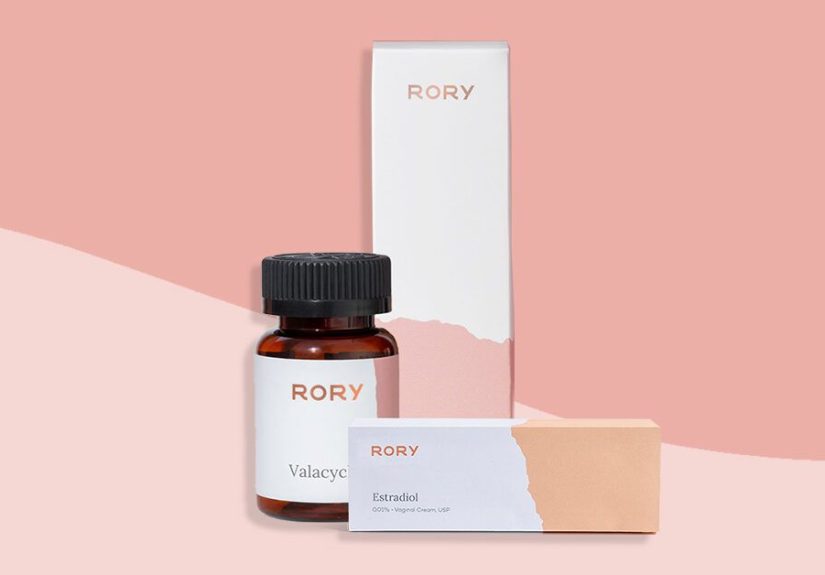
Where the platform makes the most sense is with conditions that can often be addressed through history, symptom review, and prescription follow-up. Menopause-related sexual discomfort, especially vaginal dryness, is one example. This is not a fringe problem, despite the way culture sometimes treats it like a weird secret whispered only by candles. It is common, and established medical guidance supports treatments such as local vaginal estrogen in appropriate cases. So if your goal is practical help with a common, treatable concern, Rory’s model can be appealing.
Skin Care
Skin is probably one of the strongest parts of the modern Rory-to-Ro story. Ro Derm offers custom prescription skincare, including a personalized Custom Rx Treatment and options tied to acne, photoaging, and lash growth. The appeal here is obvious: no dermatology waiting room, no trying to decode ten Reddit threads at midnight, and no spending six months layering trendy serums that smell expensive but act like scented disappointment.
Ro’s custom skincare system is designed around a free online visit, dermatologist-designed treatment pathways, and unlimited check-ins. That follow-up component matters because acne, pigmentation, texture, and photoaging are not static targets. Skin changes with hormones, weather, stress, products, and life in general. A system that allows adjustment over time is more useful than one that simply mails a bottle and vanishes into the internet fog.
That said, there is one very important caveat: Ro’s Custom Rx skincare is a compounded medication, and compounded drugs are not FDA-approved. That does not automatically mean “bad” or “unsafe,” but it does mean the FDA does not review them for safety, effectiveness, or quality before marketing. For some consumers, that is a reasonable trade-off in exchange for customization and convenience. For others, it is a flashing yellow light. Either reaction is fair.
Fertility, Hair, and More
The “and more” part of this Rory review is real. Ro’s broader platform now includes fertility tools through Modern Fertility, hair-loss options, daily health products, and weight-loss programs. Not all of this fits neatly under the old Hello Rory identity, but if you are evaluating the company as it exists now, it counts. Fertility support is especially notable because Ro’s women-focused care has expanded well beyond the original menopause launch. In other words, the platform grew up, got new departments, and now wants to be taken seriously across several categories.
Still, more categories do not necessarily mean equal depth in every category. Ro is best understood as a condition-specific telehealth platform, not a substitute for a long-term OB-GYN, primary care physician, or in-person dermatologist who can biopsy, examine, test, and coordinate care when symptoms get complicated.
What Hello Rory Gets Right
The first big win is convenience. This is the obvious one, but obvious does not mean unimportant. Telehealth works best when it removes friction from care people tend to postpone. Sexual health and skin issues fall into that category all the time. If someone can answer questions online, upload a few photos, and receive thoughtful follow-up without the logistical headache of an office visit, that can be a meaningful improvement in access.
The second win is privacy. Ro emphasizes discreet shipping and secure communication, and that matters more than some people admit. There are health concerns people will absolutely address if the process feels private, and absolutely avoid if it feels public. Rory was built around that reality, and the platform still benefits from it.
The third win is focused care. Condition-specific online visits can be better than generic intake forms because they ask relevant questions instead of making you relive your entire medical biography just to talk about adult acne or vaginal dryness. Ro’s structure is efficient in a way many traditional systems are not.
Where Hello Rory Falls Short
The biggest limitation is that telehealth is still telehealth. It is excellent for some things and clumsy for others. If your symptoms are complex, severe, rapidly changing, or possibly tied to a broader underlying condition, you may need labs, imaging, an in-person pelvic exam, or a dermatologist physically looking at your skin. A digital questionnaire is useful, but it is not magical. It cannot palpate, swab, biopsy, or read body language the way a clinician in the room can.
The second issue is transparency around cost and subscriptions, especially when you move beyond simple one-off treatments into larger programs. Ro says online visits are free in most cases, and some skincare pricing is clearly listed, but public reviews show that not every customer feels pricing was crystal clear across the platform. Independent reviews and complaint platforms point to recurring frustration around billing, membership fees, customer support, and shipping issues. That does not make the service illegitimate, but it does mean users should read the fine print with the energy usually reserved for airline baggage policies.
The third issue is category mismatch. If your goal is broad women’s primary care, Hello Rory may sound more expansive than it actually feels in practice. It is better at targeted treatment pathways than at providing fully integrated, cradle-to-menopause-and-beyond healthcare.
Pricing and Value
Pricing depends on the treatment. Ro says you are only charged for medication after a clinician approves a treatment plan, and the company notes that online visits are free in most cases. For skincare, the current listed pricing for Custom Rx Treatment starts with a discounted first order and then rolls into recurring billing every two months unless you cancel. That subscription-style model is not unusual in telehealth, but it does mean convenience and autopilot often ride in the same car.
Value depends on your expectations. If you compare Rory with a traditional office visit, travel time, time off work, and the possibility of waiting weeks for an appointment, the service can feel efficient and worthwhile. If you compare it with drugstore products or expect insurance-style coverage, the value equation may feel less glamorous. Convenience is part of what you are buying here, and convenience is rarely on clearance.
Is Hello Rory Legit?
Yes, in the sense that Ro operates as a real telehealth company using licensed clinicians, online medical visits, and condition-based treatment pathways. The platform is not a sketchy mystery bottle warehouse wearing a lab coat costume. That said, “legit” is not the same as “perfect.” A legitimate platform can still have uneven customer support, subscription confusion, shipping problems, or treatments that are better suited for some people than others.
For skin care, the compounded medication issue deserves extra attention. Customization can be helpful, but consumers should understand what compounded means before clicking through checkout at speed. For sexual health and menopause-related concerns, the platform looks strongest when the issue is straightforward, common, and appropriate for remote evaluation.
Who Should Try Hello Rory
Hello Rory makes the most sense for adults who want discreet, online-first treatment for defined concerns such as acne, photoaging, short lashes, cold sores, genital herpes, or menopause-related vaginal dryness. It also works well for people who like messaging-based follow-up, do not want to wait weeks for an appointment, and are comfortable managing care digitally.
It is also a reasonable option for patients who already have a good grasp of what they need and want a cleaner, faster route to treatment. If you are the type of person who likes convenience, clear next steps, and packages that do not announce your personal business to the whole apartment building, Rory understands the assignment.
Who Might Want to Skip It
You may want to look elsewhere if your symptoms are severe, unclear, or possibly connected to a larger health issue. The same goes for anyone who strongly prefers in-person conversations, wants insurance-driven care, or feels uneasy about compounded treatments. And if subscription billing makes you nervous because you have been burned before, read every detail before placing an order. Every single detail. Yes, even the tiny ones.
Final Verdict
My take on Hello Rory is simple: it is a useful telehealth platform, but it is best when used for the right job. It shines as a privacy-first, convenience-forward option for targeted sexual health, skin, and women-centered treatment needs that fit telemedicine well. It is not a full replacement for traditional care, and it is not immune to the common telehealth headaches of subscription confusion, support delays, or expectation gaps.
If you approach Rory like a digital specialty clinic rather than a one-stop women’s health universe, it becomes much easier to judge fairly. For acne, photoaging, certain discreet sexual health concerns, and menopause-related issues, it can be practical and refreshingly low-drama. Just keep your eyes open on pricing, understand what is compounded versus FDA-approved, and know when your body is asking for a real exam instead of another online form. Your skin, your hormones, and your wallet will all appreciate the grown-up energy.
Extended Experience: What Using Rory Feels Like in Real Life
In real life, the Rory experience often starts with a mix of curiosity and annoyance. Curiosity because the service sounds modern, discreet, and easy. Annoyance because by the time most people search for help with vaginal dryness, hormonal skin changes, acne, short lashes, or a recurring outbreak, they are already tired of half-working products and delayed appointments. Rory’s biggest strength is that it meets users right in that impatient moment. You can start from your phone, answer the intake questions at home, and deal with a sensitive issue without rearranging your week.
For many users, that first impression is a relief. The process feels cleaner than traditional healthcare. The questions are focused. The platform does not make you wander through endless menus wondering whether you clicked “women’s health,” “skin,” “sexual wellness,” or “please just help me.” If you are someone who procrastinates medical care because life is busy or the topic feels embarrassing, Rory lowers the activation energy. That alone is a big deal.
Then comes the part that tends to define whether the experience feels excellent or merely decent: follow-through. When Rory works well, it feels efficient. A provider reviews your information, asks clarifying questions if needed, recommends a plan, and you feel like you moved from problem to action without unnecessary friction. That is especially valuable for recurring skin concerns or sexual health issues that are not brand-new mysteries. The discreet shipping also makes the whole thing feel less emotionally noisy. No one needs a giant pharmacy bag advertising their business like a parade float.
But real-world experiences are not all smooth. Some users love the convenience and refill reminders, while others get frustrated by shipping delays, billing confusion, or the difference between a free online visit and the full ongoing cost of treatment. That split is common in telehealth. People who read the treatment details carefully and know what they are signing up for often have a better experience than those expecting a simple one-time purchase. In that sense, using Rory is a bit like using a meal kit subscription: convenient, polished, and potentially great, as long as you understand how the recurring pieces actually work.
Emotionally, the platform works best for people who want privacy without feeling ignored. Secure messaging and follow-ups can feel reassuring, especially when you are dealing with something personal. At the same time, anyone who wants face-to-face reassurance, a physical exam, or lots of hand-holding may find the digital format a little flat. Rory is efficient, but it is still a screen. Screens are excellent at many things. They are less excellent at replacing a clinician physically in the room when your symptoms are complicated, your photos are unclear, or your anxiety level is doing Olympic-level flips.
So the lived experience of Rory is not just about whether medication arrives. It is about whether the platform matches your personality, your needs, and your comfort with remote care. For the right user, Rory feels modern, discreet, and refreshingly practical. For the wrong user, it can feel like a polished shortcut that still does not replace a real doctor’s office. The trick is knowing which camp you are in before you hit “start visit.”