Table of Contents >> Show >> Hide
- Why You’ll Love This Salmon Scalloped Potatoes Recipe
- Ingredients for Salmon Scalloped Potatoes
- Step-by-Step: How to Make Salmon Scalloped Potatoes
- Tips for Perfect Salmon Scalloped Potatoes
- Make-Ahead, Storage, and Reheating
- Serving Ideas & What to Pair With Salmon Scalloped Potatoes
- Frequently Asked Questions
- Cook’s Experiences: Living with Salmon Scalloped Potatoes
If creamy scalloped potatoes and tender, flaky salmon had a cozy dinner party together, this casserole would be the star of the evening.
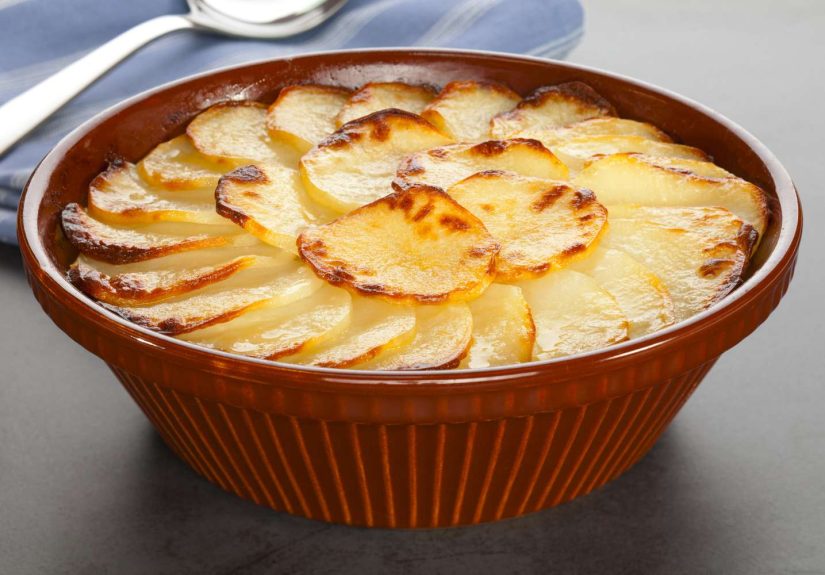
Salmon scalloped potatoes take everything you love about classic potato gratin – soft layered potatoes, rich cream, a little cheese – and add protein-packed salmon and bright herbs to turn it into a full meal in one pan.
Many cooks layer salmon with thinly sliced potatoes, cream, and cheese for comforting casseroles and gratins, sometimes adding peas, onions, or dill for extra flavor.
This version keeps that spirit but streamlines the steps and offers flexible options for using fresh or canned salmon, dairy-free swaps, and make-ahead tips.
Why You’ll Love This Salmon Scalloped Potatoes Recipe
- One-pan comfort food: You get your protein, carbs, and lots of flavor in a single baking dish.
- Versatile salmon: Works with fresh, leftover, or canned salmon, so it’s budget-friendly and pantry-friendly.
- Crowd-pleasing flavors: Cream, potatoes, salmon, garlic, and dill – it’s classic, cozy, and just a little bit fancy.
- Flexible for special diets: You can lighten it up or go full-on indulgent, and there’s an easy dairy-free direction inspired by recipes that swap in coconut yogurt or other alternatives.
- Perfect for weeknights or holidays: Serve it on a Tuesday with a green salad or on your holiday table with roasted vegetables.
Ingredients for Salmon Scalloped Potatoes
For the scalloped potato base
- 2 pounds Yukon Gold or Russet potatoes, thinly sliced (about 1/8 inch)
- 1 small yellow onion, very thinly sliced
- 2 cloves garlic, minced
- 2 tablespoons unsalted butter, plus extra for greasing
- 2 tablespoons all-purpose flour
- 1 1/2 cups whole milk
- 1 cup heavy cream (or half-and-half for a slightly lighter version)
- 1 teaspoon Dijon mustard
- 1 teaspoon kosher salt (plus more to taste)
- 1/2 teaspoon freshly ground black pepper
- 1/4 teaspoon smoked paprika (optional, for a subtle smoky note)
For the salmon layer
- 1 pound salmon (fresh fillets, cooked leftover salmon, or canned, drained)
- 2 tablespoons fresh dill, chopped (or 2 teaspoons dried dill)
- 1/2 cup frozen peas, thawed (optional but classic in many salmon–potato casseroles)
- 1/2 cup shredded Gruyère, sharp cheddar, or Parmesan cheese
For the topping
- 1/2 cup shredded cheese (same as above or a mix)
- 1/3 cup breadcrumbs or panko (optional, for crunch)
- 1 tablespoon melted butter (if using breadcrumbs)
- 1 tablespoon chopped fresh parsley or dill, for garnish
Ingredient notes & smart swaps
- Potatoes: Yukon Golds stay creamy and hold their shape, while Russets get a bit fluffier. Both work beautifully in scalloped-style recipes.
- Salmon: Fresh fillets give a more luxurious feel, but canned salmon (bones removed if desired) is affordable and easy, as seen in many classic salmon bakes.
- Dairy-free option: Use full-fat oat milk, coconut milk, or a dairy-free cream plus vegan butter and skip the cheese, similar to dairy-free salmon–potato dishes that rely on rich plant-based yogurt or fats.
- Flavor boosters: Add a teaspoon of lemon zest or a squeeze of lemon juice over the salmon for brightness, inspired by popular salmon-and-potato sheet pan and casserole recipes.
Step-by-Step: How to Make Salmon Scalloped Potatoes
-
Prep the oven and pan.
Preheat the oven to 375°F (190°C). Grease a 9×13-inch baking dish with butter or nonstick spray. Many scalloped potato and salmon casseroles use a similar temperature and pan size for even cooking and browning. -
Slice the potatoes and onion.
Peel potatoes if desired, then slice them as evenly as possible (a mandoline makes this fast). Thin, uniform slices help the potatoes cook through in about an hour, just as they do in classic potatoes au gratin and salmon–potato bakes. -
Make the creamy sauce.
In a medium saucepan, melt 2 tablespoons of butter over medium heat. Stir in the flour and cook for 1–2 minutes to form a roux. Gradually whisk in the milk and cream until smooth. Add the Dijon mustard, salt, pepper, garlic, and smoked paprika (if using). Simmer for 3–4 minutes, stirring, until the sauce thickens slightly. -
Prepare the salmon.
If using fresh salmon, check for pin bones and remove them. Cut into bite-size chunks. If using leftover or canned salmon, flake it into large pieces and pick out any skin or bones you don’t want. Lightly season with salt, pepper, and half of the chopped dill. Inspired by many salmon gratin and casserole recipes, keeping the pieces fairly large prevents them from drying out. -
Layer the potatoes and salmon.
Arrange about one-third of the sliced potatoes in the bottom of the baking dish, slightly overlapping. Scatter one-third of the sliced onions over the top. Spoon over about one-third of the sauce. Repeat with another third of the potatoes, onions, and sauce.
For the middle layer, add the salmon pieces evenly over the potatoes, then sprinkle on the peas (if using) and half of the shredded cheese. Top with the remaining potatoes, onions, and sauce. Recipes that layer potatoes, salmon, dill, and cream this way tend to bake more evenly and keep the fish tender. -
Add the topping.
Sprinkle the remaining shredded cheese over the top. If using breadcrumbs, mix them with the melted butter and scatter evenly over the casserole. Many gratin-style dishes use a cheese-plus-breadcrumb topping for extra crunch and golden color. -
Bake.
Cover the dish tightly with foil and bake for about 35–40 minutes. Remove the foil and bake an additional 20–25 minutes, or until the potatoes are tender when pierced with a knife and the top is bubbly and golden brown. This covered-then-uncovered method is very common for scalloped potatoes and salmon casseroles to avoid drying out the fish and cream. -
Rest and garnish.
Let the casserole rest for at least 10–15 minutes before serving. This helps the sauce thicken slightly and the layers set. Sprinkle the remaining dill and the parsley on top for a fresh, herby finish. -
Serve.
Scoop into generous squares and serve warm. A crisp green salad, steamed asparagus, or simple roasted vegetables pair well, echoing popular salmon sheet-pan meals that combine salmon, potatoes, and a green vegetable.
Tips for Perfect Salmon Scalloped Potatoes
Get the potatoes just right
- Slice evenly: Thinner, even slices (around 1/8 inch) cook at the same rate, just like in traditional gratins and potato bakes.
- Don’t skip the resting time: If you cut into the casserole too soon, the sauce may seem runny. Give it a few minutes to settle and thicken.
Keep the salmon tender
- Don’t overbake: Salmon turns dry quickly. Because it’s tucked between creamy potatoes and sauce, it stays moist, but try not to exceed the suggested baking time.
- Use larger pieces: Flaking the salmon too finely can make it disappear into the dish. Keeping it in chunks ensures you get satisfying bites of fish, as seen in many salmon-and-potato casseroles.
Flavor upgrades
- Dill & lemon: Salmon, potatoes, dill, and lemon are a classic combination in American and European casserole recipes.
- Cheese varieties: Try Gruyère for nutty richness, cheddar for sharp flavor, or Parmesan for extra savory depth, similar to many potato gratins that lean on aged cheeses.
- Add greens: Layer in a handful of baby spinach or blanched broccoli florets to mimic salmon-potato bakes that combine fish, potatoes, and a green veggie in one dish.
Make-Ahead, Storage, and Reheating
- Make-ahead: Assemble the casserole up to the point of baking, cover tightly, and refrigerate for up to 24 hours. Many scalloped potato dishes can be prepped ahead like this without losing texture.
- Refrigerating leftovers: Store cooled leftovers in an airtight container in the fridge for up to 3 days.
- Reheating: Reheat in a 350°F oven, covered with foil, until warmed through. You can add a splash of milk or cream before reheating if the potatoes seem dry.
- Freezing: Potato casseroles with cream can be frozen, but the texture may change slightly once thawed. If you freeze it, reheat gently and don’t expect the same “fresh from the oven” creaminess.
Serving Ideas & What to Pair With Salmon Scalloped Potatoes
This salmon potato casserole is rich and filling, so it pairs best with crisp, fresh sides that cut through the creaminess:
- Mixed green salad with lemon vinaigrette
- Steamed asparagus or green beans
- Simple cucumber salad with dill and yogurt
- Roasted carrots or Brussels sprouts for extra color
Because salmon is naturally rich in heart-healthy omega-3 fatty acids and high-quality protein, pairing it with vegetables and moderate portions of creamy potatoes can make for a satisfying meal that feels both indulgent and nourishing – a balance many modern salmon casseroles aim for.
Frequently Asked Questions
Can I use canned salmon?
Yes. Canned salmon works very well in salmon scalloped potatoes. Many classic recipes use canned salmon layered with potatoes, onion, milk, and breadcrumbs.
Just drain it well, remove any large bones or skin you don’t want, and flake it into chunks.
Can I make this without cheese?
Absolutely. For a cheese-free version, increase the seasoning (especially dill, garlic, and lemon) and rely on a slightly thicker cream sauce for richness. Some dairy-free salmon–potato recipes use coconut yogurt or other creamy substitutes to provide body without cheese.
How do I keep the top from burning?
If the cheese or breadcrumbs are browning too quickly while the potatoes are still firm, loosely cover the dish with foil again. You can also place the casserole on a lower oven rack for the last 15 minutes.
Can I add more vegetables?
Yes, and it’s a great way to stretch the dish. Spinach, leeks, broccoli, or peas are all popular additions in salmon and potato bakes. Just make sure any watery vegetables (like spinach) are squeezed dry so they don’t thin the sauce.
Cook’s Experiences: Living with Salmon Scalloped Potatoes
Once you’ve made this salmon scalloped potatoes recipe a couple of times, it starts to feel like that friend who always shows up with a casserole dish and good gossip. Here are some real-world “lessons learned” that home cooks often discover when they put salmon and potatoes together in one pan.
The first time you make it for guests
The first time you serve this to a crowd, you’ll probably hear at least one person say, “I’ve never had salmon like this before.” People expect salmon fillets with a side of potatoes, not salmon tucked inside a creamy gratin. That little bit of surprise works in your favor – it feels special without requiring restaurant-level effort.
It’s especially good for holiday dinners when you have a mix of fish lovers and red-meat fans. The potatoes make it comforting and familiar, and the salmon makes it feel just different enough from the usual ham or roast. If you slice it neatly into squares and garnish with dill, it looks like a casserole you planned weeks in advance (even if you threw it together between wrapping gifts and finding the good tablecloth).
Weeknight reality: leftovers are gold
On weeknights, this recipe turns into the kind of dish that does half your meal planning for you. Bake it once, and for the next day or two you can reheat squares for lunch, tuck a piece next to a big salad, or re-warm a portion and add a fried egg on top for a very fancy “breakfast-for-dinner” moment.
You’ll also notice that the flavors deepen overnight. The dill, garlic, and salmon all mellow into the potatoes and sauce. That’s the secret of a lot of great casseroles: day two might be even better than day one.
Playing with different salmon and potato combos
After a few rounds, most cooks start experimenting. Maybe you try:
- Smoked salmon: A small amount adds big flavor. You can mix a little smoked salmon with regular salmon for a subtle smoky note.
- Baby potatoes: Halve or slice baby gold potatoes for a slightly different texture and a prettier look in the pan.
- Herb overload: Dill is classic, but parsley, chives, and even tarragon can all join the party.
Each variation teaches you something about balance: salmon is rich, the cream is rich, and potatoes are hearty, so fresh herbs and a touch of acidity (lemon or even a spoonful of capers) keep everything bright and interesting.
Making it “yours” for the long term
Over time, this recipe tends to morph into your personal house specialty. Some families like it ultra-cheesy, with layers of cheddar between every potato slice. Others keep it lighter, using more milk than cream and loading up on vegetables. Some swear by canned salmon for convenience; others only use fresh fillets when they’re on sale.
However you adapt it, the core idea stays the same: thinly sliced potatoes, tender salmon, and a creamy sauce baking together until the top is golden and the inside is impossibly cozy. It’s the kind of dish that will quietly slide into your regular rotation – a reliable, comforting recipe that feels a little bit luxurious every time you pull it from the oven.
So the next time you’re staring at a package of salmon and a bag of potatoes, wondering what on earth to make, remember this casserole. With a handful of pantry ingredients and about an hour in the oven, you can turn them into a salmon scalloped potato bake that tastes like you planned it all along.