Table of Contents >> Show >> Hide
- Why Slow Landscaping Updates Often Work Better
- Start by Watching Your Yard Like a Detective
- Build Better Landscaping From the Soil Up
- Use Mulch Like a Professional, Not a Volcano Builder
- Reduce Lawn Slowly and Strategically
- Choose Plants That Want to Live There
- Make Water Efficiency Part of the Plan
- Add a Rain Garden or Drainage-Friendly Feature
- Update Hardscaping Without Overdoing It
- Create a Maintenance Plan You Will Actually Follow
- Budget-Friendly Ways to Update Landscaping Slowly
- Common Mistakes to Avoid
- Personal Experiences From Slowly Updating Our Landscaping
- Conclusion: A Better Yard, One Smart Step at a Time
Updating your landscaping does not have to feel like starring in a dramatic home renovation show where someone points at your yard and says, “We need everything gone by sunrise.” In real life, most of us update a landscape slowly: one bed at a time, one stubborn shrub at a time, one weekend where we planned to do “just a little weeding” and somehow ended up at the garden center with mulch in the trunk and dirt on our jeans.
Slow landscaping is not lazy landscaping. It is thoughtful landscaping. It gives you time to learn how sun moves across your yard, where water collects after rain, which plants are thriving, and which ones are clearly filing a formal complaint. Instead of ripping out everything and hoping for the best, slowly updating your landscaping allows you to make practical, budget-friendly, environmentally smarter decisions that actually fit your home and lifestyle.
Whether your goal is better curb appeal, lower maintenance, improved water efficiency, more native plants, or simply a yard that no longer looks like it lost a wrestling match with summer, the gradual approach works beautifully. The secret is to start with observation, improve the soil, choose the right plants, reduce wasted water, and build a landscape in layers rather than panic-buying random flowers because they looked cute at the nursery.
Why Slow Landscaping Updates Often Work Better
One of the biggest mistakes homeowners make is treating landscaping like furniture shopping. A yard is not a living room. You cannot just place a shrub in the corner and expect it to behave forever. Plants grow, spread, bloom, sulk, drop leaves, attract pollinators, shade other plants, and occasionally remind you that nature has its own management team.
Slowly updating your landscaping gives you room to make better choices. You can test small changes before committing to a full redesign. You can replace high-maintenance areas with lower-maintenance garden beds. You can reduce lawn in sections instead of removing all turf at once. You can also spread out costs, which is helpful because landscaping expenses can multiply faster than weeds after a spring rain.
This approach is especially useful for homeowners who want a more sustainable landscape. Water-wise design, native plant gardens, rain gardens, mulch improvements, and efficient irrigation all benefit from planning. When done gradually, each upgrade supports the next one, creating a yard that looks more intentional and performs better over time.
Start by Watching Your Yard Like a Detective
Before buying plants, edging, gravel, lighting, or a decorative garden statue that may or may not look like a confused owl, spend time observing your yard. Landscaping success begins with understanding the site.
Track Sun, Shade, and Water
Notice which areas receive full sun for six or more hours, which spots get afternoon shade, and which corners stay damp long after rain. A plant labeled “full sun” may survive in part shade, but it may not bloom well. A moisture-loving plant may look charming in the store but become crispy décor in a dry, exposed bed.
Water movement matters just as much as sunlight. If runoff from the roof or driveway creates puddles, that area may be a good candidate for a rain garden or moisture-tolerant planting. If a slope dries out quickly, mulch, groundcovers, and drought-tolerant plants may be better choices.
Notice What Is Already Working
Not everything needs to be removed. Mature trees, healthy shrubs, established perennials, and existing paths may form the backbone of your updated landscape. Slow landscaping is partly about editing. Keep what works, improve what struggles, and remove what creates constant maintenance headaches.
A tired front bed may not need a complete demolition. It may need fresh mulch, better spacing, a few native perennials, and a defined edge. That is less expensive, less wasteful, and far less likely to end with you standing in the yard at dusk wondering why you started this project.
Build Better Landscaping From the Soil Up
Beautiful landscaping starts below the surface. Soil affects drainage, nutrients, root growth, water retention, and plant health. If your soil is compacted, nutrient-poor, or the wrong pH for the plants you want, your landscaping plan may struggle no matter how many inspirational garden photos you save.
Test Before You Guess
A soil test is one of the smartest early steps in a landscaping update. It helps you understand pH and nutrient levels so you can amend properly instead of throwing fertilizer around like lawn confetti. Many university Extension services recommend soil testing for lawns, gardens, and landscape beds because it provides specific guidance for plant growth.
Different areas of your yard may need separate tests. A vegetable garden, lawn area, foundation bed, and shaded tree border can have different soil conditions. Testing helps you avoid over-fertilizing, which wastes money and can contribute to runoff problems.
Add Organic Matter Thoughtfully
Compost, leaf mold, and other organic materials can improve soil structure over time. They help sandy soil hold more moisture and clay soil drain more effectively. The goal is not to create a miracle overnight but to steadily improve the soil ecosystem so roots can do their job.
When creating new beds, avoid burying plant crowns too deeply or mixing in excessive amendments only in the planting hole. A plant growing in a tiny pocket of luxury surrounded by tough native soil may act like it moved from a spa into a parking lot. Improve the broader bed area when possible.
Use Mulch Like a Professional, Not a Volcano Builder
Mulch is one of the easiest upgrades in a slow landscaping plan. It reduces weeds, conserves soil moisture, moderates temperature, and gives beds a clean, finished look. Organic mulches such as shredded hardwood, arborist chips, pine straw, composted leaves, or bark can also add organic matter as they break down.
The key is proper placement. Spread mulch evenly and keep it a few inches away from trunks and plant stems. Piling mulch against a tree trunk creates the famous “mulch volcano,” which may look dramatic but can trap moisture, encourage rot, and stress the tree. Trees do not need volcanoes. They are already doing enough.
For many landscape beds, a layer of about two to three inches of organic mulch is useful. On slopes or areas where weeds are aggressive, cardboard sheet mulching under wood chips can help suppress unwanted growth while preparing a new planting area. Just avoid plastic barriers in beds where you want soil life, water, and roots to interact naturally.
Reduce Lawn Slowly and Strategically
A lawn can be useful. It provides play space, walking space, pet space, and a visual resting area in the landscape. But not every square foot of grass earns its keep. Some lawn areas are difficult to mow, hard to irrigate, too shady, too steep, or constantly invaded by weeds because turf simply does not want to grow there.
Instead of removing all the lawn at once, begin with the trouble spots. Convert narrow strips, awkward corners, slopes, and shady patches into planting beds, groundcover areas, or mulched tree rings. This lowers maintenance while improving the overall design.
Replace Problem Turf With Purpose
Native plant beds, ornamental grasses, low-growing groundcovers, rain gardens, and shrub borders can all replace high-maintenance turf. The goal is not to create a chaotic jungle. A well-designed native or mixed planting can look tidy, layered, and intentional when plants are grouped, paths are clear, and edges are defined.
For curb appeal, start near the front walkway, mailbox, porch, or driveway. These areas make a big visual difference without requiring you to renovate the entire yard. A small, well-planted bed can make a home look more welcoming than a giant lawn that demands constant mowing and still looks offended.
Choose Plants That Want to Live There
Plant selection is where landscaping dreams either flourish or quietly collapse. The best plant is not always the prettiest one at the nursery. It is the one suited to your region, soil, sunlight, water conditions, mature size, and maintenance tolerance.
Go Native Where It Makes Sense
Native plants are valuable because they often support local pollinators, birds, and other wildlife. They are adapted to regional conditions and can reduce the need for fertilizers and pesticides once established. That does not mean every native plant is automatically low-maintenance in every yard, but it does mean native plant choices deserve serious attention.
A smart approach is to add natives gradually. Replace one struggling shrub with a regionally appropriate native shrub. Add native perennials along a sunny border. Use native grasses for texture and movement. Plant flowers that bloom at different times of year so pollinators have food across the seasons.
Think in Layers
Strong landscape design usually includes layers: trees, shrubs, perennials, groundcovers, and seasonal accents. Layers make the yard feel fuller and more natural. They also help shade soil, reduce weed pressure, and create habitat.
For example, a front bed might include a small ornamental tree, three medium shrubs, groups of flowering perennials, and a low groundcover near the edge. Repetition is important. Instead of buying one of everything like a plant collector with commitment issues, repeat a few dependable plants in groups. The result looks calmer, cleaner, and more professional.
Make Water Efficiency Part of the Plan
Outdoor water use is a major part of household water demand in many parts of the United States, especially during hot, dry seasons. A slowly updated landscape is a perfect opportunity to use water more wisely.
Water Deeply, Not Constantly
Many plants do better with deeper, less frequent watering than with shallow daily sprinkling. Shallow watering encourages shallow roots, which makes plants more vulnerable during dry weather. New plants need consistent moisture while establishing, but established trees, shrubs, and perennials often benefit from deeper watering that reaches the root zone.
Mulch helps reduce evaporation, and grouping plants by water needs makes irrigation more efficient. Put thirsty plants together where you can water them without soaking drought-tolerant plants that would prefer not to sit in wet soil like they are waiting for a spa appointment.
Upgrade Irrigation in Small Steps
You do not need a high-tech irrigation system to improve water efficiency. Start by fixing leaks, adjusting sprinkler heads so they water plants instead of sidewalks, and watering early in the morning when evaporation is lower. If you use irrigation, consider drip or trickle systems for beds, shrubs, and vegetable areas because they deliver water closer to the roots.
Smart irrigation controllers, rain sensors, and soil moisture-based systems can help reduce unnecessary watering. Even simple changes, like using a rain gauge or checking soil moisture before watering, can prevent overwatering and improve plant health.
Add a Rain Garden or Drainage-Friendly Feature
If part of your yard collects runoff from a roof, driveway, or patio, a rain garden may be a practical and attractive upgrade. A rain garden is a shallow planted depression designed to temporarily hold stormwater so it can soak into the soil, be taken up by plants, or evaporate. It is not a pond, and it should not stay soggy for days.
Rain gardens often use native plants that can handle both wet and dry conditions. They can reduce runoff, add seasonal color, and turn an annoying drainage issue into a landscape feature. Start small and place the rain garden where water naturally flows, but keep it away from foundations, septic systems, and areas where standing water would cause problems.
Update Hardscaping Without Overdoing It
Hardscaping includes paths, edging, patios, retaining walls, stepping stones, gravel areas, and other non-plant features. These elements bring structure to the landscape. A yard with great plants but no clear edges or access can look messy. A yard with only hardscape can look like a parking lot decided to become fancy.
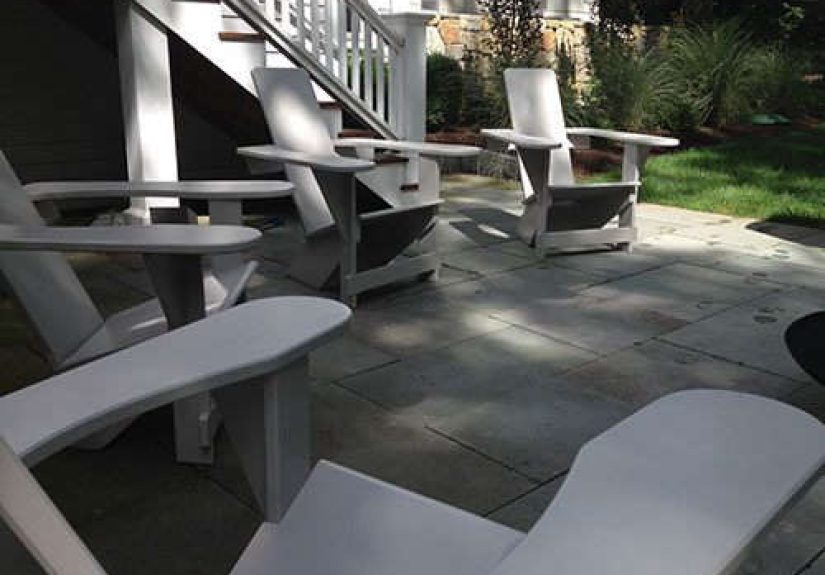
Slow updates are perfect for hardscaping because you can add structure where it is most useful. Install stepping stones through a side yard that gets muddy. Add simple edging to define a front bed. Extend a small seating area with gravel or pavers. Use permeable materials where possible so water can soak into the ground rather than rushing into storm drains.
Create a Maintenance Plan You Will Actually Follow
A beautiful landscape should fit your real life. If you have limited time, avoid plantings that require constant pruning, deadheading, dividing, spraying, and fussing. Choose durable plants, mulch well, reduce problem turf, and keep the design simple.
Seasonal Maintenance Checklist
In spring, refresh mulch, prune winter-damaged branches, divide crowded perennials, and plant new additions after the soil is workable. In summer, monitor watering, weed regularly, and watch for signs of heat stress. In fall, plant trees and shrubs in many regions, collect leaves for mulch or compost, and evaluate what worked during the growing season. In winter, plan the next project while your yard is quiet and your garden tools are pretending they are retired.
The easiest landscape to maintain is one designed with maintenance in mind from the beginning. Leave enough space between plants for mature growth. Avoid placing large shrubs under low windows if you do not want to become a full-time pruning specialist. Put plants where they belong, and your future self will send you a thank-you note.
Budget-Friendly Ways to Update Landscaping Slowly
Landscaping can become expensive quickly, but slow updates allow you to control costs. Start with the most visible or most problematic area. Improve one bed before moving to the next. Buy smaller plants when appropriate; they are cheaper and often establish well. Divide perennials from other parts of the yard. Use leaves as mulch or compost. Reuse stone, brick, or edging materials if they are still functional.
Another smart strategy is to create a simple three-year plan. Year one might focus on soil testing, bed cleanup, mulch, and removing unhealthy plants. Year two might add native shrubs, a small tree, and improved irrigation. Year three might expand beds, add lighting, or create a rain garden. This approach keeps the project manageable and helps prevent expensive impulse decisions.
Common Mistakes to Avoid
The first mistake is planting too close together. Young plants look small, and it is tempting to pack them in so the bed looks full immediately. But mature size matters. Overcrowded shrubs become tangled, disease-prone, and difficult to maintain.
The second mistake is ignoring drainage. A plant that needs well-drained soil will not appreciate being placed in a soggy low spot. The third mistake is choosing plants only for flowers. Bloom time is important, but foliage, structure, fall color, bark, seed heads, and winter interest all matter.
The fourth mistake is using too many unrelated materials. If every bed has a different edging, every path uses a different stone, and every corner has a new decorative theme, the yard can feel busy. Repetition brings calm. Pick a few materials and use them consistently.
Personal Experiences From Slowly Updating Our Landscaping
One of the best lessons from slowly updating our landscaping is that patience saves money and embarrassment. The first instinct is always to fix everything immediately. You look at a tired garden bed and imagine a complete transformation: new shrubs, fresh flowers, perfect edging, maybe a birdbath standing nobly in the middle like it owns the place. But after a few weekends of actual work, reality taps you on the shoulder and says, “Perhaps we should start with the weeds.”
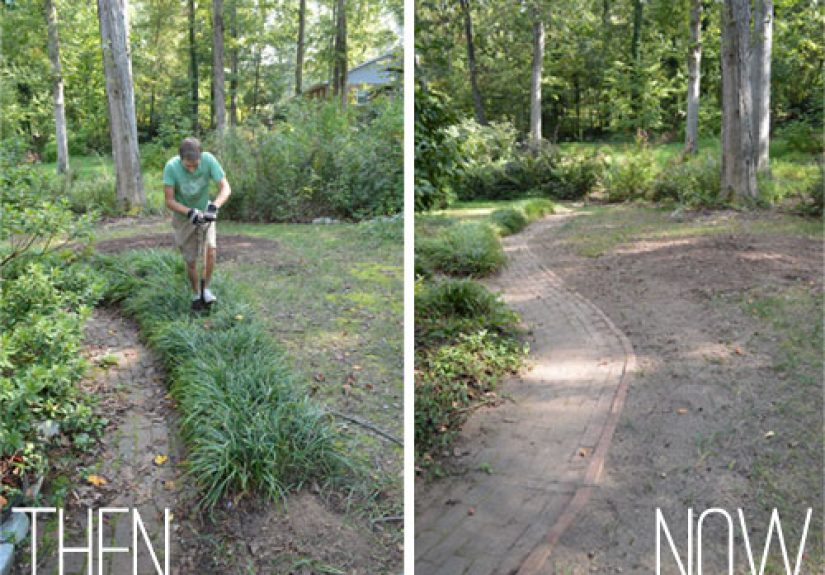
Starting small made the process easier. We began by cleaning up one visible bed near the front entrance. It was not glamorous. There was no dramatic reveal, no neighbor applause, and definitely no slow-motion camera shot. But removing dead plants, reshaping the edge, adding compost, and spreading mulch changed the whole feeling of the entryway. Suddenly the front of the house looked cared for, even though the rest of the yard was still waiting patiently in line.
The next lesson was that plants need time to prove themselves. Some shrubs that looked dull in early spring turned out to have beautiful summer flowers. A few perennials that seemed tiny the first year became reliable performers by the second. On the other hand, some plants revealed that they were not team players. They flopped, browned, spread too aggressively, or required more attention than we wanted to give. Slowly updating the landscape gave us time to learn instead of replacing everything based on one impatient weekend.
We also discovered the value of mulch almost immediately. Fresh mulch made the beds look finished, but the bigger benefit was reduced weeding and better moisture retention. The soil stayed cooler, plants looked less stressed, and the garden felt easier to manage. The only rule we had to learn the hard way was not to pile mulch against stems and trunks. A tidy donut shape around plants works better than a mulch mountain. Trees, as it turns out, do not want turtlenecks.
Watering habits changed too. At first, watering was based on vibes, which is not a scientific irrigation method. If a plant looked dramatic, it got water. If the day felt hot, everything got water. Eventually, we started checking the soil before watering and grouping new plants together so they could receive extra attention while establishing. That small shift saved time and helped prevent both underwatering and overwatering.
Another experience worth mentioning is how much better the landscape looked once we repeated plants. Early on, it was tempting to buy one of every interesting perennial. The result looked cheerful but slightly confused, like the garden had packed for five different vacations. Repeating a few dependable plants in groups made the beds feel intentional. The colors connected. The textures made sense. The yard looked designed rather than accidentally collected.
Native plants also became more appealing as we learned more. Adding native flowers and shrubs brought more butterflies, bees, and birds into the yard. It made the landscape feel alive instead of merely decorated. The key was using natives in a planned way: defined edges, repeated groups, and a mix of heights. That kept the garden looking cared for while still supporting wildlife.
Perhaps the biggest surprise was how motivating small wins became. One cleaned-up bed made the next project feel possible. One healthy shrub made us want to improve the surrounding area. One corner with better mulch and edging made the whole yard feel less overwhelming. Slowly updating our landscaping turned a giant project into a series of manageable improvements, each one building confidence.
The yard is still not “finished,” and that is actually fine. Landscapes are living spaces, not final products. They change with the seasons, weather, plant growth, family needs, and whatever new idea appears while walking through the garden center “just to look.” Slow landscaping makes room for all of that. It lets the yard become better year after year without demanding perfection by next Saturday.
Conclusion: A Better Yard, One Smart Step at a Time
Slowly updating your landscaping is one of the most practical ways to create a yard that is attractive, sustainable, and realistic to maintain. Instead of rushing into a full makeover, observe your property, improve the soil, mulch properly, reduce problem lawn areas, choose regionally appropriate plants, and use water wisely. Small changes can create a big transformation when they are part of a thoughtful plan.
The best landscapes are not built in a single weekend. They grow through observation, experimentation, and steady improvement. Start with the area that bothers you most or the spot guests see first. Make it better. Learn from it. Then move to the next project. Over time, your yard will become healthier, more beautiful, and far less likely to make you sigh every time you pull into the driveway.