Table of Contents >> Show >> Hide
- What Is Lioz Limestone, Exactly?
- Why Choose a Small Lioz Limestone Tábua?
- How to Use a Small Lioz Limestone Tábua
- Caring for a Small Lioz Limestone Tábua
- Styling Tips: Making the Most of a Small Stone Board
- Choosing Your Lioz Piece: Not All Boards Look Alike
- Real-Life Experiences with the Small Lioz Limestone Tábua
- Conclusion
If you think a cutting board is “just a cutting board,” the Small Lioz Limestone Tábua is here to politely disagree.
This compact serving board is made from light pink Lioz limestone quarried near Sintra, Portugal – the same type of
stone that has appeared in palaces, monuments, and historic buildings for centuries. Today, it has been downsized into
a chic little slab that’s perfect for cheese, snacks, and a bit of bragging rights on your countertop.
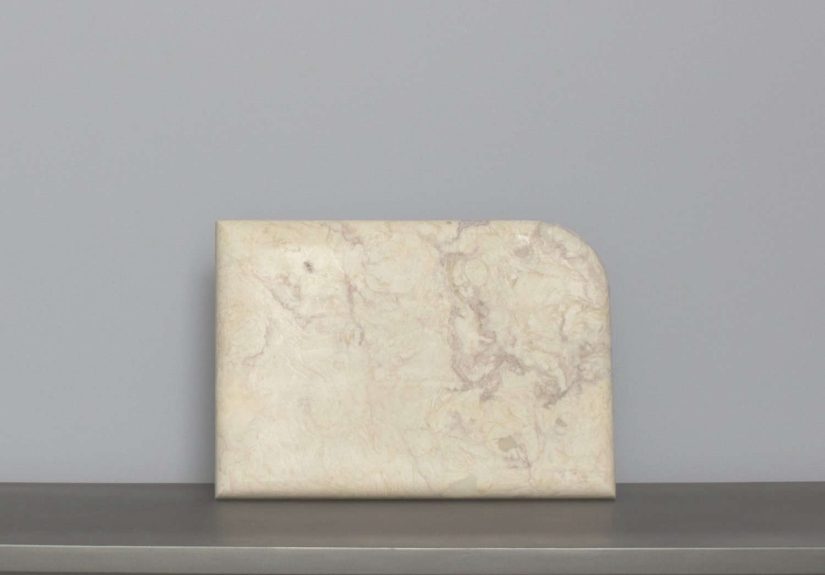
The small tábua (Portuguese for “board”) is typically around 6 3/8 inches wide by 9 inches long and about 3/8 inch thick,
which makes it closer to a serving board than a heavy-duty chopping block. It’s unsealed so it will develop a soft patina
as you use it, and it’s designed to be hand-washed only – more like a favorite piece of tableware than a throw-around
kitchen tool. This combination of heritage stone and modern minimal design is exactly why it has become a quiet favorite
among design lovers and home cooks alike.
What Is Lioz Limestone, Exactly?
Lioz limestone is a historic Portuguese stone quarried mainly around Lisbon and Sintra. It’s a dense, microcrystalline,
fossil-rich limestone with tones ranging from beige and ivory to soft pink and warm coral. If you look closely, you’ll see
ancient shells and fossil fragments frozen in the stone – like a tiny museum of marine history built right into your
serving board.
Historically, Lioz has been called “The Royal Stone” because it was used in many Portuguese palaces, churches, and
public buildings. Architectural studies describe it as a compact stone with low porosity and high strength, which helps
explain why so many of those buildings are still standing and looking impressive centuries later. In modern projects,
Lioz is used for cladding, flooring, stair treads, decorative pieces, and high-end interior finishes – and, yes,
limited-edition objects like your small tábua.
The version used for small serving boards is often the lighter pink variety, prized for its elegant, slightly romantic
tone. Natural variation means every piece is unique: some boards lean more coral, some more beige, and some show more
prominent fossils and veining than others. That uniqueness is part of the charm – no one else has the exact same board.
Why Choose a Small Lioz Limestone Tábua?
1. A Tiny Object with a Big Story
Most cutting boards can’t say they share DNA with national monuments. Lioz limestone has been used in Portugal since
at least Roman times and became especially prominent after the 18th-century reconstruction of Lisbon. Owning a small
Lioz serving board feels a bit like bringing a piece of architectural history onto your kitchen counter – just in a
much more portable, snack-friendly format.
For design-forward homeowners, this is a subtle way to weave European stonecraft into everyday life. Instead of a
massive stone fireplace or full floor installation, you get a tiny, beautifully designed object that still embodies
that same heritage and craftsmanship.
2. Perfect Size for Everyday Use
At roughly postcard size, the Small Lioz Limestone Tábua is ideal when you don’t want to haul out a huge board. It’s
just right for:
- A mini cheese plate for two
- A single curated snack: olives, nuts, and a few slices of cured meat
- Serving a pastry, croissant, or slice of cake with café-level presentation
- Holding a cocktail and a handful of bar snacks on a tray
Because it’s slim and compact, it’s easy to tuck into a cabinet, lean against a backsplash as décor, or stack with other
boards. It doesn’t demand its own storage drawer or a dedicated piece of real estate on your countertop.
3. Aesthetic Appeal: Pink, But Make It Sophisticated
While Lioz can come in ivory and beige, the pink shades are especially sought after in design. The tone is subtle –
more “dusty rose stone” than bubble-gum pink. Combined with the fossil patterns and gentle veining, the effect is
soft, organic, and high-end.
The stone pairs beautifully with:
- Warm wood tones, like oak and walnut cabinetry
- Matte black or brushed brass fixtures
- White, cream, or greige marble and quartz countertops
- Natural linens, terracotta pieces, and handmade ceramics
Think of the Small Lioz Limestone Tábua as jewelry for your kitchen: a small accent that quietly elevates everything
around it.
4. Durability and Long-Term Performance
Lioz limestone is known for its density and strength compared with many other limestones. Studies of Portuguese Lioz
varieties show low porosity and good resistance to weathering, which is why it has performed well on building facades
over centuries. In the context of a small board, that translates into an object that can handle daily use without
feeling fragile or overly delicate.
That said, it’s still limestone – a natural stone that can be sensitive to acids and scratching. Respect it, treat it
like good tableware, and it will age gracefully rather than looking beaten up.
5. Sustainability and Longevity
Natural stone is inherently durable and can last for decades (or centuries) when cared for properly. Instead of buying
a series of disposable plastic or composite boards, a Lioz tábua is the kind of piece you might realistically keep for
life. It can move with you, shift roles (from kitchen board to vanity tray), and still look beautiful years down the line.
Because the stone already existed in nature, there’s no complex chemical manufacturing process involved – it’s essentially
carefully quarried, cut, and finished. For many homeowners, that combination of longevity and relatively simple processing
is part of the appeal.
How to Use a Small Lioz Limestone Tábua
In the Kitchen and Dining Room
The most obvious use is as a small serving board. Here are a few ideas:
- Mini cheese tasting: one soft cheese, one firm cheese, a drizzle of honey, and a few nuts.
- Dessert pedestal: plate one slice of cake or a tart on the stone to give it “restaurant energy.”
- Breakfast for one: a toasted bagel or pastry, plus a small dish of jam or butter.
- Bar board: a place to set a cocktail shaker, garnishes, and citrus wheels (just avoid cutting lemons directly on the stone).
Because the board is unsealed, you’ll want to avoid using it as a heavy-duty cutting surface, especially for acidic foods
like lemons, limes, tomatoes, and vinegar-based dressings. Instead, use it as a beautiful staging surface and do your
actual chopping on a wood or composite board.
As Décor Around the Home
The Small Lioz Limestone Tábua transitions easily from the kitchen into other rooms:
- Bath tray: hold a bar of soap, a candle, and a small vase.
- Vanity organizer: display perfume bottles or skincare essentials.
- Entry catch-all: corral keys, sunglasses, and a wallet so they don’t roam freely.
- Candle plinth: protect surfaces while creating a visual “stage” for pillar candles.
Its compact footprint means you can place it almost anywhere you’d use a coaster, trivet, or small tray – but with more
presence and a lot more personality.
For Gifting and Special Occasions
A Small Lioz Limestone Tábua makes a great gift for:
- New homeowners or newlyweds
- Friends who love cooking or entertaining
- Design-obsessed people who already own too many candles and coffee table books
Pair it with a favorite cheese, a small jar of jam, or a nice bottle of olive oil, and you have a gift that feels both
luxurious and genuinely useful.
Caring for a Small Lioz Limestone Tábua
Because the stone is unsealed, it will naturally age and develop a patina. That’s part of the design – the manufacturer
expects it to “beautifully age with wear.” However, a bit of mindful care will keep it looking intentional rather than
accidentally stained.
Daily Cleaning
- Hand-wash only with warm water and a small amount of mild, pH-neutral dish soap.
- Use a soft sponge or cloth instead of abrasive scrubbers that can scratch the surface.
- Dry thoroughly with a soft towel instead of air-drying, which can leave water marks.
Many natural stone care guides emphasize the importance of gentle cleaners and non-abrasive tools for limestone surfaces.
Traditional acidic cleaners (like vinegar or lemon-based sprays) can etch limestone, leaving dull spots or marks on the
finish, so it’s best to avoid them entirely.
Preventing Stains and Etching
Limestone is porous, which means it can absorb oils, wine, and deeply colored foods. For your Small Lioz Limestone Tábua:
- Avoid placing highly pigmented foods (like beet hummus or turmeric-heavy sauces) directly on the stone.
- Use small ramekins or parchment paper under anything that might stain or bleed.
- Wipe up spills promptly instead of letting them sit.
On large limestone countertops, professionals often recommend using a penetrating sealer and refreshing it periodically.
With a small, deliberately unsealed board like this, the goal is less about sealing out every stain and more about managing
wear in a controlled way. If you want extra protection, you can line the board for especially messy foods and reserve bare
stone contact for drier items.
Should You Seal It?
Technically, many limestone surfaces can be sealed with an appropriate stone sealer to reduce staining. Professional care
guides often recommend resealing countertops every 6–12 months depending on use. However, because this specific tábua is
sold as “unsealed” and designed to patinate, sealing it might slightly change the color and sheen and could go against the
designer’s intent.
If you consider sealing:
- Consult a stone care professional or read the manufacturer’s guidance first.
- Test any sealer on the back or a small inconspicuous area.
- Understand that it may alter the natural matte look and deepen the color of the stone.
Styling Tips: Making the Most of a Small Stone Board
Create Layers on the Countertop
Lean the Small Lioz Limestone Tábua against your backsplash, then layer a wood cutting board in front of it and maybe a
smaller marble piece. The mix of textures – warm wood, cool marble, fossil-rich limestone – makes even a simple kitchen
feel curated and intentional.
Use It as a Color Bridge
The pink-beige tone of Lioz is a great “bridge color” between white counters and warm wood cabinets. It helps tie together
cool and warm tones so your kitchen doesn’t feel disjointed. Add a blush linen towel or rose-toned glassware nearby and
suddenly the whole vignette looks styled, not accidental.
Rotate Its Role by Season
- Spring: serve berries, macarons, or lemon pound cake.
- Summer: use it as a base for chilled drinks or a light snack board.
- Fall: style it with mini pumpkins, cinnamon sticks, and a candle.
- Winter: create a hot-chocolate station with mugs, marshmallows, and chocolate shavings.
The board stays the same; the mood shifts with what you put on top of it.
Choosing Your Lioz Piece: Not All Boards Look Alike
Because Lioz is a natural stone, no two tábuas are identical. Some are more uniform in tone; others have dramatic fossils
and bolder veining. When possible, buy from retailers who show actual product photos or allow you to see individual pieces
rather than generic stock images.
If you prefer a minimalist look, choose a board with a more even background color and subtle fossil patterns. If you love
organic, statement pieces, look for one with lots of visible shell shapes and swirls – the kind that sparks conversation
every time someone new sees it.
Also consider how it will pair with your existing finishes. A pink-toned Lioz tábua can warm up a stark white kitchen or
soften the look of black counters and stainless steel appliances. In a more traditional or rustic space, it plays nicely
with stoneware, copper pots, and vintage finds.
Real-Life Experiences with the Small Lioz Limestone Tábua
Beyond the specs and stone science, how does a Small Lioz Limestone Tábua actually behave in real life? Imagine a few
everyday scenarios that show what it’s like to live with one.
Morning Coffee Ritual
Picture this: it’s early, you’re barely awake, and your kitchen is not exactly Pinterest-ready. But you set your mug of
coffee and a small plate of toast on the Lioz board, add a tiny jar of jam, and suddenly the scene looks like it belongs
in a slow-living magazine. The stone stays cool to the touch, and the soft pink tone takes the edge off the gray morning
light. You haven’t done anything fancy – you just gave your breakfast a beautiful stage.
After breakfast, you wipe the board with a damp cloth, dry it, and lean it back against the backsplash. Even when it’s not
in use, it behaves like a small piece of art, making the corner of your kitchen feel put-together.
The “Cheese for Two” Date Night Hero
Maybe you’re not hosting a huge party – it’s just you and one other person, and you want something a little more charming
than a bag of chips. You pull out the Small Lioz Limestone Tábua, add two cheeses, a handful of nuts, and a drizzle of
honey in a tiny dish. Instantly, the moment feels more special.
There’s also something fun about pointing out that the board itself is made from the same stone used in old Portuguese
palaces. It’s a conversation starter that makes your snack plate feel suddenly cultured, even if the wine came from the
“under $15” aisle.
From Kitchen to Vanity
After a while, you might discover your Lioz board has a second life waiting for it. Maybe you decide you like your wood
board better for everyday food, and the stone moves into the bathroom or bedroom. On a vanity, it becomes the base for
perfume bottles and jewelry. On a dresser, it keeps your watch, keys, and headphones from wandering off.
Over time, tiny marks and faint rings might appear – not ugly, just subtle hints of use. Instead of treating every mark
like a disaster, you start thinking of them the way you would think of broken-in leather or a favorite pair of jeans.
The board doesn’t look brand-new anymore; it looks lived-in and personal.
Hosting on a Small Scale
Not everyone has space – or budget – for giant charcuterie boards and dramatic tablescapes. One of the charms of a
Small Lioz Limestone Tábua is that it respects small spaces. If you live in an apartment with limited counters, a
compact galley kitchen, or a studio where the dining table is also your desk, this board fits your life instead of
insisting you expand yours.
You can build tiny, thoughtful moments of hospitality: a snack for a visiting friend, a little dessert plate for a
neighbor, or a single glass of wine and cheese plate for yourself after a long day. The point isn’t scale; it’s care –
for your guests and for yourself.
Learning the Rhythm of Maintenance
At first, you might fuss over the board, hovering anxiously over every crumb and drop of wine. Eventually, you learn
its rhythm: which foods you’re comfortable placing directly on the stone, how quickly you need to wipe up oily spots,
and what kind of patina you’re okay with.
You’ll probably make at least one “oops” – maybe someone sets a lemon slice directly on the stone, or a splash of
balsamic vinegar sits too long. If a faint mark remains, it becomes part of the board’s story rather than a reason
to hide it forever. Over months and years, the tábua starts to feel less like a pristine object and more like a
companion that’s quietly been present for a lot of small, good moments.
Conclusion
The Small Lioz Limestone Tábua is more than a pretty slab of stone. It’s a compact piece of Portuguese history, a
functional serving board, a styling tool, and a long-term companion in your home. With thoughtful use and gentle care,
it will age gracefully, developing a soft patina that reflects meals shared, mornings eased into, and guests welcomed.
Whether you’re a design enthusiast, a home cook, or simply someone who likes owning beautiful, meaningful objects,
this little board delivers a lot of personality in a very small footprint. It’s proof that sometimes the most powerful
upgrade in a room isn’t a renovation – it’s a single, well-chosen piece that quietly changes how the whole space feels.