Table of Contents >> Show >> Hide
- What Exactly Is a Square Wall Mount Sink?
- Why Stainless Steel Wins (Especially on the Wall)
- Where a Square Stainless Wall Mount Sink Makes the Most Sense
- The Buyer’s Checklist: What to Look For Before You Click “Add to Cart”
- Stainless steel grade: 304 vs 316
- Gauge: how thick is thick enough?
- Corner radius: the hygiene detail people forget
- Backsplash (and side splashes): small feature, big payoff
- Faucet setup: deck-mounted vs wall-mounted
- Drain details: don’t ignore the “boring” parts
- Certifications: NSF and other signals of commercial readiness
- Accessibility considerations (ADA-related planning)
- Installation Reality Check: The Wall Must Do the Heavy Lifting
- Cleaning & Maintenance: Keep It Shiny Without Making It Angry
- Common Mistakes (So You Don’t Learn Them the Hard Way)
- How to Choose the “Right” Square Stainless Wall Mount Sink
- FAQ
- Real-World Experiences: What It’s Like Living With a Square Stainless Wall Mount Sink (500+ Words)
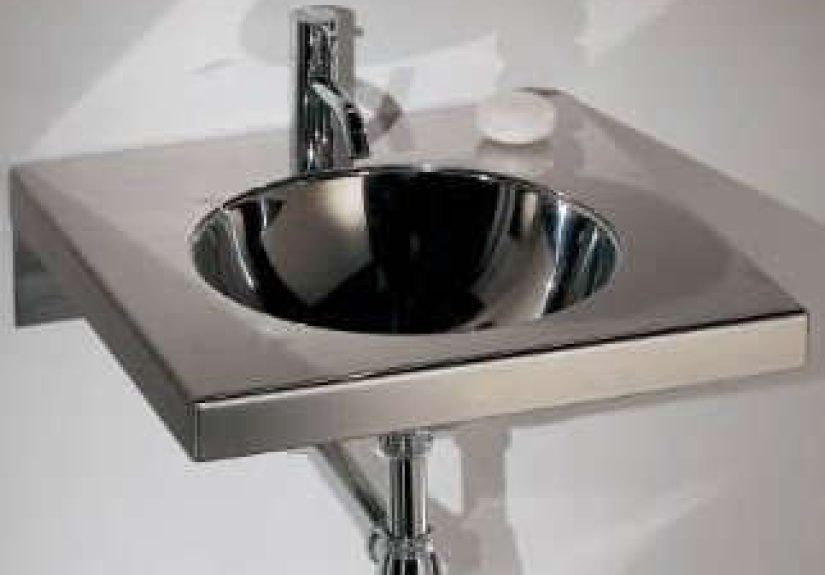
A square stainless steel wall mount sink is the “small-but-mighty” member of the sink family: crisp edges, clean lines,
and a job description that reads like a superhero résumésave space, boost hygiene, and survive daily abuse without getting dramatic.
Whether you’re outfitting a restaurant handwashing station, a clinic exam room, a school restroom, a workshop, or a no-nonsense utility corner at home,
this style checks a lot of boxes… while taking up very few square feet.
But not all wall-mounted stainless sinks are created equal. The difference between “great purchase” and “why is my sink wobbling like a shopping cart”
usually comes down to a handful of details: steel grade, gauge (thickness), corner radius, mounting support, and how you plan to use it.
Let’s break it down in plain Englishno fluff, no plumbing poetry, and only a little bit of sink-related humor (it’s hard to resist).
What Exactly Is a Square Wall Mount Sink?
“Wall mount” means the sink is supported by the wall (typically via a hanger bracket, concealed carrier, or heavy-duty mounting system),
leaving the floor underneath open. “Square” usually refers to the overall footprint and/or the bowl geometrymore straight lines and right angles,
less swoopy oval. In practice, most “square” models still soften the inside corners slightly because perfectly sharp corners are a cleaning nightmare
and a sanitation problem.
Why people love the square shape
- Space efficiency: Square footprints tuck neatly into tight layouts, corners, and narrow corridors.
- Modern look: Straight lines match contemporary restrooms, commercial kitchens, and minimalist utility spaces.
- Better use of interior volume: A squarer bowl can feel roomier than a similar-width round bowl.
Why Stainless Steel Wins (Especially on the Wall)
Stainless steel is popular for the same reason cast-iron skillets are beloved: it’s tough, it takes heat, it handles water, and it doesn’t panic when life gets messy.
In commercial environments, stainless also signals “cleanable” and “built for traffic.”
Key benefits that matter in the real world
- Hygiene-friendly surface: Smooth stainless is easy to wipe down quickly between users or tasks.
- Durability: It tolerates bumps, minor impacts, and constant use better than many ceramic or composite options.
- Heat and chemical tolerance: Great for utility applicationsjust choose cleaners wisely (more on that later).
- Wall mount advantage: Open floor space underneath improves access, cleaning, and (in many cases) accessibility planning.
Where a Square Stainless Wall Mount Sink Makes the Most Sense
1) Commercial kitchens and foodservice
Hand sinks and prep/utility sinks in food environments often prioritize easy cleaning, durable construction, and features like backsplashes and coved corners.
A wall-mounted format can also help keep the floor area clearer during busy shifts (and yes, floor cleaning actually happens in well-run kitchens).
2) Healthcare, schools, and high-traffic restrooms
In public or institutional restrooms, wall mount sinks can simplify floor cleaning and help with layout requirements.
Pairing the sink with touch-free or metered faucets can reduce contact points and water waste in high-traffic settings.
3) Workshops, garages, and utility rooms
This is where stainless really flexes. Paint brushes, greasy hands, garden toolsstainless doesn’t judge.
A wall-mounted square sink can also be installed at a height that works for your tasks, and the open space below can store a trash can or rolling cart.
The Buyer’s Checklist: What to Look For Before You Click “Add to Cart”
Stainless steel grade: 304 vs 316
For most indoor applications, Type 304 stainless steel is the workhorse choicewidely used, corrosion-resistant, and cost-effective.
If you’re near salt air (coastal properties), dealing with higher chloride exposure, or want extra corrosion resistance,
Type 316 stainless is often the upgrade pick because it’s formulated for better resistance in harsher environments.
The tradeoff is usually higher cost.
Gauge: how thick is thick enough?
Gauge is the sink’s “armor rating.” Generally, lower gauge numbers mean thicker steel.
An 18-gauge stainless sink is common and can be plenty sturdy for many handwashing and light-duty uses.
If you expect heavier use (commercial back-of-house chaos, frequent impacts, more weight in the basin),
stepping thicker (like 16-gauge) can reduce flex and noise.
Corner radius: the hygiene detail people forget
Perfectly sharp internal corners look cool in product photos… until you try to clean them. Many commercial standards and sanitation best practices
favor coved/rounded corners because they’re easier to scrub and less likely to trap grime.
If this sink will be used for handwashing in foodservice, rounded corners and smooth welds aren’t “nice-to-haves”they’re sanity savers.
Backsplash (and side splashes): small feature, big payoff
A backsplash helps protect your wall from water streaks and soap splatter. Side splashes do the same for adjacent surfaces.
In tight locationslike a kitchen line or a narrow restroomthese additions can keep the surrounding area cleaner with less effort.
Faucet setup: deck-mounted vs wall-mounted
Many stainless wall-mount sinks come with pre-punched faucet holes (common configurations include single-hole or centerset spacing),
while some installations use wall-mounted faucets. Your choice affects rough-in plumbing and ease of cleaning:
- Deck-mounted: Often simpler to install when the supply lines come up behind the wall and through the sink deck.
- Wall-mounted: Keeps the sink deck cleaner and can look sleek, but demands precise rough-in alignment.
Drain details: don’t ignore the “boring” parts
Check the drain size, compatibility with your trap and plumbing, and whether a strainer or basket is included.
For utility or commercial use, you’ll also want smooth, well-finished drain areas that won’t trap debris.
Certifications: NSF and other signals of commercial readiness
If the sink will be used in foodservice, you may see references to NSF standards (often tied to sanitation and cleanability expectations).
Certifications can help communicate that a product is designed with food equipment hygiene in mind.
Always match certifications to your local inspector’s expectations and the sink’s intended use.
Accessibility considerations (ADA-related planning)
For public restrooms or regulated spaces, wall-mounted sinks can be part of an accessible design because they can provide knee/toe clearance.
But accessibility doesn’t happen automatically just because the sink is on the wall.
Clearances, mounting height, and plumbing protections matterespecially under-sink obstructions.
If compliance is required, confirm the layout against current accessibility guidance and local rules.
Installation Reality Check: The Wall Must Do the Heavy Lifting
Wall-mount sinks are only as solid as the structure behind them. The sink may come with a hanger bracket, but the wall needs proper backing and support.
Many manufacturer installation guides emphasize securing mounting hardware into appropriate backing material and avoiding stress on brackets.
Practical tips for a sturdier install
- Find studs and add blocking: Don’t rely on drywall anchors for anything beyond a decorative towel hook.
- Use the right mounting system: Follow the sink’s specified bracket or carrier requirements.
- Plan plumbing rough-ins early: Drain height and supply locations can make or break a clean installation.
- Seal thoughtfully: A neat bead of sealant behind the backsplash helps keep water from sneaking into the wall assembly.
- Check level twice: A sink that drains poorly will haunt you daily.
If you’re installing in a commercial setting (or anywhere people might lean on the sink),
consider professional installation. It’s not just about “making it stick to the wall”
it’s about making it safely support years of real-world use.
Cleaning & Maintenance: Keep It Shiny Without Making It Angry
Stainless steel is tough, but it has two sworn enemies: neglect and the wrong chemicals.
The good news: routine care is easy. The better news: you don’t need to “power scrub” it like you’re training for a fitness competition.
Easy daily habits
- Rinse after messy use (soap residue and hard water deposits build up over time).
- Wipe dry to reduce water spots and mineral film.
- Clean along the grain with a soft cloth or non-scratch pad.
What to avoid
- Chloride/bleach exposure: Prolonged contact can contribute to staining or corrosion issues on stainless surfaces.
- Steel wool and harsh abrasives: They can scratch and embed particles that later rust.
- “Mystery cleaners”: If the label reads like a chemistry exam, test in an inconspicuous spot first.
Common Mistakes (So You Don’t Learn Them the Hard Way)
Mistake #1: Underbuilding the wall support
The sink looks compact, so people assume it’s lightweight. Then someone leans on it, and suddenly you’re starring in a home renovation horror story.
Wall-mounted sinks need real backing and proper anchoring.
Mistake #2: Choosing “sharp-corner cool” over “clean-corner practical”
Squarer is fine. Razor-sharp internal corners are not. Prioritize a design that cleans easilyespecially in foodservice or healthcare environments.
Mistake #3: Buying the sink before planning the faucet and plumbing
Faucet hole configuration and rough-in alignment matter. Make sure the sink, faucet, supplies, and drain plan all agree before you commit.
Plumbing should not be a surprise plot twist.
Mistake #4: Treating stainless like it’s invincible
Stainless is resilient, not magical. Avoid harsh chemicals, rinse after exposure to questionable substances, and you’ll keep it looking professional longer.
How to Choose the “Right” Square Stainless Wall Mount Sink
Here’s a fast way to decide without falling into a 47-tab online research spiral:
- Handwashing only? A compact square wall-mount hand sink with a backsplash and easy-clean corners is typically ideal.
- Light utility use? Choose a slightly deeper bowl and sturdier construction; consider thicker gauge if you’re rough on equipment.
- Coastal / harsh environment? Consider upgrading stainless grade for extra corrosion resistance.
- Public restroom? Think about accessibility, vandal resistance, and faucet style (touch-free/metered can help).
- Foodservice? Look for sanitation-friendly design details and certifications commonly expected in commercial kitchens.
FAQ
Are wall-mounted stainless sinks only for commercial spaces?
Not at all. They’re increasingly popular in garages, laundry rooms, mudrooms, and small homes where floor space is precious
and durability matters more than decorative curves.
Will a square stainless wall-mount sink feel “cold” or industrial?
It canif the surrounding finishes are also hard and clinical. Pair it with warm lighting, wood accents, or matte hardware,
and it reads “modern utility” instead of “operating room chic.”
Do I need a professional to install it?
If you’re comfortable opening walls, adding blocking, and handling plumbing, DIY is possible.
For commercial installations, accessibility-required spaces, or unknown wall conditions, a pro is often the smarter (and safer) route.
Real-World Experiences: What It’s Like Living With a Square Stainless Wall Mount Sink (500+ Words)
People don’t fall in love with sinks the way they fall in love with espresso machines or patio furniture. A sink earns respect quietly
by never becoming “a thing” on your to-do list. And that’s exactly what owners and installers tend to appreciate about a square stainless wall mount sink:
it’s low-drama, high-utility, and oddly satisfying once it’s part of the daily routine.
In restaurant back-of-house setups, the most common reaction after the first week is relief: the handwashing station finally stays identifiable,
accessible, and fast to wipe down. Managers often mention how a backsplash (and especially side splashes) changes the cleanup game.
Without them, the wall behind the sink becomes a Jackson Pollock of water spots and soap streaks. With them, a quick wipe at the end of a shift
feels realistic instead of aspirational. Another frequent “aha” moment: the value of slightly rounded corners.
The sinks that look the most modern in photos aren’t always the ones staff enjoy cleaning at 11:30 p.m. when everyone wants to go home.
In clinics and schools, facility teams tend to appreciate the open floor underneath.
It’s not glamorous, but it makes mopping faster and reduces the amount of “mystery grime” that collects around pedestal bases.
Touch-free or metered faucets often get a shoutout herenot because people are gadget-obsessed, but because fewer touch points can reduce
how often hardware needs to be disinfected between deep cleans. There’s also the practical benefit of consistency:
when you’re maintaining multiple restrooms or rooms, standardized fixtures simplify parts stocking and repairs.
Homeowners who install a wall-mounted stainless sink in a garage or workshop talk about two things: height and forgiveness.
Height is a big dealbeing able to set the rim where it’s comfortable (rather than where a vanity decided it should be) reduces back strain,
especially for messy DIY projects that require frequent rinsing. And forgiveness? Stainless doesn’t flinch at paint water, muddy gardening gloves,
or greasy hands from a bike tune-up. It also doesn’t chip like some materials can. The main learning curve is cosmetic:
stainless shows water spots and fingerprints. Owners who love the look long-term usually adopt one simple habitwipe it dry.
People who don’t? They still love the sink, but they stop expecting it to look photo-ready 24/7 (which is emotionally healthy, honestly).
Installers, meanwhile, tend to repeat one mantra: “It’s the wall, not the sink.” When a wall-mount unit feels rock-solid,
it’s typically because someone did the unsexy workproper blocking, correct fasteners, and careful leveling.
When it feels flimsy, it’s usually because the sink was treated like a shelf bracket project.
Another installer observation: planning the faucet early prevents chaos. A sink with pre-punched holes is convenient,
but only if it matches the faucet style and rough-in. The best installs look intentional because everything lines up:
faucet placement, drain height, trap clearance, and (when required) accessible knee space.
The bottom line from real-world use is simple: a square stainless steel wall mount sink is an excellent choice when you want durability,
easy cleanup, and smarter space usage. The “experience upgrade” comes from choosing the right construction details and mounting it correctly.
Get those right, and your sink becomes what every sink secretly aspires to be: dependable, unobtrusive, and never the reason your day goes sideways.