Table of Contents >> Show >> Hide
- What Is a Gastrique, Exactly?
- Why Sweet-and-Sour Works So Well (A Tiny Bit of Food Science)
- Sweet and Sour French Gastrique Recipe (The Classic Method)
- Flavor Variations (Same Technique, Different Personalities)
- How to Use Gastrique (10 Practical, Delicious Ideas)
- Troubleshooting: Common Gastrique Problems (and Easy Fixes)
- Make-Ahead, Storage, and Safety Notes
- Kitchen Notes: My Sweet-and-Sour Gastrique Adventures (A 500-Word Reality Check)
- Conclusion
If your dinners sometimes taste like they’re missing a “wow” button, allow me to introduce you to
gastriquea classic French sweet-and-sour sauce that can turn ordinary chicken, pork, duck, fish,
and even roasted vegetables into something that feels restaurant-level… without requiring restaurant-level
dishwashing staff.
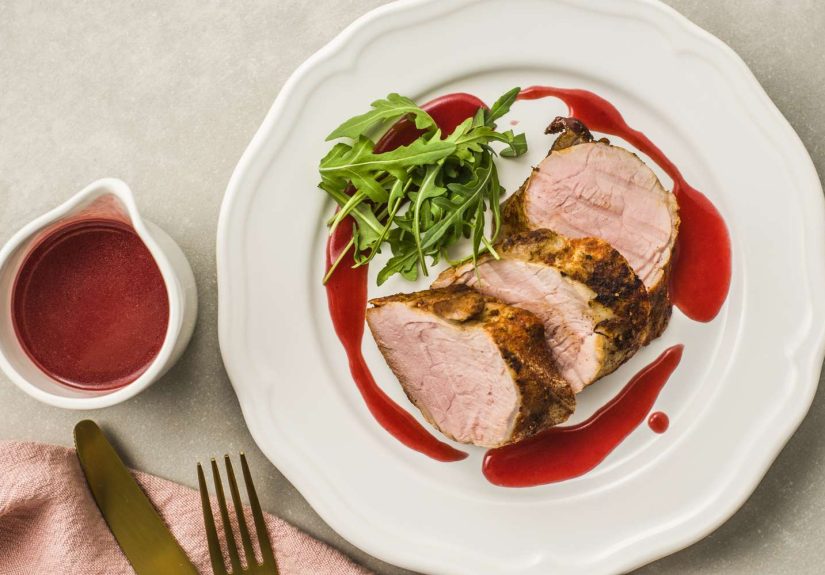
At its core, a gastrique is beautifully simple: you balance caramelized sugar with
vinegar (or another acidic liquid) to create a glossy, tangy syrup that perks up rich foods and
makes roasted flavors pop. Think “sweet and sour,” but with a French accent and better posture.
What Is a Gastrique, Exactly?
A traditional French gastrique starts by caramelizing sugar (sometimes honey), then
deglazing that caramel with vinegar (or citrus) to create a bright, slightly
thickened sweet-and-sour base. From there, you can keep it minimalistjust sugar and vinegaror build flavor with
fruit, aromatics like shallots, herbs, and even a splash of wine or brandy.
The magic is in the contrast: sweetness rounds out sharp acidity, while acidity keeps sweetness from becoming
dessert. The result is a sauce that can cut through fatty meats (hello, duck), elevate pan sauces, and add
“why is this so good?” energy to vegetables.
Why Sweet-and-Sour Works So Well (A Tiny Bit of Food Science)
A good sweet and sour gastrique is basically a flavor amplifier. Here’s what’s happening:
-
Caramelized sugar brings bitterness and toasted notes, not just sweetnessso it tastes “savory”
and complex. - Acid (vinegar or citrus) brightens flavors and makes rich foods taste lighter and more balanced.
-
The combination creates a high-contrast sauce that wakes up roasted, grilled, and pan-seared
flavorsespecially anything browned and meaty.
Translation: gastrique is how you make a pork chop stop being “a pork chop” and start being “a pork chop with
opinions.”
Sweet and Sour French Gastrique Recipe (The Classic Method)
This is a foundational French gastrique recipe you can memorize once and remix forever. It makes
about 3/4 cupenough for several meals.
Ingredients
- 1/2 cup granulated sugar (about 100 g)
- 1/2 cup vinegar (120 ml), such as sherry vinegar, red wine vinegar, apple cider vinegar, or champagne vinegar
- 2 tablespoons water (optional, helps the sugar melt evenly)
- Pinch of kosher salt (recommended)
Optional add-ins (choose 1–3)
- 1 small shallot, very finely minced (savory depth)
- 2–4 tablespoons fruit juice (orange, pomegranate, apple, cherry) for a fruit-forward gastrique
- 1–2 teaspoons citrus zest (orange or lemon) for brightness
- 1 small sprig thyme or 1 small bay leaf (herbal backbone)
- 1 teaspoon Dijon mustard (turns it into a punchy glaze for pork or chicken)
- 1 tablespoon butter whisked in at the end (silky finish)
Equipment
- Small, heavy-bottom saucepan (light-colored is helpful for judging caramel color)
- Whisk or heat-safe spoon
- Measuring cups
- Fine-mesh strainer (optional, if you add shallots/herbs/fruit pieces)
Step-by-step instructions
-
Set up your station. Measure the sugar and vinegar before you start. Once sugar caramelizes,
it moves quickly, and you don’t want to be rummaging for vinegar while your caramel turns from amber to “campfire.” -
Start the caramel. Add sugar to the saucepan. If using water, add it now (this is a “wet” caramel
approach that can help beginners). Heat over medium until the sugar dissolves, then continue cooking
without aggressive stirring. Swirl the pan occasionally. -
Cook to amber. Watch the color: it will go from clear to pale gold to amber.
Aim for deep amber for a more savory, complex gastrique; stop earlier for a lighter, sweeter one. -
Deglaze carefully with vinegar. Turn the heat to low (or briefly off).
Slowly pour in the vinegar while whisking. It will bubble vigorously and release a strong vinegar aroma.
That’s normalyour pan is not mad at you; it’s just dramatic. -
Dissolve and reduce. Return to a gentle simmer and cook 2–5 minutes,
whisking occasionally, until the caramel is fully dissolved and the sauce looks slightly syrupy. -
Season and customize. Add a pinch of salt. If using shallots, zest, herbs, or fruit juice,
add them now and simmer another 1–3 minutes for flavor infusion. -
Finish and strain (optional). For a smooth sauce, strain out solids. For extra richness,
whisk in a tablespoon of butter off heat. -
Taste and adjust. Too sharp? Add a teaspoon of sugar or a splash of juice. Too sweet?
Add a few drops more vinegar. The goal is “bright and balanced,” not “sour candy.”
Quick ratio cheat sheet
For a classic sweet-and-sour gastrique, the most common starting point is:
equal parts sugar and vinegar. From there, you adjust by taste depending on your dish and vinegar.
Stronger vinegars may need a touch more sweetness; milder vinegars can handle a bolder caramel.
Flavor Variations (Same Technique, Different Personalities)
The easiest way to customize your sweet and sour French gastrique is to change the vinegar and add a supporting
flavor. Here are reliable variations that pair well with common foods.
1) Orange gastrique (classic for duck and poultry)
- Use: red wine vinegar or champagne vinegar
- Add: 2–4 tablespoons orange juice + 1 teaspoon orange zest
- Pairs with: duck breast, roast chicken, crispy skin thighs, roasted carrots
2) Apple cider gastrique (great for pork and greens)
- Use: apple cider vinegar
- Add: 2 tablespoons apple juice (or a spoonful of apple butter)
- Pairs with: pork chops, sausage, sautéed kale, Brussels sprouts
3) Berry gastrique (bold, jammy, and stunning on the plate)
- Use: red wine vinegar or balsamic (not too sweet)
- Add: 1/4 cup crushed berries (fresh or frozen) or 2 tablespoons berry preserves
- Pairs with: duck, venison, lamb, roasted beets, cheese boards
4) Tomato gastrique (savory-sweet for vegetables)
- Use: rice vinegar or sherry vinegar
- Add: 1–2 tablespoons tomato paste and a pinch of chili flakes
- Pairs with: fried or roasted Brussels sprouts, grilled vegetables, chicken cutlets
5) Honey gastrique (softer sweetness, great for glazes)
- Swap sugar for: honey (start with 1/3 cup honey + 1/3 cup vinegar)
- Pairs with: roasted pork tenderloin, salmon, carrots, winter squash
How to Use Gastrique (10 Practical, Delicious Ideas)
Once you have a small jar of caramel-vinegar goodness, you’ll find excuses to use it. Here are smart, specific
ways to work gastrique into everyday cooking:
- Duck breast or duck legs: drizzle orange or berry gastrique right before serving.
- Pork chops: brush a cider gastrique over chops during the last minute of cooking.
- Roasted Brussels sprouts: toss with tomato gastrique for sweet, tangy, savory shine.
- Pan sauces: add 1–2 teaspoons to a pan sauce to brighten and balance richness.
- Grilled salmon: use honey gastrique as a quick glaze (especially if your salmon is rich and fatty).
- Roasted carrots: finish with orange gastrique and a pinch of flaky salt.
- Cheese boards: serve berry or balsamic gastrique alongside brie, blue cheese, or goat cheese.
- Salad dressing shortcut: whisk gastrique with olive oil and mustard for a punchy vinaigrette.
- Sandwich upgrade: mix a little gastrique into mayo for a tangy spread.
- Dessert (yes, dessert): a fruit-based gastrique can cut sweetness in rich desserts like cheesecake.
Troubleshooting: Common Gastrique Problems (and Easy Fixes)
“My caramel burned.”
If it smells bitter or looks very dark brown/black, it’s likely burned. Unfortunately, burned caramel doesn’t
“reduce into deliciousness.” Start over, lower the heat, and stop at deep amberthink penny/copper, not espresso.
“The sugar crystallized into a gritty mess.”
Crystallization happens when sugar grains re-form. Use the water method (wet caramel), avoid stirring once it’s
dissolved, and swirl the pan instead. If you see crystals on the side, a light brush with water can help.
“It’s too sour.”
Add sweetness in small steps: a teaspoon of sugar, a drizzle of honey, or a splash of fruit juice. Also check your
vinegarsome (like certain cider vinegars) can be especially punchy.
“It’s too sweet.”
Add acidity a few drops at a timeseriously. A tiny bit of vinegar can move the needle fast, and you’re aiming for
balance, not a vinegar dare.
“It’s too thick / too thin.”
Too thick: whisk in warm water a teaspoon at a time. Too thin: simmer another minute or two.
Remember it thickens slightly as it cools.
Make-Ahead, Storage, and Safety Notes
Gastrique is a great make-ahead sauce. Cool completely, then store in a clean jar or airtight container in the
refrigerator for up to 2 weeks. Rewarm gently (microwave in short bursts or warm in a small pan)
and whisk to smooth it out.
Safety note: Hot caramel is extremely hot and sticky. Work carefully, keep your face and hands
back when adding vinegar, and consider having an adult nearby if you’re new to caramel.
Kitchen Notes: My Sweet-and-Sour Gastrique Adventures (A 500-Word Reality Check)
The first time I made a sweet and sour French gastrique, I assumed it would be as calm as stirring sugar into
coffee. I was wrong in the same way people are wrong when they think a cat will “enjoy” wearing a tiny sweater.
Gastrique is simple, but it has a personalityspecifically, the personality of hot sugar meeting cold vinegar and
deciding to throw a tiny foam party in your saucepan.
My rookie mistake was not having everything measured before I started. Sugar doesn’t care that you’re looking for
the vinegar bottle. Sugar will happily go from “harmless crystals” to “perfect amber” to “burnt regret” while you
stand there reading labels like it’s a library. Once I learned to line up ingredients first, the whole process
became way more predictableand honestly, more fun. There’s something oddly satisfying about watching clear syrup
turn golden, then coppery, then suddenly smell like toasted marshmallows and crème brûlée’s cooler cousin.
The second lesson was about vinegar choice. I tried a bold apple cider vinegar in a very confident, “I know what
I’m doing” waydespite clearly not knowing what I was doing. The result was a gastrique that tasted like it could
power-clean a kitchen tile. Not inedible, but intense. The fix was simple: I nudged the sweetness up with a
teaspoon of sugar and mellowed it with a splash of apple juice. That’s when it clicked: gastrique is less about
rigid rules and more about tasting, adjusting, and aiming for that moment where your tongue goes, “Waitboth of
those flavors can exist peacefully?”
After that, I started making tiny batches like a sauce scientist. Orange zest plus champagne vinegar for roast
chicken. A berry preserve stir-in for duck. A tomato paste version that made Brussels sprouts taste like they’d
been adopted by a fancy bistro. My favorite surprise was how useful gastrique is as a “rescue tool.” If a pan
sauce tastes flat, a spoonful of gastrique adds brightness and a gentle sweet edge. If roasted vegetables taste
one-note, a drizzle makes them feel layered and intentional.
And yes, I have had the vinegar “volcano” momentwhen you add vinegar too fast and it bubbles up like the pan is
auditioning for a science fair. The solution is not panic. The solution is lower heat, slow pour, and a whisk.
Eventually, you realize gastrique isn’t difficultit’s just honest. It responds directly to heat, timing, and
attention. Give it those things, and it rewards you with a sauce that tastes like you planned dinner days ago,
even if you actually decided five minutes before everyone got hungry.
Conclusion
A sweet and sour French gastrique recipe is one of those deceptively simple kitchen skills that
pays you back again and again. Once you understand the caramel-and-vinegar foundation, you can tailor the sauce to
whatever you’re cookingcitrus for poultry, cider for pork, berries for duck, tomato for vegetables, even a
dessert-friendly version for rich sweets. Start with the classic ratio, taste boldly, adjust gently, and you’ll
have a glossy, flavor-boosting “secret sauce” you can keep in your refrigerator like a culinary superpower.