Table of Contents >> Show >> Hide
- What Is Sweet Cheese Strudel Filling, Exactly?
- The Big Secret: Moisture Control (Because Strudel Hates Drama)
- Classic Sweet Cheese Strudel Filling Recipe (The One to Memorize)
- How Much Filling Should You Use?
- Pro Tips for a Clean Slice and a Flaky Crust
- Flavor Variations That Still Taste Like “Real” Cheese Strudel
- Quick Troubleshooting (Because Strudel Will Test You)
- Make-Ahead, Storage, and Food Safety
- Serving Ideas (Beyond “Powdered Sugar and Hope”)
- 500-Word Experience Notes From My Sweet Cheese Strudel Era
- Conclusion
Let’s be honest: strudel is basically a fancy, flaky delivery system. The pastry gets the applause, the powdered sugar gets the glamour shot, but the sweet cheese strudel filling is the part that makes people “accidentally” take a second slice… and then stand in your kitchen pretending they’re just “looking for a napkin.”
This guide gives you a reliable sweet cheese strudel filling recipe you can use with phyllo, puff pastry, or traditional stretched strudel dough plus smart variations, troubleshooting, and the little details that keep the filling creamy (not watery), flavorful (not bland), and sliceable (not lava).
What Is Sweet Cheese Strudel Filling, Exactly?
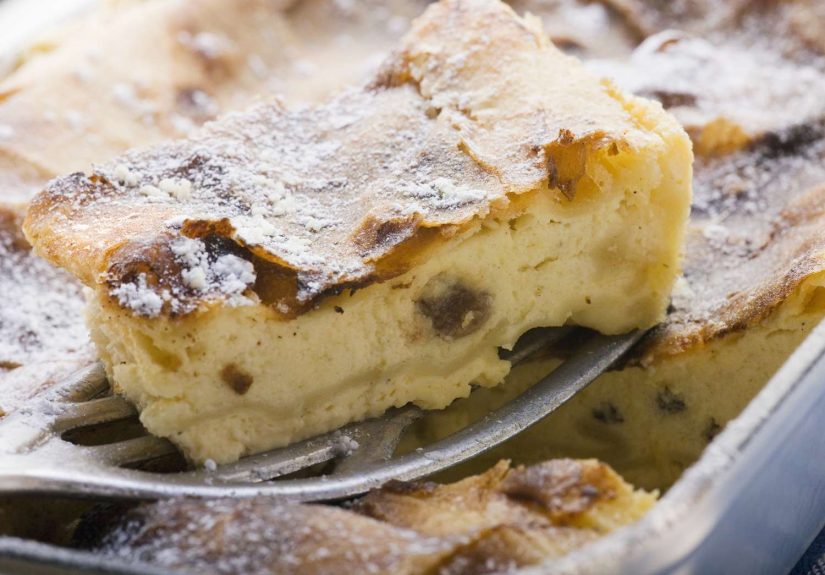
Classic Central European “cheese strudel” usually isn’t cheddar-and-crackers energy. It’s a lightly sweet, tangy, creamy fillingoften made with quark (topfen) or farmer cheesebrightened with lemon and vanilla, and sometimes dotted with raisins. In the U.S., we often recreate that texture using a blend of cream cheese plus a softer cheese like ricotta or cottage cheese.
The Big Secret: Moisture Control (Because Strudel Hates Drama)
Most filling disasters come from one thing: extra liquid. Too much moisture turns your strudel into a sad pastry canoe. Your goal is a filling that’s creamy and rich, but thick enough to hold its shape once baked.
Pick Your “Main Cheese” Like a Pro
- Farmer cheese / quark (topfen): Traditional flavor and texturemild, tangy, and thick. If you can find it, you’re winning.
- Ricotta: Soft and milky. Works best when drained so it doesn’t weep into your pastry.
- Cottage cheese: Surprisingly great. For a smoother filling, pulse briefly or mash, and consider draining if very wet.
- Cream cheese: Adds body, richness, and stability. It’s the “hold it together, team” ingredient.
Binders: The Calm, Responsible Adults in the Bowl
A small amount of binder helps the filling set without becoming dense. You’ll see a few common approaches:
- Egg yolk or whole egg for richness and structure
- Flour, cornstarch, tapioca, or custard powder to absorb moisture and encourage clean slicing
- Sour cream for tang and creaminess (and a little extra insurance against dryness)
Classic Sweet Cheese Strudel Filling Recipe (The One to Memorize)
This version is designed to taste like traditional topfen-style filling while using easy-to-find U.S. ingredients. It’s thick, creamy, lightly tangy, and flexible for add-ins.
Ingredients (Makes about 2 1/2 to 3 cups filling)
- 8 oz (1 block) cream cheese, softened
- 1 cup ricotta (or well-drained cottage cheese)
- 1/2 cup granulated sugar (or 1/2 cup powdered sugar for extra-smooth texture)
- 1 large egg yolk (or 1 whole egg for a slightly firmer set)
- 2 tablespoons sour cream (optional but excellent)
- 2 tablespoons all-purpose flour or 1 tablespoon cornstarch
- 2 teaspoons vanilla extract
- 1 to 2 teaspoons lemon zest (plus 1 teaspoon lemon juice if you like it brighter)
- Pinch of salt (seriouslydon’t skip)
- Optional: 1/3 cup raisins (plain or rum-soaked and well-drained), or 2 tablespoons finely chopped candied citrus peel
Directions
- Drain if needed: If your ricotta or cottage cheese looks watery, strain it in a fine-mesh sieve (or cheesecloth) for 30 minutes. This single step prevents 90% of “why is my strudel soggy?” incidents.
- Make it smooth: In a bowl, beat the softened cream cheese until smooth. Add ricotta/cottage cheese and mix until creamy. (If using cottage cheese and you want a silkier filling, mash or pulse it briefly first.)
- Sweeten + flavor: Mix in sugar, egg yolk, vanilla, lemon zest, and salt.
- Stabilize: Add flour (or cornstarch) and sour cream (if using). Mix just until combined. The filling should be thicklike cheesecake batter, not pourable custard.
- Chill: Refrigerate for 20–30 minutes if you have time. Cold filling is easier to shape, less likely to leak, and generally behaves like it had a good night’s sleep.
How Much Filling Should You Use?
Overfilling is the #1 way to turn your strudel into a leaky science fair project. Use these practical guides:
- Puff pastry (one standard sheet): about 1 to 1 1/4 cups filling
- Phyllo log strudel (12–16 sheets, buttered): about 2 cups filling total
- Traditional strudel dough (large stretched rectangle): about 2 to 3 cups depending on size
Pro Tips for a Clean Slice and a Flaky Crust
1) Give the pastry a “moisture buffer”
If you’re using phyllo or strudel dough, sprinkle a thin line of fine breadcrumbs, ground nuts, or cookie crumbs under the filling. It’s like putting a tiny raincoat on your pastry.
2) Keep everything cool
Warm filling + warm pastry = butter meltdown + seepage. If your kitchen is hot, chill the assembled strudel for 10 minutes before baking.
3) Vent the top
A few small slits help steam escape. Less pressure = fewer blowouts. (This is also good life advice.)
4) Don’t skip salt and citrus
Sweet cheese without salt can taste flat. Lemon zest wakes up dairy flavors and makes the filling taste “bakery-level” instead of “sweetened yogurt vibes.”
Flavor Variations That Still Taste Like “Real” Cheese Strudel
Austrian-Style Topfen-ish Filling (Lighter, Airier)
Keep the base recipe, but separate one egg: use the yolk in the filling, whip the white to soft peaks, and fold it in gently at the end. The baked filling feels a little more soufflé-like.
Ricotta-Cherry (Dessert-Pie Energy, Still Strudel)
Add 1/2 teaspoon cinnamon and fold in 1/2 cup well-drained chopped cherries (or a thick cherry preserve swirl). The tangy fruit plays beautifully with creamy cheese.
Raisin-Rum Classic
Soak 1/3 cup raisins in rum (or hot water + a splash of vanilla) for 15 minutes, drain well, then fold in. Bonus points if you act like you’re in a European café while doing it.
Orange-Vanilla “Holiday Bakery”
Swap lemon zest for orange zest, add 1/8 teaspoon almond extract, and sprinkle in 2 tablespoons chopped candied orange peel.
Quick Troubleshooting (Because Strudel Will Test You)
My filling is runny.
- Drain ricotta/cottage cheese longer next time.
- Add 1 more tablespoon flour or 1 teaspoon cornstarch.
- Chill the filling before assembling.
My filling tastes bland.
- Add a pinch more salt and extra zest.
- Try 1 tablespoon sour cream for tang.
- Use real vanilla extract (or vanilla bean paste if you’re feeling fancy).
My filling looks grainy.
- Start with softened cream cheese and mix it smooth before adding other ingredients.
- If using cottage cheese, mash or pulse briefly for a smoother texture.
It leaked everywhere.
- Use less filling next time (seriously).
- Seal seams well and bake seam-side down.
- Vent the top and keep pastry cold until baking.
Make-Ahead, Storage, and Food Safety
- Make-ahead filling: Store covered in the refrigerator up to 2 days. Stir before using.
- Baked strudel: Cool, then refrigerate leftovers. Re-crisp slices in a toaster oven or oven for best texture.
- Freezing: You can freeze baked strudel tightly wrapped; thaw in the fridge and reheat to re-crisp.
Serving Ideas (Beyond “Powdered Sugar and Hope”)
- Classic: powdered sugar + coffee
- Brunch mode: warm slices with berry compote
- Dessert mode: vanilla glaze (powdered sugar + milk + vanilla) and toasted almonds
- Extra: a tiny pinch of flaky salt on top if you like sweet-salty contrast
500-Word Experience Notes From My Sweet Cheese Strudel Era
I didn’t set out to become a “cheese filling person.” It just… happened. One day you’re casually thawing puff pastry, the next you’re debating the emotional stability of ricotta like it’s a reality TV contestant. But if you make sweet cheese strudel more than once, you start noticing patternslittle moments where the filling either behaves beautifully or chooses chaos.
The first time I tried a sweet cheese strudel filling recipe, I used ricotta straight from the container because I’m an optimist (and also impatient). The mixture looked fine in the bowlsmooth-ish, thick-ish, totally convincing. Then it baked. Ten minutes in, the pastry puffed and the filling started to ooze like it had a meeting elsewhere. The edges caramelized into sticky “cheese candy,” which was delicious, but the center went soft and slightly wet. Lesson learned: ricotta can be sweet and innocent, but it carries water like it’s a full-time job. Straining it turned out to be the difference between a neat slice and a spoon-required situation.
The second big “aha” was salt. I used to think salt in dessert was optionala vibe, a suggestion. Not here. Without it, the filling tasted like sweetened dairy with no personality. With just a pinch, suddenly it tasted like a real pastry shop made it, and I started walking around my kitchen like a judge on a baking show. (“The crumb is acceptable. Carry on.”)
Then came the cottage cheese experiment. I expected something lumpy and weird. Instead, after a quick mash (or a few pulses), it turned into a pleasantly tangy base that felt surprisingly traditional. It also had that comforting, old-school bakery flavorespecially with lemon zest. The only catch was moisture again: some cottage cheeses are basically cheese swimming lessons. Drain the wet ones, and you’ll wonder why you ever doubted.
My favorite version for entertaining ended up being a blend: cream cheese for structure, ricotta for soft creaminess, sour cream for tang, lemon zest for brightness, and raisins that had been soaked and drained like they were about to do a performance review. I learned to chill the filling because cold filling is polite filling. It stays where you put it, it doesn’t leak, and it doesn’t melt the pastry before it hits the oven.
The funniest part is how quickly people form opinions about the “right” cheese. Someone will say, “It must be farmer cheese,” and someone else will swear it’s “definitely ricotta.” Meanwhile, the truth is: if the filling is thick, balanced, and gently flavored with vanilla and citrus, everyone is happyand too busy getting a second slice to argue. Which is, frankly, the best kind of culinary diplomacy.
Conclusion
A great sweet cheese strudel filling is all about balance: creamy but not runny, sweet but not cloying, tangy but not sour. Start with the classic base (cream cheese + ricotta or cottage cheese), control moisture, add lemon zest and vanilla, and use a light binder to help it set. Once you’ve nailed the texture, you can riffraisins, cherries, orange zest, or a touch of spicewithout losing that traditional strudel soul.