Table of Contents >> Show >> Hide
- What Is Pulse Pressure?
- What Counts as “Wide” Pulse Pressure?
- Symptoms of Wide Pulse Pressure
- Causes of Wide Pulse Pressure
- Why Wide Pulse Pressure Matters
- How Doctors Evaluate Wide Pulse Pressure
- Treatment: How Wide Pulse Pressure Is Managed
- Prevention: Keeping Pulse Pressure in a Healthier Range
- FAQ: Quick Answers People Google at 1:17 a.m.
- Real-World Experiences (500+ Words): What Wide Pulse Pressure Can Feel Like
- Conclusion
Generated with GPT-5.2 Thinking
Blood pressure has a reputation for being a two-number dramalike a buddy-cop movie where the top number (systolic) is loud and impulsive, and the bottom number (diastolic) is quiet, steady, and trying to keep everyone out of trouble. Pulse pressure is the “plot twist” in the middle: it’s the difference between those two numbers. When that difference gets unusually large, it’s called wide pulse pressure (also known as high pulse pressure).
Sometimes wide pulse pressure is harmless (hello, endurance athletes). Other times it’s your circulatory system waving a tiny red flag that says, “Hey… we should talk.” This article breaks down what wide pulse pressure means, what symptoms to watch for, the most common causes, and how treatment usually workswithout turning your brain into a medical textbook.
What Is Pulse Pressure?
Pulse pressure is calculated like this:
- Pulse Pressure = Systolic Blood Pressure − Diastolic Blood Pressure
Example: If your blood pressure is 120/80 mm Hg, your pulse pressure is 40 mm Hg. Think of it as the “gap” between the pressure when your heart squeezes (systolic) and when it relaxes (diastolic).
What Counts as “Wide” Pulse Pressure?
There isn’t one single cutoff that fits every adult, because age, fitness level, and underlying health matter. But in general:
- ~40 mm Hg is often considered a typical pulse pressure in adults.
- >40 mm Hg may be less ideal in many contexts.
- ≥60 mm Hg is commonly described as wide and may be associated with higher cardiovascular risk, especially as people get older.
Important nuance: a single reading doesn’t tell the whole story. Stress, caffeine, pain, poor cuff fit, or measuring your blood pressure like you’re speedrunning a video game can throw off numbers. Wide pulse pressure becomes more meaningful when it’s consistent over repeated, accurate readings.
Quick “Do the Math” Table
| Blood Pressure | Pulse Pressure | What It Might Suggest |
|---|---|---|
| 120/80 | 40 | Often typical for many adults |
| 140/80 | 60 | Wide pulse pressure (commonly), often seen with arterial stiffness or isolated systolic hypertension |
| 160/70 | 90 | Very wide; worth medical evaluation to look for causes and risk |
| 110/60 | 50 | Could be normal for some; context matters (symptoms? athlete? meds?) |
Symptoms of Wide Pulse Pressure
Here’s the tricky part: wide pulse pressure often causes no symptoms by itself. When people do notice symptoms, they’re usually due to the underlying condition driving the wide gap between systolic and diastolic pressure.
Common Symptoms People Report (When Present)
- Pounding or “bounding” pulse (feels like your heartbeat is doing jumping jacks)
- Palpitations (awareness of heartbeat, fluttering, racing)
- Headaches or pressure sensations
- Dizziness or lightheadedness
- Shortness of breath (especially with exertion)
- Chest discomfort (always worth urgent evaluation if new or severe)
- Fatigue or reduced exercise tolerance
When Wide Pulse Pressure Is an Emergency
Wide pulse pressure can show up alongside very high blood pressure. If your reading is higher than 180/120 mm Hg and you have symptoms like chest pain, shortness of breath, weakness, numbness, vision changes, severe headache, or trouble speaking, this can be a hypertensive emergency. Treat it like an emergency, not a “let’s see how I feel after lunch” situation.
Causes of Wide Pulse Pressure
Wide pulse pressure usually happens for one of two reasons:
- Systolic pressure rises (the top number climbs),
- Diastolic pressure falls (the bottom number drops),
- …or both.
Here are the most common and clinically important causes, with plain-English explanations.
1) Arterial Stiffness (Often Age-Related)
As arteries stiffen over timedue to aging, long-term high blood pressure, diabetes, smoking, high cholesterol, or chronic inflammation they don’t “cushion” the pressure wave from each heartbeat as well. The result is often a higher systolic pressure and a relatively lower diastolic pressure, widening pulse pressure.
This is one reason wide pulse pressure is frequently discussed as a marker of vascular aging and a signal of increased cardiovascular risk in many older adults.
2) Isolated Systolic Hypertension
If your systolic number is high but your diastolic number is normal-ish, pulse pressure can widen quickly. This pattern is especially common in older adults and is often linked to arterial stiffness.
3) Aortic Regurgitation (Leaky Aortic Valve)
In aortic regurgitation, the aortic valve doesn’t close properly, allowing blood to leak back into the heart between beats. That “leak” can lower diastolic pressure, while the heart may pump a larger stroke volume to compensateraising systolic pressure. Classic exam findings include bounding pulses and a notably wide pulse pressure.
4) High-Output States (Your Body Running “Hot”)
Certain conditions increase cardiac output or reduce vascular resistance, which can widen pulse pressure. Examples include:
- Hyperthyroidism (thyroid hormones rev up metabolism and circulation)
- Anemia (the body increases output to deliver oxygen)
- Fever
- Pregnancy (normal physiologic changes can alter BP patterns)
- Arteriovenous (AV) fistula/shunt (changes flow dynamics)
5) Infection, Inflammation, or Sepsis (Especially in Hospital Settings)
In acute illnessparticularly severe infectionblood vessels may dilate and diastolic pressure can drop, sometimes producing a wider pulse pressure. This context is very different from a stable outpatient reading, but it’s an important clinical scenario.
6) Medications, Substances, and Measurement Issues
Some medications (including certain blood pressure drugs) can affect systolic and diastolic numbers differently. Stimulants, alcohol, dehydration, and even pain can shift readings. And yesmeasurement technique matters a lot. Wrong cuff size, arm unsupported, talking, or measuring right after coffee can make your numbers lie.
Why Wide Pulse Pressure Matters
Pulse pressure is sometimes discussed as a “window” into how your arteries and heart are handling each beat. Many studies associate higher pulse pressureespecially persistent wide pulse pressure in older adultswith increased risk of cardiovascular events. It’s not a crystal ball, but it can be a useful clue.
Also: wide pulse pressure can hint at specific structural problems (like aortic valve disease) that deserve targeted evaluation. The goal isn’t to obsess over a single difference between two numbers; it’s to use that difference as part of the broader health picture.
How Doctors Evaluate Wide Pulse Pressure
A smart evaluation is less “one reading and a panic spiral” and more “pattern recognition with context.” Common steps include:
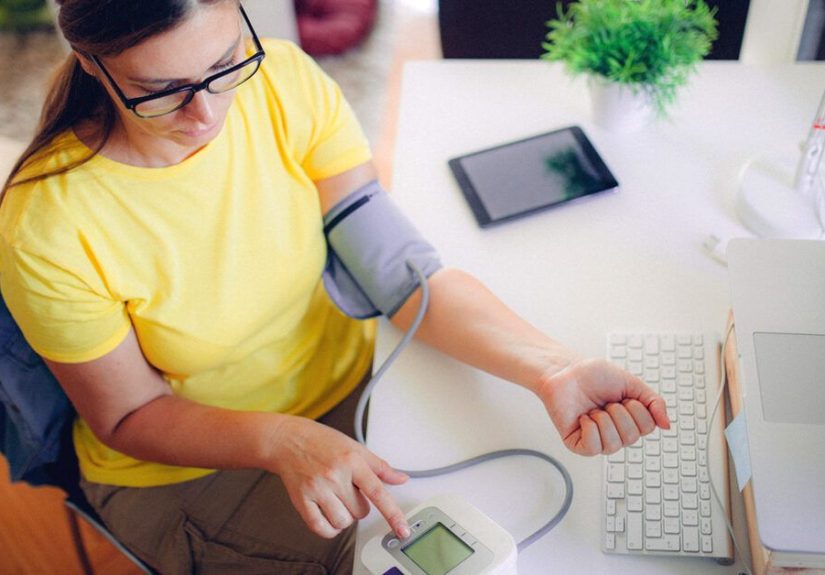
1) Confirm Accurate Blood Pressure Readings
- Sit quietly for 5 minutes before measuring.
- Feet flat on the floor, back supported.
- Arm supported at heart level; cuff on bare skin.
- No talking, texting, or debating your group chat while the cuff inflates.
- Repeat readings and track them over time (home monitoring may help).
2) Look for the Pattern
Is it wide onceor wide consistently? Is systolic rising, diastolic falling, or both? Is it happening only at the doctor’s office (possible white-coat effect)?
3) Check for Underlying Causes
Depending on your history and exam, clinicians may consider:
- Review of medications and supplements
- Blood tests (anemia, thyroid function, kidney function, etc.)
- Electrocardiogram (ECG) if symptoms suggest rhythm issues
- Echocardiogram if valve disease (like aortic regurgitation) is suspected
- Cardiovascular risk assessment based on age, smoking, cholesterol, diabetes, and family history
Treatment: How Wide Pulse Pressure Is Managed
Here’s the headline: treatment is aimed at the cause, not just the number gap. Sometimes the best move is improving overall blood pressure control and vascular health. Other times, it’s addressing a specific condition (like a valve problem or thyroid disorder).
1) Lifestyle Moves That Help (Often More Than People Expect)
- Heart-healthy eating: patterns like DASH-style eating can support healthier blood pressure.
- Regular activity: aerobic exercise and strength training (as medically appropriate) improve vascular function.
- Stop smoking: smoking accelerates arterial stiffening and cardiovascular risk.
- Sleep and stress management: poor sleep and chronic stress can worsen blood pressure patterns.
- Limit excess alcohol and keep caffeine in perspective if it spikes your readings.
2) Blood Pressure Medications (When Needed)
If wide pulse pressure is linked to hypertensionespecially isolated systolic hypertensionclinicians may use medications to lower overall cardiovascular risk. The “best” medication depends on the person and their other conditions. Treatment targets usually focus on achieving healthy blood pressure levels and reducing risk, rather than chasing a perfect pulse pressure number.
3) Treating Specific Conditions
- Aortic regurgitation: management may range from monitoring to medications and, in some cases, valve repair/replacement.
- Hyperthyroidism: treating thyroid overactivity can improve blood pressure dynamics.
- Anemia: addressing iron deficiency or other causes can reduce high-output strain.
- Infection/sepsis: treated urgently in medical settings.
4) Monitoring and Follow-Up
Because pulse pressure can vary, clinicians often rely on trend datahome measurements, ambulatory monitoring, and follow-up visits. The goal is steady, accurate information rather than “one perfect reading.”
Prevention: Keeping Pulse Pressure in a Healthier Range
You can’t freeze time (if you can, please teach the rest of us), but you can slow down vascular aging and reduce risk. Prevention overlaps heavily with cardiovascular basics:
- Manage blood pressure early and consistently.
- Keep cholesterol and blood sugar in healthy ranges.
- Stay active and maintain a weight that supports metabolic health.
- Don’t smoke; avoid secondhand smoke when possible.
- Get routine checkups and treat sleep apnea if present.
FAQ: Quick Answers People Google at 1:17 a.m.
Is wide pulse pressure always bad?
Not always. Some athletes may have wider pulse pressures due to training effects and strong stroke volume. But in many non-athletesespecially older adultspersistent wide pulse pressure can suggest arterial stiffness or another underlying issue.
Can anxiety cause wide pulse pressure?
Anxiety can temporarily raise blood pressure (often systolic), which may widen pulse pressure in the moment. That’s why consistent, calm, correctly measured readings matter more than a single stressful snapshot.
What if my diastolic is “low” but systolic is high?
That pattern can widen pulse pressure and is commonly seen with arterial stiffness and isolated systolic hypertension. It’s worth discussing with a clinician because management depends on your overall risk profile and symptoms.
Real-World Experiences (500+ Words): What Wide Pulse Pressure Can Feel Like
Wide pulse pressure is one of those sneaky health patterns that can exist quietlylike a roommate who eats your leftovers but never leaves a note. Many people only discover it during a routine checkup, a pre-op physical, or a “Fine, I’ll finally use that home blood pressure monitor I bought last year” moment.
Experience #1: The Surprise Spreadsheet. One common story is the person who starts tracking blood pressure at home and notices a weird trend: “My top number is up, but the bottom number seems normal… and the gap is huge.” They feel okay, mostly. Maybe a little more tired than usual. They may blame stress, coffee, work deadlines, or the fact that they’ve been living off takeout and optimism. Then a clinician reviews the log and says something like, “This looks like isolated systolic hypertension,” and suddenly the conversation shifts from “numbers” to “risk.” It can be frustrating because the person doesn’t feel sickso the idea of treatment can feel abstract. What helps here is framing: controlling blood pressure is often about preventing future problems, not fixing today’s symptoms.
Experience #2: The Pounding Pulse. Another experience is more sensory. Some people describe feeling their heartbeat in places they didn’t know were available for heartbeatsneck, ears, temples, even fingertips. They might say, “I can hear my pulse when I’m lying down,” or, “My heart feels like it’s thumping harder, not faster.” This can happen with wide pulse pressure, especially when the systolic pressure is high or diastolic pressure is lower. Sometimes it’s tied to an underlying cause like anemia or thyroid overactivity; sometimes it’s linked to blood pressure patterns. People often report they notice it most at night, when everything is quiet and their brain decides it’s time to pay attention to bodily sensations.
Experience #3: The “I Thought It Was Just Getting Older” Phase. Wide pulse pressure is more common as arteries stiffen with age, and that leads to a very relatable narrative: “I assumed this was just what my body does now.” Maybe they’re slightly more winded on stairs, or their workouts feel harder, or they’re getting headaches more often. The symptoms may not scream “blood pressure,” but they can be the kind of subtle changes people normalize. A good clinician will connect the dots and also check for other driverssleep quality, medication effects, kidney health, and metabolic factorsbecause wide pulse pressure often isn’t a single-issue problem.
Experience #4: When a Specific Cause Is Found. For a smaller group, wide pulse pressure leads to a deeper evaluation and a specific diagnosis, like valve disease. That can be emotionally jarring. People describe relief (“Okay, there’s a reason”) mixed with worry (“Wait, a valve?”). When the cause is something like aortic regurgitation, symptoms may include bounding pulses, exercise intolerance, shortness of breath, or chest discomfort. The good news is that targeted evaluation can lead to a clear planmonitoring, medications, and sometimes procedures that address the root issue.
Across these experiences, the most consistent “aha” moment is this: wide pulse pressure isn’t a standalone villainit’s a clue. It’s the body’s way of hinting that blood vessels, the heart, or both may need attention. And in many cases, the path forward is very practical: measure correctly, look for patterns, manage blood pressure and risk factors, and treat any underlying conditions. Boring? Sometimes. Effective? Very often.
Conclusion
Wide pulse pressure is simply the difference between systolic and diastolic blood pressurebut that difference can carry useful information. Persistent wide pulse pressure can be associated with arterial stiffness, isolated systolic hypertension, or specific conditions like aortic valve disease, and it may signal increased cardiovascular risk depending on your age and overall health. The smartest approach is consistent, accurate measurement, a clinician-guided evaluation for underlying causes, and a treatment plan focused on reducing long-term risknot chasing a perfect number gap.