Table of Contents >> Show >> Hide
- What Is a Square Tab Cabinet Pull?
- Why This Style Works So Well
- How to Choose the Right Size
- Best Places to Use Square Tab Cabinet Pulls
- Materials and Finishes That Matter
- Installation Tips Before You Start Drilling
- Common Mistakes to Avoid
- Cleaning and Maintenance
- Design Examples: How a Square Tab Pull Changes the Look
- Are Square Tab Cabinet Pulls Worth It?
- Experience and Practical Lessons From Real Projects
- Conclusion
If cabinet hardware is the jewelry of a room, then a square tab pull is the sleek little black dress of the bunch: simple, modern, surprisingly versatile, and a lot smarter than it first looks. A tab cabinet pull square style usually features a slim, geometric profile that mounts to the edge or face of a drawer or door, giving cabinetry a crisp, tailored finish without the visual bulk of oversized handles. It is the kind of detail people do not always notice immediately, but when it is right, the whole kitchen, bathroom, or built-in wall suddenly looks more expensive.
That quiet confidence is exactly why square tab pulls have become so popular in modern homes, transitional remodels, minimalist offices, and even updated mudrooms. They offer clean lines, easy function, and a designer look that works especially well on slab-front cabinets, flat-panel drawers, and furniture-style vanities. In other words, they are not trying too hard. They just show up, do their job, and make everything look better. Honestly, that is more than can be said for some larger statement hardware that screams for attention like a reality-show contestant entering week one.
This guide breaks down what a square tab cabinet pull is, how to choose the right size, which finishes make sense, where this style works best, and what mistakes to avoid before drilling holes you will later regret. If you are shopping for hardware, updating an old kitchen, or trying to make stock cabinetry look custom, this is the practical style guide you want open in one browser tab while you compare options in another.
What Is a Square Tab Cabinet Pull?
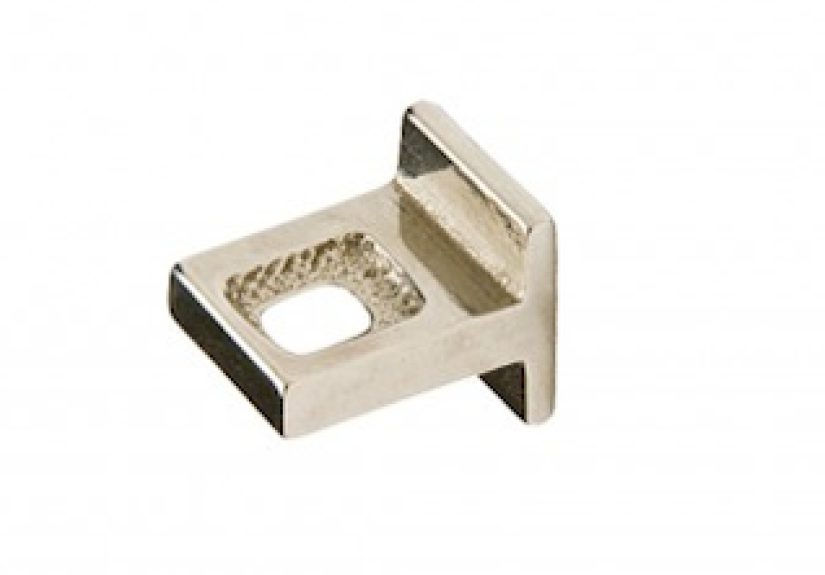
A square tab cabinet pull is a modern cabinet handle defined by a slim silhouette, straight lines, and a more architectural look than a rounded knob or curved bow pull. Depending on the product, it may sit on the face of the drawer front, wrap slightly over the edge, or appear almost like an integrated lip. The “square” part usually refers to the profile and corners: crisp, angular, and clean rather than soft or ornate.
These pulls are especially popular in kitchens with flat-panel cabinet doors, shaker cabinets with a contemporary twist, and bathrooms where homeowners want hardware that feels polished but not flashy. Many square tab pulls are designed to be visually lightweight, which makes them ideal for people who want hardware present enough to be useful, but subtle enough not to dominate the room.
The biggest appeal is balance. A square tab pull gives you more grip than a small knob, but with a lower visual profile than a chunky bar pull. That makes it a favorite for anyone chasing the “custom cabinetry” look without throwing their renovation budget into a dramatic fainting spell.
Why This Style Works So Well
1. It looks modern without feeling cold
Straight lines and square edges naturally fit contemporary design, but tab pulls can also work in transitional spaces when paired with warmer cabinet colors and softer finishes. On white oak, walnut, taupe, greige, navy, charcoal, and matte white cabinetry, square pulls often look refined rather than severe.
2. It keeps the cabinet front visually clean
Because tab pulls are usually slimmer and more compact than classic bar pulls, they help create a quieter look. That matters in smaller kitchens, narrow bathrooms, laundry rooms, and built-ins where oversized hardware can start to feel busy.
3. It is practical for drawers
Many homeowners and designers prefer pulls on drawers because they are easier to grip with the whole hand, especially on wider or heavier drawers. That makes square tab pulls a strong choice for pots-and-pans drawers, deep vanity drawers, or office storage where function matters as much as style.
4. It plays nicely with mixed hardware
If you want knobs on cabinet doors and pulls on drawers, square tab pulls are an easy partner. They can be mixed with square knobs, small round knobs, or even longer appliance pulls in the same finish to create a collected but coordinated look.
How to Choose the Right Size
Size is where beautiful hardware selections either become brilliant or mildly tragic. A square tab pull that is too small can disappear on a large drawer. One that is too large can make a petite cabinet look like it borrowed its accessories from a commercial freezer.
Understand center-to-center measurement
When a pull uses two screws, the most important number is the center-to-center measurement. This is the distance from the center of one screw hole to the center of the other. It is not the full end-to-end length of the pull. If you are replacing existing hardware, this measurement is everything. Get it wrong and your “easy upgrade” turns into a filler-putty support group.
Common sizes you will see
For standard cabinet hardware, common pull spreads include 3 inches, 3 3/4 inches, 5 inches, and 5 1/16 inches, though many collections offer far more options. Tab pulls and square pulls also come in longer sizes for wide drawers and panel-front appliances. If you are buying new hardware for brand-new cabinets, you have more freedom. If you are replacing old pulls, your existing hole spacing may make the decision for you.
A practical sizing rule
A widely used guideline is to choose a pull length that is about one-third of the drawer width. So if a drawer is 18 inches wide, a pull around 6 inches can look balanced. On wider drawers, longer pulls often feel more proportional and more comfortable to use. Some very wide drawers may even look and function better with two pulls rather than one centered pull.
Think about the hand, not just the eye
Tab pulls may look slim, but they still need enough projection or lip to be comfortable. If the profile is too shallow, the pull may look elegant in a product photo but annoy you every morning while making coffee. That is not the kind of daily relationship anyone wants.
Best Places to Use Square Tab Cabinet Pulls
Kitchens
This is the natural habitat of the square tab pull. It works beautifully on slab cabinets, modern shaker fronts, rift-cut oak cabinetry, and even simple painted cabinets that need a sharper finish. Use shorter pulls on upper cabinets and longer pulls on wide lower drawers for a balanced, intentional layout.
Bathrooms
Square tab pulls add a polished, tidy look to bathroom vanities. They work especially well when paired with square mirrors, linear sconces, and faucets with angular profiles. A brushed finish is usually a smart choice here because it tends to be more forgiving with fingerprints and water spots than highly polished options.
Laundry rooms and mudrooms
Utility spaces deserve good hardware too. In fact, durable, easy-grip pulls are often even more useful in hardworking rooms. Square tab pulls can make plain storage cabinets look custom without demanding a luxury-level budget.
Built-ins and furniture pieces
Home offices, media walls, entry consoles, and wardrobe systems all benefit from hardware that looks tailored rather than decorative. A square tab pull gives built-ins a more integrated, architectural feel, which is why so many homeowners use them to upgrade stock cabinetry.
Materials and Finishes That Matter
Solid brass
Solid brass pulls are often favored for their weight, durability, and premium feel. They can also age beautifully, especially in living finishes or warm brushed finishes. If you want hardware that feels substantial in the hand, brass often delivers.
Stainless steel or aluminum
These materials suit modern kitchens and can offer a crisp, clean look. They are especially appealing when paired with stainless appliances or cool-toned palettes. The vibe is streamlined and practical, with less ornament and more “I have my life together,” even if the junk drawer says otherwise.
Zinc alloy and mixed metals
Many affordable cabinet pulls are made from zinc-based materials. A well-made zinc pull can still look great and perform well in residential spaces. If you are doing a full-house hardware refresh on a budget, this category often provides the best mix of style and cost.
Popular finishes
Matte black remains a favorite for contrast and definition. Brushed nickel is reliable, versatile, and easy to live with. Polished chrome feels clean and classic, especially in bathrooms. Warm brass brings richness and works beautifully with wood tones, white cabinetry, and moody paint colors. More recently, textured, patinated, and jewelry-like finishes have also gained attention for homeowners who want a little more personality in their hardware without going full costume drama.
Installation Tips Before You Start Drilling
Even the best-looking square tab cabinet pull can look crooked if the installation is sloppy. Hardware has a magical ability to expose measuring laziness, so patience is part of the design process.
Use a template or jig
A hardware template helps create consistent placement across multiple doors and drawers. It is one of the easiest ways to get clean, repeatable results, especially if you are installing several pulls in a kitchen or bath.
Mark consistently from the same edge
When placing pulls, always measure from the same side and use a reliable square or jig. Consistency matters more than obsession, but yes, on cabinet hardware, those two things can look suspiciously similar.
Double-check old hole spacing
If you are replacing existing pulls, verify the center-to-center spread before ordering. Product listings usually show both overall length and hole spacing. Those are not the same measurement, and confusing them is one of the fastest ways to ruin an otherwise lovely Saturday.
Test one cabinet first
Before installing every piece, mount one pull on a representative door or drawer. Open it. Close it. Grab it with wet hands. Imagine using it half-awake at 6:30 a.m. If it feels awkward now, it will not get more charming later.
Common Mistakes to Avoid
Choosing style before function
Some ultra-minimal tab pulls look fantastic online but are uncomfortable in real life. Always consider how the pull feels in the hand, especially on heavy drawers.
Ignoring cabinet scale
Hardware should fit the size of the cabinet front. Tiny pulls on oversized drawers feel skimpy. Massive pulls on small cabinet doors can feel comically overcommitted.
Mixing too many shapes
If you choose square tab pulls, keep other hardware elements aligned with that geometry. A square pull next to an ornate curvy knob can feel like two completely different design conversations happening at once.
Forgetting appliance harmony
Your cabinet hardware should not fight your faucet, lighting, or appliance finishes. It does not all have to match exactly, but it should look intentional. Think “well-coordinated dinner party,” not “everyone ignored the dress code.”
Cleaning and Maintenance
Cabinet hardware collects grease, fingerprints, dust, and kitchen mystery residue at a speed that defies science. Fortunately, cleaning most pulls is simple. A soft cloth, warm water, and mild soap usually handle everyday grime. Some home-care experts also recommend soaking removable hardware in warm water with a bit of vinegar and a drop of mild dish soap, then gently scrubbing and drying thoroughly before reinstalling.
The main rule is not to get aggressive. Avoid abrasive scrubbers, harsh chemical cleaners, and anything that can scratch or damage the finish. If the hardware has a special coating, follow the manufacturer’s care guidance. The goal is “fresh and polished,” not “accidentally sandblasted.”
Design Examples: How a Square Tab Pull Changes the Look
Example 1: White oak kitchen
In a warm white oak kitchen with flat-panel doors, a brushed brass square tab pull adds just enough contrast to define the cabinetry without interrupting the grain. The effect is warm, modern, and expensive-looking.
Example 2: Matte navy vanity
On a navy bathroom vanity, a polished chrome or brushed nickel square tab pull can sharpen the silhouette and tie in beautifully with plumbing fixtures. The result feels crisp, tailored, and a little bit boutique hotel.
Example 3: Budget stock cabinets
If you are working with simple stock cabinets, swapping dated hardware for square tab pulls can dramatically elevate the look. Paint plus new hardware is still one of the most effective low-cost upgrades in cabinetry, and the pull style you choose does a lot of the visual heavy lifting.
Are Square Tab Cabinet Pulls Worth It?
Yes, especially if you want a pull that feels modern, practical, and visually clean. A tab cabinet pull square style works across a wide range of interiors, from minimalist kitchens to updated transitional baths. It offers more grip than a knob, less bulk than a classic bar pull, and enough design presence to make ordinary cabinetry feel intentionally styled.
The key is choosing the right size, finish, and projection for your specific cabinets. When those details are right, square tab pulls can make the entire room look more custom. When they are wrong, they become tiny daily annoyances with screws. Choose wisely.
Experience and Practical Lessons From Real Projects
One of the most common experiences homeowners report with square tab pulls is surprise. Not bad surprise, thankfully. More like, “Wait, why does my kitchen suddenly look like I hired a designer?” That reaction usually happens because these pulls are small changes with big visual consequences. People expect cabinet paint or countertops to do all the transformation work, but hardware often ends up being the part that makes the room feel complete.
In small kitchens, square tab pulls are especially effective because they do not clutter the eye. A homeowner replacing old rounded knobs with slim square pulls often notices the room feels calmer and more streamlined right away. The cabinets look flatter, cleaner, and more intentional. Even older cabinet boxes can look updated when the hardware shifts the visual language from “builder-basic” to “edited and modern.” It is a bit like changing from running shoes to loafers. Same person, very different impression.
Another common lesson comes from wide drawers. On paper, a short pull may seem perfectly fine, but in daily use, it can feel underpowered. People learn quickly that heavier drawers need hardware that feels good in the hand, not just good in a zoomed-in product photo. For large drawers holding cookware, dishes, or grooming tools, a longer square tab pull can improve comfort and help the whole drawer front look better proportioned. This is where practical use and design stop being separate topics and start acting like best friends.
Finish choice also tends to become more emotional than expected. Matte black looks dramatic and sharp, especially on white or wood cabinets, but some homeowners later realize they wanted something warmer or less contrast-heavy. Brushed brass, brushed nickel, and softer patinated finishes often age more gently in a space because they add character without shouting. Many people who initially chase the boldest finish eventually admit they prefer the one that quietly works with the room every single day.
Installation is another area where experience teaches humility. Plenty of people start out confident, tape measure in hand, ready to “knock this out in an hour.” Then they install one pull slightly off-center and discover that cabinet hardware has zero sympathy. The best real-world lesson is simple: use a template, check every measurement twice, and test one location before drilling the whole room. That extra ten minutes can save hours of repair, patching, repainting, and muttering.
There is also a practical household lesson that rarely gets mentioned in glamorous before-and-after photos: ease of cleaning matters. Homes with kids, pets, or high-use kitchens need hardware that can handle fingerprints, grease, and frequent wiping. Square tab pulls with brushed finishes usually perform better in the real world than highly polished finishes that show every smudge like a tiny crime scene. People tend to appreciate this after about three weeks of everyday use.
From a styling perspective, square tab pulls are often most successful when they are part of a larger rhythm. That rhythm might mean matching the angular lines of a faucet, echoing the frame of a mirror, or complementing the straight profile of a light fixture. When everything aligns, the room feels collected and sophisticated. When it does not, even expensive hardware can feel oddly random. Real-life projects consistently show that hardware works best when it belongs to the whole room, not just the cabinet.
Perhaps the most interesting experience is how often people wish they had upgraded sooner. Cabinet hardware feels like a small decision, so it gets delayed. But after installing square tab pulls, many homeowners realize the room now feels more custom, easier to use, and more current. That is the beauty of this style. It is not flashy, but it is transformative in a very grown-up way. No fireworks, no drama, just a smart upgrade that quietly makes your cabinets behave like they have always had excellent taste.
Conclusion
A square tab cabinet pull is one of the smartest small upgrades you can make to cabinetry. It brings a crisp, modern look, supports everyday function, and works in kitchens, bathrooms, laundry rooms, offices, and built-ins alike. Choose the right size, pay attention to center-to-center spacing, coordinate your finish with the room, and install carefully. Do that, and your cabinets will look cleaner, sharper, and more expensive without demanding a full remodel. That is a pretty impressive résumé for one piece of hardware.