Table of Contents >> Show >> Hide
- Quick Checklist: What Makes a Shingle “The Best” For Your Home?
- Major Types of Roof Shingles (And Who They’re Best For)
- 1. Traditional Asphalt Shingles: The Budget-Friendly Workhorse
- 2. Impact-Resistant (Class 4) Asphalt Shingles: Built for Hail and Harsh Weather
- 3. Metal Shingles: Long-Lived and Surprisingly Stylish
- 4. Wood Shingles and Shakes: Natural, Warm, and Character-Rich
- 5. Slate Shingles: The Lifetime (and Then Some) Roof
- 6. Composite and Synthetic Shingles: High Style, Less Hassle
- 7. Solar Shingles: Power and Protection in One
- Climate + Home Style: Matching Shingles to Real Life
- Cost vs. Lifespan: What Most Homeowners Actually Choose
- Energy Efficiency and Tax Credits: Will Shingles Really Save You Money?
- Common Mistakes to Avoid When Choosing Roof Shingles
- Real-World Experiences: What Homeowners Learn the Hard Way
- Conclusion: Finding Your “Best” Roof Shingle
Picking roof shingles isn’t as simple as pointing at a picture and saying, “That one looks cute.”
Your shingles have to stand up to blazing sun, sideways rain, surprise hailstorms, and
that one tree branch that always seems a little too close for comfort. The right roofing shingles
protect your home, boost curb appeal, and can even help lower energy bills over time.
The tricky part? There are more shingle options today than ever: classic asphalt, sleek metal,
storybook wood shakes, impressive slate, modern synthetic shingles, and even solar shingles that
quietly make electricity while you sleep. Home improvement pros, roofing manufacturers, and
consumer testing labs all agree on one thing: the “best” shingle isn’t one single product, but the
one that fits your climate, budget, and how long you plan to stay in your home.
Quick Checklist: What Makes a Shingle “The Best” For Your Home?
Before you fall in love with a particular look, run through this quick checklist:
- Climate: Do you face intense sun, heavy snow, hurricanes, or hail?
- Budget: Are you staying 5 years, 15 years, or “forever home” level?
- Lifespan: Are you okay replacing a roof in 20–25 years, or do you want 40–70 years?
- Curb appeal: Do you want a basic look, or a “slow down and stare” designer roof?
- Energy efficiency: Would reflecting heat or insulating better actually save you money?
- Local codes & HOA rules: Some neighborhoods restrict roofing styles and colors.
- Insurance & hail risk: In hail-prone regions, impact-resistant shingles can mean fewer claims and sometimes premium discounts.
Major Types of Roof Shingles (And Who They’re Best For)
1. Traditional Asphalt Shingles: The Budget-Friendly Workhorse
If roofs had a “most popular” yearbook vote, asphalt shingles would win by a landslide.
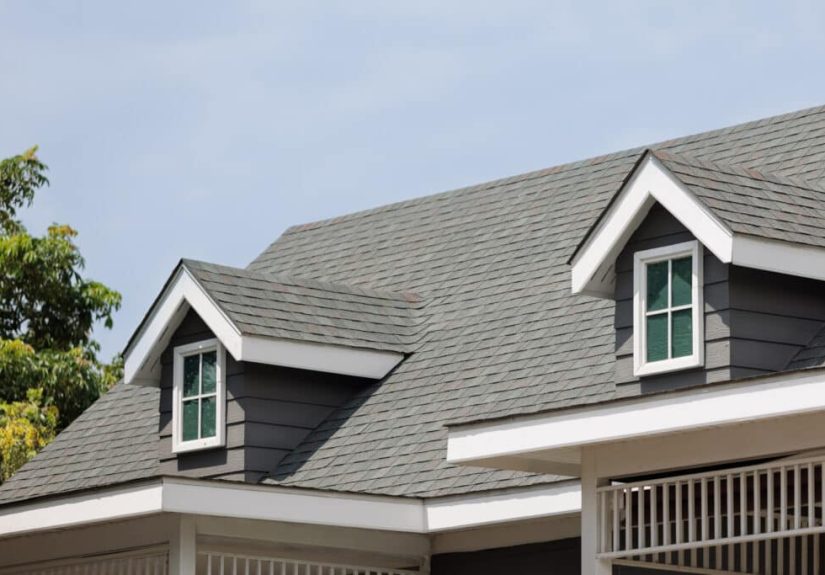
They’re made from a fiberglass mat coated with asphalt and topped with mineral granules.
Within asphalt, you’ll see three main categories:
- 3-tab shingles: Flat, uniform look and generally the most affordable.
- Architectural (dimensional) shingles: Thicker, layered look with more depth.
- Luxury shingles: Heavier, premium options that mimic slate or wood shakes.
Typical 3-tab shingles often last around 20–25 years in average conditions, while
architectural and luxury shingles can stretch into the 30–40 year range with quality
installation and good ventilation. Consumer testing shows that many
mainstream asphalt brands are engineered to handle winds around 60 mph for basic lines,
with higher-end lines rated for stronger gusts.
Best for: Most typical suburban homes, first-time homeowners, sellers prepping a house for market, and anyone who wants a solid roof without blowing up the budget.
2. Impact-Resistant (Class 4) Asphalt Shingles: Built for Hail and Harsh Weather
If you live in hail country, impact-resistant (“IR”) shingles are like regular asphalt’s
tougher cousin. These products are tested under the UL 2218 standard, where steel balls are
dropped from up to 20 feet to simulate hail striking the roof. Shingles that earn a Class 4
rating the highest available are designed to withstand this abuse without cracking through
the shingle.
Manufacturers use reinforced mats, polymer-modified asphalt, or other tweaks to improve
durability. In independent tests, impact-rated shingles consistently outperformed basic
3-tab and standard architectural shingles across impact levels.
Best for: Regions with frequent hail, high winds, or flying debris think parts of the Midwest, Great Plains, and mountain states. Some insurers even offer discounts for Class 4 roofs (always check your policy first).
3. Metal Shingles: Long-Lived and Surprisingly Stylish
Metal roofing isn’t just big sheets of barn-style panels anymore. Metal shingles and tiles
can mimic the look of traditional shingles, slate, or shakes while delivering serious
durability. Many systems use steel or aluminum, coated and painted to resist rust and fading.
Recent comparison guides estimate metal shingles in the ballpark of about $350–$600 per
square (100 square feet), with lifespans often in the 40–60 year range, depending on product
quality and environment. Metal roofs in general outlast asphalt, resist
fire, and are often made with recycled content plus, they can be highly reflective,
reducing cooling loads in hot climates.
Best for: Homeowners planning to stay long term, those in harsh climates, or anyone wanting a more premium, modern look (without choosing traditional slate or tile).
4. Wood Shingles and Shakes: Natural, Warm, and Character-Rich
Wood shingles and shakes bring a warm, storybook charm to cottages and traditional homes.
Cedar is the classic choice thanks to its natural resistance to rot and insects. Shingles are
sawn for a more uniform look, while shakes are split for a thicker, more rustic texture.
On the downside, wood roofs usually require more maintenance, can be vulnerable to fire
without special treatments, and may not be allowed in fire-prone regions. They’re generally
more expensive than standard asphalt and may not last as long as high-end metal or slate in
severe climates.
Best for: Design-driven homeowners in suitable climates, historic districts, and homes where a “natural” aesthetic is a priority.
5. Slate Shingles: The Lifetime (and Then Some) Roof
Natural slate roofs are the heavyweights of the roofing world literally and figuratively.
With proper installation, slate roofs can last 75–100 years or more.
They offer an unmistakably upscale look and excellent fire and weather resistance.
The trade-offs? Slate is heavy, expensive, and requires a structure capable of supporting the
load. It also demands highly skilled installers. To bridge the gap, some manufacturers offer
synthetic or composite slate that delivers a similar look at a lower weight and cost while
still offering solid durability.
Best for: High-end and historic homes, “forever homes,” and projects where budget is secondary to aesthetics and longevity.
6. Composite and Synthetic Shingles: High Style, Less Hassle
Composite shingles use engineered polymers, rubber, or other materials to imitate slate,
shakes, or tile while staying lighter and often more impact resistant. Many brands market
these as eco-conscious options, especially when they incorporate recycled content, and they
frequently come with warranties in the 40–50+ year range.
Best for: Homeowners who want a designer lookslate, shake, or tilewithout the weight, fragility, or price tag of the traditional materials.
7. Solar Shingles: Power and Protection in One
Solar shingles (or solar roof tiles) integrate photovoltaic cells directly into roofing
elements. Instead of big racks of panels, your roof becomes the power plant. They’re still
more expensive than typical shingles and are best considered when you need both a new roof
and solar at the same time. However, they can help offset utility costs and support
sustainability goals.
Best for: Homeowners committed to renewable energy who are replacing the roof anyway and are comfortable with a higher upfront investment.
Climate + Home Style: Matching Shingles to Real Life
Cold and Snowy Climates
In areas with heavy snow, ice dams, and freeze–thaw cycles, durability and proper roof
structure are key. Architectural asphalt, impact-resistant shingles, metal shingles, and
high-quality composites all hold up well, especially when paired with good attic insulation
and ventilation. Metal sheds snow quickly, which can reduce load a plus if your structure is up to it.
Hot, Sunny, or Desert Climates
In hot regions, look for shingles with high solar reflectance sometimes called “cool roof”
products. These engineered shingles and coatings reflect more sunlight and absorb less heat,
helping reduce cooling loads. Metal roofs with reflective finishes and
lighter-colored architectural shingles can also help keep attic temperatures in check.
Hail, Thunderstorms, and High-Wind Areas
This is where Class 4 impact-resistant shingles shine. They’re designed to better withstand
hail and wind-blown debris, and many are tested to hold up under more aggressive UL 2218
impacts than standard shingles. Combined with proper installation and
code-compliant fastening patterns, these shingles can reduce the risk of storm damage and
water intrusion.
Coastal or Humid Regions
In coastal areas, you’ll balance corrosion, wind, and salt exposure. Asphalt, metal, and
composite shingles are common choices; just be sure to choose products rated for high winds
and check that fasteners and accessories are appropriate for your environment. Coastal codes
can be strict, so always confirm that the product meets local requirements.
Cost vs. Lifespan: What Most Homeowners Actually Choose
While luxury slate and metal roofs are gorgeous, the majority of U.S. homeowners still choose
asphalt shingles especially architectural or “dimensional” lines. They hit a sweet spot of
cost, performance, warranty coverage, and appearance.
Pricing varies by region and roof complexity, but many cost guides put architectural asphalt
well below premium metal or slate options, while still offering 25–30+ year lifespans for
reputable brands. When you look at “cost per year of service,” higher-quality architectural
shingles often beat rock-bottom 3-tab products, especially once you factor in performance,
wind resistance, and aesthetics.
Energy Efficiency and Tax Credits: Will Shingles Really Save You Money?
Energy-efficient roof products can lower cooling loads, especially in sunny climates. Cool
roof shingles, reflective metal roofs, and ENERGY STAR–qualified roofing materials can reduce
attic temperatures and, over time, energy bills.
Federal energy tax credits frequently change, and not all shingles qualify. Current guidance
emphasizes that materials must meet specific efficiency standards, and some cool roof
membranes or components may be eligible in certain categories, while many standard (and even
“cool”) asphalt shingles are not.
The bottom line: energy savings can be real, but don’t bank on a tax break without checking
up-to-date IRS rules and local incentives.
Common Mistakes to Avoid When Choosing Roof Shingles
-
Choosing by color alone: A black roof might look dramatic, but in a hot climate it can
raise attic temperatures and cooling costs compared to lighter or reflective options. -
Ignoring the installer: A great shingle installed badly will fail faster than an average
shingle installed correctly. Reputable, certified contractors are worth the money. -
Underestimating ventilation: Poor attic airflow can cook shingles from below, shorten
their life, and void warranties. -
Skipping impact resistance in storm-prone regions: If hail is common where you live, Class 4
products can be cheaper than repeated repairs or replacements. -
Not checking HOA or local code rules: The last thing you want is to install your dream
roof and then find out it doesn’t comply.
Real-World Experiences: What Homeowners Learn the Hard Way
Talk to homeowners and roofers long enough, and you start hearing the same stories over and
over. Here are some “experience-tested” lessons that can help you choose the best shingles
for your home without earning your own cautionary tale.
“We Went With the Cheapest Option… Twice.”
A common story goes like this: years ago, a homeowner picked the least expensive 3-tab
shingles to “get by.” A decade later, after a couple of storms and some curling shingles,
they land back on the roof this time paying for removal, disposal, and a new install all
over again. When you add up two full reroofs over, say, 25 years, the bargain choice stops
looking like such a bargain.
Many roofers quietly recommend stepping up at least one level from basic 3-tab to
architectural shingles, or from basic architectural to an impact-resistant line especially
in regions with serious weather. The slightly higher upfront cost often translates into a
longer life, better wind rating, and fewer mid-life repairs.
“We Didn’t Realize Installation Matters This Much.”
It’s easy to obsess over brand names and color swatches and then choose a contractor based
solely on the lowest bid. But experienced homeowners will tell you the installer is half the
product. Proper underlayment, flashing, nail placement, and ventilation can make the
difference between a roof that quietly does its job for 25–30 years and one that starts
leaking after the first big storm.
When you’re picking shingles, factor in who will be installing them. Look for contractors
with manufacturer certifications, solid local reviews, and clear, detailed proposals. The best
shingle in the world can’t overcome sloppy workmanship.
“We Wish We’d Gone Impact-Resistant Before the Big Hailstorm.”
In hail-prone regions, homeowners often discover impact-resistant shingles only after a
storm destroys their roof. The adjuster shows up, the roof gets replaced under insurance,
and that’s when people start asking about Class 4 options. A few years later, the next big
storm comes through and those with IR shingles typically suffer far less damage.
Homeowners who upgrade during a post-storm replacement often say they wish they’d done it
earlier. The premium for Class 4 shingles isn’t trivial, but spread over the life of the roof
and considering possible insurance savings and fewer emergency repairs it often looks
smart in retrospect.
“We Didn’t Think About Noise, Heat, or Color Until It Was Too Late.”
Another experience-based lesson: think beyond looks. Metal roofs, for example, can be
slightly noisier in heavy rain if not installed with proper decking and insulation (some
homeowners love the sound; others don’t). Dark asphalt roofs may look rich and elegant, but
in a sunny climate they can contribute to higher attic and indoor temperatures compared with
lighter or reflective products.
Homeowners who’ve been through a few roofs tend to say the same thing: imagine your roof on
the hottest day of summer, the coldest day of winter, and during the worst storm you’ve seen.
If your shingle choice still feels right in all three scenarios, you’re probably on the right
track.
“We’re Glad We Planned For the Long Term.”
Finally, homeowners who chose higher-end architectural, metal, or composite shingles often
describe an underrated benefit: peace of mind. Knowing your roof is built to handle your
climate, and that you likely won’t be climbing the reroof merry-go-round anytime soon, is a
real quality-of-life upgrade.
When you zoom out, the “best” roof shingles for your home are the ones that match your
budget, climate, and time horizon and that are installed by someone who knows exactly what
they’re doing. Get those pieces right, and your shingles become something you barely think
about which is exactly how a good roof should feel.
Conclusion: Finding Your “Best” Roof Shingle
There’s no one-size-fits-all answer to the best roof shingles but there is a best choice
for your specific home. For many homeowners, that’s a quality architectural asphalt shingle.
For others, it’s a long-lived metal, elegant slate, or a composite product that nails the look
without the weight. A handful of tech-forward households will even opt for solar shingles.
Start with your climate and budget, think carefully about how long you plan to stay in the
home, and don’t underestimate the importance of a skilled installer. Do that, and your roof
will quietly protect your home for decades while making your house look great from the
street.