Table of Contents >> Show >> Hide
- Why Guacamole Turns Brown So Fast
- The Best Way to Keep Guacamole From Turning Brown
- Why This Method Beats the Other Popular Tricks
- How Long Will Guacamole Stay Green?
- Common Mistakes That Make Guacamole Brown Faster
- A Quick Step-by-Step Guide You Can Actually Use
- Real-Life Experiences: What Actually Happens in a Busy Kitchen
- Final Takeaway
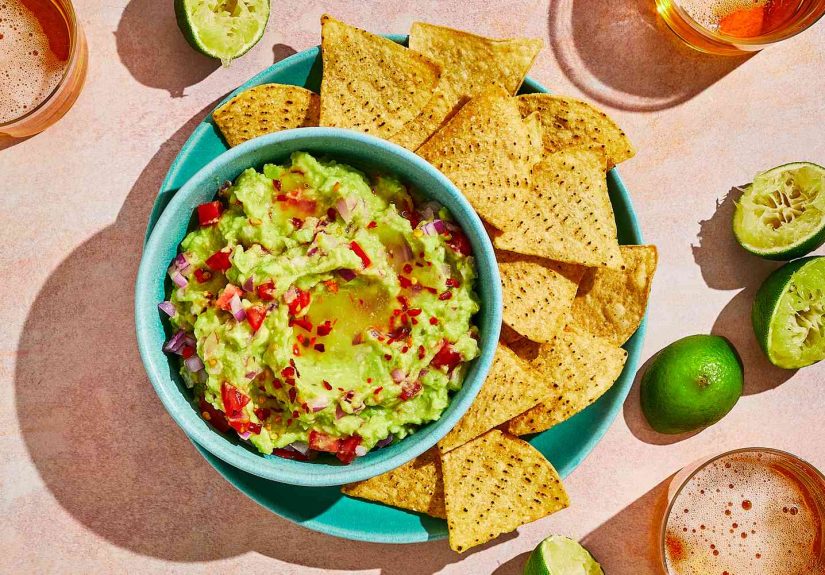
Guacamole has a dramatic side. You mash a few perfect avocados, squeeze in some lime, add salt, onion, cilantro, maybe a little jalapeño if you’re feeling brave, and suddenly you have a bowl of green gold. Then you look away for what feels like nine seconds, and the top starts turning a sad shade of brown. It is one of the cruelest plot twists in the kitchen.
The good news is that keeping guacamole green is not a mysterious culinary art passed down by avocado wizards. It mostly comes down to one thing: keeping oxygen away from the surface while giving the avocado a little help from acid. After reviewing expert food-safety guidance, university extension advice, and kitchen tests from major American food publications, the best method is surprisingly clear. Use lime juice in the guacamole, smooth the surface, add a thin layer of citrus juice on top, press plastic wrap directly against the surface, and refrigerate it right away.
That is the short version. The long version is much more fun, because it includes kitchen myths, a few near-tragic party moments, and the glorious realization that the avocado pit is not a magical brown-blocking talisman. Sorry, pit. You had a good run.
Why Guacamole Turns Brown So Fast
Guacamole browns because avocados are packed with compounds that react when the fruit is cut, mashed, and exposed to air. Once oxygen hits the surface, enzymes get to work and create brown pigments. This is why a smooth, untouched avocado half lasts longer than a bowl of mashed guac. Mash it, stir it, fluff it, and suddenly you have created a giant green stage for oxidation to perform its little Broadway number.
The browning is mostly a quality issue, not an instant sign that the guacamole is unsafe. But it does change how the dip looks, and eventually it can affect flavor and texture too. Fresh guacamole tastes bright, creamy, and a little zippy. Browned guacamole tastes like it got bored waiting for the chips.
The real enemies here are oxygen, time, and warm temperatures. Your best friends are acid, tight surface coverage, and the refrigerator. That trio is not glamorous, but it gets the job done.
The Best Way to Keep Guacamole From Turning Brown
If you want the single best answer, here it is: protect the surface with lime juice, remove as much air contact as possible, and chill it promptly. Not one of those steps. All of them together. Think of it as a three-part anti-browning security system.
1. Start with enough lime juice in the guacamole itself
Lime juice is not just there because guacamole would feel emotionally incomplete without it. It adds acidity and helps slow oxidation. A properly seasoned batch of guac already has a head start against browning when citrus is mixed in from the beginning.
This does not mean you should turn your dip into avocado lemonade. The goal is balance. You want enough lime to brighten the flavor and support the color, but not so much that every chip tastes like it went on spring break in a citrus grove.
2. Smooth the top completely
Once you are done mixing, use the back of a spoon or spatula to flatten the surface. This sounds like a tiny detail, but it matters. A bumpy, ridged, mountain-range top traps little pockets of air. A smooth top gives oxygen fewer hiding places.
Think of it like making the bed, except this bed is delicious and people show up with tortilla chips instead of throw pillows.
3. Add a thin layer of lime juice over the surface
This is the real MVP. A light layer of lime juice on top creates a better barrier than wishful thinking, an avocado pit, or that one friend who says, “It’ll be fine,” right before the guac changes color in public.
Why does this work so well? Because the juice sits right where browning starts: at the surface. Citrus helps by lowering the pH and contributing antioxidants that slow the reaction that causes discoloration. In plain English, the lime steps in and tells oxygen to calm down.
Use just enough to coat the top in a thin film. You are not trying to drown the guacamole. You are giving it a protective rain jacket.
4. Press plastic wrap directly onto the guacamole
After the lime juice goes on, press plastic wrap directly against the surface. Not hovering above it. Not loosely draped like a decorative scarf. Directly on it. The goal is to reduce contact with air as much as possible.
This step matters because even a good airtight container still leaves some air above the food. Pressing the wrap onto the guacamole closes that gap where browning loves to begin. If you want extra insurance, put the wrapped guacamole in a sealed container with a lid.
5. Refrigerate it immediately
Guacamole should not linger at room temperature while you finish texting, plate the tacos, or argue about whether cilantro tastes like soap. Once it is made, and especially once it is being saved for later, it belongs in the refrigerator.
Cold storage slows quality loss and is also the safer move for a fresh dip made from raw produce. Wash the avocados before cutting them, use clean utensils, and store the finished guac cold. Freshness is great. Freshness plus basic food safety is even better.
Why This Method Beats the Other Popular Tricks
The internet has produced many guacamole-saving strategies. Some help a little. Some mostly help people feel busy. A few deserve a polite retirement.
The avocado pit myth
Let’s settle it. Leaving the pit in the bowl is not the best way to keep guacamole green. At best, it protects the tiny patch directly underneath it because that small area is blocked from air. The rest of the bowl is still out there fighting for its life.
So yes, the pit “works” in the same way that holding an umbrella over one shoe technically keeps that shoe dry. Not exactly a full-weather solution.
The onion trick
Some people store guacamole with a piece of onion in the container. This idea has fans, and it may help a bit in some cases, but it is not the top method. It can also leave moisture or onion flavor where you may not want it. If your goal is “fresh, clean guac,” slimy onion perfume is not exactly a strong selling point.
Plastic wrap alone
Plastic wrap pressed directly on the surface is genuinely useful. It is one of the strongest single tricks. But citrus makes it better. If you skip the lime or lemon and rely only on wrap, you are still reducing air exposure, just not getting the extra chemical assist that slows browning even more.
In other words, plastic wrap alone is a good defender. Plastic wrap plus lime is the full starting lineup.
A layer of water
You may have seen people pour a thin layer of water over guacamole, then pour it off before serving. This can block oxygen, and some home cooks swear by it. But it is messy, easy to overdo, and not the best overall method when you compare flavor, convenience, and consistency.
More importantly, water-based avocado storage hacks have raised food-safety concerns in broader avocado handling. For that reason alone, citrus plus direct surface coverage is the smarter recommendation for most home kitchens.
A layer of oil
Oil can create a barrier too, but it is not as reliable as citrus for preserving the color and flavor of guacamole. It may help somewhat, but it can also slightly change the mouthfeel, and let’s be honest: guacamole is already rich enough. It does not need to be wearing a little olive oil tuxedo unless you truly want that flavor.
How Long Will Guacamole Stay Green?
If you use the full method well, your guacamole can stay noticeably greener longer than untreated guac, especially over the first day or two. The exact timing depends on how ripe the avocados were, how much lime you used, how warm the guacamole got before refrigeration, and how tightly the surface was sealed.
For best flavor and texture, try to eat leftover guacamole within a day or two. Some well-protected batches may look good longer, but guacamole is one of those foods that rewards you for not pushing your luck. This is not wine. It does not get wiser with age.
If the very top shows a little discoloration, you may still find bright green guac just underneath. But if the dip smells off, looks watery in a suspicious way, or has clearly passed from “slightly browned” into “questionable life decision,” it is time to let it go.
Common Mistakes That Make Guacamole Brown Faster
Using overripe avocados
If the avocados already have brown spots inside, no storage trick on Earth is going to reverse that. Start with ripe, creamy fruit that is not bruised or stringy.
Leaving too much air in the container
A giant container with a shallow smear of guac at the bottom is basically a browning spa. Use a smaller container when possible so the dip fills more of the space.
Skipping the smoothing step
Ridges and swirls look cute for about six minutes. Then they become oxidation headquarters.
Waiting too long to refrigerate
Fresh guacamole for serving is one thing. Leftovers sitting out while the party slowly dissolves into people discussing whether guac is technically a salad is another. Get it chilled.
Trusting myths more than oxygen science
The pit is not magic. The onion is not a wizard. Oxygen is the problem. Blocking oxygen is the answer.
A Quick Step-by-Step Guide You Can Actually Use
- Mash ripe avocados with salt, lime juice, and your favorite mix-ins.
- Smooth the top of the guacamole with a spoon.
- Add a thin film of fresh lime juice over the surface.
- Press plastic wrap directly onto the guacamole so there are no air pockets.
- Seal the container with a lid.
- Refrigerate immediately.
- Serve within one to two days for the best taste and texture.
Real-Life Experiences: What Actually Happens in a Busy Kitchen
I have seen guacamole live many different lives. I have seen “made fresh for the party” guac turn brown before the second batch of margaritas. I have seen “I’ll just cover it later” guac become a swampy cautionary tale during cleanup. And I have also seen properly stored guac come out of the fridge the next day still bright enough to make people ask, “Wait, when did you make this?” That question, by the way, is the avocado equivalent of winning a gold medal.
The biggest lesson from real kitchen experience is that tiny choices make a huge difference. The batch that gets smoothed, limed, wrapped, and chilled tends to stay attractive. The batch that gets scooped into a giant bowl, loosely covered, and left on the counter while everyone debates what movie to watch is basically volunteering for an early browning ceremony.
One of the most common mistakes happens after dinner. People are full, the chips are mostly crumbs, and the guacamole is still sitting there in a serving bowl the size of a small canoe. Somebody says, “Let’s save it,” and then proceeds to toss plastic wrap over the top without pressing it down. Into the fridge it goes, carrying all that trapped air like a backpack full of bad decisions. The next morning, the top looks tired, grayish-brown, and slightly offended. The guacamole was not betrayed by fate. It was betrayed by lazy wrapping.
On the other hand, when you take one extra minute and store it properly, the difference is obvious. I have seen leftover guac survive taco night, make a strong appearance at lunch the next day, and still taste fresh enough to spread on toast or tuck into a burrito bowl. The winning batches are not mysterious. They usually have enough lime from the start, a smooth top, and plastic wrap pressed directly against the surface like it means business.
Another real-world detail: people often assume the top layer of citrus will ruin the flavor. In practice, that depends on how heavy-handed you are. A thin film is usually easy to stir in or pour off if needed. It is not a cannon blast of sourness. It is more like a subtle insurance policy with a tangy accent.
Then there is the avocado pit crowd. Every family seems to have one devoted pit believer. They place the seed in the center like a ceremonial object and act as if ancient guacamole spirits have been summoned. I respect the confidence. I do not respect the results. In actual experience, the pit protects one lonely little circle while the rest of the bowl browns around it like a disappointed audience.
The onion trick also shows up in real kitchens, usually recommended by someone’s cousin, aunt, or coworker who “has always done it this way.” It can help a little, sure, but it can also make the guac smell like it just got out of an onion meeting. If that is your thing, go for it. But if you want the avocado flavor to stay front and center, lime and direct surface coverage are a cleaner bet.
The most useful takeaway from experience is this: guacamole rewards people who are a little proactive. It punishes procrastinators with brown paste. So if you know there will be leftovers, build the anti-browning plan into the process from the start. Do not wait until the bowl is half-empty and the dip has already spent an hour hanging out with oxygen. Guacamole is generous, creamy, and delicious, but it does not enjoy being neglected.
Final Takeaway
The best way to keep guacamole from turning brown is not a gimmick. It is a practical combination of science and smart storage: mix in lime juice, smooth the surface, add a thin layer of citrus on top, press plastic wrap directly onto the guacamole, and refrigerate it promptly. That method gives you the strongest defense against oxidation without turning your dip into a weird science project.
So the next time your guacamole is headed for the fridge, skip the pit mythology, skip the loose lid optimism, and give the poor thing the protection it deserves. Your future self, standing in front of the refrigerator with a chip in hand and hope in your heart, will be very grateful.