Table of Contents >> Show >> Hide
- Why Outdoor Cushions Get Dirty So Fast
- Before You Start: Check the Care Label
- What You Need To Clean Outdoor Cushions
- The Easy Step-by-Step Method
- How To Clean Removable Cushion Covers
- How To Clean Non-Removable Outdoor Cushions
- How To Remove Mildew From Outdoor Cushions
- Can You Use Baking Soda?
- What Not To Do When Cleaning Outdoor Cushions
- How Often Should You Clean Outdoor Cushions?
- How To Keep Outdoor Cushions Cleaner Longer
- Real-Life Experience: What Actually Works Best
- Conclusion
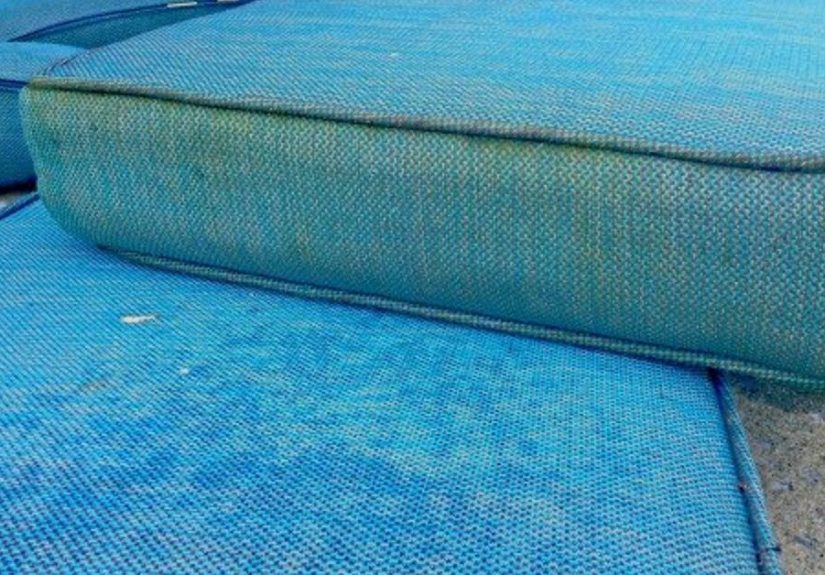
Outdoor cushions live a glamorous life in theory. They lounge in the sun, host lemonade glasses, support lazy Sunday naps, and make your patio look like it belongs in a summer magazine spread. In reality, they also collect pollen, sunscreen, bird droppings, mystery crumbs, barbecue sauce, mildew, and whatever the wind dragged in from three yards away. Charming? Not exactly. Fixable? Absolutely.
The easy way to clean outdoor cushions is not to attack them with the strongest cleaner in the garage and hope for the best. The smarter method is gentler, cheaper, and much less dramatic: remove loose dirt, wash with mild soap, spot-treat stains, rinse thoroughly, and let everything dry completely before putting the cushions back. That last part matters. A damp cushion is basically a tiny vacation resort for mildew, and mildew does not pay rent.
This guide breaks down how to clean outdoor cushions step by step, including removable covers, non-removable cushions, mildew spots, food stains, oil marks, and everyday patio grime. You will also learn what not to do, because sometimes the fastest way to ruin a cushion is to clean it with too much enthusiasm.
Why Outdoor Cushions Get Dirty So Fast
Outdoor cushions are made to handle more than regular indoor pillows, but “outdoor-friendly” does not mean “self-cleaning.” Most patio cushions are exposed to changing weather, dust, moisture, UV rays, insects, pollen, tree sap, grass clippings, and the occasional snack disaster. Even covered patios are not fully protected. If air can move through the space, dust and pollen can move in too.
Another major issue is moisture. Rain, humidity, morning dew, pool splashes, and wet swimsuits can settle into fabric seams and cushion filling. When moisture lingers, it can encourage musty odors and mildew. This is why a cushion can look clean from across the patio but smell like an old beach towel when you sit down. Rude, but informative.
Before You Start: Check the Care Label
Before mixing anything, check the cushion tag or the manufacturer’s care instructions. This is the boring step everyone wants to skip, but it can save your cushions from fading, shrinking, weakening, or turning blotchy. Some outdoor cushion covers are machine washable. Others should only be hand washed. Some performance fabrics can tolerate diluted bleach for mildew, while many colored or printed fabrics cannot.
If the label is missing, choose the safest route: mild soap, lukewarm water, a soft brush, and a careful rinse. Test any cleaning solution on a hidden area first, especially if the cushions are dark, bright, patterned, vintage, or expensive enough to make you whisper while handling them.
What You Need To Clean Outdoor Cushions
You do not need a laboratory, a hazmat suit, or a cleaning product with a name that sounds like a superhero villain. For most outdoor cushion cleaning jobs, simple supplies work beautifully.
- Vacuum with upholstery attachment or a soft brush
- Bucket
- Lukewarm water
- Mild dish soap or mild laundry detergent
- White vinegar for odors and mildew-prone spots
- Baking soda or cornstarch for oily stains
- Soft-bristle brush or sponge
- Microfiber cloths or clean towels
- Garden hose
- Plastic tarp or clean outdoor surface
- Gloves, especially for mildew cleaning
For a basic cleaning solution, mix about 1/4 cup mild dish soap or mild detergent with 1 gallon of lukewarm water. For extra deodorizing power, you can add white vinegar, but avoid overdoing it on delicate fabrics. More cleaner does not mean cleaner cushions. It usually means more rinsing, more residue, and more muttering under your breath.
The Easy Step-by-Step Method
Step 1: Pick a Sunny, Breezy Day
Timing matters. Clean outdoor cushions on a warm, dry day when they can air-dry quickly. Avoid washing them right before rain, at sunset, or when humidity feels like soup. If the cushions stay wet too long, they may develop odors or mildew.
Step 2: Remove Loose Dirt First
Lay the cushions on a clean tarp, patio table, or driveway area. Shake them out, then brush or vacuum both sides. Pay attention to seams, piping, zipper areas, tufted spots, and corners where dirt hides like it is avoiding taxes.
This dry-cleaning step is important because wet dirt turns into mud. If you skip it, you may simply smear grime deeper into the fabric. A quick vacuum or brush-off makes the actual washing much easier.
Step 3: Pretreat Stains
Before washing the full cushion, look for obvious stains. Each type of stain behaves differently, so a targeted approach works better than scrubbing everything with the same level of panic.
- Food and drink stains: Blot fresh spills first, then clean with mild soap and water.
- Oil or sunscreen stains: Sprinkle baking soda or cornstarch over the spot, let it absorb the oil, then brush it away and wash with soapy water.
- Bird droppings: Let dry if needed, gently scrape away residue, then clean with dish soap and water. A little white vinegar can help with remaining discoloration.
- Tree sap: Use an enzyme-based stain remover if the fabric label allows it, then rinse well.
- Mildew spots: Start with equal parts water and white vinegar for a gentle option. For bleach-safe performance fabrics, follow the manufacturer’s instructions exactly.
Step 4: Wash the Whole Cushion
Dip a soft-bristle brush or sponge into your cleaning solution. Scrub gently from seam to seam instead of only attacking one circle in the middle. Cleaning the whole surface helps prevent water rings and uneven patches.
Use firm but friendly pressure. Outdoor fabric is tougher than your living room throw pillow, but it is not a driveway. A hard brush or aggressive scrubbing can damage fibers, roughen the surface, or make older fabric look fuzzy.
Step 5: Rinse Thoroughly
Rinse with a garden hose until the water runs clear and no suds remain. This step is not optional. Leftover soap can attract more dirt, make fabric feel sticky, or leave dull-looking marks. Rinse the front, back, sides, seams, and zipper areas.
Avoid blasting cushions with a high-pressure washer unless the fabric maker says it is safe. Some sturdy cushions can handle low pressure from a distance, but too much force may damage seams, push water deep into the filling, or rough up the fabric.
Step 6: Remove Excess Water
Press the cushions gently to push out water. Do not twist them like a dish towel unless you enjoy misshapen cushions with trust issues. Blot with clean towels to speed up drying.
Step 7: Dry Completely
Stand cushions upright on their sides so air can circulate around them. Rotate them after a while if needed. Let them dry fully before returning them to chairs, benches, storage bins, or cushion covers. If a cushion feels even slightly damp inside, give it more time.
How To Clean Removable Cushion Covers
If your outdoor cushions have removable covers, congratulations. You may have the easier job. Unzip the covers, check the label, close the zippers, and wash according to the care instructions. In many cases, a gentle cycle with cold water and mild detergent is safest.
Skip fabric softener unless the care label specifically allows it. Fabric softener can interfere with water-repellent finishes on some outdoor fabrics. Also avoid high heat in the dryer. Air drying is usually the better choice because heat can shrink covers, weaken fibers, or make them harder to fit back over the cushion insert. Nobody wants to spend 20 minutes wrestling a cushion cover like it is a sleeping bag with opinions.
How To Clean Non-Removable Outdoor Cushions
Non-removable cushions need a little more patience. Since you cannot toss the cover in the washer, keep water controlled and focus on rinsing and drying well. Vacuum first, pretreat stains, then wash the entire fabric surface with mild soap and water. Rinse with a hose and press out extra moisture.
The key is not to soak the cushion filling more than necessary. Outdoor foam is often designed to drain better than indoor filling, but it can still hold water. After rinsing, stand cushions upright and let gravity help. If possible, place them in a sunny, breezy spot, but do not leave bright fabrics baking in harsh sun for days.
How To Remove Mildew From Outdoor Cushions
Mildew usually appears as dark spots, gray patches, or a musty smell. It is more likely when cushions stay damp, sit under covers without airflow, or are stored before they are fully dry.
For a gentle mildew-cleaning method, mix equal parts white vinegar and water in a spray bottle. Spray the affected area, let it sit for several minutes, then scrub gently with a soft brush. Rinse thoroughly and dry completely.
For more serious mildew on bleach-safe solution-dyed acrylic fabrics, use the cleaning formula recommended by the fabric manufacturer. Do not guess. Do not pour bleach directly onto cushions. Do not mix bleach with vinegar or ammonia. That is not a cleaning hack; it is a bad chemistry lesson.
Can You Use Baking Soda?
Yes, baking soda can be useful for odors and oily stains. For a general refresh, lightly dampen the cushion, sprinkle baking soda over the surface, and scrub gently with a damp cloth or soft brush. Rinse very well afterward. For oil spots, sprinkle baking soda or cornstarch over the stain while it is still fresh, wait about 30 minutes, then brush it off before washing.
Baking soda is helpful, but it is not magic dust. It works best as part of a cleaning process, not as a replacement for rinsing and drying.
What Not To Do When Cleaning Outdoor Cushions
Outdoor cushion cleaning is simple, but a few mistakes can create bigger problems than the original dirt.
- Do not use harsh cleaners without checking the label. They can fade or weaken fabric.
- Do not scrub with a stiff wire brush. It can damage fibers and seams.
- Do not leave soap residue behind. Residue attracts dirt and can discolor fabric.
- Do not store damp cushions. This is one of the fastest ways to invite mildew.
- Do not assume all outdoor fabrics are bleach-safe. Some are; many are not.
- Do not blast cushions at close range with a pressure washer. Low pressure and distance are safer if pressure washing is allowed.
How Often Should You Clean Outdoor Cushions?
For most homes, a quick brush-off once a week during patio season is enough to prevent dirt buildup. Spot-clean spills as soon as possible. Give cushions a deeper cleaning at least twice a year: once before heavy seasonal use and once before storing them away.
If your cushions sit under trees, near a pool, close to a grill, or in a humid climate, clean them more often. Pollen, chlorine, sunscreen, smoke, and moisture can build up quickly. A little routine care prevents the dreaded “I think we need new cushions” conversation.
How To Keep Outdoor Cushions Cleaner Longer
The easiest cushion to clean is the one that never gets deeply dirty. Store cushions indoors or in a dry deck box during heavy rain, storms, or long periods of nonuse. Use breathable covers when possible, and avoid trapping wet cushions under plastic covers for days.
After cleaning, consider applying a fabric protector if the cushion manufacturer recommends it. Many outdoor cushions come with water- and stain-resistant finishes, but those finishes can wear down over time. Reapplying a suitable protector may help water bead on the surface again.
Also, rotate cushions regularly. This helps them wear evenly and prevents one side from taking all the sun, spills, and backyard drama.
Real-Life Experience: What Actually Works Best
After cleaning outdoor cushions the practical way, one thing becomes obvious: the “easy way” is not one miracle product. It is a routine. The best results usually come from doing the boring steps in the right order. The first time I cleaned a set of patio cushions properly, I expected the soap to do all the work. It did not. The real hero was removing dry dirt before adding water. Once the cushions were vacuumed and brushed, the fabric already looked 30 percent better, and the wash water did not turn into a swamp immediately.
The second lesson is that outdoor cushions need patience, especially during drying. It is tempting to put them back on the furniture as soon as the surface feels dry. That is how a clean cushion becomes a musty cushion by tomorrow afternoon. Standing cushions upright makes a huge difference. I like placing them with space between each cushion, almost like oversized books on a shelf. Airflow reaches both sides, water drains downward, and the cushions dry more evenly.
Another useful experience: dish soap handles more than people expect. It works well on general grime, food smudges, and sunscreen marks because it cuts through oily residue without being too harsh. But the trick is moderation. A tiny lake of bubbles is not helpful. Too much soap means too much rinsing, and if you do not rinse completely, the cushion may feel slightly tacky and attract dirt faster. A mild solution and a thorough rinse beat a super-sudsy mess every time.
For mildew-prone cushions, prevention is much easier than rescue. If cushions get rained on, flipping and standing them up afterward helps them dry before odors start. I have also learned not to store cushions in a closed deck box unless they are completely dry. Even a little trapped moisture can make the whole box smell like a forgotten gym bag. If there is any doubt, let them dry longer.
White vinegar is useful for light mildew odors, but it is not a universal cure. For serious black spotting, the fabric type matters. Some performance fabrics can handle diluted bleach according to manufacturer directions, while other materials may fade or weaken. The safest habit is to test first and never mix cleaners. The patio is not the place for experimental chemistry.
Finally, small maintenance beats marathon cleaning. A weekly shake, a quick brush, and fast attention to spills can keep cushions looking good for years. Outdoor cushions do not need pampering; they just need not to be ignored until they look like they survived a camping trip with raccoons. Clean them gently, dry them completely, store them smartly, and they will keep your patio looking fresh without demanding a dramatic seasonal makeover.
Conclusion
The easy way to clean outdoor cushions is simple: start dry, wash gently, rinse completely, and dry thoroughly. Mild dish soap and water are enough for most routine cleaning, while vinegar, baking soda, or fabric-safe specialty treatments can help with specific stains and odors. The most important rule is to match the method to the fabric. A cushion label may not be exciting reading, but it is cheaper than replacing a full patio set.
With regular care, outdoor cushions can stay bright, comfortable, and guest-ready through cookouts, pool days, porch coffee, and the occasional bird-related incident. Clean them before they look hopeless, store them dry, and your patio will keep its “relax here” energy instead of drifting into “abandoned summer camp” territory.