Table of Contents >> Show >> Hide
- Why the ‘Seinfeld’ Soup Debate Still Works
- The Legal Case: Bania v. Seinfeld
- The Soup Spectrum: Consommé to Jambalaya
- How “The Soup Nazi” Complicates the Whole Thing
- Why the Internet Loves This Argument
- The Etiquette Angle: What Should Jerry Have Done?
- What Counts as a Meal Today?
- Why Bania Is the Perfect Villain for This Debate
- The Cultural Aftertaste
- Personal Experiences With the Great Soup Question
- Conclusion: The Soup Counts, But the Argument Wins
There are questions that divide civilization. Is a hot dog a sandwich? Should pineapple be allowed on pizza? Is it acceptable to say “moist” in public? And then there is the great, simmering, ladle-wielding mystery from Seinfeld: is soup a meal?
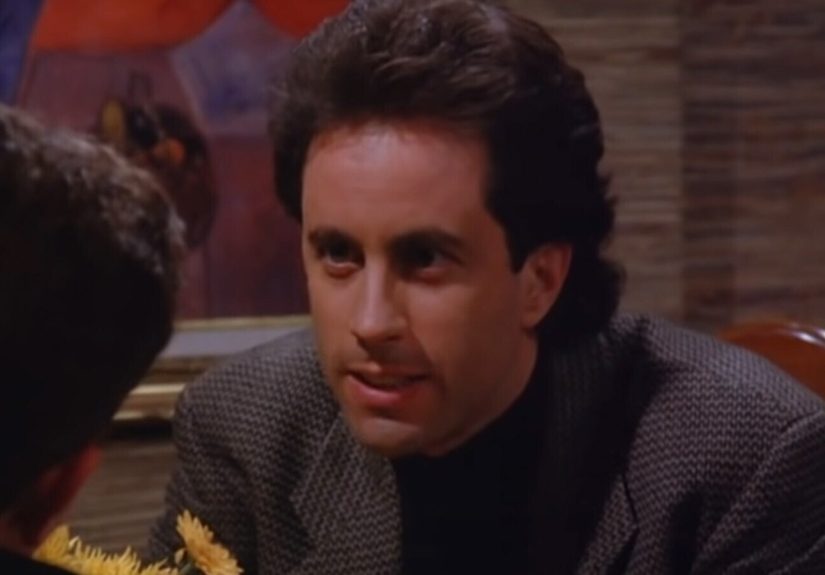
Decades after Jerry Seinfeld sat across from Kenny Bania at Mendy’s and tried to settle a debt with a bowl of soup, the internet is still arguing like the waiter just walked away with the check. Some fans say Jerry paid for dinner, and Bania simply made a poor menu choice. Others insist Bania was right: soup is a starter, a warm-up act, the comedy club opener before the steak entrée walks onstage.
The debate refuses to die because it is exactly the kind of tiny social contract Seinfeld turned into high art. Nobody is saving the world. Nobody is learning a heartfelt lesson. A man gave another man an Armani suit, demanded a meal in return, ordered soup, and then claimed the meal had not happened. That is not just a sitcom plot. That is a Supreme Court case with crackers.
Why the ‘Seinfeld’ Soup Debate Still Works
The famous soup argument comes from “The Soup,” a Season 6 episode that first aired in 1994. In the episode, Kenny Bania gives Jerry an Armani suit that Jerry never really wanted. Social custom kicks in: if someone gives you something expensive, even aggressively, you probably owe them dinner. Jerry agrees, reluctantly, because Jerry’s entire personality is built around avoiding unpleasant obligations while somehow attracting them by the dozen.
Bania, played with magnificent irritation by Steve Hytner, chooses Mendy’s. Then he orders soup. Jerry assumes this counts as the promised meal. Bania disagrees. In his view, soup is not a meal. It is merely soup, a liquid loophole that allows him to bank the real dinner for another time.
The genius of the argument is that both men are wrong in slightly different ways. Jerry is technically correct: he took Bania to a restaurant and offered to pay. Bania is emotionally correct, at least in his own mind: when someone says “meal,” most people imagine something more substantial than a bowl of broth. But Bania is also obviously gaming the system. He is not hungry for dinner. He is hungry for access to Jerry, who would rather swallow the spoon than spend another evening with him.
The Legal Case: Bania v. Seinfeld
If we treated this like a courtroom drama, Bania would stride to the witness stand wearing a loud blazer and declare, “Soup’s not a meal.” Jerry would object, probably with one eyebrow doing all the work. Elaine would ask whether crackers were involved. George would somehow make the whole thing about his own suffering.
Argument for Jerry: The Meal Is the Occasion
Jerry’s side is simple. A meal is not only the food on the plate; it is the event. If someone says, “I’ll take you out to dinner,” and you order the cheapest thing on the menu, that is your decision. You cannot order a small consommé and then demand a second dinner because the first dinner failed to satisfy your private definition of dinner.
This is why many fans side with Jerry. Bania had the opportunity to order anything. He chose soup. The restaurant was real, the table was real, the bill was real, and Jerry’s misery was extremely real. In everyday etiquette, the debt should be paid the moment the host offers the promised restaurant experience.
Argument for Bania: Soup Needs Backup
Bania’s position, annoying as it is, has surprising staying power. A thin soup can feel like an appetizer. A cup of broth is rarely what someone means when they say, “Let’s have dinner.” If the soup is served before the entrée, it is not the meal; it is the polite warning that the meal is approaching.
This is where internet commenters begin building elaborate food law. Is chowder a meal? What about ramen? Pho? Chili? Does bread change the ruling? If crackers are crumbled into the bowl, has the soup crossed a sacred culinary border? Elaine’s instinct in the episode is basically the internet’s instinct: the answer depends on the soup.
The Soup Spectrum: Consommé to Jambalaya
The reason the debate survives is that “soup” is too broad a word. Calling both consommé and beef stew “soup” is like calling both a skateboard and a pickup truck “transportation.” Technically, yes. Emotionally, absolutely not.
A light broth may be a prelude. A hearty lentil soup with vegetables, beans, grains, and protein can absolutely function as dinner. A rich clam chowder served with bread may leave you full enough to cancel dessert and reconsider your life choices. A bowl of ramen with noodles, pork, egg, and vegetables is not “just soup.” It is an edible apartment lease.
This is why Bania’s claim is too absolute. “Soup is not a meal” collapses under the weight of actual soup culture. Still, Jerry’s claim also feels incomplete. “The soup counts” may be true socially, but nutritionally and emotionally, some soups count more than others.
How “The Soup Nazi” Complicates the Whole Thing
The soup argument becomes even funnier when placed next to another legendary Seinfeld soup episode: “The Soup Nazi,” which aired in Season 7. That episode is not about whether soup is a meal. It is about whether soup can be so good that civilized adults willingly submit to a terrifying ordering system just to get it.
In “The Soup Nazi,” Jerry, George, Elaine, and Kramer encounter a strict soup vendor whose rules are treated like commandments carved into a stainless-steel counter. Stand correctly. Order quickly. Move along. Failure means exile and the immortal punishment: “No soup for you!”
The character was inspired by New York soup vendor Al Yeganeh, whose real-life Soup Kitchen International became famous for both exceptional soup and strict customer expectations. That real-world connection gives the episode extra bite. The joke works because everyone understands the bargain: if the food is good enough, customers will tolerate absurd rules. People will surrender dignity for lunch. Especially in Manhattan.
Placed beside the Bania debate, “The Soup Nazi” accidentally strengthens both sides. If soup is powerful enough to create a line down the block and make adults fear being banned, surely it can be a meal. On the other hand, the episode also treats soup as an object of obsession, not a normal dinner. It is not “let’s eat.” It is “prepare yourself; the ladle has authority.”
Why the Internet Loves This Argument
The internet was practically built for arguments like this. The question is low-stakes, endlessly debatable, and impossible to settle in a way that satisfies everyone. Nobody needs a PhD. Everyone has eaten soup. Everyone has been trapped in a social obligation. Everyone knows a Bania: that person who turns a simple thank-you into a subscription plan.
Online, fans often split into practical camps. One camp says the person paying does not control what the guest orders. If Bania wanted only soup, that is still his meal. Another camp says dinner implies substance, and soup alone is not enough unless it is hearty. A third camp argues that Bania never cared about the food at all; he wanted more time with Jerry, which is the real punchline.
That last reading may be the strongest. The Armani suit is not really a gift. It is bait. Bania uses generosity as a trap, then uses soup as an escape hatch. He is trying to convert one uncomfortable dinner into multiple uncomfortable dinners, which is basically emotional couponing.
The Etiquette Angle: What Should Jerry Have Done?
In real life, Jerry probably should have clarified the terms before dinner, but that would ruin the episode and possibly sitcoms in general. “I will buy you one restaurant visit in exchange for the suit, regardless of entrée selection” is precise, but not funny. It sounds like something George would write on a napkin before getting banned from the restaurant.
The better etiquette rule is this: if someone takes you out as a thank-you, order what you want, but do not weaponize your order afterward. If you choose soup, salad, one appetizer, or seventeen baskets of bread, the host fulfilled the gesture by inviting you and paying. You do not get a second dinner because your first choice lacked ambition.
At the same time, hosts should understand that words carry expectations. If you promise “dinner,” do not act shocked if the other person imagines a full meal. Jerry’s problem is that he accepts vague social debt from someone he dislikes. In Seinfeld, that is like leaving your apartment door unlocked and wondering why Kramer entered sideways.
What Counts as a Meal Today?
Modern food culture makes Bania’s position even shakier. Soup has grown far beyond watery starters. In American restaurants and home kitchens, soup can include legumes, noodles, rice, seafood, chicken, beef, vegetables, dumplings, grains, and enough toppings to require city permits. A loaded bowl of pozole, gumbo, ramen, pho, or minestrone can easily function as lunch or dinner.
Health and cooking experts often frame soup as a flexible way to combine vegetables, protein, beans, grains, and broth in one bowl. That does not mean every soup is a complete meal, but it does mean soup can be one. The determining factor is not the category. It is composition. Thin broth? Probably not dinner. Lentil stew with vegetables and bread? Congratulations, you have eaten.
So the most reasonable ruling is this: soup can be a meal, but not all soup is a meal. However, in the specific case of Bania at Mendy’s, the soup counts because he chose it during the agreed restaurant outing. The meal was offered. The spoon was lifted. The debt should be closed.
Why Bania Is the Perfect Villain for This Debate
Kenny Bania is not evil. He is worse: he is socially exhausting. He is the guy who makes small talk feel like jury duty. He wants Jerry’s approval, attention, and proximity, but he lacks the self-awareness to see that every additional sentence pushes Jerry further into spiritual bankruptcy.
That is why the soup debate lands so well. If Newman argued soup was not a meal, it would be a scheme. If George argued it, it would be insecurity. If Kramer argued it, it would somehow involve a soup-based business model by the second act. But Bania arguing it feels like the perfect expression of his character: chipper, needy, transactional, and just plausible enough to be maddening.
Great sitcom conflicts often live in the narrow space between “technically defensible” and “morally irritating.” Bania’s soup position lives there rent-free. He has a point. He is also unbearable. That combination is comedy gold, Jerry. Gold.
The Cultural Aftertaste
The continuing popularity of the Seinfeld soup debate shows how precisely the series understood everyday friction. It did not need grand plots. It needed a dinner bill, a social debt, and one annoying person refusing to let normal life proceed.
Fans still discuss the soup question because it feels like something that could happen tomorrow. A friend gives you a favor with strings attached. A dinner invitation becomes a negotiation. A small menu choice turns into a philosophical war. Suddenly everyone at the table is defining “meal” like they are drafting legislation.
That is the beauty of Seinfeld. It found the absurdity hiding inside normal behavior and then refused to solve it neatly. The internet keeps trying to decide whether soup is a meal, but the uncertainty is the point. The argument is better than the answer.
Personal Experiences With the Great Soup Question
Most people have lived some version of the Seinfeld soup debate, even if no Armani suit was involved. It usually happens on a cold night when someone says, “Let’s just have soup,” and someone else hears the word “just” like a personal attack. Suddenly the kitchen becomes a debate stage. One person points to the vegetables. Another points to the absence of chewing. A third person quietly opens a bag of chips because democracy is failing.
I have seen soup behave like an appetizer, a comfort object, a medical strategy, and a full dinner with the confidence of a Thanksgiving turkey. A small bowl of tomato soup before a grilled cheese is clearly part of a larger operation. But a thick chicken noodle soup loaded with carrots, celery, noodles, and shredded chicken can absolutely carry the evening. Add bread and it starts wearing a tiny crown.
The real experience depends on context. If you are sick, soup is not only a meal; it is a family member. It arrives with a spoon, a napkin, and the emotional power of someone saying, “You look terrible, but I care.” If you are at a fancy restaurant and receive three tablespoons of foamed asparagus bisque in a bowl the size of a birdbath, that is not a meal. That is a weather event.
Restaurant soup also creates confusion because menus treat it differently. Sometimes soup lives under appetizers, which supports Team Bania. Sometimes it appears under entrées, which gives Team Jerry a legal document. Diners make it even murkier because a bowl of soup may come with crackers, bread, salad, half a sandwich, or the mysterious confidence of a waitress who says, “It’s filling,” while refusing to elaborate.
At home, soup is more democratic. Nobody needs to impress a server or defend a bill. A pot of soup on the stove can feed a family, stretch leftovers, and make the house smell like someone has their life together. Even if that person is wearing sweatpants and eating directly over the sink, the soup is doing its best.
The most Seinfeldian experience is ordering soup when someone else is paying. That is where the ethics get deliciously awkward. If a friend offers to buy dinner and you order soup because you are not very hungry, the friend should not be punished with a second dinner later. The offer was made. The opportunity existed. You chose the bowl. Case closed. On the other hand, if the friend specifically owes you a celebration dinner and you end up with a tiny cup of broth because the kitchen is closing, you may have grounds for appeal.
Ultimately, the experience teaches a practical rule: define the mood, not the menu. If you want a real dinner, say so. If you only want something light, say that too. And if you are dealing with someone like Kenny Bania, put everything in writing, preferably before accepting any clothing.
Conclusion: The Soup Counts, But the Argument Wins
So, is soup a meal? The fairest answer is yes, when it has enough substance or when it is chosen as the main food during a meal occasion. No, when it is merely a small starter or a decorative puddle in a designer bowl. But in the legendary Seinfeld dispute, Jerry wins the technical case. Bania ordered soup during the dinner Jerry owed him. The debt was paid.
Still, the internet will never fully agree, and that is exactly why the debate remains funny. The question is not really about soup. It is about expectations, obligation, generosity, manipulation, and the tiny contracts people create without saying them out loud. Seinfeld understood that life’s most ridiculous arguments are often the most revealing.
Note: This article is an original, publication-ready synthesis based on verified Seinfeld episode information, cultural commentary, fan debate, and general food context. It contains no source links or citation markup inside the article body for cleaner web publishing.