Table of Contents >> Show >> Hide
- What Exactly Is This Vintage Tile Pattern?
- Why Designers Keep Coming Back to It
- Where This Vintage Tile Pattern Works Best
- How to Make the Pattern Feel Fresh Instead of Frozen in Time
- Things to Consider Before You Commit
- Why This Look Has Real Longevity
- What It’s Actually Like to Live With a Floor Like This
- Conclusion
If you’ve been noticing more floors lately, congratulations: you have accidentally joined the design community. The good news is that today’s obsession is worth looking down for. The vintage tile pattern suddenly turning up in kitchens, bathrooms, foyers, mudrooms, and magazine-worthy remodels is the cabochon floor, sometimes recognized as part of the octagon-and-dot family. It has the kind of old-house charm that makes people say, “Wait, why does this room feel so polished?” before they realize the answer is under their feet.
That is the magic of this classic geometric layout. It feels historic without reading dusty, decorative without becoming busy, and sophisticated without demanding a monocle. In an era when homeowners want personality but are also terrified of making a choice they will regret in two years, this vintage tile pattern hits a sweet spot. It has history, structure, and enough flexibility to work in homes that lean traditional, cottage, European, modern farmhouse, or even quietly contemporary.
So why is this look popping up everywhere now? Because designers and homeowners are rediscovering a simple truth: timeless patterns age better than gimmicks. And cabochon-style tile, with its crisp geometry and subtle rhythm, is the kind of classic that can make even a brand-new remodel feel like it has good bones.
What Exactly Is This Vintage Tile Pattern?
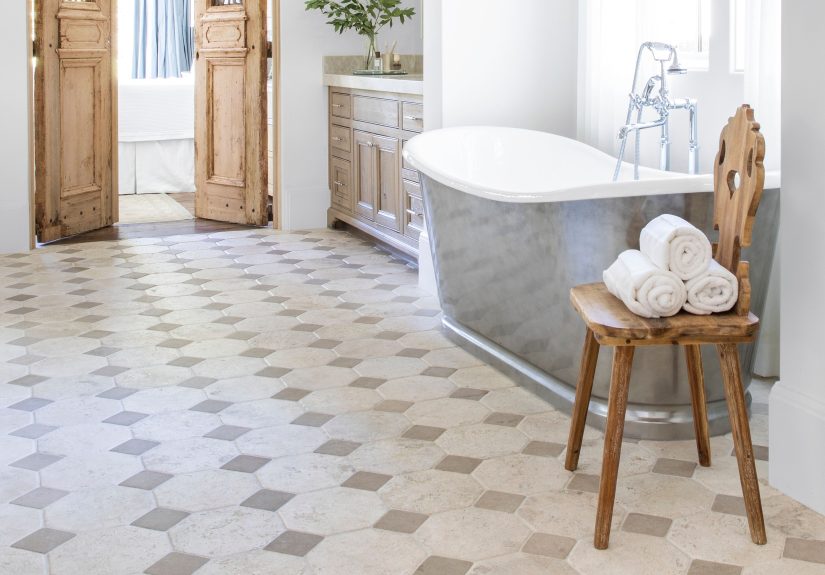
Cabochon flooring is a classic tile layout built from larger field tiles with the corners cut away, creating an octagonal effect, then finished with smaller square insets at the intersections. Those little inserts are the “cabochons.” If that sounds fancy, it is only because the French got involved, and the French do enjoy making floors sound glamorous.
In practice, the pattern is easy to recognize. You get a repeating grid with more movement than a plain square tile layout but less visual noise than a highly patterned encaustic floor. It lives in that rare design middle ground: distinctive, but not exhausting. That balance is one reason this vintage tile pattern keeps resurfacing in trend reports, renovation inspiration, and product collections.
Many homeowners also know the look through related layouts such as octagon-and-dot tile, Victorian-inspired mosaic floors, or retro geometric bathroom flooring. The names vary, but the appeal stays the same. This is a floor pattern with symmetry, order, and a dash of old-world swagger.
A Pattern With Real Staying Power
Unlike some trends that feel suspiciously born on social media sometime between coffee number two and a sponsored post, cabochon floors have real design history. They are associated with classic European interiors, old entry halls, Georgian influences, and vintage bathrooms that somehow still look better than half the “luxury” remodels online. That heritage matters because it gives the pattern credibility. It is not trying to cosplay as timeless. It already is.
That historical backbone also explains why the pattern adapts so well today. Designers can recreate the original look in marble, limestone, or travertine for a formal feel, or use porcelain and ceramic for a more practical, budget-aware version. The bones of the pattern remain the same even when the materials, colors, and room styles change.
Why Designers Keep Coming Back to It
The return of this vintage tile pattern is not just about nostalgia. It is about function, flexibility, and visual clarity. Homeowners are increasingly drawn to details that feel warm, layered, and authentic, but they still want spaces that work for everyday life. Cabochon and octagon-and-dot floors check both boxes.
It Looks Detailed Without Feeling Busy
One reason people love this pattern is that it adds depth without creating chaos. The layout has movement, but it is geometric and disciplined. That means it can bring character to a room without overpowering cabinetry, wall color, or fixtures. In other words, it knows how to be interesting without being the loudest person at the party.
This is especially useful in smaller rooms. Powder rooms, compact bathrooms, narrow foyers, and galley kitchens often need design energy, but they cannot handle too much visual clutter. A cabochon floor delivers texture and rhythm while still reading as classic and composed.
It Bridges Old and New Beautifully
Another reason this tile pattern is popping up everywhere is that it makes historical design feel livable. Pair it with traditional millwork and antique brass, and it looks rooted and elegant. Put it with streamlined cabinetry, warm wood, and simple lighting, and it suddenly reads fresh again. That versatility is design gold.
Today’s best interiors often mix eras instead of committing to one. A floor like this helps create that layered look. It can support a vintage vanity, a farmhouse sink, a contemporary faucet, or a minimalist plaster wall without looking confused. Few floor patterns are that adaptable.
It Works in More Colors Than You Think
Most people picture black and white first, and for good reason. That classic contrast is handsome, recognizable, and forever stylish. But the modern revival of this vintage tile pattern has expanded well beyond high-contrast monochrome. Soft gray and white, cream and taupe, limestone and charcoal, green and ivory, terracotta and sand, or even blush-and-burgundy combinations can all work.
The newer approach tends to be more restrained than novelty-driven. Instead of using color just to shout, designers are using color to soften, personalize, and modernize the pattern. The result is a floor that feels warm and current rather than theatrical.
Where This Vintage Tile Pattern Works Best
Not every room needs a geometric floor, but several spaces are especially well suited to it.
Entryways and Foyers
If a home has a handshake, it is the entryway. A cabochon or octagon-and-dot floor instantly tells visitors that the house has taste, and maybe even knows how to host. These hard-working spaces benefit from durable materials, and the pattern adds formality without stiffness. It feels welcoming, polished, and intentional from the minute someone steps inside.
Kitchens
Kitchens love a timeless floor because cabinets, counters, and hardware tend to cost enough already. A classic tile pattern gives the room visual structure and helps the design age gracefully. In a kitchen, this look can lean vintage European, cottage-inspired, or tailored and upscale depending on the material choice. A soft stone version feels collected and elegant; a porcelain interpretation can be practical and family-friendly.
Bathrooms and Powder Rooms
Bathrooms are where vintage tile patterns really strut. Small-format and geometric floors have long been popular in baths because they are visually interesting and can also be smart underfoot. More grout lines generally provide better traction than a huge slick tile slab, which is good news for anyone who prefers not to treat the bathroom like a figure-skating venue.
In powder rooms, this pattern creates instant charm. In primary baths, it helps avoid the sterile, showroom-like feeling that can happen when every surface is too large, too flat, and too gray.
Mudrooms and Transitional Spaces
Mudrooms, laundry zones, butler’s pantries, and back halls are all excellent spots for this look. These rooms often benefit from a little extra style because they do a lot of heavy lifting. A vintage-inspired tile floor can make a practical pass-through space feel finished instead of forgotten.
How to Make the Pattern Feel Fresh Instead of Frozen in Time
Choose the Right Material
Natural stone such as marble, limestone, and travertine gives the pattern a rich, timeworn feel. It is beautiful, but it also asks for maintenance and usually more money. Porcelain and ceramic offer a more approachable route, especially for busy households that want the look without the constant babying. The smartest choice depends on your lifestyle, not just your Pinterest board.
Use a Disciplined Palette
The most successful versions of this vintage tile pattern usually rely on a controlled color story. That does not mean boring. It means thoughtful. Cream with warm brown, off-white with slate blue, or pale stone with black can all feel layered and interesting. The key is avoiding a palette that turns a timeless floor into a novelty act.
Mind the Scale
Scale matters more than people think. Large-format interpretations can make the pattern feel architectural and calm, while smaller mosaics push it toward a more vintage bathroom look. If the room is tiny, a small pattern can be charming. If the room is large, too many little pieces can start to feel visually fussy. The floor should support the room, not audition for a solo.
Add Borders or Keep It Simple
A border can make the floor feel custom and period-aware, especially in foyers and bathrooms. But a plain field layout is often enough. If the rest of the room already has a lot going on, simple is better. Let the geometry do its job without piling on extra decoration just because the tile catalog got ambitious.
Things to Consider Before You Commit
Yes, this pattern is easy to love. No, that does not mean you should choose it in a state of tile-induced euphoria and hope for the best.
Layout Planning Matters
Geometric floors reward careful planning. Center lines, transitions, doorway cuts, and room symmetry can make or break the finished result. A pattern this classic deserves a layout that feels deliberate. Random slivers at the walls are the design equivalent of wearing a tuxedo with one sneaker.
Maintenance Depends on Material and Grout
Stone needs sealing and periodic care. Light grout can show dirt. Dark grout may soften the pattern but can also change the look more than expected. Matte finishes tend to feel more relaxed and forgiving, while glossy finishes look sharper but may be less forgiving in certain wet areas. In short: the pattern may be timeless, but your maintenance tolerance is very much a present-day issue.
The Pattern Should Match the House
Although this floor is versatile, it still works best when it has some conversation with the rest of the home. In a traditional, vintage-inspired, cottage, or European-style interior, it feels entirely natural. In a stark ultra-minimalist home, it can still work, but only if the surrounding design elements help bridge the gap. Context matters. A beautiful floor can look oddly costume-y if nothing else in the room supports it.
Why This Look Has Real Longevity
Design trends come and go, but the ones that endure usually do three things well: they solve a functional need, they connect to design history, and they leave enough room for interpretation. This vintage tile pattern succeeds on all three counts.
It is durable and practical. It references classic architecture and historic interiors. And it can be interpreted in stone, ceramic, porcelain, monochrome, warm neutrals, jewel tones, oversized formats, delicate mosaics, and even painted versions on wood. That range gives it staying power.
More importantly, it delivers what many homeowners are really after right now: character without chaos. People want homes that feel personal and storied, but not cluttered or costume-like. Cabochon and octagon-and-dot floors offer exactly that. They whisper heritage instead of yelling “trend.”
And that may be the best reason this vintage tile pattern is popping up everywhere. It does not just look good in photos. It makes rooms feel grounded, thoughtful, and lived-in in the best possible way.
What It’s Actually Like to Live With a Floor Like This
There is a difference between admiring a floor in a beautifully styled photo and living with that floor every single day. The reason this vintage tile pattern keeps winning people over is that the experience is not just visual. It changes how a room feels when you move through it. A plain floor disappears. A good cabochon or octagon-and-dot floor quietly sets the tone.
In an entryway, for example, the pattern creates a sense of arrival. Even when the rest of the house is simple, that first step inside feels deliberate. Shoes come off, bags hit the bench, the dog shakes off whatever mystery he found outside, and somehow the room still feels a little elegant. That is part of the charm. This is a hardworking floor that also knows how to dress well.
In kitchens, people often describe the experience as warmth with structure. The pattern adds energy, but not the kind that makes a room feel chaotic. Instead, it creates gentle rhythm. You notice it while making coffee in the morning, while unloading groceries, while standing at the stove wondering why recipes always say “just a few dishes.” It makes routine tasks feel slightly more cinematic, which is honestly more than most flooring can claim.
Bathrooms may be where the experience becomes most obvious. A vintage geometric floor can make a new bathroom feel settled, as if the room belongs to the house instead of looking like it was dropped in from a showroom. It also softens the hard lines of vanities, mirrors, and tile walls. That balance matters. Without it, many remodeled bathrooms end up looking technically nice but emotionally flat.
Another common experience is that people do not seem to tire of the pattern quickly. That is not true of every statement floor. Some trendy surfaces wow on day one and exhaust by month six. This one tends to age more gracefully because the geometry is orderly and familiar. Your eye keeps enjoying it, but it does not keep demanding attention like an overcommitted influencer ring light in human form.
Homeowners also tend to appreciate how forgiving the pattern can be visually. Daily dust, a few crumbs, or the occasional drip do not always announce themselves the way they do on large, uninterrupted surfaces. That does not make it magically self-cleaning, sadly, but it does mean the room can remain presentable between full cleanings. In real life, that counts as romance.
Perhaps the most satisfying part of living with this look is how often it sparks compliments. Guests notice it. Kids remember it. People mention it long after they leave. Yet it rarely feels like a stunt. Instead, it reads as one of those thoughtful details that makes a home feel finished. Not perfect. Not precious. Just deeply considered.
And that is probably why this pattern keeps resurfacing generation after generation. It is not only attractive. It is livable. It supports the mess, movement, and repetition of ordinary life while still giving a room that little extra lift. For a floor, that is a pretty impressive résumé.