Table of Contents >> Show >> Hide
- 1. Their Final Moments Are Preserved in Haunting Detail
- 2. Their Daily Routine Looked Surprisingly Familiar
- 3. Fashion Was a Big Dealand a Status Symbol
- 4. They Lived in Beautifully Decorated Homes
- 5. Their Social World Was Deeply Stratified
- 6. Women Had More Visibility Than You Might Expect
- 7. They Loved Food, Wine, and a Good Party
- 8. Their Teeth Tell a Story of Diet and Health
- 9. Their Graffiti Reveals Their Humor, Politics, and Love Lives
- 10. They Were Connected to a Wider, Globalizing Roman World
- Modern-Day Experiences: Meeting the People of Pompeii
If time travel ever becomes a thing, Pompeii is going to have the longest line. Nowhere else on Earth lets us peek this clearly into an ordinary day in the Roman Empireand then freeze it mid-scroll like a screenshot. When Mount Vesuvius erupted in AD 79, it buried the bustling town of Pompeii under meters of ash and pumice, sealing homes, shops, pets, graffiti, and even snacks in mid-bite. Archaeologists have spent centuries unearthing not just a tragedy, but a strangely vivid portrait of the people who lived there.
Far from being a generic “ancient ruin,” Pompeii was a lively port town full of merchants, slaves, elite families, artisans, and kids racing through crowded streets. We know what they wore, what they ate, what jokes they made, and how they decorated their living rooms. Excavations, skeletal analysis, graffiti, and restored houses all help reveal what the people of Pompeii were really like.
Here are ten of the most fascinating, sometimes heartbreaking, sometimes surprisingly relatable things we’ve learned about the people of Pompeiiplus some modern travel-style reflections on how it feels to encounter their world today.
1. Their Final Moments Are Preserved in Haunting Detail
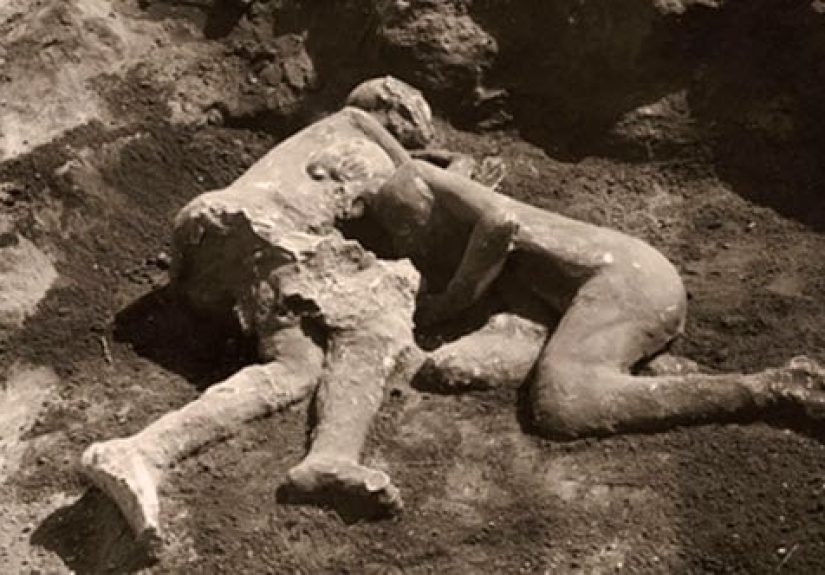
When Vesuvius erupted, many residents of Pompeii died from pyroclastic surgessuper-heated clouds of gas and ashrather than lava. Their bodies were buried where they fell. Over time, the bodies decayed, leaving hollow spaces in the hardened ash. In the 19th century, archaeologists realized they could pour plaster into these cavities to create casts of people and animals in their final poses: a family huddling together, a dog still chained, a man covering his face.
These casts are not just morbid curiosities; they’re emotional time capsules. You can see the folds of clothing, the curve of a sandal strap, the tension in hands and faces. They remind us that the “people of Pompeii” weren’t vague figures from a dusty textbookthey were parents, workers, teenagers, and children who thought they had tomorrow.
Some casts seem to show people who tried to flee with valuables or tools, while others were caught indoors. The famous “worst luck in Pompeii” skeleton, discovered with a massive stone block around his upper body, appears to have survived the earliest stage of the eruption only to be struck down while escapingan almost darkly comic example of how utterly random disaster can be.
2. Their Daily Routine Looked Surprisingly Familiar
Before the disaster, the people of Pompeii followed a fairly predictable schedule. Ancient sources and reconstructions based on urban layout suggest that in the early morning, workers, merchants, and slaves opened shops, fired up ovens, and headed to the fields. By mid-morning, the streets were crowded, markets were humming, and the forum buzzed with chatter about politics, prices, and gossip.
Lunch might be eaten at home or grabbed from one of the many thermopoliaancient fast-food counters where hot dishes were served from built-in stone jars. Public baths became social hubs in the afternoon, where people bathed, exercised, made business deals, and swapped news. Evenings brought theatre performances, religious festivals, or, for the wealthier citizens, dinner parties with multiple courses, musicians, and elaborate décor.
Strip away the togas and Latin, and it starts sounding a lot like a modern city: commuters, street food, public gyms, nightlife, and the eternal human tradition of talking about work and neighbors.
3. Fashion Was a Big Dealand a Status Symbol
Pompeii was plugged into the wider Roman style network. Clothing was heavily influenced by Greek and Etruscan traditions, with staple garments like tunics and togas, but details such as fabric quality, color, and accessories shouted your social rank. Wealthy citizens wore fine wool or imported linen, used bright dyes, and piled on jewelry.
Women typically wore a long dress called a stola over an under-tunic. Hairstyling and cosmetics were crucialespecially since basic garment shapes didn’t change much. Hairpins, perfume bottles, mirrors, and makeup palettes have all been found in houses, suggesting that many women had a regular beauty routine. Some frescoes depict intricate updos that would make a modern stylist sweat.
Even footwear varied by status. Sandals with decorative straps or metal fittings could signal wealth, while workers and slaves wore simpler, more durable shoesor sometimes went barefoot.
4. They Lived in Beautifully Decorated Homes
One of the most striking things about Pompeian houses is how colorful they were. Frescoes covered entire walls from floor to ceiling, with scenes from mythology, landscapes, still lifes, and architectural illusions that made rooms feel larger and grander than they really were. The famous Villa of the Mysteries, the House of the Vettii, and other elite homes feature dazzling red, yellow, and black panels filled with figures and ornate borders.
Even modest houses often had decorative elements: small courtyard gardens, mosaic floors, or painted panels. Interior design wasn’t just about aesthetics; it was also about signaling taste, education, and wealth. Mythological scenes could advertise a family’s cultural sophistication, while scenes of trade or agriculture reflected the owner’s profession.
Interestingly, archaeologists have found that Pompeians used a bright red pigment called cinnabar in ways that differed from other Roman sites, mixing it with water to achieve a vivid, luxurious shadeeven though the mineral is based on mercury and potentially toxic. Beauty over safety: a classic human move.
5. Their Social World Was Deeply Stratified
Pompeii’s people lived in a complex social hierarchy. At the top were wealthy eliteslandowners, magistrates, and influential merchants who controlled political life and owned large homes with private baths and gardens. Below them were ordinary free citizens, including artisans, shopkeepers, and small-scale traders. Freedmen (former slaves who had been manumitted) formed a growing middle group, some of whom became surprisingly wealthy through business.
At the bottom were enslaved people, who did much of the hard labor: grinding grain, serving in households, working in workshops, or entertaining as gladiators and performers. Excavations of bakeries, cramped living quarters, and even “bakery-prisons” with chains and narrow workspaces highlight how grim life could be for many slaves.
Yet the social fabric was not entirely rigid. Freed slaves could own property and sometimes became important patrons or business owners. Graffiti and inscriptions show freedmen sponsoring public games or donating buildings, suggesting that social mobility, while limited, was possible.
6. Women Had More Visibility Than You Might Expect
Roman society was patriarchal, but the evidence from Pompeii suggests that women could exercise real influence in family and economic life. Inscriptions and graffiti refer to women who owned shops, managed taverns, or ran textile businesses. Some were honored in public inscriptions for their generosity or involvement in local religious cults.
Elite women appear in frescoes hosting banquets or participating in religious rituals, while simple wall scribbles mention loves, rivalries, and everyday drama. Women could inherit wealth, and families sometimes listed daughters prominently in tomb inscriptions, indicating emotional and economic importance.
That said, there were also enslaved women and prostitutes who lived very different lives, often in cramped quarters near workshops or brothels. Pompeii shows us not just one “Pompeian woman,” but a wide spectrum of female experiencefrom powerful matrons to exploited laborers.
7. They Loved Food, Wine, and a Good Party
Pompeian ovens, carbonized loaves of bread, amphorae, and kitchen tools reveal a serious culinary culture. Archaeologists have found bread stamped with bakery seals, jars of preserved foods, traces of fish sauce (garum), and evidence of olives, fruit, nuts, and wine.
Elaborate dining rooms in wealthy homes were designed for feasting while reclined on couches, surrounded by wall paintings and delicate tableware. Frescoes often depict food, including baskets of fruit and seafood platters, almost like ancient Instagram posts of someone’s fancy dinner.
Public life also involved plenty of entertainment. Pompeii had an amphitheater for gladiatorial games and a large theatre for plays and musical performances. Graffiti advertises upcoming shows and boasts of favorite gladiators, proving that sports fandom is apparently a hardwired human feature.
8. Their Teeth Tell a Story of Diet and Health
One unexpected goldmine of information about Pompeii’s people comes from their teeth. Dental studies have found that many residents had surprisingly strong teeth, likely thanks to diets low in processed sugar and high in coarse grains and vegetables. One modern dental practice even highlighted Pompeii’s “perfect teeth” as a reminder of how diet shapes oral health.
But the picture isn’t all glowing. Other analyses have revealed tooth wear, gum disease, and abscessespartly due to stone fragments ending up in their bread when grain was ground with stone mills. Skeletal remains also show signs of nutritional stress, arthritis, and injuries, hinting at hard physical labor and uneven access to good food and medical care.
Still, their relative lack of cavities compared with modern populations is a sobering reminder that our sugar-heavy snacks might be more dangerous than volcanic ashat least as far as molars are concerned.
9. Their Graffiti Reveals Their Humor, Politics, and Love Lives
If you’ve ever scribbled something on a bathroom wall, congratulationsyou share a tradition with the people of Pompeii. The city’s walls are covered in graffiti: declarations of love, insults, political endorsements, business advertisements, and random jokes. These informal writings, often in Vulgar Latin rather than the polished language of literature, give us a direct line to ordinary voices.
There are classic “X loves Y” notes, pleas from innkeepers for customers to behave, endorsements for election candidates, and rude comments about neighbors. Some graffiti is romantic, some is poetic, some is hilariously petty. One famously reads something like, “I wonder, wall, that you have not yet collapsed under the weight of your scribblers.” Ancient sarcasm at its finest.
These casual lines show us what preoccupied people: crushes, rivalries, sports, politics, and the urge to be remembered, even if only as a name scratched into plaster.
10. They Were Connected to a Wider, Globalizing Roman World
Pompeii did not exist in a bubble. As a port and trading center in the Bay of Naples, it was plugged into Mediterranean networks. Archaeologists have found imported pottery, exotic foods, and religious imagery influenced by Greek and Egyptian traditions.
Merchants, sailors, and travelers brought news, goods, and ideas from across the empire. Local cults mixed with foreign deities; fashion borrowed from multiple cultures; and business opportunities drew outsiders into the city. Social groups included local citizens, freedmen from all over the empire, enslaved people bought and sold across regions, and traveling merchants who might stay in inns and taverns near the forum.
In other words, the people of Pompeii were living in a world that, in some ways, feels surprisingly modern: globally connected, culturally diverse, and economically stratified.
Modern-Day Experiences: Meeting the People of Pompeii
Reading about Pompeii is one thing; walking its streets (or even exploring detailed photos and virtual tours) feels entirely different. The site is large enough that you can wander for hours, ducking into houses, crossing stepping-stone crosswalks, and tracing the grooves of wagon wheels in the paving stones. Every doorway feels like the start of a story.
Stepping into a restored house such as the House of the Vettii or Villa of the Mysteries, you’re struck by how intimate the spaces feel. The colors of the frescoes are still startlingly bright in places, especially the deep reds and yellows. You can almost picture someone adjusting a lamp, laying out dinner dishes, or calling a child in from the street.
The experience is oddly domestic: mosaics of guard dogs at the front entrance (“Cave Canem”“Beware of the Dog”) feel like ancient versions of “This house is protected by a very small, very loud dog” doormats. In some houses, you can see tiny shrines where families honored household gods, tucked into corners like spiritual night-lights.
In the forum and amphitheater, the scale shifts. You can imagine crowds gathering for announcements, trials, and games. It’s easy to picture vendors shouting over one another, kids weaving through crowds, and the occasional civic argument escalating loudly enough to attract an audience. The empty stone seats of the amphitheater suggest not just spectacle, but also a kind of community identitythis is where the city gathered to cheer, grieve, and occasionally riot.
Encountering the casts of the victims is often the most intense experience. Museums and display areas throughout the site show figures curled up, reaching out, or lying face-down. The silence around them tends to be heavy; even chatty tour groups get quiet. What hits you isn’t just the violence of the eruption, but the abruptness. These people had laundry half-washed, bread in the oven, arguments unresolved, debts unpaid, and birthdays planned. Life stopped mid-sentence.
At the same time, the sheer amount of everyday clutterpots, street signs, shop counters, even graffiti complaining about rent or praising someone’s bakingcreates a weird sense of kinship. You start recognizing patterns: “Oh look, another political advertisement,” or “Here’s yet another clever graffiti writer roasting their friends.” It becomes hard not to think, “We haven’t changed that much.”
For many visitors and history fans, the real magic of Pompeii isn’t the volcano or even the architecture. It’s the moment when you realize you’re not just looking at ruins; you’re eavesdropping on lives. The people of Pompeii argued about politics, worried about money, fell in love, bragged about their outfits, adored their pets, and tried to impress their neighbors with fancy décorjust like we do. Their city died spectacularly, but their personalities, quirks, and daily routines stubbornly refuse to disappear.
That’s what makes learning about the people of Pompeii so compelling: it feels less like studying “the ancient world” and more like catching a glimpse of ourselves in a very old, ash-covered mirror.