Table of Contents >> Show >> Hide
- What Are Vanilkove Rohlicky?
- Key Ingredients and Why They Matter
- Classic Vanilkove Rohlicky (Czech Vanilla Crescents) Recipe
- Baking Tips for Perfect Czech Vanilla Crescents
- Serving Ideas and Variations
- Frequently Asked Questions
- Real-Life Experiences: Baking Vanilkove Rohlicky Like a Local
- Final Thoughts
If your idea of holiday magic involves a plate of delicate, melt-in-your-mouth cookies
and a suspicious dusting of powdered sugar on your sweater, you’re in the right place.
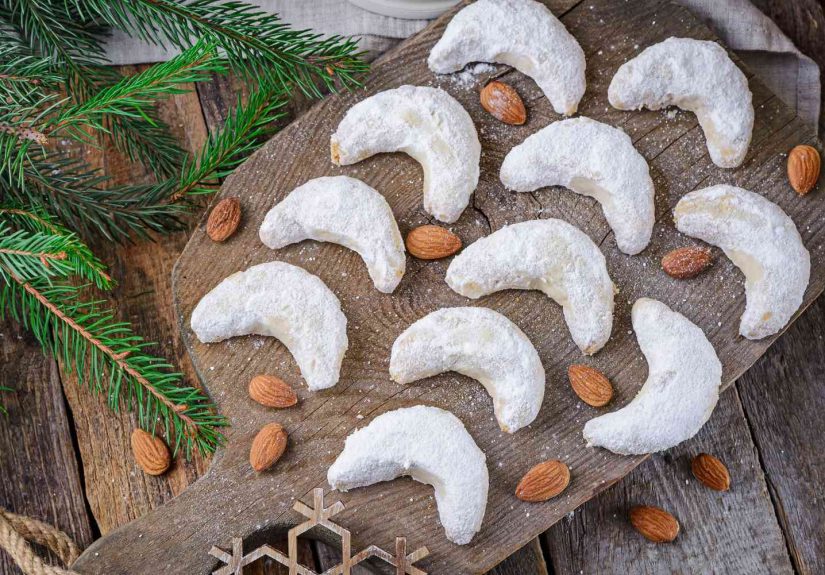
Vanilkove Rohlicky – Czech vanilla crescents – are one of Central
Europe’s most beloved Christmas cookies. They’re buttery, nutty, and so tender they
practically disappear the moment they touch your tongue. In many Czech homes, these
vanilla crescent cookies are the first treats baked, and also the first to vanish from
the cookie platter.
In this in-depth guide, you’ll learn what makes Vanilkove Rohlicky special, how to bake
an authentic batch at home, and smart tips to get that perfect crescent shape without
half your cookies breaking in the process. We’ll also explore flavor variations,
make-ahead strategies, and real-life experiences that will make you feel like you’re
baking in a cozy Prague kitchen – even if you’re in a tiny apartment somewhere in the
U.S.
What Are Vanilkove Rohlicky?
Vanilkove Rohlicky (pronounced “vah-NEEL-ko-veh ROH-lihch-kee”) are
crescent-shaped butter cookies made with finely ground nuts, vanilla, and a generous
coating of vanilla sugar. They’re part of a larger family of European
vanilla crescent cookies – known as Vanillekipferl in Austria and
Germany – that trace back to Vienna and spread across Central Europe, including the
Czech Republic, Slovakia, Hungary, and beyond.
While the basic structure is simple – flour, butter, sugar, vanilla, and nuts – every
family has its own twist. Some prefer almonds for a lighter flavor, others swear by
walnuts or hazelnuts for a richer, earthier taste. Czechs often lean toward walnuts or
hazelnuts, while German and Austrian recipes frequently use almonds.
Traditionally, these cookies are baked in December and stored in tins, where the flavor
deepens over several days. The texture is famously tender: no eggs, lots of butter, and
finely ground nuts create a shortbread-style cookie that crumbles delicately and feels
almost like it’s melting.
Key Ingredients and Why They Matter
Butter: The Foundation of Flavor
Unsalted butter is non-negotiable here. It provides richness, helps create the tender
crumb, and carries the vanilla and nut flavors. Many traditional recipes use a fairly
high butter-to-flour ratio to maximize that melt-in-your-mouth texture. Using butter
that’s cool but pliable (not greasy and soft) helps the cookies keep their shape in the
oven.
Ground Nuts: Walnuts, Hazelnuts, or Almonds?
The nuts are what distinguish Vanilkove Rohlicky from basic sugar cookies:
- Walnuts: Classic in many Czech recipes, with a slightly bitter,
sophisticated edge that pairs beautifully with vanilla. - Hazelnuts: Common across Central Europe, offering a round, toasty,
almost chocolate-friendly flavor. - Almonds: Mild and sweet, popular in Austrian and German
versions and a great choice if you like a lighter nut taste.
Whichever nut you choose, grind it finely but not into nut butter. You want tiny
granules that melt into the dough, not a paste that makes it greasy.
Vanilla Sugar vs. Vanilla Extract
Authentic recipes typically rely on vanilla sugar – either mixed into
the dough or used as the final coating, or both. If you can’t find ready-made vanilla
sugar, you can:
- Use regular powdered sugar for coating and add vanilla extract to
the dough. - Make DIY vanilla sugar by storing sugar with a split vanilla bean for a few days.
The signature flavor comes from coating the warm cookies in vanilla-scented sugar, so
don’t skip that step.
Classic Vanilkove Rohlicky (Czech Vanilla Crescents) Recipe
This recipe blends traditional Czech vanilla crescent methods with practical tips
commonly used by experienced home bakers in the U.S. It makes about 40–50 cookies,
depending on how large you shape the crescents.
Ingredients
- 1 cup (225 g) unsalted butter, cool and cut into pieces
- 2/3 cup (80 g) powdered sugar (plus more for coating)
- 2 teaspoons pure vanilla extract or 1–2 packets vanilla sugar
- 1/4 teaspoon fine salt
- 2 1/4 cups (280 g) all-purpose flour
- 1 1/4 cups (125 g) finely ground walnuts, hazelnuts, or almonds
-
For coating: 1 cup powdered sugar mixed with 1–2 tablespoons vanilla sugar
(or 1 teaspoon vanilla extract whisked into the sugar)
Step-by-Step Instructions
-
Cream the butter and sugar.
In a large bowl, beat the butter and powdered sugar together until smooth and creamy,
but not fluffy. Mixing just until combined helps keep the cookies tender and prevents
too much air in the dough. -
Add vanilla and dry ingredients.
Mix in the vanilla and salt. In a separate bowl, whisk together the flour and finely
ground nuts. Add the dry mixture to the butter mixture and stir or mix on low until
a soft dough forms. It may look slightly crumbly at first but should press together
when squeezed. -
Chill the dough.
Divide the dough into two discs, wrap each in plastic, and refrigerate for
30–60 minutes. Chilling makes the dough easier to handle and helps the crescents
hold their shape during baking. -
Preheat the oven.
Heat your oven to 350°F (175°C). Line baking sheets with parchment
paper or silicone baking mats. -
Shape the crescents.
Working with one portion of dough at a time, pinch off small pieces (about
2–3 teaspoons each, roughly 12–15 g if you like to weigh them). Roll each piece
into a short log, slightly tapering the ends. Bend the log gently into a crescent
shape and place it on the baking sheet, leaving some space between cookies. -
Bake just until set.
Bake for 10–14 minutes, depending on your oven and cookie size.
The crescents should look set and just barely turning golden at the edges, not
deeply browned. Overbaking makes them dry and crumbly in the wrong way. -
Coat in vanilla sugar while warm.
Let the cookies cool on the baking sheet for about 2 minutes – they’re very fragile
straight from the oven. In a shallow bowl, combine powdered sugar and vanilla sugar.
Gently roll each warm crescent in the sugar mixture, or place them in the bowl and
lightly spoon sugar over the top. Transfer them to a cooling rack. -
Optional: Double-dust for extra flavor.
Once completely cool, you can give them a second light dusting of vanilla sugar for
extra aroma and that snowy holiday look. -
Store and let the flavor develop.
Store the cookies in an airtight container at cool room temperature. They keep well
for 2–3 weeks and often taste even better after a day or two as the flavors meld.
Baking Tips for Perfect Czech Vanilla Crescents
Keep the Dough Cool
Warm hands and warm kitchens are the enemy of neat crescents. If the dough gets sticky
or soft, pop it back in the fridge for 10–15 minutes. Some bakers even rinse their
hands briefly in cold water and dry them before shaping to keep the butter from
melting too quickly.
Shape Small, Consistent Crescents
Smaller cookies bake more evenly and are less likely to break. Aim for crescents about
2–2.5 inches long. If you’re a perfectionist, you can weigh each piece of dough so all
cookies are the same size, which helps them bake uniformly.
Handle With Care
These cookies are fragile, especially when warm. Use a thin spatula to lift them, and
don’t rush the sugaring step. If one breaks, don’t worry – bakers’ privilege means you
get to eat the broken pieces right away.
Let Them Rest
Like many European Christmas cookies, Vanilkove Rohlicky often taste better the next
day. The vanilla and nuts have time to bloom, and the sugar coating settles into the
surface of the cookie.
Flavor Twists
- Lemon or orange zest: Add 1–2 teaspoons of finely grated zest to
the dough for a bright citrus note, a variation seen in several Czech and Austrian
recipes. - Extra vanilla: Use both vanilla extract in the dough and vanilla
sugar for coating if you want maximum aroma. - Nut blends: Mix walnuts and hazelnuts for a more complex flavor.
- Light spice: A pinch of cinnamon or cardamom in the sugar coating
gives a subtle warmth without overpowering the vanilla.
Serving Ideas and Variations
How to Serve Vanilkove Rohlicky
These Czech vanilla crescents are ideal on a Christmas cookie tray, but they’re also
perfect with an afternoon coffee or tea any time of year. Their delicate texture pairs
well with hot drinks, and their small size makes them feel like a tiny, elegant treat
rather than a massive sugar bomb.
Vegan or Dairy-Free Version
If you need a dairy-free option, you can substitute a good quality plant-based butter
stick for the dairy butter. Choose one with a similar fat content and minimal added
water so the dough behaves like a classic shortbread. Some vegan European recipes use
almond or hazelnut-heavy doughs that still achieve a tender crumb without eggs.
Gluten-Free Adaptation
Many bakers have success swapping the all-purpose flour for a 1:1 gluten-free baking
blend that includes xanthan gum. Because these cookies don’t rely on gluten
development, they’re actually more forgiving than many classic cookies when made
gluten-free – though the texture may be slightly more crumbly.
Frequently Asked Questions
Can I Make the Dough Ahead?
Yes. You can refrigerate the dough for up to two days before shaping. If it becomes
very firm, let it sit at room temperature for 15–20 minutes until it’s pliable enough
to roll into logs.
Can I Freeze Vanilkove Rohlicky?
You have two options:
- Freeze unbaked crescents: Shape the cookies, freeze them on a tray
until solid, then transfer to a freezer bag. Bake from frozen, adding 1–2 minutes to
the baking time. - Freeze baked cookies: Once cooled and coated in sugar, freeze in
airtight containers. You may want to re-dust them lightly with powdered sugar after
thawing to restore the snowy look.
Why Did My Crescents Spread or Lose Their Shape?
Most likely, the dough was too warm, or the butter content was too high relative to the
flour. Make sure you chill the dough thoroughly and avoid over-softening the butter
before mixing. If necessary, you can chill the shaped crescents on the baking sheet for
10–15 minutes before baking.
Can I Make Them Without Nuts?
Technically you can omit the nuts and add more flour, but they won’t be traditional
Vanilkove Rohlicky anymore. The nuts are essential for the authentic texture and
flavor. If you’re baking for someone with a nut allergy, consider a different cookie
style rather than drastically changing this one.
Real-Life Experiences: Baking Vanilkove Rohlicky Like a Local
Ask anyone from a Czech or Austrian family about vanilla crescent cookies and you’ll
usually get the same reaction: a smile, an eye roll, and a story that starts with
“Well, every Christmas…” These cookies are less about perfection and more about
tradition, repetition, and a kitchen that smells like butter and vanilla for days.
Imagine it’s early December. Outside, it’s cold, maybe even snowy. Inside, your baking
day starts with grinding nuts – walnuts or hazelnuts – while someone queues up holiday
music. At first, rolling those tiny logs and bending them into crescents feels almost
meditative. By cookie number 25, your hands are dusted with flour; by cookie 40, you’re
quietly questioning your life choices; by cookie 60, you’re proudly posting photos to
your group chat.
Many families treat Vanilkove Rohlicky as a multi-generation project. A grandparent
might demonstrate the “correct” crescent curve, insisting the ends must be slim and the
middle must be just thick enough so the cookie doesn’t snap in half. Someone else is in
charge of the sugar station, ready with a bowl of vanilla-scented powdered sugar and a
gentle touch. The younger kids? They’re probably just waiting for the broken ones.
If you’re new to these cookies, your first batch may not look like they belong in a
glossy cookbook – and that’s okay. The first time many home bakers try Vanilkove
Rohlicky, they learn a few things the hard way: how fragile warm crescents are, how
quickly butter softens in a warm kitchen, and how surprisingly far powdered sugar can
travel across a countertop.
Over time, you’ll pick up your own tricks. Maybe you decide to shape smaller crescents
so you can justify eating three at a time. Maybe you discover that chilling the tray
before baking helps your cookies hold a sharp crescent shape. Or maybe you lean into
the imperfect charm and let them be a little rustic – because no one complains when
they bite into a cookie that tastes this good.
There’s also something deeply satisfying about opening a tin of Vanilkove Rohlicky a
few days after baking. The sugar has settled, the nuts and vanilla have had time to
mingle, and the first bite tastes like the holidays in cookie form. For many families,
that moment officially signals the start of the festive season. Even if you don’t have
Czech roots, adopting this tradition is an easy way to add a bit of Central European
coziness to your winter routine.
And while these cookies are closely linked to Christmas, nothing in the rulebook says
you can only eat them in December. They’re just as lovely in February with hot
chocolate, or in October when you’re trying to convince yourself it’s “almost the
holidays.” Once you’ve baked Vanilkove Rohlicky at home, you’ll understand why so many
people across Europe and the U.S. consider them a must-bake recipe every year.
Final Thoughts
Vanilkove Rohlicky (Czech vanilla crescents) may look simple, but they pack a
surprising amount of character into each tiny crescent. With a buttery base, finely
ground nuts, and that fragrant vanilla sugar coating, they’re an instant upgrade to any
cookie plate. Whether you’re reviving a family tradition or creating a new one, this
recipe gives you a reliable roadmap – plus enough tips, variations, and personal
touches to make the cookies your own.
Bake them once, and you’ll see why so many people refuse to imagine Christmas without
a tin full of these delicate, snowy crescents waiting on the counter.