Table of Contents >> Show >> Hide
- Why This Vegetable Lasagna Recipe Works
- Ingredients
- Step-by-Step Vegetable Lasagna Recipe
- Flavor Variations and Easy Swaps
- How to Keep Vegetable Lasagna from Getting Watery
- Make-Ahead, Storage, and Reheating
- What to Serve with Vegetable Lasagna
- Vegetable Lasagna Recipe FAQ
- Final Thoughts
- Home-Cook Experiences with Vegetable Lasagna Recipe
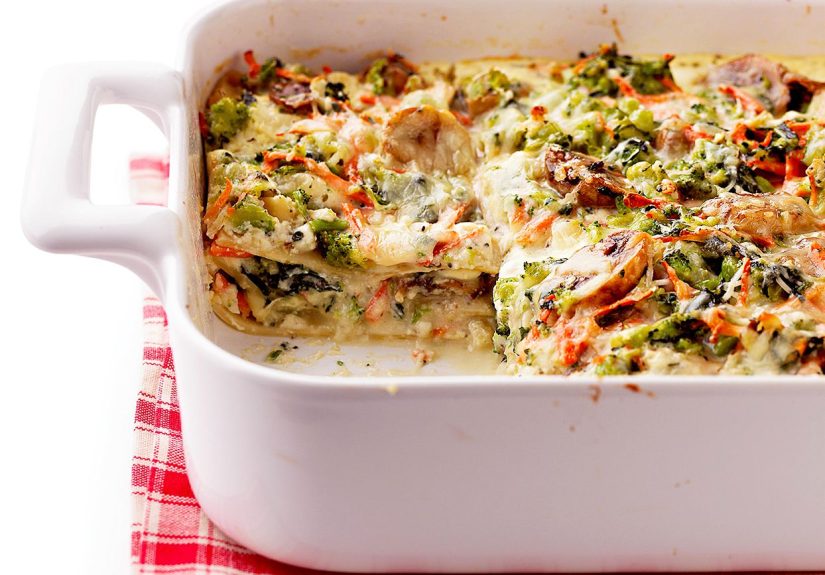
If regular lasagna is a warm hug, vegetable lasagna is a warm hug that also tells you to eat your veggies. This version is cheesy, saucy, deeply comforting, and packed with real flavornot just a pile of zucchini hoping for the best. The goal here is a lasagna that slices cleanly, tastes rich, and doesn’t collapse into a watery puddle (because nobody wants “vegetable soup cake” for dinner).
Below, you’ll get a foolproof vegetable lasagna recipe with practical techniques that home cooks actually use: pre-cooking the vegetables, squeezing spinach dry, building a creamy ricotta layer, and baking in stages so the top gets bubbly and golden. I’ll also include easy swaps, make-ahead tips, and a section on real-life cooking experiences so you can make this on a weeknight, for guests, or for a “I need leftovers and peace” Sunday.
Why This Vegetable Lasagna Recipe Works
Great vegetable lasagna is all about balance: moisture, texture, and structure. Vegetables naturally release water as they cook, so if you skip prep, your lasagna can turn soggy. In this recipe, we sauté and roast strategically to concentrate flavor and remove excess moisture before layering.
It also uses a classic cheese trioricotta, mozzarella, and Parmesanfor creamy layers and that stretchy top everyone fights over. A little egg helps the ricotta layer set, and a short resting time after baking makes the slices cleaner and prettier. Translation: less slippage, more “wow.”
Ingredients
For the Vegetable Filling
- 2 tablespoons olive oil
- 8 oz mushrooms, chopped (cremini or button)
- 1 medium zucchini, diced
- 1 red bell pepper, diced
- 1 small yellow onion, diced
- 3 to 4 cloves garlic, minced
- 5 oz fresh spinach (or 10 oz frozen spinach, thawed and squeezed very dry)
- 1 teaspoon Italian seasoning
- 1/2 teaspoon kosher salt (plus more to taste)
- 1/4 teaspoon black pepper
- Optional: 1/4 teaspoon red pepper flakes
For the Cheese Layer
- 15 oz ricotta cheese
- 1 large egg
- 1 1/2 cups shredded mozzarella (from the total below)
- 1/2 cup grated Parmesan
- 2 tablespoons chopped fresh basil or parsley (optional but excellent)
- 1 teaspoon lemon zest (optional, for brightness)
- 1/4 teaspoon salt
- 1/4 teaspoon black pepper
For Assembly
- 1 jar (about 40 oz) marinara sauce
- 9 to 12 lasagna noodles (regular or no-boil)
- 2 to 2 1/2 cups shredded mozzarella (remaining amount)
- Extra Parmesan for topping
- Cooking spray or a little oil for the baking dish and foil
Optional upgrades: roasted eggplant, roasted red peppers, chopped basil between layers, or a white sauce/béchamel twist if you want a richer, tomato-light version.
Step-by-Step Vegetable Lasagna Recipe
1) Prep the vegetables (the anti-soggy step)
Heat a large skillet over medium heat with olive oil. Add mushrooms, zucchini, bell pepper, and onion. Cook for 7 to 10 minutes, stirring occasionally, until the vegetables soften and most of the moisture cooks off. Add garlic, Italian seasoning, salt, pepper, and red pepper flakes (if using), then cook 1 minute more.
Add spinach last. If using fresh spinach, toss it in and cook until wilted. If using frozen spinach, make sure it’s squeezed dry before adding. Cook another 1 to 2 minutes, then remove from heat.
Pro tip: If your pan looks watery, keep cooking. Lasagna rewards patience. A few extra minutes here saves you from a soupy center later.
2) Mix the cheese layer
In a medium bowl, stir together ricotta, egg, 1 1/2 cups mozzarella, Parmesan, herbs, lemon zest (if using), salt, and pepper. The mixture should be creamy and scoopable, like a very confident dip.
3) Prep noodles and sauce
If using regular noodles, boil them in salted water until just al dente, then drain and lay them flat so they don’t stick together. If using no-boil noodles, you can skip that step and move directly to assembly.
If your marinara is very thick, stir in 1/4 to 1/2 cup water. A slightly looser sauce helps the noodles cook evenly and keeps the layers tender.
4) Assemble the lasagna
Preheat your oven to 375°F. Lightly grease a 9×13-inch baking dish.
- Spread about 1 cup marinara on the bottom of the dish.
- Add a layer of noodles.
- Spread about one-third of the ricotta mixture.
- Spoon on one-third of the vegetable mixture.
- Top with marinara and a sprinkle of mozzarella.
- Repeat for 2 more layers.
- Finish with noodles, marinara, remaining mozzarella, and a little extra Parmesan.
Don’t overpack the layers. A lasagna stacked to the moon is dramatic, but not practical.
5) Bake in two stages for the best top
Spray one side of a sheet of foil with cooking spray, then cover the lasagna with the sprayed side facing down (this prevents cheese from sticking to the foil). Bake covered for 35 to 40 minutes.
Remove the foil and bake another 10 to 15 minutes, until the top is melted, bubbling, and lightly golden around the edges. If you like a deeper golden top, broil for 1 to 2 minutes at the endbut watch it closely.
6) Rest before slicing
Let the lasagna rest for 10 to 15 minutes before cutting. Yes, this is the hardest step. Yes, it matters. Resting helps the layers set so you get neat slices instead of lava.
Flavor Variations and Easy Swaps
Roasted Vegetable Lasagna
Roast sliced zucchini, mushrooms, peppers, and eggplant at high heat before layering for deeper flavor. Roasting adds caramelized edges and helps evaporate moisture fast, which is excellent for texture.
Spinach and Mushroom Lasagna
Go heavy on mushrooms and spinach for a classic, hearty version. Mushrooms bring a meaty bite, and spinach adds color and richness without overwhelming the dish.
White Sauce Vegetable Lasagna
Swap part or all of the marinara for a béchamel (white sauce) if you want a creamy, more delicate style. This works especially well with greens, squash, and mushrooms.
Zucchini-Forward or Lower-Carb Style
Replace some noodle layers with thin zucchini strips. This is a great way to add more vegetables while keeping the lasagna structure. Just dry the zucchini slices well after cooking so they don’t release too much water.
Cheese Swaps
Not a ricotta fan? Cottage cheese can work well. You can also add provolone, fontina, or a little pecorino for a sharper finish.
How to Keep Vegetable Lasagna from Getting Watery
- Cook the vegetables first: Sautéing or roasting removes moisture before assembly.
- Squeeze spinach dry: Especially frozen spinachthis is a huge one.
- Don’t overload layers: More vegetables sounds healthy, but too much can flood the pan.
- Use a thicker sauce: If the marinara is very thin, simmer it briefly before layering.
- Let it rest: Resting helps the liquids redistribute and the layers firm up.
Make-Ahead, Storage, and Reheating
Make Ahead
You can prep the vegetable filling up to 3 to 4 days in advance and keep it refrigerated. You can also fully assemble the lasagna a day ahead, cover it, and bake it the next day.
Freeze It
Vegetable lasagna freezes beautifully. Freeze it baked or unbaked, tightly wrapped, for up to 3 months. If freezing the whole pan, lining the dish with foil first makes it easier to lift out and wrap once frozen solid.
Reheat Leftovers
Store leftovers in the refrigerator for up to 4 to 5 days. Reheat slices in the microwave, or warm the whole dish covered in a 350°F oven until hot and bubbly.
What to Serve with Vegetable Lasagna
- Simple green salad with lemon vinaigrette
- Garlic bread or crusty bread
- Roasted broccoli or green beans
- Tomato-cucumber salad
- A crisp sparkling drink or iced tea (because lasagna is a whole event)
Vegetable Lasagna Recipe FAQ
Can I use no-boil noodles?
Absolutely. They’re convenient and reduce prep. Just make sure there’s enough sauce so they hydrate properly while baking.
Can I make this vegan?
Yes. Use dairy-free ricotta, mozzarella, and Parmesan alternatives, and skip the egg (or use a plant-based binder). The vegetable and sauce base still works beautifully.
What vegetables work best in lasagna?
Zucchini, mushrooms, spinach, onions, bell peppers, eggplant, and roasted red peppers are all great options. Use a mix of soft, savory vegetables for the best texture and flavor.
Final Thoughts
A great vegetable lasagna recipe isn’t just “meatless lasagna.” It’s its own thing: cozy, layered, and packed with texture and color. Once you master the moisture-control steps and layering rhythm, you can customize it endlessly with seasonal vegetables, different sauces, and cheese combinations.
Make it for family dinner, meal prep, or a gathering where you want something crowd-friendly and comforting. And if there are leftovers, congratulationsyou’ve just improved tomorrow.
Home-Cook Experiences with Vegetable Lasagna Recipe
One of the most common experiences people have with a vegetable lasagna recipe is that the first attempt is usually delicious… and slightly chaotic. Maybe the noodles slide. Maybe the pan bubbles over. Maybe the slices look more “rustic” than “restaurant.” That’s normal. Vegetable lasagna has a learning curve, and honestly, that’s part of the fun. The dish teaches you timing and texture in a very hands-on way. After one or two tries, most home cooks start building a rhythm: cook the vegetables down well, mix the ricotta while the sauce simmers, line everything up on the counter, and layer like a pro.
Another very real experience: discovering that vegetable lasagna often wins over people who swear they “need meat.” Mushrooms, roasted zucchini, spinach, and cheese create such a hearty bite that the conversation usually goes from “Wait, this is vegetarian?” to “Can I take some home?” It’s a great dish for mixed groups because it feels familiar, but still special. You’re not asking anyone to take a culinary leapyou’re just giving them a better lasagna than they expected.
Many cooks also talk about how customizable it becomes once they stop treating recipes like strict laws. One week it’s spinach and mushrooms. The next week it’s zucchini, eggplant, and roasted red peppers. In colder months, people lean into white sauce versions with squash and greens. In summer, grilled vegetables show up and bring a smoky flavor that makes the whole pan taste like it came from a backyard party. That flexibility is one reason this dish sticks around in a regular rotationit adapts to the fridge, the season, and the mood.
There’s also the meal-prep experience, which is where vegetable lasagna becomes a hero. A lot of home cooks mention that it feels like a project while making it, but then it pays you back for days. Lunch is handled. Dinner is handled. You reheat a square, add a quick salad, and suddenly you feel like the most organized person in town. It’s one of those recipes that makes the kitchen effort feel worth it because leftovers are often even better after the flavors settle overnight.
And finally, there’s the “special occasion but still practical” experience. Vegetable lasagna shows up for holidays, potlucks, friend dinners, and new-parent meal trains because it travels well, serves a crowd, and feels generous. It’s comforting without being boring. It can be made ahead. It reheats beautifully. And it slices into neat portions when you need a dish that looks good on a buffet table. In other words, it’s not just a recipeit’s a reliable kitchen strategy dressed in melted cheese.