Table of Contents >> Show >> Hide
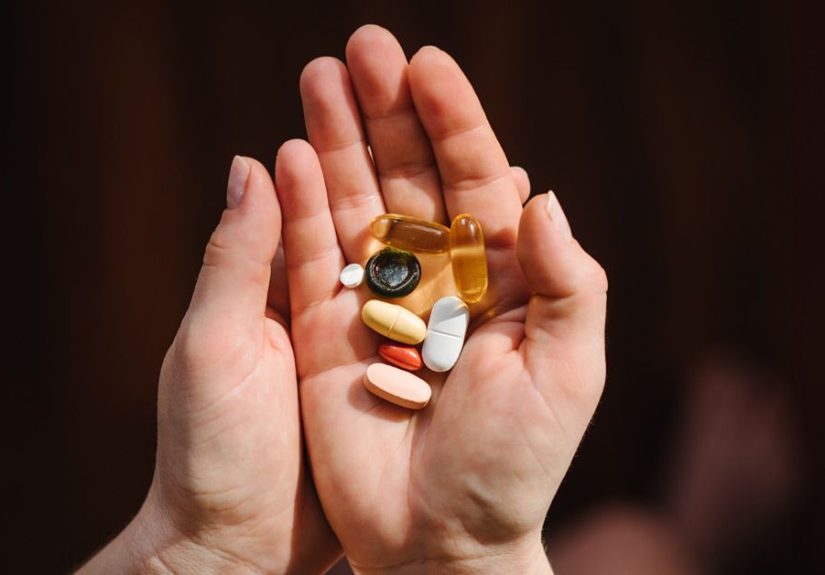
Walk into any pharmacy, and the supplement aisle practically sparkles with promises. Better immunity. More energy. Less inflammation. Glowing health. Possibly inner peace by Thursday. For someone living with breast cancer, that sales pitch can sound especially tempting. Treatment is exhausting, side effects are real, and the desire to “do something extra” makes perfect sense.
But here’s the catch: when it comes to vitamins and supplements for breast cancer patients, more is not always better, and “natural” is not a free pass. Some supplements may help in very specific situations, such as a documented deficiency, bone loss risk, or poor intake during treatment. Others can interfere with chemotherapy, endocrine therapy, radiation, or blood thinners. That means the smartest supplement plan is usually not a dramatic handful of capsules. It is a careful, boring, medically informed plan. Glamorous? No. Wise? Absolutely.
This guide breaks down what breast cancer patients should know about vitamins, minerals, herbal products, and so-called wellness boosters. We will cover when supplements can be useful, which ones deserve extra caution, and how to shop with your oncologist and dietitian in the loop. Because the goal is not to build a supplement collection impressive enough to rattle like maracas. The goal is to support treatment safely and protect your health.
Do Breast Cancer Patients Need Vitamins and Supplements?
Sometimes yes. Very often, not in the way the internet suggests.
Many breast cancer patients assume they should start a multivitamin, antioxidants, immune supplements, herbal blends, or “detox” capsules the minute treatment begins. In reality, most experts recommend a food-first approach. That means getting nutrients from meals and snacks whenever possible: vegetables, fruit, beans, whole grains, dairy or fortified alternatives, eggs, fish, poultry, tofu, nuts, seeds, and other nutrient-dense foods.
Why does food get star treatment? Because food delivers vitamins, minerals, protein, fiber, calories, and plant compounds in a form the body is built to handle. A supplement, on the other hand, may deliver a large dose of one isolated nutrient, and that can be a problem during cancer treatment. Some ingredients change how drugs are metabolized. Some may raise bleeding risk. Some may stress the liver. Some may reduce the effectiveness of treatment. And some are simply unnecessary.
That said, supplements do have a place. Breast cancer treatment can affect appetite, digestion, absorption, bone health, and lab values. A patient who is nauseated for weeks, has trouble eating after surgery, develops low vitamin D, or loses minerals during treatment may genuinely need supplementation. The key difference is this: the right supplement is usually chosen for a specific reason, not because the label says “supports wellness” next to a watercolor leaf.
When Supplements Can Actually Be Helpful
Vitamin D and Calcium for Bone Health
One of the clearest reasons a breast cancer patient may need supplements is bone protection. Some cancer therapies can weaken bones or increase the risk of osteopenia and osteoporosis. That is why clinicians often recommend vitamin D and calcium when there is evidence of bone loss risk, low vitamin D levels, or treatment-related concerns.
This is especially relevant for patients taking certain endocrine therapies, including aromatase inhibitors, as well as patients who enter menopause early because of treatment. In those cases, calcium plus vitamin D is not a trendy wellness move. It is part of a bone-health strategy.
Example: a patient on an aromatase inhibitor has a low vitamin D lab result and a bone-density scan showing early thinning. Her oncology team may recommend vitamin D, calcium, weight-bearing exercise, and follow-up monitoring. That is targeted supplementation doing an actual job.
Vitamin B12 or B-Complex, but Only for the Right Patient
B vitamins are another category where context matters. Some people need them. Some do not. A patient with poor intake, ongoing vomiting, previous bariatric surgery, or absorption problems may benefit from B12 or other B vitamins. But popping high-dose B supplements “just in case” is not automatically helpful.
Fatigue is a good example. Many people assume tiredness means they need iron or B12. Sometimes it does. But fatigue during breast cancer treatment can also come from anemia, poor sleep, stress, dehydration, low protein intake, infection, medications, or the treatment itself. Guessing wrong can lead to unnecessary supplements instead of the right fix.
Iron, Magnesium, or Potassium if Lab Work Says So
Not every nutrient issue can be solved with leafy greens and optimism. Some patients develop treatment-related deficiencies or electrolyte losses that need medical correction. Iron may be appropriate for confirmed iron deficiency. Magnesium or potassium may be prescribed if labs show they are low. Again, the principle stays the same: test first, treat second.
If you feel depleted, ask for evaluation instead of building your own pharmacy shelf. It is safer, more effective, and far less likely to create a new problem while trying to solve the old one.
A Basic Multivitamin in Select Cases
A standard multivitamin may be reasonable for some breast cancer patients who are eating poorly, losing weight, or struggling to meet basic nutrition needs. But even this is not automatic. A simple multivitamin is very different from a megadose antioxidant formula, a hair-skin-and-nails gummy loaded with extra biotin, or a “cancer support” blend with 19 mystery botanicals and a suspicious amount of confidence.
If your team approves a multivitamin, keep it simple. More ingredients does not mean more benefit.
Supplements That Need Extra Caution During Breast Cancer Treatment
High-Dose Antioxidants
This is one of the biggest caution zones. Antioxidant supplements often include vitamins A, C, and E, carotenoids, or coenzyme Q10. They are marketed as cell protectors, which sounds lovely until you remember that some cancer treatments work by damaging cancer cells. That is why high-dose antioxidant supplements during chemotherapy or radiation make many oncologists nervous.
Some observational research in breast cancer patients has linked antioxidant supplement use before and during chemotherapy with worse outcomes, including higher recurrence risk. That does not prove every antioxidant pill is dangerous in every situation, but it is enough to make self-prescribing a bad idea.
Important distinction: eating antioxidant-rich foods is not the same thing as swallowing concentrated antioxidant supplements. Blueberries are lunch. A mega-antioxidant capsule is a chemistry experiment.
Herbal Supplements That Interact With Treatment
Herbal products are especially tricky because many have not been well studied with chemotherapy, endocrine therapy, or targeted therapy. Some can change how drugs are broken down in the liver. Others increase bleeding risk or liver toxicity. A few can make medications less effective.
St. John’s wort is a classic example. It can interfere with how certain medications work, including cancer drugs. For breast cancer patients taking endocrine therapy, products such as red clover and some hormone-like supplements also raise concern because of potential interactions with tamoxifen and other treatments.
The takeaway is simple: herbs are pharmacologically active. They are not harmless because they grew out of the ground. Hemlock also came from nature, and nobody is sprinkling it on yogurt for balance.
Turmeric or Curcumin Pills
Turmeric as a spice in soup, rice, or roasted vegetables is usually one thing. Turmeric supplements are another. High-dose curcumin capsules are heavily promoted for inflammation, but there is limited research proving they are safe alongside breast cancer treatment. Some data suggest possible interactions with drugs used in breast cancer care, including concerns about reduced effectiveness of certain chemotherapy agents or added liver stress.
That does not mean every golden latte is villainous. It means a spice in food is not the same as a concentrated supplement in capsule form. Your dinner is generally not the issue. The giant bottle promising “maximum absorption” may be.
Soy Supplements Are Not the Same as Soy Foods
Soy causes more confusion than almost any other nutrition topic in breast cancer. Here is the calmer, less chaotic version: whole soy foods such as tofu, edamame, soy milk, and tempeh are generally considered safe in moderate amounts for most breast cancer patients and survivors. Some studies even suggest soy foods may be associated with a lower risk of recurrence.
But soy supplements and purified isoflavone products are different. They deliver isolated compounds in a concentrated form, and the evidence is much less reassuring. That is why many experts are comfortable with food-based soy while urging caution around soy pills, powders, and extracts.
So yes, tofu in a stir-fry is not the same thing as a concentrated capsule marketed like it belongs in a superhero origin story.
Supplements for Menopausal Symptoms
Breast cancer treatment can trigger hot flashes, night sweats, sleep disruption, and other menopausal symptoms. That often sends patients hunting for relief in the supplement aisle. Unfortunately, many products advertised for menopause support have limited evidence, unclear safety in breast cancer, or possible hormonal interactions.
If menopausal symptoms are affecting your quality of life, talk to your oncology team rather than guessing with over-the-counter blends. There may be safer, better-studied options that fit your diagnosis and treatment plan.
How to Choose Supplements Safely
If your oncologist or dietitian says a supplement makes sense, use these rules:
1. Know why you are taking it
“For health” is not a good enough reason. “Because my vitamin D is low” is.
2. Keep the ingredient list boring
Single-ingredient or simple products are easier to assess for safety than mega-blends full of proprietary mystery dust.
3. Avoid megadoses unless prescribed
More is not more. Sometimes more is just expensive urine and a confusing medication list.
4. Show every bottle to your care team
Not just the prescription drugs. Everything. Vitamins, powders, gummies, teas, drops, mushroom blends, collagen scoops, immunity shots, and that “all-natural” sleep tincture your cousin swears by.
5. Ask a registered dietitian who works in oncology
This is one of the most useful and underrated moves a patient can make. Oncology dietitians can help you decide whether food alone is enough, whether a supplement is warranted, and how to meet nutrition goals without creating treatment conflicts.
What Real-Life Experience Often Looks Like for Breast Cancer Patients
In real life, the supplement question usually does not arrive as a neat medical decision. It arrives in a messy human way. A woman starts chemotherapy and suddenly food tastes like aluminum foil and disappointment. Someone else begins endocrine therapy and is told to think about bone health. Another patient feels tired all the time, searches online at 2 a.m., and finds 47 articles promising that magnesium, mushrooms, vitamin C, turmeric, green powders, and a capsule called something like “Cellular Harmony Ultra” will fix everything by breakfast.
That is the emotional side of this topic, and it matters. Many breast cancer patients are not looking for magic. They are looking for control. Treatment schedules, scans, pathology reports, and side effects can make life feel like it belongs to everyone except the person living it. Buying a supplement can feel proactive. It can feel hopeful. It can feel like taking the wheel back for a second.
Patients also hear advice from every direction. Friends recommend immune boosters. Family members send links to antioxidant cocktails. Social media influencers appear in perfect kitchen lighting and say things like, “This changed my healing journey,” which is a dramatic sentence considering it usually introduces a discount code.
Meanwhile, many patients are dealing with very practical problems. Appetite is off. Mouth sores make eating painful. Nausea makes breakfast a theoretical concept. Constipation, diarrhea, dehydration, and fatigue can all change what a person can tolerate. In those moments, a supplement may seem easier than a full meal. Sometimes that instinct is understandable, and sometimes a clinician-approved supplement really does help bridge a gap. But often the more useful plan is simpler: add calories where you can, prioritize protein, take fluids seriously, and use targeted support based on symptoms and lab work.
There is also the survivorship phase, which brings its own questions. Once active treatment ends, many patients want to rebuild strength and reduce recurrence risk. That is often when the supplement marketing machine gets loudest. But the most consistent long-term advice is still surprisingly unglamorous: eat a balanced diet, stay physically active as you are able, protect bone health, maintain a healthy weight if possible, limit alcohol, and discuss every supplement with your care team.
For many patients, the best experience is not finding the perfect pill. It is getting clear guidance that reduces fear. It is hearing, “Yes, take vitamin D because your level is low,” or “No, skip the turmeric capsules while you are on this drug,” or “Your soy latte is fine, but that soy extract is not necessary.” Clear, personalized advice is what actually lowers stress.
That is why the supplement conversation works best when it becomes part of cancer care instead of a secret side project. The safest path is not silence, guessing, or wishful shopping. It is honesty, lab work, professional guidance, and a plan that matches the patient in front of you.
Final Thoughts
For breast cancer patients, vitamins and supplements are not automatically good or bad. They are tools, and tools only help when you use the right one for the right job. A clinician-directed vitamin D supplement for bone loss risk can be useful. A random antioxidant megadose during chemotherapy can be risky. Whole soy foods may fit beautifully into a healthy diet, while soy supplements deserve far more caution. And herbal products that look gentle on the label may still interfere with treatment in very ungentle ways.
The smartest rule is this: do not self-prescribe supplements during breast cancer treatment. Let your labs, diagnosis, medications, side effects, and oncology team shape the plan. It may not be the flashiest answer on the internet, but it is the one most likely to protect both your treatment and your peace of mind.