Table of Contents >> Show >> Hide
- What a Water Closet Is (and What It Isn’t)
- Why Water Closets Are Trending in American Homes
- Water Closet vs. Toilet Room vs. Powder Room: Quick Differences
- Planning the Space: Size, Clearances, and Layout Basics
- Ventilation: The Secret Ingredient for a Great Water Closet
- Plumbing Considerations: Where the Water Closet Should Live
- Design Ideas That Make a Small Water Closet Feel Intentional
- Pros and Cons: Is a Water Closet Worth It?
- Remodel Reality Check: DIY vs. Pro
- Quick Water Closet Planning Checklist
- Real-World Experiences: What Homeowners Learn After Living With a Water Closet
- The morning rush gets dramatically calmer
- The fan (and the switch) matter more than people expect
- Pocket doors are popular, but they’re not automatically perfect
- A tiny sink is surprisingly appreciated
- Soundproofing becomes a “wish we did that” item
- Cleaning is either easier or harderdepending on the layout
- Conclusion
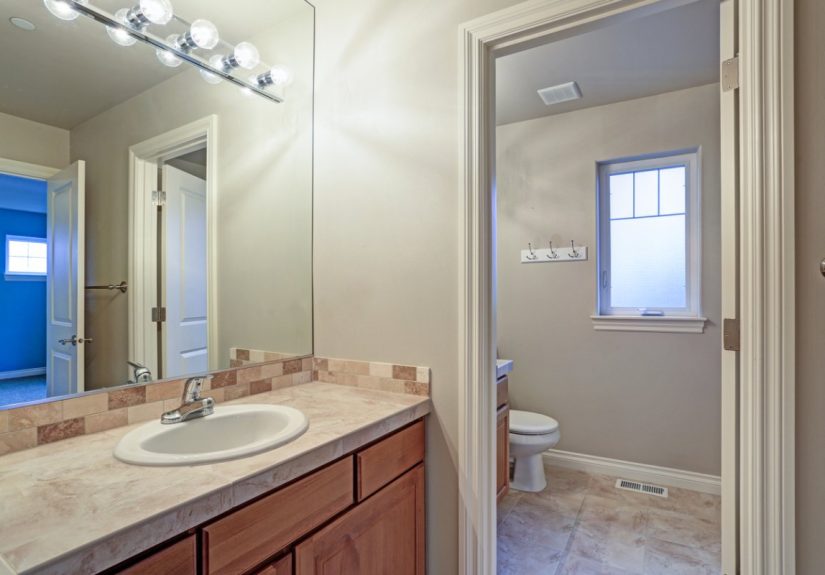
Water closet sounds like something you’d find in a Victorian mansionright between the “hat room” and the “mustache parlor.” But in modern American homes, a water closet (often shortened to WC) is actually a very practical design feature: a small, enclosed roomusually inside a larger bathroomthat contains a toilet (and sometimes a compact sink). Think of it as the bathroom’s “private office,” where the toilet gets its own door and a little dignity.
Home-improvement pros (including the Bob Vila-style crowd) like water closets because they solve real-life problems: privacy in shared baths, smoother morning routines, and a way to keep the toilet area separate from the “brushing teeth and pretending you’re fine” zone.
What a Water Closet Is (and What It Isn’t)
A water closet is a dedicated toilet compartmenttypically enclosed by full-height walls and a doorlocated within a bathroom or near a dressing area. Many have a pocket door or an outward-swinging door to save space. Some include a small handwashing sink, but not always.
What it isn’t:
- Not the whole bathroom. A bathroom usually includes a sink, shower, tub, or multiple fixtures.
- Not a powder room/half bath. Those are separate rooms (often near common areas) that generally include a toilet and sink.
- Not just a fancy way to say “toilet.” On some signs or floor plans, “WC” can mean toilet/restroom, but in home design, it commonly refers to the enclosed toilet space itself.
Why Water Closets Are Trending in American Homes
There are a few reasons homeowners and designers keep coming back to the water closet idea (besides the fact that it sounds slightly mysterious and European).
1) More privacy in shared bathrooms
In a busy household, bathrooms are basically transportation hubs. Someone’s showering, someone’s doing hair, someone’s hunting for a clean towel like it’s a rare Pokémon. A water closet lets the toilet be used privately while the rest of the bathroom stays functional.
2) Better “traffic flow” in the morning
If you’ve ever done the morning shuffleone person needs the toilet, another needs the sink, a third is loudly “just grabbing something real quick”you already understand why a water closet can feel like an upgrade. It’s not about luxury; it’s about reducing bathroom-related negotiations.
3) Odor and noise control
Separating the toilet into its own room can help keep odors contained (especially with good ventilation) and reduce the awkward soundtrack that sometimes comes with “nature calling.” If walls could talk, water closet walls would politely decline.
4) A cleaner-looking main bathroom
Visually, a water closet can make the main bathroom feel more spa-like. Instead of the toilet being the first thing you notice, the focal point becomes the vanity, lighting, tile, or shower design. It’s the difference between “relaxing retreat” and “plumbing fixture showcase.”
Water Closet vs. Toilet Room vs. Powder Room: Quick Differences
These terms get tossed around in listings, remodel plans, and that one group chat where everyone suddenly becomes an architect. Here’s a simple breakdown:
Water closet (WC)
- Usually inside a larger bathroom
- Contains toilet (sometimes a small sink)
- Has a door and enclosed walls
Toilet room
- Often used interchangeably with water closet
- Can be inside a bathroom or its own tiny room
- Usually emphasizes function over design language
Powder room / half bath
- Typically a separate room near living areas
- Contains a toilet and sink
- Designed for guests and quick use
Planning the Space: Size, Clearances, and Layout Basics
Before you fall in love with the idea of a tiny, wallpapered jewel-box WC, you have to confirm that it can actually fitand that it’s comfortable (and code-compliant) for real humans.
Important: Building and plumbing requirements vary by location. Use the following as common guidelines and starting points, and confirm with local codes or a licensed pro.
Minimum compartment size (the “it fits, technically” option)
Many common guidelines point to a minimum interior footprint around 30 inches wide by 60 inches deep for a basic toilet compartment. This can work, but it’s snuglike sitting in economy when the person in front of you decides their seat needs to recline into your soul.
A more comfortable water closet size (the “I can breathe” option)
Design standards often recommend sizing upsomething like 36 inches wide by 66 inches deep tends to feel noticeably better, especially if you want space for easier cleaning, a less claustrophobic experience, or a tiny corner sink.
Clearances that matter
- Side clearance: A common baseline is about 15 inches from the toilet centerline to any side wall or obstruction.
- Front clearance: A common minimum is about 21 inches in front of the toilet to any wall, fixture, or door. Some standards require more (often cited as 24 inches in certain frameworks), and more space usually feels better in daily life.
Door choices: pocket, swing-out, or “please don’t hit my knees”
A water closet door should never make you feel like you’re in a slapstick comedy. Space-saving doors (like pocket doors) are popular because they reduce interference. If using a swinging door, many designers prefer it to swing out so it doesn’t collide with the toilet or trap someone inside in an emergency.
Ventilation: The Secret Ingredient for a Great Water Closet
If you do one thing right in a water closet, make it ventilation. A WC without effective exhaust is like a gym bag in August: it’s not “if,” it’s “when.”
Exhaust fan basics
Many modern guidelines for bathrooms/toilet rooms reference mechanical exhaust rates around 50 CFM intermittent or 20 CFM continuous as minimums. In real life, homeowners often appreciate a little more capacityespecially in a small enclosed space where odors build quickly.
Make it user-friendly
- Use a timer switch so the fan can run after someone leaves.
- Keep it quiet (lower sones) if you want people to actually use it.
- Consider makeup air (a slight gap under the door) so the fan can pull air effectively.
Plumbing Considerations: Where the Water Closet Should Live
From a remodel budget perspective, a water closet is often easiest when it’s placed near existing plumbing lines. The closer you stay to your current drain/vent stack, the fewer surprises you’ll find behind the walls (and the fewer “How is this even legal?” moments you’ll have during demo).
Toilet rough-in and placement
Toilets commonly use a 12-inch rough-in measurement (distance from finished wall to the center of the drain), though 10-inch and 14-inch rough-ins exist too. Picking the toilet early helps avoid layout headaches laterespecially in tight water closet dimensions.
Adding a tiny sink
If you can fit it, a compact sink is a major functional upgradeespecially for hygiene. It can also reduce trips back to the main vanity, which is helpful if someone else is in the middle of their skincare routine that has more steps than a NASA launch checklist.
Design Ideas That Make a Small Water Closet Feel Intentional
A water closet may be small, but that’s actually an advantage for design. Because the space is compact, you can go bold without overwhelming the whole bathroom.
Wallpaper and color (yes, this is your moment)
Many homeowners treat the water closet like a “mini jewel box.” Dark paint, patterned wallpaper, or a dramatic mural can look amazing because you’re only committing to a few walls. Plus, guests tend to remember itsometimes more than the living room. (Rude, but true.)
Lighting that doesn’t feel like a gas station
Good lighting matters in a small room. Consider:
- A soft overhead fixture plus a wall sconce
- Warm-toned bulbs for comfort
- Dimmers if you want a more upscale feel
Storage without clutter
Floating shelves above the toilet (installed correctly and safely) can hold extra toilet paper, a small plant, or decor. Just keep it minimalno one wants a shelf avalanche mid-visit.
Sound and privacy upgrades
- Solid-core door instead of hollow
- Weatherstripping or door sweeps for sound control
- Insulation in the wall cavities if you’re opening them anyway
Pros and Cons: Is a Water Closet Worth It?
Pros
- Privacy in shared bathrooms
- Better workflow for couples or families
- Cleaner, more spa-like main bath appearance
- Potential resale appeal in certain markets and layouts
Cons
- Space trade-off: carving out a WC can shrink shower, vanity, or storage
- Cost: framing, door, ventilation, and possible plumbing adjustments add up
- If poorly ventilated, it can backfire (literally and figuratively)
- Accessibility: a too-tight compartment can be uncomfortable or impractical for some users
Remodel Reality Check: DIY vs. Pro
Cosmetic upgrades inside an existing water closetpaint, wallpaper, lighting, accessoriescan be DIY-friendly. But building a brand-new water closet often means:
- Framing and drywall
- Electrical (fan, lighting, switches)
- Ventilation ducting
- Plumbing changes
- Permits and inspections (often required for plumbing/electrical work)
If you’re changing plumbing locations or installing new venting, working with a licensed contractor or plumber can save you from expensive mistakesand from discovering “creative” prior work hidden in the walls.
Quick Water Closet Planning Checklist
- Confirm space: minimum dimensions and comfortable clearance
- Pick the toilet early: rough-in and bowl projection affect layout
- Plan ventilation: fan capacity, duct route, timer switch
- Choose the right door: pocket or swing-out when possible
- Decide on a sink: optional, but highly useful
- Think about sound: solid-core door, insulation, sealing
- Style it: lighting, wall finish, small storage
Real-World Experiences: What Homeowners Learn After Living With a Water Closet
Once a water closet becomes part of daily life, people tend to have strong opinionsusually the “How did we live without this?” kind, and occasionally the “Why did we do it like that?” kind. Here are some common, experience-based lessons homeowners, designers, and remodelers share after the honeymoon phase.
The morning rush gets dramatically calmer
In many homes, the biggest “aha” moment happens on weekday mornings. One person can use the toilet privately while another brushes teeth or does hair at the vanity. Families notice this even more: kids can rotate through the bathroom tasks with less waiting, fewer arguments, and fewer frantic knocks on the door. A water closet doesn’t magically make everyone on timebut it reduces the number of bathroom bottlenecks that can derail the whole schedule.
The fan (and the switch) matter more than people expect
Plenty of homeowners say the water closet is only as good as its ventilation. When the fan is weak, loud, or inconvenient, people stop using it consistentlyand that’s when the space starts feeling stuffy. The most-loved setups often include a quiet fan on a timer so it can run after someone leaves. Some people even prefer a dedicated switch separate from the light, so ventilation isn’t dependent on whether someone wants brightness. Translation: the fan isn’t an afterthought; it’s the MVP.
Pocket doors are popular, but they’re not automatically perfect
Many people choose a pocket door because it saves space and avoids awkward door swings. In real life, the best pocket doors glide smoothly, latch well, and don’t sound like a pirate ship when you slide them. The less-loved ones rattle, stick, or fail to close snuglyso sound and odor escape more than intended. Homeowners often report that spending a little more on quality hardware (and careful installation) makes a huge difference in daily satisfaction.
A tiny sink is surprisingly appreciated
When a water closet includes a compact sink, people tend to use it constantlyespecially guests. It reduces the “walk of shame” from toilet to vanity, and it’s a handy hygiene upgrade if someone else is using the main sink area. That said, those who skip the sink often say they still love the privacy benefits, but they sometimes wish they’d found a way to add even a small corner basin during the remodel.
Soundproofing becomes a “wish we did that” item
Homeowners frequently mention that privacy isn’t only about walls and a doorit’s also about sound. When the water closet has a hollow-core door and uninsulated walls, it can feel less private than expected. People who added a solid-core door, insulation, and better sealing often say it’s one of the most worthwhile upgrades, even though it’s not the flashiest. Because nothing says “luxury” like not hearing every detail of someone else’s business.
Cleaning is either easier or harderdepending on the layout
In a well-sized water closet, cleaning can be simple because the toilet area is contained. But when the compartment is built at the absolute minimum size, people sometimes find it harder to reach behind the toilet or maneuver a mop. Homeowners who have lived with tight WCs often recommend sizing up slightly if possiblebecause comfort isn’t just about sitting; it’s also about maintaining the space without performing acrobatics.
Conclusion
A water closet is one of those home features that seems smallliterallyuntil you live with it. By separating the toilet into its own enclosed space, a WC can add privacy, improve bathroom flow, and make a shared bathroom feel more functional (and more peaceful). The keys are planning the layout carefully, respecting clearances, prioritizing ventilation, and choosing detailslike the door and lightingthat make the space comfortable instead of cramped. Done right, a water closet is less “fancy trend” and more “why didn’t we do this sooner?”