Table of Contents >> Show >> Hide
- So… What Exactly Is a Rooftop Garden?
- Why Garden on a Roof Instead of a Yard?
- Can Your Roof Handle a Garden? Safety First
- Designing Your Sky-High Oasis
- Best Plants for Rooftop Gardens
- Rooftop Gardens in the Wild: Real-World Inspiration
- Step-by-Step: How to Start Your Own Rooftop Garden
- Common Mistakes First-Time Rooftop Gardeners Make
- Real-Life Rooftop Gardening Experiences and Lessons
- The Bottom Line
Think you need a big suburban backyard to grow fresh tomatoes, basil, and flowers that make your neighbors jealous?
Spoiler: you really don’t. If you’ve got a flat roof, a sturdy balcony, and a decent sense of adventure, you can create
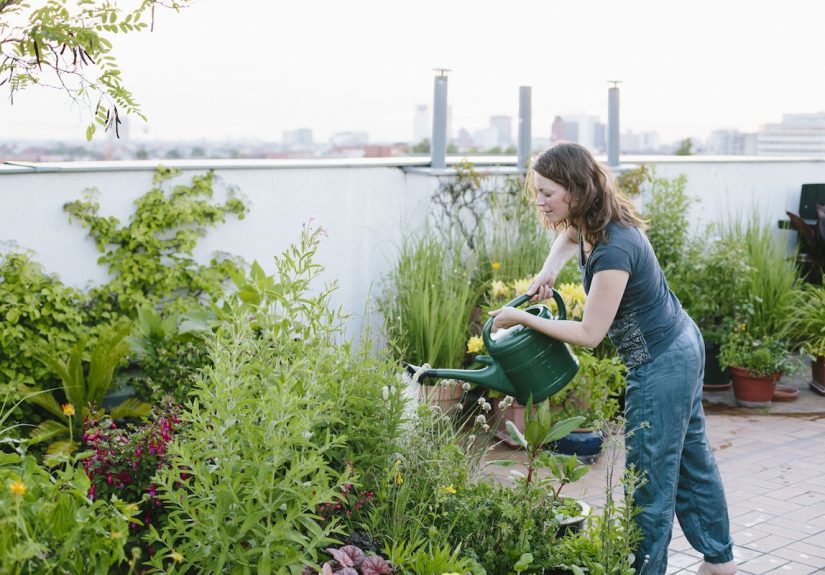
a rooftop garden that feels like a private park floating above the city.
Rooftop gardening has exploded in popularity as more people move into cities and look for creative ways to bring nature
closer to home. From small container gardens to full-on rooftop farms, these “gardens in the sky” can give you fresh food,
cooler buildings, and a serious upgrade to your mental healthall without a traditional yard.
So… What Exactly Is a Rooftop Garden?
The terms rooftop garden and green roof get tossed around a lot, and sometimes they’re
used interchangeably, but they’re not quite the same thing.
Rooftop Garden vs. Green Roof
A green roof is usually a professionally engineered system. It layers waterproof membranes, drainage,
growing media, and plants directly on top of the roof. Many green roofs are “extensive,” meaning they’re shallow, lightweight,
and planted with tough, low-maintenance plants like sedums and hardy grasses. They’re designed more for environmental benefits
than for you to hang out on with a lawn chair.
A rooftop garden, on the other hand, is what most home gardeners are actually building: plants growing in
containers, raised beds, grow bags, or modular planters placed on top of the existing roof surface. You’re not turning the
entire roof into a giant soil layeryou’re arranging pots and beds in a way that protects the roof but still lets you enjoy
a usable outdoor space.
In everyday language, people often call both of these “roof gardens,” but for DIY purposes, think of a rooftop garden as a
flexible, movable setup you can scale up or down without major structural work.
Why Garden on a Roof Instead of a Yard?
Big Environmental Benefits in a Small Footprint
Rooftop gardens do more than look pretty on Instagram. They can:
- Cool your building: Plants shade the roof and release moisture into the air, helping reduce surface temperatures and indoor cooling needs.
- Help manage stormwater: Containers and soil hold onto rainwater, slowing runoff so it doesn’t overwhelm city drains.
- Support biodiversity: Even a few planters of native flowers can invite bees, butterflies, and beneficial insects back into concrete-heavy neighborhoods.
- Fight the “urban heat island” effect: Green surfaces help offset all that dark, heat-absorbing roofing and pavement around you.
Quality-of-Life Perks (a.k.a. The Fun Part)
Beyond the science, having a rooftop garden can make your daily life feel completely different:
- Fresh food steps from your kitchen: Cherry tomatoes, herbs, salad greens, peppers, and even small fruit trees can thrive in containers.
- A stress-relief zone: Watering plants at sunset is a lot more relaxing than doom-scrolling on your couch.
- Bonus living space: With chairs, string lights, and plants, your roof becomes an outdoor living room you never knew you had.
- Bragging rights: “Oh these tomatoes? I grew them on my roof.” That line never gets old.
Can Your Roof Handle a Garden? Safety First
Before you haul twenty bags of potting mix up the stairs, hit pause. A rooftop garden is still a construction project in
the eyes of your buildingand gravity.
Check Structural Capacity
Soil and water are heavy. Wet potting mix, large planters, and water-filled containers can add hundreds or even thousands of
pounds to a roof. That’s why your first stop should be a structural engineer, building manager, or qualified contractor
who can tell you:
- How much weight your roof can safely support (per square foot)
- Which areas are strongest (over beams or load-bearing walls)
- Where you should avoid concentrated loads
It’s not the glamorous part of rooftop gardening, but it’s the part that keeps your project safe, legal, and long-lasting.
Protect the Roof Surface
Next, you need to protect the waterproof membrane. Dragging rough pots across the surface or letting water pool
under containers is a recipe for leaks. Common strategies include:
- Using deck tiles or pavers as a stable surface for containers
- Adding protective mats or pads under heavy planters
- Keeping drainage holes clear so water doesn’t sit against the roof
Wind, Access, and Local Rules
Rooftops can be windy places. That gentle breeze at street level can turn into “hang onto your hat” up top. Keep safety in mind:
- Use heavier or weighted containers so plants don’t tip or blow over.
- Avoid tall, top-heavy pots at the edges of the roof.
- Install railings, barriers, or screens where needed and always follow building codes.
Many cities and homeowner associations also have rules about roof access, guardrails, and what you can place on a roof.
Before you build, check local codes and any condo or HOA guidelines. It’s way easier to ask first than to move 40 planters
because someone in the building office is unhappy.
Designing Your Sky-High Oasis
Once safety boxes are checked, the fun design work begins. This is where you turn a flat, empty roof into a place that makes
you say “wow” every time you step outside.
Choosing Containers and Growing Media
Rooftop gardening is basically container gardening with extra physics. A few keys:
- Go lightweight: Use plastic, fiberglass, fabric grow bags, or lightweight resin planters instead of heavy stone or concrete whenever possible.
- Use soilless mix: Potting mix formulated for containers drains well and weighs less than regular garden soil.
- Pick the right size: Larger containers dry out more slowly and give roots more room, but balance size with overall weight.
Smart Layout and Microclimates
Not all parts of a roof behave the same way. Some spots are full sun all day; others hide in shade behind taller buildings.
Some corners become wind tunnels; others are surprisingly calm.
- Group sun-loving plants (like tomatoes and peppers) in the brightest spots.
- Use taller plants or trellises to create windbreaks and shade for more delicate plants.
- Keep seating areas where it’s less windy and not directly in the most intense afternoon sun.
- Leave clear walking paths, especially to exits and roof access points.
Watering and Drainage
Rooftop containers dry out faster than ground-level beds thanks to wind and full sun. Plan for:
- A handy water sourceideally a spigot on the roof or a safe way to run a hose up
- Self-watering containers or drip irrigation to save time and water
- Trays or saucers where needed to protect surfaces, while still allowing excess water to drain
You’ll likely water more often during heat waves, so set up your system to make that easy. Your future tired, sweaty self will thank you.
Best Plants for Rooftop Gardens
Any plant grown in a container has to deal with limited root space and faster drying. On a rooftop, you add extra sun and wind to the mix.
That doesn’t mean you’re limitedit just means you choose wisely.
Veggies and Herbs That Love Containers
- Cherry and patio tomatoes: Compact varieties are perfect for large pots and produce heavily.
- Peppers: Sweet and hot peppers both do well in containers with plenty of sun and warmth.
- Leafy greens: Lettuce, kale, arugula, and spinach grow quickly and can tolerate partial shade.
- Herbs: Basil, thyme, rosemary, chives, mint (in its own container!), and oregano are rooftop superstars.
- Bush beans and dwarf peas: Great for vertical structures like cages or trellises.
Flowers and Pollinator Favorites
For color and beneficial insects, mix in:
- Marigolds and nasturtiums (bonus: they’re edible)
- Lavender, echinacea, and bee balm for pollinators
- Compact grasses or sedums for texture and toughness
Native plants suited to your climate are often the most resilient choices. They’re built to handle your region’s sun, wind, and rainfall patterns.
Rooftop Gardens in the Wild: Real-World Inspiration
If you think your little roof can’t make a difference, look at what’s already happening in cities around the country:
- Chicago’s rooftop revolution: Chicago now has hundreds of green roofs and rooftop farms, including its famous City Hall garden, which helps manage stormwater, cools the building, and provides habitat for birds and insects.
- Urban rooftop farms: In places like New York City, large-scale rooftop farms grow thousands of pounds of produce each season, supplying restaurants, markets, and community programs.
- Community rooftop spaces: Some buildings host shared rooftop gardens where residents can rent a bed, attend workshops, or simply relax among the plants instead of staring at HVAC units and tar paper.
Your project doesn’t have to be huge to matter. A few containers of vegetables and flowers are part of the same movementturning unused gray roof space into something green and alive.
Step-by-Step: How to Start Your Own Rooftop Garden
- Talk to the pros. Consult a structural engineer, contractor, or building manager to confirm how much weight your roof can safely support and where.
- Check rules and access. Review local building codes and any condo or HOA rules about roof use, railings, and safety.
- Plan the layout. Sketch your roof, mark sunny and shady areas, and decide where to place containers, seating, and walking paths.
- Protect the surface. Use pavers, deck tiles, or mats to create stable, non-slip surfaces and protect the waterproofing.
- Start small. Begin with a few lightweight containers of herbs, greens, and flowers to test how the microclimate behaves.
- Dial in watering. Set up a water source, drip system, or self-watering planters so you’re not hauling buckets every day.
- Scale up gradually. Add more containers as you gain confidenceand as you confirm that the maintenance fits your schedule.
Common Mistakes First-Time Rooftop Gardeners Make
Learn from other people’s “oops” moments so you don’t repeat them three stories off the ground.
- Overloading the roof: Adding too many heavy containers too quickly without checking structural limits.
- Using regular garden soil: It compacts, drains poorly, and weighs a ton when wet.
- Ignoring wind: Tall plants and top-heavy pots can tip over, snap, or blow across the roof in strong gusts.
- Underestimating watering needs: Plants in full sun and wind dry out shockingly fast in summer.
- Blocking drains: Piling containers over roof drains and scuppers can create puddles and leaks.
The cure for most of these problems is simple: plan ahead, go lighter than you think you need to, and watch how your roof behaves through the seasons.
Real-Life Rooftop Gardening Experiences and Lessons
To really understand rooftop gardening, it helps to look beyond the “before-and-after” photos and think about what it’s like
to live with one day to day. Here are a few composite stories based on common rooftop gardening experiencesand what they can
teach you.
Maya’s Micro-Farm Above the Street
Maya moved into a walk-up apartment with a flat roof she could access through a small door. At first it was just a place to dry
laundry and stare at nearby brick walls. One spring, she dragged up a couple of fabric grow bags, a bag of potting mix, and a
few herb starts. By late summer, she was hooked. The next year, she upgraded: larger grow bags, a few dwarf tomato plants, a
small bistro table, and a string of solar lights.
Her biggest surprises? The wind and the sun. On hot days, the roof felt like a griddle, and her herbs wilted if she skipped even
one watering. She solved it with a combination of deeper containers, a drip line on a timer, and some taller plants placed upwind
to act as a living screen. She also learned to plant heat-tolerant varietiesbasil and cherry tomatoes thrived, while lettuce did
better in partial shade or in the cooler shoulder seasons.
The payoff: coming home from work, stepping onto the roof, and picking ingredients for dinner in her flip-flops. No yard, no
problemjust a little “micro-farm” in the sky.
Carlos Turns a Bare Roof into a Social Hub
Carlos lived in a mid-rise building with a shared flat roof that nobody really usedit was technically allowed, but it wasn’t
exactly inviting. He proposed a simple shared rooftop garden to his neighbors: a few large planters, some benches, and a rotation
of herbs and vegetables everyone could enjoy.
He started with lightweight trough planters placed along the parapet, filled them with a soilless mix, and planted rosemary,
thyme, peppers, and cherry tomatoes. A couple of neighbors added containers of flowers and a small pollinator bed with native
plants. Someone else donated outdoor chairs and a table.
The garden quickly became the unofficial “common room” of the building. People had weekend coffee up there, hosted small
barbecues, and watched sunsets between the skylines. The main lesson from Carlos’s project: rooftop gardens aren’t just about
plantsthey’re about community. Even a modest setup can change how people use and feel about a building.
Linda’s Lesson in Starting Small
Linda, inspired by magazine photos of lush rooftop jungles, went big on day one. She bought several large ceramic pots, filled
them with heavy soil, and loaded the roof with more plants than she could realistically care for. Within a few weeks, she was
overwhelmed by watering, some pots had cracked from heat stress, and the building’s maintenance team raised concerns about weight
and drainage.
She reset the project: fewer containers, lighter materials, and a focus on the plants she truly loved and used. She swapped
heavy pots for fabric grow bags and resin planters, consulted a contractor about load distribution, and installed a simple
drip system. With fewer but healthier plantsherbs, salad greens, and a handful of flowering perennialsher garden became
much easier to manage and enjoy.
Linda’s story is a reminder that rooftop gardening works best when you treat it as a long-term relationship, not a one-weekend
makeover. Start small, observe, adjust, and let the garden grow with you.
The Takeaway from Real Rooftop Experiences
Every rooftop gardener’s story is different, but common threads emerge: wind will surprise you, watering takes more planning
than you think, and the emotional payoff is huge. The roof that once felt like dead space becomes the place you go to clear
your head, sip coffee, or harvest a handful of cherry tomatoes while the city hums below.
You may not have a yardbut with a bit of planning, a sense of humor, and a willingness to learn from the weather, you can
absolutely have a garden. And if it happens to be on a roof? Even better. The view is fantastic.
The Bottom Line
Rooftop gardening isn’t just a trendy urban hashtag. It’s a practical, powerful way to grow food, support the environment, and
reclaim unused spaceespecially if you don’t have a traditional yard. By checking your roof’s structural capacity, protecting
the surface, choosing the right containers and plants, and starting small, you can build a sky-high oasis that makes your home
feel bigger, greener, and more alive.
So if you’ve been staring at a flat, boring roof and thinking, “What a waste of space,” consider this your sign: your future
garden might already be right above your head.