Table of Contents >> Show >> Hide
- What Is a Yellow Scab?
- Is a Yellow Scab Normal?
- Common Causes of a Yellow Scab
- What Does a Yellow Scab Look Like?
- How to Treat a Yellow Scab at Home
- Medical Treatment Options
- When to See a Doctor
- How to Prevent Yellow Scabs and Infected Wounds
- Yellow Scab in Children
- Yellow Scab on the Face
- Yellow Scab After Surgery
- Practical Experiences: What People Often Notice With Yellow Scabs
- Conclusion
- SEO Tags
A yellow scab can look a little suspicious. One day your skin is simply healing, and the next day there is a golden, crusty patch sitting there like it paid rent. Naturally, many people wonder: Is this normal wound healing, or is my skin waving a tiny yellow flag?
The answer depends on what the scab looks like, how it feels, and what is happening around it. A yellow scab may be part of the normal healing process, especially when clear yellowish fluid dries on the skin. But it can also point to infection, impetigo, irritated eczema, acne, a bug bite, or another skin condition that needs medical attention.
This guide explains the common causes of a yellow scab, what different appearances may mean, how to care for a healing wound at home, and when it is time to call a healthcare professional instead of playing bathroom-counter dermatologist.
What Is a Yellow Scab?
A scab is the body’s natural “temporary roof” over damaged skin. When you get a cut, scrape, popped pimple, burn, blister, or bite, blood cells and clotting proteins work quickly to stop bleeding. As the clot dries, it forms a protective crust. That crust helps block germs, debris, and extra irritation while new skin repairs underneath.
A yellow scab is simply a scab or crust with a yellow, golden, amber, or honey-colored appearance. Sometimes this color comes from dried serous fluid, a thin, clear-to-yellow fluid that can appear during normal healing. Other times, the yellow color comes from pus, bacteria, or crusted drainage from an infection.
The key is not the color alone. The real clues are pain, swelling, warmth, odor, spreading redness, fever, and whether the wound is getting better or worse.
Is a Yellow Scab Normal?
Yes, a yellow scab can be normal. Healing skin is not always pretty. It may look pink, red, brown, yellow, shiny, flaky, or slightly moist at different stages. A small amount of clear or pale yellow fluid can dry into a light yellow crust. If the area is improving, not very painful, not hot, and not spreading, it may simply be healing.
However, a yellow scab can also be abnormal. If the crust is thick, cloudy, foul-smelling, painful, swollen, or leaking yellow-white fluid, infection becomes more likely. Think of it this way: pale yellow and improving is usually less concerning; thick yellow plus angry skin is more of a “please get help” situation.
Common Causes of a Yellow Scab
1. Normal Wound Healing
The most harmless reason for a yellow scab is normal healing. Minor cuts and scrapes often release a small amount of clear or yellowish fluid. This fluid helps clean the wound and supports repair. When it dries, it can leave a yellow film or crust.
Normal healing usually comes with gradual improvement. The wound becomes less tender, the swelling goes down, and the scab gets smaller or flakes away over time. It should not become increasingly painful, hot, or swollen.
2. Serous Drainage
Serous drainage is thin, watery fluid that may look clear, pale yellow, or slightly amber. It is common in healing wounds, especially larger scrapes, blisters, and areas where the skin has been rubbed raw. If there is only a small amount and the wound looks calm, this can be part of the body’s repair crew doing its job.
Serous drainage becomes more concerning when the amount increases, the fluid turns cloudy, or the surrounding skin becomes red, warm, tender, or swollen.
3. Impetigo
Impetigo is one of the most classic causes of a yellow or honey-colored scab. It is a contagious bacterial skin infection that often affects children, though adults can get it too. It commonly appears around the nose, mouth, arms, or legs, but it can show up anywhere skin is broken.
Impetigo may start as red, itchy sores or small blisters. These sores can break open, ooze fluid, and then form golden-yellow crusts. The crust may look like dried honey or cornflakes stuck to the skin. Cute breakfast imagery, not-so-cute skin infection.
Because impetigo spreads easily through touch, towels, clothing, and scratching, it often needs prescription antibiotics. Covering the sores and washing hands well can help reduce spread.
4. Infected Cut, Scrape, or Surgical Wound
A yellow scab may mean a wound has become infected, especially if the drainage is thick, cloudy, or pus-like. Infected wounds may also be red, painful, swollen, warm, or smelly. Sometimes the pain gets worse after initially improving, which can be an early warning sign.
Wound infections can happen when bacteria enter damaged skin. This risk is higher with dirty wounds, deep cuts, bites, burns, poorly cleaned scrapes, surgical incisions, diabetes, poor circulation, or a weakened immune system.
5. Eczema or Contact Dermatitis
Eczema and contact dermatitis can cause itchy, inflamed skin that cracks, weeps, and crusts. If the fluid dries, it may look yellowish. Scratching makes things worse because it creates tiny openings where bacteria can sneak in like uninvited guests at a skin party.
Yellow crusting on eczema can sometimes mean secondary infection. If eczema suddenly becomes more painful, wet, crusty, or widespread, a healthcare professional should take a look.
6. Acne, Folliculitis, or Popped Pimples
A popped pimple can form a yellow scab as serum, oil, dead skin cells, and a tiny amount of blood dry on the surface. Folliculitis, which is inflammation or infection around hair follicles, may also create small crusted bumps with yellow centers.
The safest move is to avoid squeezing. Picking at acne scabs can delay healing, increase inflammation, and raise the chance of dark marks or scars. Your skin does not appreciate being treated like bubble wrap.
7. Insect Bites and Scratching
Bug bites can become yellow and crusty when scratched repeatedly. Scratching breaks the skin barrier and can introduce bacteria from fingernails. If the bite becomes increasingly red, warm, swollen, or painful, it may be infected.
8. Cold Sores or Other Blistering Conditions
Some blistering skin conditions can leave yellowish crusts as fluid dries. Cold sores, for example, may crust over as they heal. Because cold sores are caused by a virus and are contagious, it is important not to pick them, share lip balm, or touch the area and then touch other skin.
What Does a Yellow Scab Look Like?
A yellow scab can vary quite a bit. Some are thin and pale, while others are thick and golden. Appearance can help you decide whether the scab looks like normal healing or something that deserves medical attention.
Normal-Looking Yellow Scab
A normal yellow scab may be pale yellow, dry, thin, and not very painful. The skin around it may be slightly pink but should not be spreading outward. The wound should gradually shrink, dry, and feel better over several days.
Infected Yellow Scab
An infected yellow scab may look thick, wet, cloudy, swollen, or surrounded by spreading redness. It may ooze pus, smell unpleasant, feel hot, or become more painful. The scab may grow larger instead of smaller. You may also notice swollen lymph nodes or fever.
Honey-Colored Crust
A honey-colored crust is especially associated with impetigo. It may look golden, sticky, or layered over red, raw skin. It can appear around the nose and mouth but may also show up on arms, legs, or other exposed areas.
How to Treat a Yellow Scab at Home
Home care depends on whether the wound looks mildly irritated or possibly infected. For a small, healing yellow scab without warning signs, gentle wound care is usually enough.
Clean the Area Gently
Wash your hands first. Then clean the area with mild soap and running water. Do not scrub aggressively. Skin is healing, not auditioning for a power-washing video. Pat the area dry with clean gauze or a clean towel.
Keep the Wound Moist
For minor cuts and scrapes, a thin layer of petroleum jelly can help keep the wound moist. Moist wound care may reduce scabbing, support faster healing, and lower the chance of a large or itchy scar. Use a clean cotton swab or clean hands to apply it.
Cover It With a Bandage
A clean, nonstick bandage protects the scab from dirt, rubbing, and curious fingers. Change the bandage daily or sooner if it becomes wet or dirty. If the wound is in an area that bends or rubs against clothing, covering it can make a big difference.
Do Not Pick the Scab
Picking a scab may reopen the wound, delay healing, cause bleeding, and increase the risk of infection or scarring. Yes, it is tempting. No, your skin does not need your editorial input.
Avoid Harsh Products
Hydrogen peroxide, rubbing alcohol, strong antiseptics, and harsh scrubbing can irritate healing skin. Unless a healthcare professional tells you otherwise, gentle cleaning is usually better than turning your wound into a chemistry experiment.
Medical Treatment Options
Prescription Antibiotic Ointment
If the yellow scab is caused by impetigo or a localized bacterial infection, a clinician may prescribe a topical antibiotic such as mupirocin. This is applied directly to the affected area as directed. It is important to use it for the full recommended course, even if the skin starts looking better early.
Oral Antibiotics
Oral antibiotics may be needed if the infection is widespread, deep, painful, rapidly spreading, or associated with fever. They may also be used for certain cases of impetigo, cellulitis, infected bites, or wounds in higher-risk patients.
Drainage for Abscesses
If a painful lump of pus forms under the skin, it may be an abscess. Abscesses often need professional drainage. Do not try to pop or cut one open at home. That is not DIY healthcare; that is how a small problem can become a much bigger one.
Treatment for Underlying Skin Conditions
If eczema, dermatitis, acne, or another skin condition keeps causing yellow crusts, treatment should address the root cause. That may involve moisturizers, prescription anti-inflammatory creams, acne treatment, allergy avoidance, or other personalized care.
When to See a Doctor
Contact a healthcare professional if a yellow scab is getting worse instead of better, or if you notice signs of infection. These include increasing redness, warmth, swelling, pain, pus, bad odor, fever, red streaks, swollen lymph nodes, or a wound that does not start healing.
You should also seek medical advice for yellow scabs on the face, near the eye, around a surgical incision, after an animal or human bite, after a deep puncture wound, or in a person with diabetes, poor circulation, immune suppression, or a history of serious skin infections.
How to Prevent Yellow Scabs and Infected Wounds
Prevention starts with basic skin care. Clean cuts and scrapes promptly with mild soap and water. Keep wounds moist with petroleum jelly and covered with a clean bandage. Change dressings regularly. Avoid scratching bites, acne, or eczema patches. Keep fingernails short if scratching is a problem, especially for children.
If someone in the household has impetigo, avoid sharing towels, razors, clothing, bedding, or sports gear. Wash hands often, cover sores, and launder contaminated items. Children with contagious skin infections may need medical treatment before returning to school or daycare.
Yellow Scab in Children
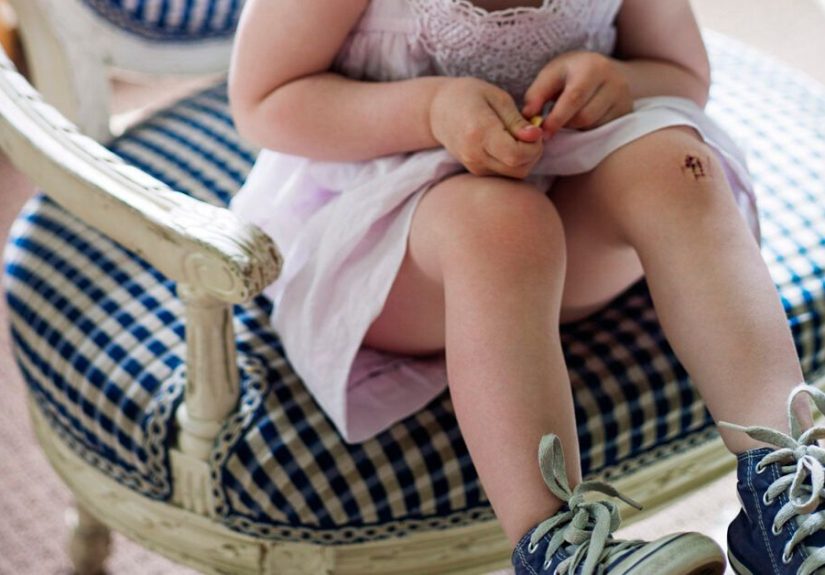
Children are professional collectors of scrapes, bites, and mystery crusts. A yellow scab on a child may come from a playground scrape, picked mosquito bite, eczema flare, or impetigo. Because children scratch, touch, and share everything from toys to germs, infections can spread quickly.
If a child has honey-colored crusts around the mouth or nose, multiple sores, fever, spreading redness, or a wound that looks infected, contact a pediatrician. Do not use leftover antibiotics or adult prescription creams unless the child’s healthcare provider recommends them.
Yellow Scab on the Face
A yellow scab on the face deserves extra care because facial skin is sensitive and visible. It may come from acne, a cold sore, impetigo, dermatitis, or a scratched bump. Avoid picking, exfoliating, or covering the area with heavy makeup while it is open or crusted.
Seek medical advice if the scab is near the eye, spreading quickly, painful, swollen, or accompanied by fever. Infections on the face should not be ignored, especially if redness moves toward the eye area.
Yellow Scab After Surgery
Some light drainage after surgery may be expected, but thick yellow pus, increasing pain, warmth, swelling, bad odor, fever, or redness around an incision can signal infection. Follow the surgeon’s wound care instructions carefully. If the incision opens, drains pus, or suddenly looks worse, contact the surgical team promptly.
Practical Experiences: What People Often Notice With Yellow Scabs
In everyday life, yellow scabs tend to create confusion because they sit right on the border between “probably normal” and “hmm, that looks dramatic.” Many people first notice one after a small scrape from shaving, a kitchen nick, a pet scratch, or a bug bite that turned into a scratching marathon. The scab may look yellow in the morning after fluid dries overnight, then seem less noticeable after gentle washing. In that kind of situation, the most reassuring pattern is improvement: less pain, less redness, and a scab that becomes smaller and drier each day.
Another common experience is the “popped pimple regret.” Someone squeezes a blemish, it bleeds a little, and by the next day there is a yellow-brown crust. The best recovery plan is boring but effective: clean gently, apply a small amount of petroleum jelly, avoid makeup directly on open skin, and stop touching it. The hardest part is leaving it alone. Unfortunately, repeated picking can restart the healing process over and over, like forcing your skin to rewatch the same bad movie.
Parents often describe yellow crusts differently. They may say a child has “sticky yellow stuff” around the nose or mouth, especially after a cold, runny nose, or lots of wiping. If the crust looks honey-colored, spreads, or appears with red sores, impetigo becomes a possibility. This is especially important in daycare, school, sports teams, and shared households because impetigo can move from one child to another quickly. In that case, home care alone may not be enough.
People with eczema may notice yellow crusting after a flare gets scratched open. The skin may already be dry, itchy, and inflamed, so it can be hard to tell whether the yellow color is dried fluid or infection. A useful clue is change. If the area suddenly becomes more painful, wet, swollen, or crusted than usual, it is time to ask a clinician. Eczema skin has a weaker barrier, which means bacteria have an easier doorway.
Another real-world pattern happens with wounds under bandages. A person removes a bandage and sees yellow material on the dressing. That does not always mean infection. A small amount of pale yellow, watery fluid can be normal. But thick, creamy, cloudy, foul-smelling drainage is different. If the bandage is soaked repeatedly, the wound is getting redder, or pain is increasing, medical advice is the safer path.
The biggest lesson from these common experiences is simple: watch the trend. A normal yellow scab should move toward healing. An infected or concerning yellow scab usually moves toward more pain, more swelling, more heat, more drainage, or more spread. Skin healing is not always beautiful, but it should be heading in the right direction.
Conclusion
A yellow scab is not automatically bad news. In many cases, it is simply dried healing fluid from a minor cut, scrape, bite, or pimple. If the area is small, improving, and not very painful, gentle cleaning, petroleum jelly, and a clean bandage may be enough.
However, yellow crusting can also be a sign of infection, especially when it looks honey-colored, spreads, leaks pus, smells bad, feels hot, or comes with swelling, fever, or worsening pain. Impetigo, infected wounds, eczema flares, folliculitis, and abscesses can all create yellow scabs that need medical treatment.
The golden rule is this: if the scab is quietly healing, support it. If it is getting louder, angrier, smellier, or more painful, let a healthcare professional take over. Your skin is excellent at repair, but sometimes it needs backup.
Medical note: This article is for informational purposes only and does not replace professional medical advice, diagnosis, or treatment. If a wound is worsening, spreading, painful, draining pus, or associated with fever, contact a licensed healthcare professional.