Table of Contents >> Show >> Hide
- How to Keep a Casserole Low-Calorie (Without Making It Sad)
- 1) Creamy Chicken, Broccoli & Whole-Wheat Pasta Bake
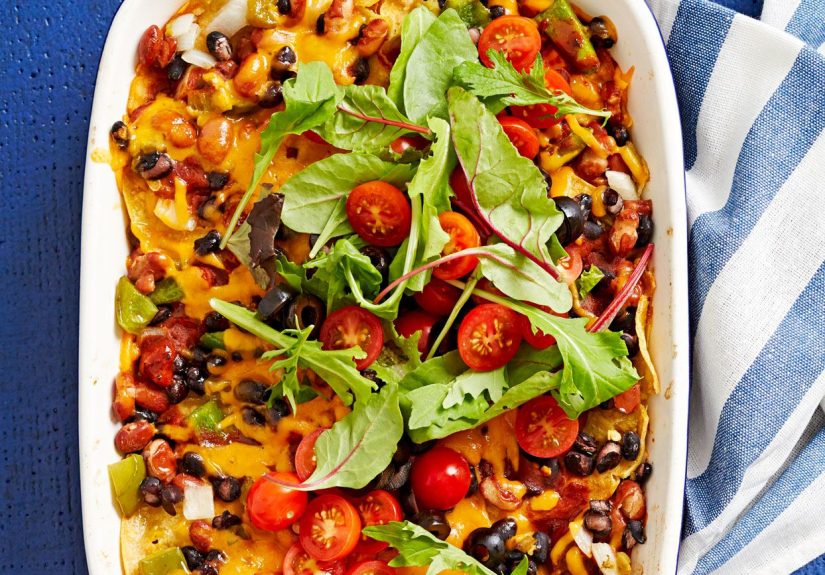
- 2) Turkey Zucchini Enchilada Casserole
- 3) Unstuffed Pepper Casserole (Brown Rice + Lean Beef or Turkey)
- 4) Spaghetti Squash “Chicken Alfredo-ish” Casserole
- 5) Portobello Penne & Veggie Marinara Bake
- 6) Squash & Kale “Gratin” with Just-Enough Cheese
- 7) Light Green Bean Casserole with Homemade Mushroom Sauce
- 8) Mediterranean Chickpea, Spinach & Orzo Tomato Bake
- 9) Four-Layer Veggie-Potato “Shepherd-ish” Bake
- 10) Spinach, Tomato & Feta Breakfast Casserole (That Works for Dinner)
- Simple Serving Ideas (So Your Casserole Feels Like a Full Meal)
- Conclusion
- Extra: 10 Healthy Low-Calorie Casserole Experiences & Lessons (Approx. )
Casseroles have a reputation. You know the one: a beige, bubbling, cheese-blanketed situation that tastes like a hug… and hits your calorie budget like a surprise group text. The good news? Comfort food doesn’t have to come with a side of “welp, guess I’m wearing sweatpants forever.”
This guide delivers 10 healthy casserole recipes that keep calories in check without sacrificing that cozy, scoopable goodness we all came for. Expect smart swaps, big flavor, and enough variety to make your baking dish feel like it has a social life.
How to Keep a Casserole Low-Calorie (Without Making It Sad)
The secret to a lighter casserole isn’t “remove all joy.” It’s balance: more volume from vegetables, satisfying protein, and just enough of the rich stuff to make your brain go, “Ahhh, yes. This is dinner.”
- Use lean protein (chicken breast, turkey, beans, or lentils) to stay full longer.
- Build bulk with vegetables (broccoli, zucchini, peppers, spinach, cauliflower, mushrooms).
- Choose smart starches like spaghetti squash, cauliflower rice, or whole grains (brown rice, whole-wheat pasta).
- Lighten creamy sauces with Greek yogurt, low-fat milk, puréed veggies, or a modest amount of cheese.
- Measure the “extras”: cheese, oil, and crunchy toppings taste amazingjust don’t freestyle them.
Calorie note: The calorie estimates below are typical ranges for a moderate portion (about 1/6 to 1/8 of a 9×13 pan). Exact numbers depend on brands, portions, and add-ons. If you track calories, plug your ingredients into your preferred nutrition calculator for precision.
1) Creamy Chicken, Broccoli & Whole-Wheat Pasta Bake
If “comfort classic” had a gym membership, this would be it: creamy, cheesy vibes with more fiber and less heaviness.
Why it stays light
- Whole-wheat pasta boosts fiber (helps fullness).
- Greek yogurt + a smaller amount of cream cheese keeps it creamy without going full dairy avalanche.
- Broccoli adds volume for minimal calories.
What you’ll need
Cooked whole-wheat rotini, diced cooked chicken breast, broccoli florets, corn (optional), garlic, Italian seasoning, plain Greek yogurt, a little cream cheese (or reduced-fat), shredded part-skim mozzarella, salt/pepper.
Quick steps
- Mix cooked pasta, chicken, broccoli, seasonings, yogurt, and softened cream cheese.
- Fold in half the mozzarella; spread into a baking dish.
- Top with remaining mozzarella; bake at 350°F until hot and bubbly (15–25 minutes).
Estimated calories: ~320–420 per serving.
2) Turkey Zucchini Enchilada Casserole
All the enchilada comfort, less of the tortilla pileup. Zucchini slices do the “layer” job like overachieving interns.
Why it stays light
- Lean ground turkey keeps protein high and fat lower.
- Zucchini replaces some (or all) tortillas for major calorie savings.
- Big flavor from enchilada sauce, spices, and a measured cheese sprinkle.
What you’ll need
Lean ground turkey, zucchini (thin sliced), red onion, enchilada sauce, canned black beans (rinsed), diced green chiles, cumin, chili powder, a small amount of shredded cheddar or Mexican blend, cilantro (optional).
Quick steps
- Brown turkey with onion and spices; stir in beans and a little sauce.
- Layer zucchini + turkey mixture + sauce; repeat.
- Top with a light cheese layer; bake at 375°F until zucchini is tender (25–35 minutes).
Estimated calories: ~280–380 per serving.
3) Unstuffed Pepper Casserole (Brown Rice + Lean Beef or Turkey)
Stuffed peppers are delicious… but also time-consuming little edible bowls. This version is the same idea, minus the pepper-surgery.
Why it stays light
- Lots of peppers + tomato sauce create big volume.
- Brown rice and lean protein make it satisfying without needing a cheese blanket.
- Easy portioning (your future self says thank you).
What you’ll need
Lean ground beef (or turkey), diced bell peppers (mix colors), onion, garlic, marinara or tomato sauce, cooked brown rice, Italian seasoning, shredded reduced-fat cheddar (optional but nice).
Quick steps
- Sauté onion/garlic, brown the meat, then add peppers until slightly softened.
- Stir in sauce and cooked rice; simmer 5 minutes.
- Pour into dish, top with a measured amount of cheese (optional), bake at 350°F for 15–20 minutes.
Estimated calories: ~290–360 per serving.
4) Spaghetti Squash “Chicken Alfredo-ish” Casserole
The vibe is Alfredo. The calorie situation is… not Alfredo. Spaghetti squash brings saucy comfort without the pasta calorie density.
Why it stays light
- Spaghetti squash is a high-volume, lower-calorie base.
- Greek yogurt + Parmesan = creamy, tangy, and portion-friendly.
- Chicken adds protein so you don’t snack an hour later “for mysterious reasons.”
What you’ll need
Cooked spaghetti squash strands, shredded rotisserie chicken (skin removed), spinach, garlic, plain Greek yogurt, Parmesan, a splash of low-fat milk, black pepper, optional mozzarella for topping.
Quick steps
- Mix squash, chicken, spinach, yogurt, Parmesan, garlic, and a splash of milk.
- Spoon into baking dish; top with a light mozzarella sprinkle if desired.
- Bake at 375°F until hot and lightly browned (20–25 minutes).
Estimated calories: ~260–340 per serving.
5) Portobello Penne & Veggie Marinara Bake
Pasta bake energy, but with mushrooms doing the heavy lifting (and they don’t even complain about it).
Why it stays light
- Portobello mushrooms add “meaty” texture with fewer calories.
- Whole-wheat (or chickpea) pasta improves fiber/protein.
- Marinara-based sauce beats heavy cream sauces for calorie control.
What you’ll need
Whole-wheat penne, sliced portobello mushrooms, spinach, marinara, Italian herbs, onion, garlic, part-skim mozzarella, optional ricotta or cottage cheese (small amount).
Quick steps
- Sauté mushrooms, onion, and garlic until browned; stir in marinara and spinach.
- Toss with cooked pasta; fold in a small amount of ricotta/cottage cheese if using.
- Top with mozzarella; bake at 375°F for 15–20 minutes.
Estimated calories: ~330–430 per serving.
6) Squash & Kale “Gratin” with Just-Enough Cheese
This is how you do “cozy” when your goal is “light”: flavor-forward cheese used like seasoning, not like insulation.
Why it stays light
- Veggies (squash + kale) are the bulk of the dish.
- Strong cheeses (Parmesan/Swiss) deliver punch in smaller amounts.
- A thin, light sauce beats condensed soup for sodium and calorie control.
What you’ll need
Thin-sliced yellow squash or zucchini, chopped kale, onion, garlic, low-fat milk, a little flour (or cornstarch), Parmesan, Swiss (small amount), Dijon mustard (optional), black pepper.
Quick steps
- Wilt kale with onion and garlic; layer with squash in a baking dish.
- Make a quick light sauce: whisk milk + thickener on the stove until slightly creamy; season well.
- Pour sauce over layers, top with measured cheese; bake at 375°F for 25–35 minutes.
Estimated calories: ~180–280 per serving (as a main with added beans/chicken) or ~120–200 as a side.
7) Light Green Bean Casserole with Homemade Mushroom Sauce
The holiday classic goes on a wellness retreat: less sodium, fewer mystery ingredients, same “I want seconds” effect.
Why it stays light
- Homemade sauce lets you control fat and salt.
- Mushrooms add savory depth (umami) without lots of calories.
- Baked crunchy topping beats deep-fried onions.
What you’ll need
Green beans (fresh or frozen), sliced mushrooms, onion, garlic, low-fat milk, a bit of flour, black pepper, a small amount of Parmesan, whole-wheat panko (or crushed whole-grain crackers), cooking spray.
Quick steps
- Sauté mushrooms/onion/garlic; whisk in flour, then milk to form a light sauce.
- Mix sauce with green beans; bake at 350°F for 15 minutes.
- Top with toasted panko (sprayed with cooking spray) and Parmesan; bake 8–10 minutes more.
Estimated calories: ~120–190 per serving (side) or ~250–320 if you add chicken/beans for a main.
8) Mediterranean Chickpea, Spinach & Orzo Tomato Bake
This one tastes like a sunny vacation and meal-preps like a responsible adult. Both can be true.
Why it stays light
- Chickpeas add fiber and plant protein for staying power.
- Tomatoes create sauce naturallyno heavy cream required.
- A modest feta/mozarella sprinkle brings big flavor with fewer calories.
What you’ll need
Whole-wheat or regular orzo (cooked), canned chickpeas (rinsed), cherry tomatoes, baby spinach, garlic, lemon zest, oregano, a small amount of crumbled feta, optional artichoke hearts.
Quick steps
- Roast tomatoes with garlic and oregano until bursty; mash slightly to make sauce.
- Fold in orzo, chickpeas, spinach, lemon zest, and a little feta.
- Bake at 375°F for 10–15 minutes until hot; finish with lemon juice.
Estimated calories: ~280–380 per serving.
9) Four-Layer Veggie-Potato “Shepherd-ish” Bake
This is the casserole equivalent of wearing a blazer with sneakers: classic structure, modern practicality.
Why it stays light
- Potatoes are sliced (not mashed with butter), keeping calories lower.
- Lean meat + mixed vegetables keeps the plate balanced.
- Small amount of low-fat cheese adds comfort without overdoing it.
What you’ll need
Lean ground beef (90%+) or turkey, potatoes (thin sliced, skins on), frozen mixed vegetables, low-fat shredded cheese, 1% milk, garlic powder, pepper, smoked paprika (optional).
Quick steps
- Brown meat, drain well (or blot) to remove extra fat.
- Layer potatoes, vegetables, meat, and cheese in a casserole dish.
- Pour milk over top, cover, bake at 350°F until potatoes are tender (45–60 minutes).
Estimated calories: ~300–420 per serving.
10) Spinach, Tomato & Feta Breakfast Casserole (That Works for Dinner)
Eggs are basically edible multitaskers. This bake is high-protein, veggie-packed, and totally acceptable at 7 p.m. (Breakfast foods have no curfew.)
Why it stays light
- Eggs + egg whites keep protein up while trimming calories.
- Veggies add volume and micronutrients.
- Feta is salty and boldso you can use less.
What you’ll need
Eggs, egg whites, spinach, diced tomatoes, onion, feta, a splash of low-fat milk, oregano, black pepper, optional turkey sausage (small amount).
Quick steps
- Whisk eggs/whites with milk and seasoning; fold in veggies and feta.
- Pour into a greased baking dish; bake at 350°F until set (25–35 minutes).
- Cool 10 minutes, slice, and enjoy now or meal-prep for later.
Estimated calories: ~220–320 per serving.
Simple Serving Ideas (So Your Casserole Feels Like a Full Meal)
- Add a big salad with a light vinaigrette to increase volume and crunch.
- Roast a tray of vegetables while the casserole bakeseasy, hands-off, and colorful.
- Go sauce-light: salsa, hot sauce, lemon juice, and fresh herbs add flavor without many calories.
- Portion first: cut the pan into equal squares and store extras immediately (future-you will be thrilled).
Conclusion
Low-calorie casseroles aren’t about deprivationthey’re about smarter building blocks. When veggies do the heavy lifting, protein shows up on time, and cheese is treated like a finishing move (not a personality trait), you get comfort food that fits your goals and still tastes like the kind of dinner you’d text a friend about.
Pick one recipe to try this week, make the portioning easy, and don’t be afraid to remix leftovers. The best casserole is the one that makes tomorrow’s lunch feel like a tiny life upgrade.
Extra: 10 Healthy Low-Calorie Casserole Experiences & Lessons (Approx. )
Here’s the funny thing about “healthy casseroles”: the first time you make one, you’ll be tempted to treat it like a diet assignment. You’ll cut everything “bad,” remove all fat, skip cheese entirely, and then wonder why your dinner tastes like warm permission to order takeout. The best low-calorie casseroles don’t work that way. They’re not built on restriction; they’re built on strategy.
The biggest “aha” most cooks have is realizing that volume is your best friend. A casserole dish is basically a stage for big, satisfying portionsso let vegetables be the star. Broccoli, peppers, mushrooms, zucchini, spinach, cauliflower, and green beans aren’t just “healthy add-ins.” They create height, texture, and variety, so you can serve a generous square and still keep calories reasonable. When you nail that, the meal feels abundant instead of “careful.”
The next lesson: creamy doesn’t have to mean heavy. People often think the only path to comfort is condensed soup or a pint of cream. In practice, thickness is the real goal, not fat. Greek yogurt, blended cottage cheese, puréed cauliflower, or a quick milk-and-flour sauce can give you the texture you want. Then you use real cheese in a smaller amountbecause a little Parmesan or feta can taste louder than a mountain of mild shredded cheese. (Flavor math is real. Delicious science.)
Meal prep is where casseroles become legendary. But there’s a learning curve: some casseroles get watery after storage. The fix is usually simple. Salt watery veggies (zucchini, mushrooms, spinach) and let them drain before mixing in. Slightly undercook pasta and grains before baking so they don’t turn into mush by day three. And if you’re freezing, label the container with “bake covered, then uncover” so you don’t accidentally create a crispy-top masterpiece that is also dry enough to be used as a building material.
Another very real experience: portion creep. Casseroles are easy to “just scoop.” If you’re keeping calories low, pre-slice the pan into equal squares once it cools. It feels oddly professional, like you’re running a very cozy restaurant out of your kitchen. Plus, you’ll know exactly how many servings you have, which makes planning lunches and dinners dramatically easier.
Finally, remember that a healthy casserole should still feel like comfort food. Add brightness: lemon zest, fresh herbs, vinegar, salsa, or pickled jalapeños. Add crunch: toasted panko, crushed whole-grain crackers, or chopped almondsmeasured, not dumped like you’re feeding a backyard squirrel convention. When you combine volume, protein, smart creaminess, and a little “wow” factor, you get casseroles that are genuinely satisfyinglow on calories, high on “I can do this again tomorrow.”