Table of Contents >> Show >> Hide
- What Are Pre-Assembled Votive Wicks?
- Why Candle Makers Buy a Pack of 100
- Why Wick Choice Matters More Than Most People Expect
- Common Wick Types You May See in Pre-Assembled Votive Wick Packs
- How to Choose the Right Pre-Assembled Votive Wick
- Best Uses for (100) Pre-Assembled Votive Wicks
- Pros of Buying a 100-Pack
- Potential Drawbacks to Keep in Mind
- Simple Tips for Better Results
- Safety Basics That Still Matter
- Who Should Buy (100) Pre-Assembled Votive Wicks?
- Experiences and Practical Observations From Using (100) Pre-Assembled Votive Wicks
- Conclusion
If you have ever made candles and thought, “Why am I wrestling with string, wax, and tiny metal tabs like I’m auditioning for a crafting survival show?” then (100) Pre-Assembled Votive Wicks may be your new favorite supply. They are one of those humble little candle-making essentials that do not look glamorous in the package, but they do a lot of heavy lifting once the wax starts flowing.
For beginners, a pack of 100 pre-assembled votive wicks feels like a shortcut to sanity. For experienced chandlers, it is more like a productivity upgrade. Either way, these ready-to-use wicks help simplify setup, reduce prep time, and make small-batch or medium-batch candle production much smoother. In plain English: less fiddling, more pouring.
This guide takes a close look at what pre-assembled votive wicks are, how they work, why wick choice matters so much, and what shoppers should know before buying a pack of 100. We will also cover wick sizing, common materials, compatibility with different waxes, safety basics, and real-world experiences from candle makers who have learned the hard way that the wick is not a side character. In candle making, the wick is the plot.
What Are Pre-Assembled Votive Wicks?
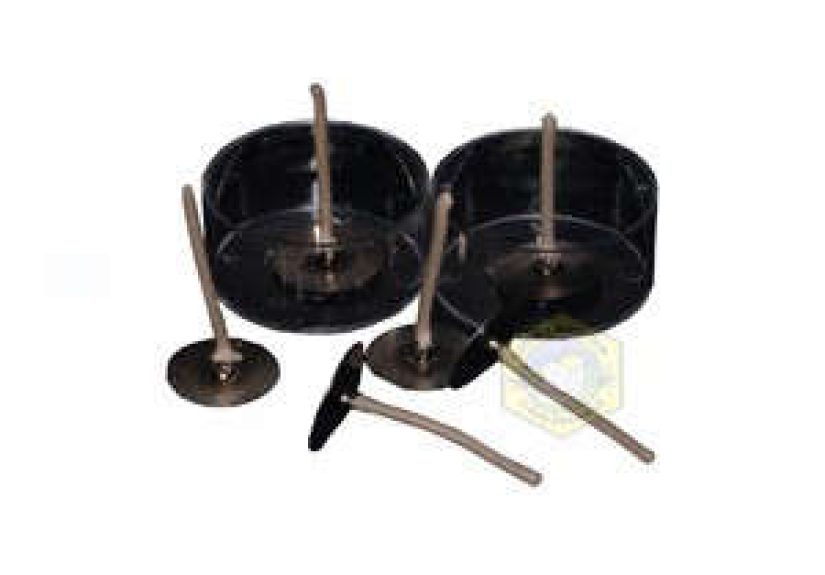
Pre-assembled votive wicks are candle wicks that come pre-cut, primed, and attached to a metal tab. That means you do not have to cut wick from a spool, coat it yourself, or crimp it into a wick sustainer by hand. It arrives ready to place into your mold or container. For a product sold as (100) Pre-Assembled Votive Wicks, the main attraction is convenience: you open the bag, grab a wick, center it, and keep moving.
Depending on the supplier, these wicks may be made from braided cotton, cotton with a paper filament, or a metal-core design such as zinc or tin. Some are marketed specifically for votives, while others can also work in tealights, pillars, or small containers. The most common idea is the same across brands: these wicks are meant to stay upright, burn steadily, and save time during candle assembly.
That pre-assembled design matters more than people think. It reduces inconsistency between candles, helps streamline production, and makes it easier to repeat the same process across multiple batches. If you are making 12 candles, that is nice. If you are making 60, it is practically therapy.
Why Candle Makers Buy a Pack of 100
1. Batch efficiency
A pack of 100 is ideal for hobbyists who make candles regularly and small businesses that need dependable supplies on hand. Buying in bulk usually costs less per wick than buying tiny packs, and it saves you from the classic candle-making emergency of realizing you have plenty of wax but exactly three usable wicks.
2. Consistency from candle to candle
Because the wicks are pre-cut and pre-tabbed, they tend to be more uniform than hand-prepared wicks. That does not guarantee every candle will burn perfectly, but it helps reduce one variable. And in candle making, reducing variables is half the battle and at least 90% of the muttering.
3. Faster prep time
If you have ever tried to tab your own wick, you already know it can be done. You also know it can become a tiny metal-finger acrobatics routine. Pre-assembled votive wicks cut that whole step out of the process, making them especially helpful for beginners.
Why Wick Choice Matters More Than Most People Expect
Here is the truth that every candle-maker learns sooner or later: wax gets the spotlight, fragrance gets the compliments, but the wick decides whether the candle behaves. A poorly matched wick can create tunneling, weak scent throw, excess soot, mushrooming, or a flame that looks like it is trying to send a distress signal to space.
The right wick helps produce a flame that is stable, not too large, and capable of creating an appropriate melt pool. The wrong wick can burn too hot, too cool, or too unevenly. That is why reputable candle-making suppliers repeatedly stress wick testing instead of blind guessing. Wick performance depends on more than candle diameter. Wax type, additives, fragrance load, dye, vessel shape, and even room conditions can change the outcome.
So yes, (100) Pre-Assembled Votive Wicks can be a smart buy, but only if the wick style is a good match for your candle formula and size. Think of it less as “a wick” and more as “part of a system.” Your wax and wick are coworkers. If they hate each other, the candle will let everyone know.
Common Wick Types You May See in Pre-Assembled Votive Wick Packs
Cotton wicks
Plain braided cotton wicks are common because they are versatile, simple, and familiar to many makers. Some are designed to curl slightly during burning, which can help create a self-trimming effect and reduce carbon buildup.
Paper-core or paper-filament wicks
These often offer extra stiffness and are frequently used for container candles and certain natural wax blends. Some candle makers like them because they can support a steadier burn in formulas where a softer wick might struggle.
Zinc-core wicks
Zinc-core wicks are popular for candles where keeping the wick upright matters, including some votives and small containers. They are valued for rigidity and stability in melted wax. Modern reputable zinc-core options are lead free, which is an important distinction shoppers still check for.
Tin-core wicks
Tin-core wicks also provide stiffness. In some candle formats, a stiffer wick is useful because votive candles and containers can produce a full liquid wax pool as they burn, and the wick needs to stay centered and upright.
How to Choose the Right Pre-Assembled Votive Wick
Match the wick to the wax
Beeswax, soy wax, paraffin, and blended waxes do not all behave the same way. A wick that performs well in paraffin may underperform in soy. A wick that behaves nicely in unscented wax may need a different size when fragrance oil and dye are added. The phrase “one wick fits all” belongs in fantasy novels, not candle labs.
Know your candle diameter
Diameter is one of the biggest factors in wick selection. A small votive needs a different wick than a wider pillar or jar. Even within the votive category, slight size differences can change what works best. Some suppliers describe certain pre-assembled votive wicks as ideal for candles under about 3 inches wide, while larger formats may need a heavier wick.
Consider the wick tab and length
Many pre-tabbed wicks use a metal sustainer tab around 20 mm in diameter, though dimensions vary by wick line. Length also varies. Some votive-specific wicks are around 2.5 inches, while others are sold in 6-inch lengths for containers or flexible applications. That is why reading the product description matters. A wick labeled “votive” is not always identical across suppliers.
Do a burn test
No matter how promising the product sounds, test burn a few candles before committing to a full batch. Watch flame height, melt pool, soot, mushrooming, and how cleanly the candle burns over time. This is the least glamorous part of candle making, but it is the part that keeps your finished product from becoming a waxy science project.
Best Uses for (100) Pre-Assembled Votive Wicks
A 100-count pack makes sense for several kinds of makers:
Beginner hobbyists
If you are just learning, pre-assembled wicks remove one of the more annoying prep steps. That lets you focus on wax temperature, fragrance blending, pouring, and cure time instead of playing tiny-metal-engineer.
Beeswax crafters
Many beekeeping and beeswax suppliers sell pre-assembled votive wicks because they pair well with small molded beeswax candles. For beeswax users, these wicks can be a convenient starting point, though testing is still important since beeswax burns differently from soy or paraffin.
Gift and seasonal makers
If you make candles for holidays, markets, party favors, or wedding gifts, buying 100 wicks at once is practical. It keeps production flowing without constant reordering.
Small-batch sellers
For Etsy shops, craft fair vendors, and local gift makers, a 100-pack hits a nice middle ground. It is enough inventory to support repeat production without moving into giant wholesale quantities.
Pros of Buying a 100-Pack
- Convenience: Ready to use right out of the package.
- Time savings: No cutting, priming, or tabbing needed.
- Better workflow: Especially useful when making candles in batches.
- More consistent prep: Uniform length and tabbing can improve repeatability.
- Good value: Bulk packs often lower the cost per wick.
- Beginner-friendly: Easier to handle than raw wick on a spool.
Potential Drawbacks to Keep in Mind
- Not universally compatible: One pre-assembled wick may not work across every wax and fragrance combination.
- Less flexibility: If the wick is pre-cut, you cannot customize the length as freely as spool wick.
- Product descriptions can vary: “Votive wick” may mean different sizes or materials from one seller to another.
- Testing is still necessary: Convenience does not replace proper burn testing.
Simple Tips for Better Results
Keep the wick centered
Even a great wick will misbehave if it is placed off-center. In a votive, centered placement helps encourage an even melt pool and more symmetrical burn.
Trim before burning
Before lighting a finished candle, trim the wick to about 1/4 inch unless the product instructions say otherwise. This helps control flame height and can reduce soot.
Keep debris out of the wax pool
Little scraps of wick, matches, or dust in the melt pool are not decorative. They can interfere with a clean burn and create unnecessary smoke or flare-ups.
Avoid drafts
Fans, vents, and open windows can cause uneven burning, flickering, and soot. A drafty room can make a well-made candle look poorly wicked when the real problem is the air flow staging a rebellion.
Safety Basics That Still Matter
Even though this article is focused on supplies, candle safety deserves a quick spotlight. Always burn candles on a stable, heat-resistant surface. Keep them away from curtains, paper, and anything flammable. Do not leave a burning candle unattended, and keep candles away from children and pets. The wick may be tiny, but it is still attached to fire, and fire remains impressively committed to being fire.
Also remember that proper wick trimming is not a fussy little ritual invented by candle snobs. It is one of the simplest ways to support a cleaner, steadier burn. A wick that is too long can create a flame that is too large, and that can lead to excess soot or overheating.
Who Should Buy (100) Pre-Assembled Votive Wicks?
You should consider buying (100) Pre-Assembled Votive Wicks if you want an efficient, beginner-friendly, and reasonably economical candle-making supply for small candles or repeated batches. They are especially appealing if you make votives regularly, work with beeswax or paraffin molds, or simply want to avoid preparing your own wick assemblies from scratch.
They may be less ideal if you are experimenting with many unusual vessel shapes, very specific wick families, or custom lengths that require more flexibility. In that case, spool wick and separate tabs may give you more control.
Still, for the average maker, pre-assembled votive wicks are one of those practical supplies that quietly make the entire process better. They are not flashy. They do not smell like vanilla bean. They will never be the star of your product photos. But they can save time, improve consistency, and help your candle projects feel much less chaotic.
Experiences and Practical Observations From Using (100) Pre-Assembled Votive Wicks
One of the most common experiences candle makers report with (100) Pre-Assembled Votive Wicks is simple relief. Not joy in the dramatic sense. More like the deep satisfaction of realizing you do not need to spend your evening cutting wick lengths on the kitchen table while trying not to lose tiny tabs to the floor. For beginners, these wicks make the whole craft feel more approachable. There is less setup, less guesswork in assembly, and fewer steps where things can go sideways before the wax even enters the picture.
Another frequently shared experience is that pre-assembled wicks help create a more organized pouring session. When everything is laid out ahead of time and each wick is already primed and tabbed, the process moves faster and feels cleaner. Makers who do weekend batches often say that this matters more than they expected. Instead of stopping to build each wick assembly one by one, they can focus on temperatures, fragrance blending, and timing. That change alone can turn candle making from “tiny household chaos” into “surprisingly peaceful hobby.”
For beeswax users, experiences tend to be especially interesting. Many small apiary and beekeeping suppliers recommend pre-assembled votive wicks for molded beeswax candles because they are convenient and generally dependable as a starting point. Still, experienced makers often say that beeswax can be picky. A wick that behaves beautifully in one beeswax batch may burn slightly differently in another depending on filtration, additives, mold size, and room temperature. In other words, the wick may be ready to go, but your testing notebook should be ready too.
Makers working with soy wax often describe a different learning curve. Some find that a wick sold as a votive wick performs nicely in unscented wax, but once fragrance oil and dye are added, the burn changes. That is why people who have made candles for a while tend to say the same thing over and over: wick recommendations are a starting point, not a prophecy. It is not the most thrilling advice in the world, but it is true. Candle making is part craft, part chemistry, and part “let me test one more batch just to be sure.”
Many small sellers also appreciate the way a 100-pack supports repeat production. If you make party favors, holiday gifts, or market stock, it is reassuring to know you have enough matching wicks for the next round. That consistency can make production feel more professional. It also prevents the annoying situation where one candle line uses three different wick styles simply because that is what happened to be in the supply drawer at the time. Candle makers know that drawer. It is usually full of ambition and mystery.
There is also a practical emotional benefit: fewer tiny prep tasks mean more energy for the fun parts. Blending scents is fun. Choosing wax colors is fun. Naming your candles things like “Midnight Orchard” or “Campfire Cardigan” is obviously fun. Spending thirty minutes attaching wick tabs by hand? Less fun. Pre-assembled votive wicks do not make the art of candle making effortless, but they remove enough friction to make the experience smoother and more enjoyable.
The bottom line from real-world use is clear. A pack of (100) Pre-Assembled Votive Wicks is not magic, and it does not eliminate the need for testing. But it does make candle making more efficient, more consistent, and a lot less fussy. For many makers, that is more than enough reason to keep a bag in the supply stash at all times.
Conclusion
(100) Pre-Assembled Votive Wicks are a smart, practical choice for candle makers who want convenience without giving up control. They simplify prep, support consistency, and work especially well for batch production, beginner projects, and many small votive-style candles. The key is choosing the right wick family for your wax and candle size, then confirming performance with a proper burn test. Do that, and these little ready-made wicks can become one of the most useful supplies in your candle-making routine.