Table of Contents >> Show >> Hide
- Quick snapshot: What week 25 often looks like
- Baby development at 25 weeks
- Hormones at 25 weeks: what’s surging, what it does, and why you feel it
- Common 25 weeks pregnant symptoms (and what can actually help)
- Week 25 prenatal checklist: tests, shots, and questions to bring
- Nutrition and lifestyle tips for 25 weeks pregnant
- When to call your healthcare provider right away
- Looking ahead: what’s coming in the next few weeks
- Experiences at 25 weeks: what this stage can feel like (about )
- SEO Tags
Welcome to 25 weeks pregnantthat sweet spot where your bump is officially a “before-you-speak-I-already-know” announcement,
your baby has opinions about loud noises, and your bladder has started sending very frequent status updates.
You’re in the later part of the second trimester (and heading toward the third), which often means
more movement, more heartburn, more stretchingand also more exciting milestones for your baby.
This guide breaks down what’s happening this week: common 25 weeks pregnant symptoms, the hormone shifts behind them,
and the coolest parts of baby development at 25 weeks. Along the way, you’ll get practical comfort tips,
a “what to ask at your next appointment” checklist, and a clear list of warning signs you should never ignore.
Quick snapshot: What week 25 often looks like
- Baby size: Many week-by-week references put baby around the 1.5 lb range and roughly 13–14 inches long (give or takegrowth varies!).
- Big baby upgrades: More body fat, more brain wiring, and stronger responses to sound and familiar voices.
- Big you upgrades: A growing uterus changes posture, digestion, sleep, and circulationhello, backaches and heartburn.
- Common appointments: Many people do gestational diabetes screening somewhere between weeks 24–28.
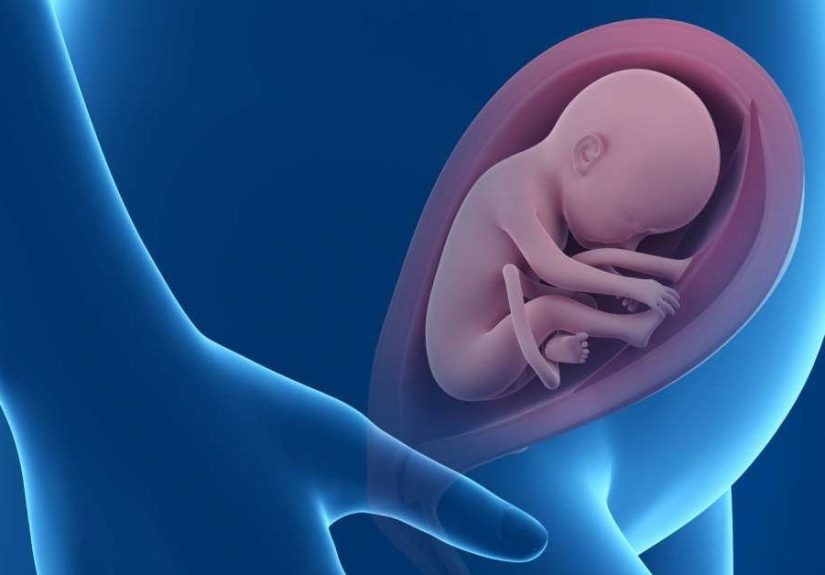
Baby development at 25 weeks
Your baby is busy “leveling up” multiple systems at once. It’s less like a calm art project and more like a full renovation
except the contractor is a fetus and the blueprint is your DNA.
1) Brain and nerves: faster connections, better control
One of the biggest themes around week 25 is nervous system growthmore connections, more coordination,
and more purposeful movement. You may notice kicks that feel less like random popcorn and more like
“excuse me, I’d like to redecorate this ribcage.”
2) Baby is adding body fat (aka: the “less wrinkly” era begins)
Your baby is building fat stores that help with temperature regulation after birth.
As fat increases, skin often looks less wrinkled and more filled out. This is one reason many guides say baby looks
less “tiny alien” and more “tiny human in progress.”
3) Lungs are developingand surfactant production is starting
Lungs are still maturing, but an important milestone is underway: surfactant (a substance that helps air sacs stay open)
begins appearing around this stage of pregnancy. It’s not “fully ready for prime time,” but it’s a meaningful step in lung development.
4) Senses: baby can react to sound (especially familiar voices)
Many parents love this part: by about this week, babies may move in response to familiar soundslike your voice.
You don’t need to perform a Broadway musical. A calm chat, a bedtime story, or singing in the car counts.
(Your baby has no idea if you’re off-key. That’s future teen behavior.)
5) Sleep cycles are getting more structured
Even before birth, babies have sleep-wake patterns. Around week 25, sources describe babies spending a lot of time asleep,
including periods associated with rapid eye movement (REM)yes, the “dreamy” kind of sleep.
Hormones at 25 weeks: what’s surging, what it does, and why you feel it
Pregnancy hormones aren’t just “mood stuff.” They actively manage your uterus, placenta, metabolism, circulation,
digestion, and joint flexibility. At 25 weeks, your hormones are basically running a major event with no intermission.
Progesterone: the relaxer (sometimes too good at its job)
Progesterone helps maintain pregnancy and supports uterine calm, but it also relaxes smooth musclesincluding parts of your digestive tract.
That’s one reason heartburn and reflux can ramp up: the lower esophageal sphincter may relax more than you’d prefer.
Progesterone can also slow digestion, which may contribute to bloating and constipation.
Estrogen: growth and circulation support
Estrogen supports uterine growth, blood flow, and many body changes that help nourish your baby.
With increased circulation and fluid shifts, some people notice swelling, nasal stuffiness, or changes in skin pigmentation.
Relaxin: helpful for birth later… awkward for your hips now
Relaxin helps loosen ligaments and prepare the body for delivery, but the side effect is that joints may feel less stable.
That can show up as pelvic discomfort, lower back pain, or a wobbly “why do stairs feel personal today?” sensation.
Placental hormones (including hPL): metabolism gets a new manager
The placenta produces hormones that help shift how your body uses energysupporting your baby’s growth.
One result is increased insulin resistance in pregnancy, which is why gestational diabetes screening
commonly happens in the 24–28 week window.
Common 25 weeks pregnant symptoms (and what can actually help)
Not everyone gets every symptom, but week 25 is a classic time for “new sensations unlocked.”
Here are the greatest hitsplus realistic ways to cope.
Heartburn and reflux
If your chest feels like it’s hosting a tiny dragon after meals, you’re not alone. Hormones and pressure from your growing uterus
can make reflux more likely.
- Try smaller meals more often (instead of one heroic plate of food).
- Stay upright for a bit after eating; avoid lying down right away.
- Notice triggers: spicy, greasy, citrus, tomato-heavy meals, chocolate, and coffee are common suspects.
- Ask your clinician what’s safe for you if you need medication support.
Braxton Hicks “practice” contractions
Some people start noticing mild, irregular tighteningoften described as a firm belly for a short time.
They’re commonly triggered by activity, dehydration, or a full bladder.
- Drink water and rest.
- Change positions (sit, stand, or lie on your side).
- If contractions become regular, painful, or don’t easecall your provider.
Back pain, hip aches, and posture fatigue
Your center of gravity has shifted, your abdominal muscles are stretching, and relaxin is loosening things up.
Translation: your back is working overtime.
- Supportive shoes matter more than ever.
- A pregnancy pillow can help align hips and relieve strain at night.
- Try gentle prenatal stretching, walking, or provider-approved strengthening.
Leg cramps
Nighttime leg cramps can pop up in the second half of pregnancy.
Hydration, gentle calf stretching before bed, and discussing minerals/nutrition with your clinician can help.
Swelling (especially ankles and feet)
Mild swelling can be normal as blood volume and fluid retention increase.
Elevate your feet, move regularly, and consider compression socks if your clinician agrees.
Sudden swelling of hands/face or severe swelling should be treated as a warning sign.
Sleep trouble
Between belly size, heartburn, and frequent bathroom trips, sleep can feel like a group project where nobody cooperates.
- Side sleeping is often recommended later in pregnancy; a pillow between knees can help.
- Limit big drinks right before bed (not all fluidsjust the “gallon at midnight” idea).
- Keep a simple wind-down routine: dim lights, stretch, warm shower, calm audio.
Week 25 prenatal checklist: tests, shots, and questions to bring
Gestational diabetes screening (often 24–28 weeks)
Many pregnant people have blood sugar screening in this timeframe.
If you’re offered a glucose screening test, it’s meant to identify gestational diabetes early so you can protect both you and baby.
Plan ahead for Tdap (recommended 27–36 weeks)
Tdap during pregnancy helps protect your baby from pertussis (whooping cough) after birth.
Many guidelines recommend getting it between 27 and 36 weeks, as early in that window as possible.
If you’re Rh-negative
If you have Rh-negative blood, your clinician may discuss antibody screening and an injection (Rh immune globulin)
around 28 weeks to help prevent complications related to Rh incompatibility.
Movement matters
You may be noticing patterns: more active after meals, more kicking when you lie down, or a “dance party” at bedtime.
If you ever feel baby’s movement is slowing or stopping, don’t waitcall your provider.
Nutrition and lifestyle tips for 25 weeks pregnant
You don’t need a perfect dietyou need a sustainable one. Think “steady support” for you and baby:
protein, fiber, iron-rich foods, calcium sources, hydration, and healthy fats.
A simple day example (not a prescriptionjust an idea)
- Breakfast: Greek yogurt + berries + oats (protein + fiber)
- Lunch: Turkey/bean bowl with brown rice, veggies, avocado
- Snack: Apple + peanut butter or hummus + crackers
- Dinner: Salmon or tofu, roasted vegetables, sweet potato
Movement that’s usually pregnancy-friendly
Many people do well with walking, prenatal yoga, swimming, or light strength workbut always follow your clinician’s guidance,
especially if you have complications or restrictions.
When to call your healthcare provider right away
Most pregnancy symptoms are uncomfortablenot dangerous. But some signs deserve urgent attention.
Seek medical care right away if you have symptoms like:
- Severe headache that won’t go away or gets worse
- Vision changes
- Fever (about 100.4°F / 38°C or higher)
- Trouble breathing or chest pain
- Sudden swelling of face or hands
- Severe belly pain
- Bleeding, leaking fluid, or contractions that are regular/painful
- Baby’s movement slowing or stopping
- Any scary thoughts about safetyyours or the baby’sget help immediately
Looking ahead: what’s coming in the next few weeks
As you move toward weeks 26–28, baby continues putting on weight and practicing skills for life outside the womb.
You may notice more fatigue, more belly “tightening,” and more pressure on your pelvis and bladder.
The good news: you’re also getting closer to the home stretch, and each week brings meaningful development.
Experiences at 25 weeks: what this stage can feel like (about )
If pregnancy apps had honest push notifications, week 25 might say: “Your baby is thriving. Your pants are not.”
Many people describe 25 weeks as the time pregnancy becomes less of a secret and more of a lifestyle. You might catch yourself
planning your day around comfortwhere you can sit, what you can snack on, and whether the nearest bathroom is within a
reasonable sprint-waddle radius.
A common experience is realizing that your baby has a schedule… and it may not match yours. Some people swear the baby is quiet
all day and turns into a gymnast the moment they lie down. Others notice patterns: movement after dinner, during a shower,
or when music is playing. It can feel surprisingly emotional the first time you connect the dotslike, “Oh wow, there’s a whole
person in there reacting to life.”
Body changes can also feel more “real” now. You might stand up and think, “Who put a bowling ball in my abdomen?”
Backaches may show up after errands, chores, or sitting too long. Some people become masters of tiny adjustments:
rolling to stand instead of crunching up, placing a pillow behind the lower back, or doing a gentle stretch that instantly makes
the hips feel less cranky. Week 25 is also when supportive gear starts looking less like an optional accessory and more like a
superhero capebelly bands, cushy shoes, and that one pillow you would rescue first in a house fire.
Heartburn stories are legendary at this stage. People often share the same plot: “I ate something normal. My esophagus disagreed.”
You might experiment with smaller meals, earlier dinners, or sitting upright after eating, and it can feel oddly satisfying when you
find the trick that works for you. The experience is basically: trial, error, snack, repeat.
Emotionally, many people describe week 25 as a mix of confidence and “wait, am I ready?” Some days you feel powerfullike your body
is doing something incredible. Other days, you just want to be horizontal with a snack and zero responsibilities. Both are normal.
If you’re younger or navigating pregnancy with extra stress, this week can bring a lot of questions. The most helpful experience
many people report is finding at least one trustworthy support personwhether that’s a clinician, a family member, a mentor, or a
counselorsomeone who can answer questions without judgment and help you feel safe and cared for.
Finally, week 25 is often when bonding gets more tangible. Some people talk to the baby more, play music, or read aloud “just because.”
Others bond through planningsetting up a safe sleep space, making a short checklist, or learning what’s normal vs. urgent.
However you connect, the big takeaway is this: your baby is growing fast, and you’re adapting fast too. Not perfectly. Not effortlessly.
But steadilyand that counts.