Table of Contents >> Show >> Hide
- How RDs choose a “best tea for sleep”
- The 7 best teas for sleep in 2025 (RD-approved picks)
- 1) Chamomile Tea (the “classic bedtime MVP”)
- 2) Lemon Balm Tea (for the “anxious bedtime scroll” crowd)
- 3) Passionflower Tea (for “I can’t fall asleep” nights)
- 4) Lavender Tea (the “aroma does half the work” option)
- 5) Valerian Root Tea (effective for some, controversial for others)
- 6) Magnolia Bark Tea (for stress + sleep support)
- 7) Tart Cherry “Tea” (a cozy way to try a melatonin-containing fruit)
- How to make bedtime tea actually help (RD routine blueprint)
- Safety checklist before you declare a tea your “sleep soulmate”
- What to look for when buying sleep tea in 2025
- FAQ: Quick answers RDs give all the time
- Experience notes: what people often notice after adding bedtime tea
- Conclusion
If your brain treats bedtime like an open-mic nightone more thought! one more worry! one more cringe memory from 2014!you’re not alone.
Registered dietitians (RDs) often suggest something simple before you reach for complicated: build a calming routine you’ll actually do.
And yes, that can include a warm mug of tea (or, technically, an herbal “tisane,” but we’re not here to start a taxonomy fight).
Here’s the RD-friendly truth: sleep teas aren’t magic dust. They’re a combo of (1) gentle botanicals that may support relaxation, and (2) a repeatable ritual
that tells your nervous system, “Hey, we’re powering down now.” In 2025, when everything comes with notifications, your teacup can be the one thing that
politely refuses to ping you back.
How RDs choose a “best tea for sleep”
Different dietitians have different favorites, but the short list of selection rules is surprisingly consistent:
- Caffeine-free (or close to it): Even “small” caffeine can matter if you’re sensitive or if you drink tea late.
- Simple ingredients you recognize: Single-herb teas make it easier to know what’s working (and what isn’t).
- Evidence-informed, not hype-powered: Some herbs have more research behind them than othersand RDs factor that in.
- Safety first: Pregnancy, blood thinners, sedatives, liver conditions, allergiesthese details change the answer.
- Taste matters: The best sleep tea is the one you’ll drink consistently without making a face.
The 7 best teas for sleep in 2025 (RD-approved picks)
Below are seven caffeine-free (or effectively caffeine-free) options RDs commonly recommend. Each one includes what it’s best for, how to brew it, and who
should be cautious.
1) Chamomile Tea (the “classic bedtime MVP”)
Best for: winding down, mild stress, “my body is tired but my mind is doing cartwheels.”
Why RDs recommend it
Chamomile is the bedtime tea people mention even if they’ve never had tea. RDs like it because it’s gentle, widely available, naturally caffeine-free,
and tied to relaxation in both tradition and research. It’s not a knockout punch; it’s a soft nudge toward calm.
How to brew it (so it actually tastes good)
- Use 1 chamomile tea bag or 1–2 teaspoons of dried flowers.
- Steep in hot (not boiling-angry) water for 5–10 minutes.
- Cover your mug while steeping to keep the aromatic oils from escaping like they have somewhere better to be.
RD caution notes
If you’re allergic to ragweed or related plants, chamomile may not be your friend. Also, if you take blood thinners or sedating medications, check with a
clinician before making chamomile a nightly habit.
2) Lemon Balm Tea (for the “anxious bedtime scroll” crowd)
Best for: stress-related restlessness, nervous tension, trouble “turning the volume down.”
Why RDs recommend it
Lemon balm (a mint-family herb) is popular in calming blends because it’s associated with relaxation and mood support. RDs often recommend it when sleep is
being bullied by stress. Many people describe it as “chill, but not sleepy”which is exactly what you want at the start of a wind-down routine.
How to brew it
- Steep 1 bag (or 1–2 teaspoons dried lemon balm) for 5–8 minutes.
- Add a squeeze of lemon only if you love lemon; lemon balm already has a citrusy aroma and doesn’t need backup singers.
RD caution notes
If you have thyroid disease or take thyroid medication, ask your healthcare team before using lemon balm frequently. Also, if you have reflux, very strong
mint-family teas can be a trigger for some peoplestart mild and see how your body votes.
3) Passionflower Tea (for “I can’t fall asleep” nights)
Best for: occasional sleep difficulty, especially when anxiety is in the driver’s seat.
Why RDs recommend it
Passionflower shows up in RD-curated sleep lists because it has a long history of use for calming, plus human research suggesting it may support subjective
sleep quality in some people. Dietitians tend to position it as an “occasional tool” rather than a forever solution.
How to brew it
- Steep 1 tea bag or 1–2 teaspoons dried passionflower for 7–10 minutes.
- Flavor tip: pair it with chamomile in a blend if you want a smoother, more floral taste.
RD caution notes
Avoid combining passionflower with alcohol, sedatives, or sleep medications unless your clinician says it’s okay. If you’re pregnant or breastfeeding, skip
it unless your medical team specifically approves.
4) Lavender Tea (the “aroma does half the work” option)
Best for: bedtime relaxation, tension, and creating an “it’s nighttime now” sensory cue.
Why RDs recommend it
Lavender is famous for calming vibes, and a big part of its charm is sensory: the smell, the warmth, the slow sipping. RDs like lavender tea because it can
anchor a wind-down routine without relying on stimulants or sugar. It’s less about forcing sleep and more about inviting calm.
How to brew it
- Use culinary lavender (not the potpourri-looking stuff).
- Steep lightly: 3–5 minutes is often enough. Too long can taste soapy.
- Blend idea: lavender + chamomile is a popular “soft blanket” combo.
RD caution notes
If you’re prone to strong reactions to herbal products, start with a small amount. And as with any herb, check with your clinician if you’re pregnant,
breastfeeding, or on multiple medications.
5) Valerian Root Tea (effective for some, controversial for others)
Best for: occasional trouble falling asleep, especially if you’ve tried gentler herbs and want a stronger option.
Why RDs recommend it (with a big asterisk)
Valerian is one of the most well-known “sleep herbs,” but the research is mixed and some professional guidelines recommend against using it for chronic
insomnia. Still, many clinicians and dietitians acknowledge that some people report benefits for occasional sleep trouble. In RD-speak: it’s not a first-line
fix, and it’s not for everyonebut it can be a reasonable short-term experiment with safety guardrails.
How to brew it
- Steep 1 bag (or 1 teaspoon dried valerian root) for 10–15 minutes.
- Flavor warning: valerian can smell… earthy. Like “forest floor” earthy. Blend with peppermint-free herbs (chamomile, lemon balm) if needed.
RD caution notes
Don’t mix valerian with alcohol or sedating meds. Avoid it before driving or late-night tasks that require alertness. If you have liver disease or a history
of medication sensitivity, ask your clinician first.
6) Magnolia Bark Tea (for stress + sleep support)
Best for: “tired but wired” nights linked to stress, especially when you want a caffeine-free, non-sugary ritual.
Why RDs recommend it
Magnolia bark has a long history in traditional practices, and modern research has explored its active compounds in the context of stress and sleep. RDs who
include it usually do so because it’s commonly featured in sleep blends and has plausible calming mechanisms discussed in the scientific literature.
How to brew it
- Bark infusions can be stronger and more bitter than leaf teassteep according to the package.
- Try it in a blend first (with chamomile or lemon balm) if you’re new to the flavor.
RD caution notes
If you’re pregnant, breastfeeding, or taking sedatives, skip magnolia bark unless a clinician approves. Because magnolia products can vary, RDs often
recommend choosing reputable brands and avoiding mega-doses.
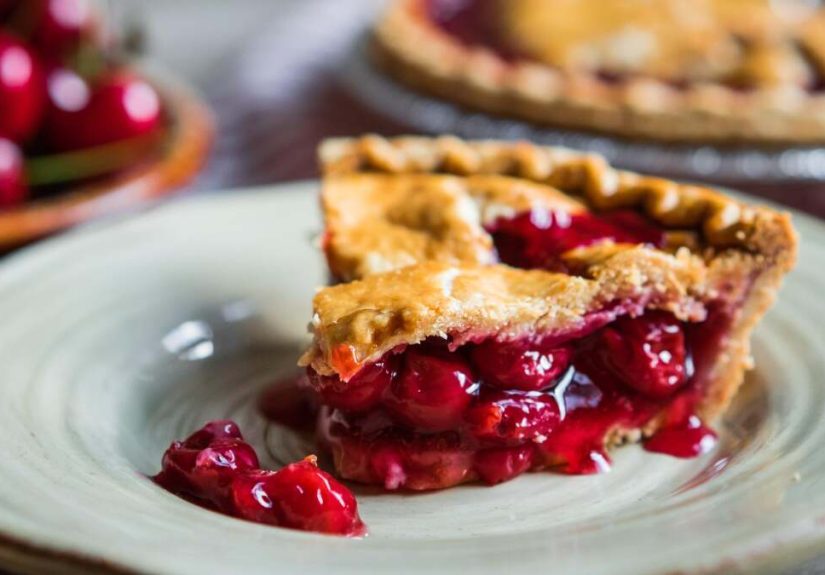
7) Tart Cherry “Tea” (a cozy way to try a melatonin-containing fruit)
Best for: people who want a food-based option and don’t love herbal flavors.
Why RDs recommend it
Tart cherries are discussed in sleep research because they naturally contain melatonin and other plant compounds. RDs like that it’s food-forward: you can
make a warm, unsweetened tart cherry infusion (or use a tart cherry tea blend) as part of a bedtime routine without turning it into a dessert parade.
How to make it
- Option A: Use a tart cherry tea bag blend and steep 5–8 minutes.
- Option B: Warm water + a small splash of unsweetened tart cherry concentrate (watch added sugars; keep it modest).
- Option C: Dried tart cherries steeped like a fruit infusion (tastes like a gentle compote).
RD caution notes
If you’re managing blood sugar, check labels carefullysome tart cherry products are sugar-heavy. If you’re prone to nighttime bathroom trips, keep the
serving smaller and drink earlier.
How to make bedtime tea actually help (RD routine blueprint)
Dietitians love “small habits with big consistency.” Try this routine for 10–14 nights before judging results:
- Set a “tea time” alarm: 60–90 minutes before bed.
- Pick one tea and stick with it: Consistency beats chaos. (Your nervous system is not impressed by variety.)
- Dim lights while it steeps: Your eyes help set your sleep rhythm.
- Pair with one non-negotiable sleep habit: same wake time, phone out of bed, or a 5-minute stretch.
- Keep the mug size reasonable: Huge mugs can backfire by waking you up at 3 a.m. to pee.
Safety checklist before you declare a tea your “sleep soulmate”
- Pregnant or breastfeeding? Ask a clinician before using stronger herbs (like valerian, passionflower, magnolia).
- On sedatives, antidepressants, or blood thinners? Herbs can interactget professional guidance.
- Allergies? Chamomile can be an issue for people with ragweed-related allergies.
- Chronic insomnia? Tea can support routine, but consider evidence-based insomnia treatment (like CBT-I) if this is ongoing.
- Snoring, choking/gasping, or daytime sleepiness? That’s a “talk to a clinician” signaltea won’t treat sleep apnea.
What to look for when buying sleep tea in 2025
The tea aisle is basically a talent showsome contestants are genuinely skilled, others are just wearing sequins.
Use these RD-style buying tips:
- Look for clear ingredient lists: Ideally one main herb, or a short blend.
- Avoid “proprietary blends” when possible: If amounts aren’t listed, it’s hard to judge strength.
- Skip added sugar: Dessert tea is delicious, but sugar close to bedtime doesn’t help most people sleep.
- Choose reputable brands: Especially for less common herbs like magnolia bark.
- Check for caffeine: Some “sleepy” blends sneak in green tea or yerba mate. Your eyelids will file a complaint.
FAQ: Quick answers RDs give all the time
How long before bed should I drink sleep tea?
Most RDs suggest 60–90 minutes before bed. That timing supports a wind-down routine and can reduce the chance you wake up to use the bathroom.
Can I drink sleep tea every night?
Many gentle teas (like chamomile or lemon balm) are commonly used nightly by adults. Stronger herbs (like valerian) are often treated as short-term tools.
If you’re on medications or have chronic conditions, get personalized guidance.
What if tea doesn’t work for me?
Then you learned something useful. Try a different herb, reduce evening caffeine, and focus on routines that reliably help sleep (consistent wake time,
bedroom environment, and structured insomnia therapy if needed). Tea is a helpernot a superhero.
Experience notes: what people often notice after adding bedtime tea
Let’s talk “real life,” because most sleep advice sounds great until it meets your Tuesday night. When people add a bedtime tea routine, the first change
they commonly report isn’t dramatic sleepinessit’s a shift in the transition from day to night. The act of boiling water, steeping a bag, and
holding a warm mug becomes a boundary: work ends here, scrolling slows down here, tomorrow’s to-do list can wait in the hallway like a polite guest.
Many people say the biggest benefit is the ritual itself. It’s a built-in pause that replaces “one more episode” with “one more breath.” Some describe it
as giving their nervous system a predictable script. And when your body knows what’s coming, it can stop acting like it needs to stay on duty all night.
This is why gentle teas like chamomile or lavender often feel helpful even when someone can’t pinpoint a single “active ingredient effect.” The warmth,
the aroma, the slower pacethose cues add up.
Another common experience: tea helps people stop “snack-hunting.” If you’re used to wandering into the kitchen at 9:30 p.m. looking for a mystery crunch,
a flavorful herbal tea can satisfy the desire for something comforting without turning into a full pantry expedition. RDs often like this angle because
it supports sleep and nutrition goals at the same timewithout making bedtime feel like a rulebook.
People also notice differences based on why they’re not sleeping. If stress is the main culprit, lemon balm or a gentle floral blend may
feel like a better match than tart cherry. If the problem is “I can’t fall asleep,” passionflower is a popular experiment. If the issue is “I fall asleep,
then wake up a lot,” chamomile plus better sleep hygiene (cool room, less late caffeine, phone out of reach) tends to get more attention than any single
herb alone. The pattern is consistent: tea works best when it’s paired with one or two practical sleep moves, not when it’s expected to carry the entire
bedtime on its back like a heroic little barista.
Of course, there are also totally normal “plot twists.” The most common one is the bathroom effect: drink too much liquid too late, and your bladder will
schedule a meeting at 3:07 a.m. sharp. A simple fix is using a smaller mug, drinking earlier, or choosing a more concentrated steep that requires less
volume. Another plot twist is taste fatigue. Someone buys valerian, expects cozy calm, and discovers it tastes like the floor of a forest (complimentary,
but also… accurate). In that case, blending with chamomile or lemon balm, or switching to a different tea, often improves consistency.
Finally, a lot of people notice an emotional benefit: bedtime tea becomes a small act of self-care that feels doable even on hard days. It’s not a perfect
sleep guarantee. But it’s a repeatable, low-effort signal that you’re taking care of future-youone warm sip at a time.
Conclusion
The best teas for sleep in 2025 aren’t about chasing the strongest sedative. RDs typically recommend starting with gentle, caffeine-free options like
chamomile, lemon balm, lavender, or tart cherrythen experimenting carefully with stronger herbs like passionflower, magnolia bark, or valerian if
appropriate. Pair your tea with a consistent wind-down routine, keep caffeine earlier in the day, and if insomnia is persistent, consider evidence-based
treatment like CBT-I. Your goal isn’t to “force” sleep. It’s to make sleep the easiest next step.