Table of Contents >> Show >> Hide
- Why Proper Vitamin C Serum Storage Matters
- How to Store Vitamin C Serum: 9 Steps
- Step 1: Read the Label Before You Choose a Storage Spot
- Step 2: Keep Vitamin C Serum Away from Direct Sunlight
- Step 3: Store It in a Cool Place
- Step 4: Consider Refrigeration for Fragile Formulas
- Step 5: Close the Cap Tightly After Every Use
- Step 6: Avoid Touching the Dropper to Your Skin
- Step 7: Keep the Bottle Upright
- Step 8: Watch for Color, Smell, and Texture Changes
- Step 9: Use It Within the Recommended Time After Opening
- Best Places to Store Vitamin C Serum
- Should You Throw Away Oxidized Vitamin C Serum?
- Common Vitamin C Serum Storage Mistakes
- How to Travel With Vitamin C Serum
- Extra Experience Tips: Real-Life Lessons for Storing Vitamin C Serum
- Conclusion
Vitamin C serum is the skincare equivalent of fresh avocado toast: wonderful, brightening, and slightly dramatic when exposed to the wrong conditions. One minute your bottle looks like liquid sunshine; the next, it has turned a suspicious shade of iced tea. That color change is usually a sign of oxidation, which means your serum may be losing strength before your face gets the full glow-up it was promised.
Learning how to store vitamin C serum properly is not complicated, but it does matter. Vitamin C, especially L-ascorbic acid, is famously sensitive to light, heat, and air. When it breaks down, it can become less effective at supporting a brighter-looking complexion, evening the appearance of skin tone, and helping defend skin from environmental stressors. In some cases, an oxidized serum may also feel more irritating than it did when fresh.
The good news? You do not need a chemistry degree, a skincare fridge shaped like a cloud, or a password-protected vault. With a few smart habits, you can help your vitamin C serum stay fresh, stable, and useful for as long as possible. Below are nine practical steps for storing vitamin C serum the right way, plus real-life experience tips to help you avoid wasting your hard-earned skincare budget.
Why Proper Vitamin C Serum Storage Matters
Vitamin C is a popular skincare ingredient because it acts as an antioxidant. In plain English, antioxidants help neutralize free radicals, which are unstable molecules linked to visible signs of skin aging. Topical vitamin C is commonly used to improve the look of dullness, uneven tone, fine lines, and dark spots. Many dermatology sources also recommend pairing vitamin C with sunscreen in the morning because it can complement daily sun protection.
But vitamin C is also a little high-maintenance. Some forms, especially pure L-ascorbic acid, are unstable when exposed to oxygen, sunlight, and high temperatures. That is why vitamin C serums are often packaged in dark glass bottles, opaque tubes, airless pumps, or small containers. The packaging is not just there to look chic on your bathroom counter. It is part of the formula’s defense system.
When storage goes wrong, the serum may oxidize faster. Oxidation can change the product’s color, smell, texture, and performance. A fresh vitamin C serum is often clear, pale yellow, or lightly amber depending on the formula. A dark orange, brown, or rusty shade may mean the serum is past its prime. If your serum smells metallic, sour, or unusually sharp, that is another warning sign. Your skin deserves better than mystery juice.
How to Store Vitamin C Serum: 9 Steps
Step 1: Read the Label Before You Choose a Storage Spot
Before deciding whether your vitamin C serum belongs in the refrigerator, medicine cabinet, or a tiny skincare throne, read the instructions on the label. Different formulas have different storage needs. A pure L-ascorbic acid serum may be more fragile than a serum made with stabilized vitamin C derivatives such as sodium ascorbyl phosphate, magnesium ascorbyl phosphate, ascorbyl glucoside, or tetrahexyldecyl ascorbate.
Some brands specifically recommend refrigeration after opening. Others say to store the serum at room temperature in a cool, dark place. A few formulas are designed to tolerate normal bathroom conditions better than classic watery L-ascorbic acid formulas. The label is your first clue because the manufacturer knows the formula’s packaging, pH, preservative system, and stability testing better than anyone on your group chat.
If the packaging says “store in a cool, dry place,” avoid heat and humidity. If it says “refrigerate after opening,” give it a dedicated spot in the fridge. If there are no instructions, play it safe: keep the bottle tightly closed, away from direct sunlight, and away from heat sources.
Step 2: Keep Vitamin C Serum Away from Direct Sunlight
Light is one of vitamin C serum’s biggest enemies. Direct sunlight can speed up oxidation, especially if your serum comes in a clear or lightly tinted bottle. Even a beautiful amber bottle is not an invitation to display it on a sunny windowsill like a decorative potion.
The best place to store vitamin C serum is somewhere dark, such as a drawer, cabinet, vanity organizer with a lid, or storage box. If you apply your serum in the morning, it is tempting to keep it beside the sink for convenience. That is fine only if your sink area does not get direct sun and the room does not become hot and steamy. Otherwise, your serum may age faster than a banana in July.
For extra protection, keep the bottle in its original box. Many people throw away skincare boxes immediately, but vitamin C serum is one product where the box can actually be useful. It blocks light, helps prevent accidental exposure, and makes the bottle easier to store upright.
Step 3: Store It in a Cool Place
Heat can accelerate the breakdown of vitamin C. A warm bathroom, sunny shelf, car glove compartment, or makeup bag left near a window can shorten your serum’s usable life. Ideally, vitamin C serum should be stored at a steady, cool temperature.
For many people, a bedroom drawer is better than a bathroom cabinet. Bathrooms often become warm and humid during showers. While one steamy shower will not instantly destroy your serum, repeated exposure to heat and moisture may not do it any favors. If your bathroom feels like a tropical greenhouse after every shower, consider moving your serum elsewhere.
You do not need to freeze vitamin C serum. In fact, freezing can affect texture, separation, or packaging depending on the formula. A cool, stable environment is the goal. Think “comfortable sweater weather,” not “arctic expedition.”
Step 4: Consider Refrigeration for Fragile Formulas
Refrigerating vitamin C serum can help slow oxidation, especially for water-based L-ascorbic acid formulas. A refrigerator keeps the product cool and dark most of the time, which can help preserve freshness after opening. This is why many skincare enthusiasts keep vitamin C serums in a skincare fridge or a dedicated section of the kitchen refrigerator.
However, refrigeration is not always required. Some stabilized vitamin C serums are designed for room-temperature storage. If your product’s label says refrigeration is unnecessary, you can store it in a cool cabinet instead. The key is consistency. Constantly moving the bottle between hot and cold environments is not ideal.
If you do refrigerate your serum, keep it away from food spills and strong odors. Place it in a clean, sealed bag or small container if needed. Nobody wants a vitamin C serum that smells faintly like leftover onions. Also, allow the bottle to sit for a minute before applying if the cold sensation bothers your skin.
Step 5: Close the Cap Tightly After Every Use
Air exposure is another major cause of vitamin C oxidation. Every time you open the bottle, oxygen enters. You cannot prevent that completely, but you can reduce unnecessary exposure by closing the cap tightly right after use.
If your serum has a dropper, avoid leaving it open on the counter while you do the rest of your routine. Apply the serum, replace the dropper, tighten the cap, and then move on to moisturizer or sunscreen. This small habit takes two seconds and can help your serum last longer.
Airless pump packaging is often better for vitamin C because it limits oxygen exposure. If you are shopping for a new serum and have had trouble with oxidation in the past, consider choosing an opaque airless pump instead of a traditional dropper bottle. Dropper bottles look elegant, but they can expose the formula to more air over time.
Step 6: Avoid Touching the Dropper to Your Skin
Dropper hygiene matters. Touching the dropper directly to your face, fingers, or bathroom counter can introduce bacteria, oil, and debris into the bottle. While preservatives help protect skincare products, it is still smart to keep the applicator clean.
To use a dropper serum properly, dispense a few drops into clean hands without touching the dropper tip to your skin. Then apply the serum evenly across your face, avoiding the immediate eye area unless the product says it is safe for that use. After dispensing, return the dropper to the bottle and close it tightly.
If the dropper accidentally touches your skin, wipe it gently with a clean tissue before putting it back. Do not rinse the dropper with tap water, because water can introduce contaminants or affect the formula. Your serum is not soup; it does not need extra liquid.
Step 7: Keep the Bottle Upright
Storing vitamin C serum upright helps prevent leaks, sticky caps, and unnecessary product exposure around the bottle opening. This is especially helpful for thin, watery serums that can creep into the threads of the cap if stored sideways.
An upright bottle is also easier to close properly. When serum collects around the rim, the cap may not seal as well, allowing more air to enter. Over time, that can speed up oxidation and make the packaging messy. If your bottle has serum around the neck, wipe it clean with a dry tissue before closing.
Use a small cup, drawer divider, acrylic organizer, or original box to keep the bottle standing. If you travel with vitamin C serum, place it in a sealed pouch and try to keep it upright when possible. For flights, make sure the cap is tight and consider wrapping the bottle in a small plastic bag to protect your clothes from leaks.
Step 8: Watch for Color, Smell, and Texture Changes
Learning how to identify oxidized vitamin C serum is one of the most useful storage skills. A fresh serum may be clear, nearly colorless, pale yellow, or light amber depending on the formula. Over time, some darkening may happen naturally. But if your serum turns deep orange, dark brown, or rusty, it may be significantly oxidized.
Smell is another clue. A fresh serum may have a mild acidic, botanical, or formula-specific scent. If it suddenly smells metallic, sour, rancid, or unpleasant, it may be time to stop using it. Texture changes also matter. If the serum becomes unusually sticky, cloudy, separated, gritty, or thicker than normal, do not ignore it.
When in doubt, compare the current product to how it looked and smelled when you first opened it. If it has changed dramatically, it is safer to replace it. Applying questionable skincare is rarely worth the risk. Your face is not a laboratory for expired experiments.
Step 9: Use It Within the Recommended Time After Opening
Vitamin C serum does not last forever after opening. Many formulas are best used within three to six months, though exact timing depends on the formula and packaging. Look for the period-after-opening symbol on the package, often shown as a small jar icon with “3M,” “6M,” or “12M.” That indicates how many months the product is intended to be used after opening.
To avoid guessing, write the opening date on the bottle or box with a marker. You can also add a reminder to your phone. This is especially helpful if you rotate several skincare products and forget when you started each one. Skincare math gets surprisingly mysterious when there are five serums in the drawer.
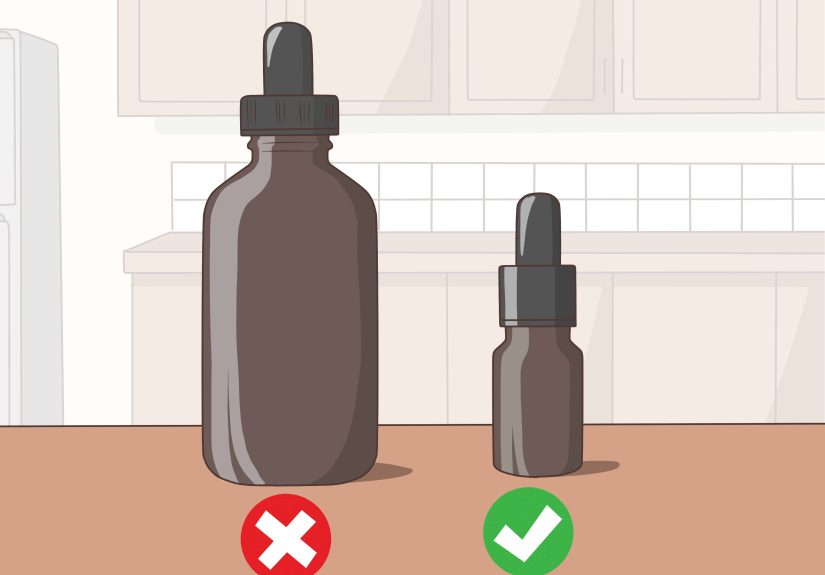
Buy smaller bottles if you use vitamin C slowly. A 1-ounce bottle may be perfect for daily use, but a jumbo bottle can oxidize before you finish it. With vitamin C, bigger is not always better. Freshness matters more than bulk savings.
Best Places to Store Vitamin C Serum
The best storage location depends on your home, climate, and product formula. In general, good options include a bedroom drawer, a closed vanity cabinet, a cool closet shelf, or a refrigerator if the label allows it. Poor options include a sunny windowsill, hot bathroom shelf, shower ledge, car, gym bag, or anywhere exposed to frequent heat.
If you live in a warm or humid climate, storage becomes even more important. High heat can make unstable formulas degrade quickly. In that case, refrigeration or a cool bedroom drawer may be better than bathroom storage. If your home has air conditioning and your bathroom stays cool, a closed medicine cabinet may be acceptable.
Consistency is the quiet hero of vitamin C serum storage. A bottle that stays cool, dark, clean, and tightly closed will usually fare better than one that travels from bathroom steam to handbag heat to windowsill sunlight and back again.
Should You Throw Away Oxidized Vitamin C Serum?
If your vitamin C serum has turned dark orange or brown, smells odd, or has changed texture, it is usually best to stop using it. Oxidized vitamin C is likely to be less effective. It may also be more irritating for some skin types, especially if your skin is sensitive, acne-prone, or currently using other active ingredients.
A slight color shift does not always mean disaster. Some formulas naturally become a little more yellow over time. But a dramatic change is a red flag. If you are unsure, check the brand’s guidance or contact customer service with a photo. Many reputable skincare companies can tell you whether the color is normal for that specific formula.
Do not try to “save” oxidized serum by refrigerating it after the fact. Cold storage may slow future changes, but it cannot reverse oxidation that has already happened. Once your serum looks like old apple juice, the glow train has probably left the station.
Common Vitamin C Serum Storage Mistakes
Leaving It on the Bathroom Counter
The bathroom counter is convenient, but it is often exposed to light, humidity, and temperature changes. If you love counter storage, use a covered organizer or keep only stable products there.
Buying Too Much at Once
Stocking up during a sale feels smart until three unopened bottles expire in your drawer. Buy vitamin C serum one bottle at a time unless you know you will use it quickly.
Using a Dirty Dropper
A contaminated dropper can compromise product quality. Keep the applicator clean, dry, and away from direct contact with skin.
Ignoring the Expiration Date
Expiration dates and opening dates matter. Even well-stored serum eventually loses freshness.
Assuming All Vitamin C Serums Are the Same
They are not. L-ascorbic acid, vitamin C derivatives, oil-based formulas, waterless formulas, and encapsulated formulas may behave differently. Storage should match the product type.
How to Travel With Vitamin C Serum
Travel can be rough on skincare. Heat, sunlight, pressure changes, and messy toiletry bags all create problems for vitamin C serum. For short trips, consider taking a travel-size bottle or sample instead of your full-size serum. If you must bring the original bottle, keep it in a padded pouch, away from direct sunlight, and out of hot cars.
Do not pack vitamin C serum in checked luggage if it may sit in extreme temperatures. A carry-on is usually better, as long as the bottle meets liquid size requirements. Once you arrive, place the serum in a cool, dark spot. Hotel bathrooms can be warm and humid, so a drawer or mini fridge may be better.
If you are going to the beach, do not toss your serum into a beach bag and let it bake beside the sunscreen. Vitamin C serum is for your face, not for simmering next to snacks.
Extra Experience Tips: Real-Life Lessons for Storing Vitamin C Serum
After using vitamin C serums for a while, one thing becomes clear: storage habits can make or break the product. The first practical lesson is that convenience often competes with freshness. Many people keep their serum right beside the sink because they use it every morning. That sounds logical, but if the bathroom gets hot after showers or receives direct sunlight, the serum may oxidize faster. A better system is to keep it in a nearby drawer or cabinet where it is still easy to reach but protected from light and heat.
Another experience-based tip is to pay attention to packaging before buying. If two serums have similar ingredients, the one in opaque, airless packaging may be the better choice for someone who uses products slowly. Dropper bottles are common and can work well, but they require more careful handling. If you tend to leave caps loose, knock bottles over, or forget products for weeks, an airless pump can be more forgiving.
It also helps to build vitamin C into a consistent morning routine. When you use the serum regularly, you finish it while it is still fresh. A common mistake is saving an expensive serum for “special days.” Unlike perfume or a fancy dress, vitamin C serum is usually most helpful when used consistently. If it sits untouched for months, you may end up saving it until it is no longer at its best. Use the good serum. Your future reflection will appreciate the confidence.
Refrigeration can be helpful, but it is not magic. Some users love the cooling sensation and find that their serum stays fresher in the fridge. Others forget to use it because it is not near their skincare routine. The best storage method is the one you will actually follow. If putting the serum in the refrigerator means you forget it exists, a cool bedroom drawer may be more realistic. Skincare should improve your life, not become a scavenger hunt.
Another lesson is to trust your senses. If the serum looks much darker than when you bought it, smells strange, or feels different on your skin, do not force yourself to finish it just because it was expensive. There is no victory in using a product that may be degraded or irritating. Instead, take it as feedback for next time: buy a smaller bottle, store it better, use it more consistently, or choose a more stable formula.
People with sensitive skin should be especially cautious. A fresh vitamin C serum can already tingle slightly, depending on concentration and formula. An old or oxidized serum may increase the chance of discomfort. If your skin suddenly stings, turns red, or feels itchy after using a serum you have had for months, stop and reassess. Patch testing is also wise when opening a new bottle, especially if it contains a high percentage of L-ascorbic acid.
Finally, do not underestimate simple organization. Write the opening date on the box. Keep the serum upright. Close the cap immediately. Store it away from sunlight. These tiny habits are not glamorous, but they work. Vitamin C serum is one of those products where proper storage protects both your skin goals and your wallet. Treat the bottle like a fresh ingredient, not a bathroom decoration, and it is far more likely to reward you with the bright, even-looking glow you bought it for.
Conclusion
Knowing how to store vitamin C serum is one of the easiest ways to get better value from your skincare routine. Vitamin C can be a powerful ally for brighter-looking, smoother, more even-toned skin, but it needs protection from the usual troublemakers: light, heat, air, and contamination. Store it in a cool, dark place, close it tightly, keep the dropper clean, watch for changes, and use it within the recommended period after opening.
You do not need to panic over every tiny color shift, but you should respect obvious signs of oxidation. A serum that has turned dark brown, smells unpleasant, or feels strange is probably ready for retirement. With smart storage and consistent use, your vitamin C serum can stay fresher longer and do what it was invited into your skincare routine to do: help your skin look healthy, radiant, and awake enough to pretend you got eight hours of sleep.