Table of Contents >> Show >> Hide
- Why Brownies Can Still Fit Into a Diabetes-Friendly Eating Plan
- What Makes a Brownie More Diabetes-Friendly?
- The Best Diabetes-Friendly Brownie Recipe
- Why These Ingredients Work So Well
- Tips for Keeping Brownies Blood-Sugar Friendlier
- Easy Variations
- How to Store Them
- Real-Life Experience With a Diabetes-Friendly Brownie Recipe
- Final Thoughts
- SEO Tags
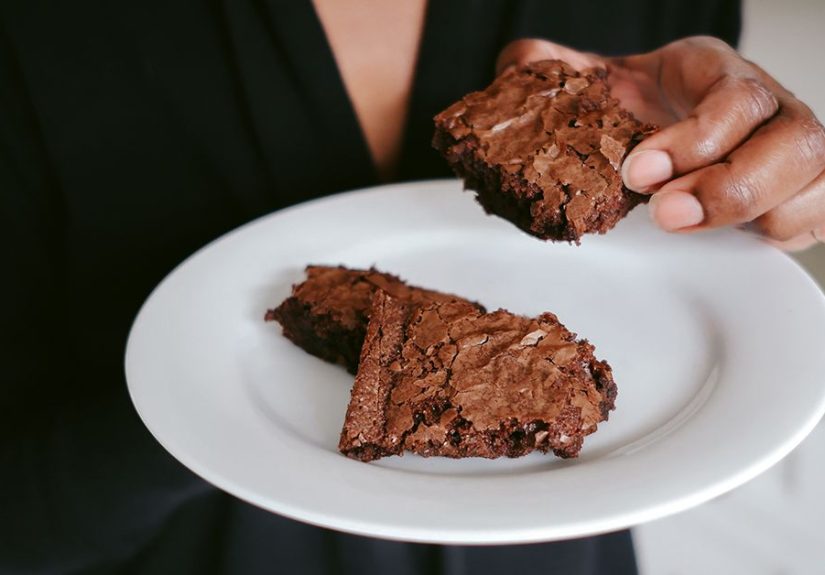
Brownies and diabetes do not have to behave like sworn enemies in a courtroom drama. Yes, traditional brownies often come loaded with sugar, refined flour, and enough buttery bravado to make your blood sugar raise an eyebrow. But a diabetes-friendly brownie recipe can still deliver that rich, chocolaty, slightly fudgy magic without turning dessert into a nutritional plot twist.
The key is not pretending brownies are kale. The key is building a smarter brownie: one with more fiber, less added sugar, more balanced fat, and a portion size that makes sense in the real world. That means you still get dessert, still get flavor, still get that “I deserve this” moment after dinner, but with ingredients and serving choices that fit better into a balanced eating plan.
This recipe takes inspiration from the way diabetes-friendly eating actually works: you plan for carbohydrates, keep portions reasonable, and make swaps that improve the overall nutrition profile. In other words, you do not need a sad “health brownie” that tastes like regret and drywall. You need a brownie that tastes like a brownie, just with a little more strategy and a lot less sugar chaos.
Why Brownies Can Still Fit Into a Diabetes-Friendly Eating Plan
Let’s clear up one sticky myth right away: having diabetes does not automatically mean dessert is banned forever like it got caught sneaking out after curfew. What matters most is the total carbohydrate load, the ingredients, and the portion. A small, thoughtfully made brownie can fit into a meal plan much more easily than a giant bakery slab the size of a throw pillow.
That is why the phrase diabetes-friendly dessert matters more than “sugar-free” alone. A dessert can be sugar-free and still packed with carbs, calories, and ingredients that do not support your overall goals. On the flip side, a homemade brownie with controlled carbs, fiber-rich ingredients, and healthy fats can be a more sensible choice than many store-bought “diet” snacks wearing a halo they did not earn.
So instead of thinking in extremes, think in construction. How much added sugar is in the recipe? Is there fiber? What kind of flour is used? How large is the serving? Is the brownie paired with a balanced meal or eaten on its own while standing in the kitchen under dim refrigerator light? No judgment. Just science with crumbs.
What Makes a Brownie More Diabetes-Friendly?
1. Lower Added Sugar
A classic brownie recipe often leans hard on white sugar for sweetness and texture. A diabetes-friendly version can cut that down significantly by using a baking-friendly sweetener blend such as monk fruit with erythritol or allulose. These ingredients can help reduce added sugar while still keeping the brownie sweet enough to feel like dessert and not a punishment.
2. Better Carbohydrate Balance
Brownies are still a carb-containing food, even when the sugar is reduced. That is why this recipe uses black beans, almond flour, and a small amount of oat flour instead of relying on refined white flour alone. The result is a brownie with a more balanced carbohydrate profile and a bit more staying power.
3. More Fiber
Fiber is one of the quiet heroes of better baking. It helps make desserts feel more satisfying and can support a slower rise in blood sugar compared with low-fiber treats. Black beans are especially useful here because they add body, moisture, and fiber without making the brownies taste like chili in disguise.
4. Smarter Fat Choices
Traditional brownies often pile on butter and saturated fat. This version uses avocado oil or light olive oil for moisture, plus optional walnuts for a little crunch and some heart-friendlier unsaturated fat. You still get richness, but the ingredient list does not need a dramatic musical score.
5. Sensible Portions
Even the best low sugar brownie recipe can become less friendly when the serving size gets heroic. Cutting the pan into smaller squares makes portion control easier and helps the dessert fit more comfortably into a balanced day of eating.
The Best Diabetes-Friendly Brownie Recipe
Ingredients
- 1 can (15 ounces) no-salt-added black beans, rinsed and drained well
- 2 large eggs
- 1/3 cup plain nonfat Greek yogurt
- 1/4 cup avocado oil or light olive oil
- 1/2 cup granulated monk fruit-erythritol baking blend
- 2 tablespoons allulose or additional monk fruit baking blend
- 1 teaspoon pure vanilla extract
- 1/2 cup unsweetened cocoa powder
- 1/3 cup almond flour
- 1/4 cup oat flour
- 1/2 teaspoon baking powder
- 1/4 teaspoon salt
- 1/3 cup no-sugar-added dark chocolate chips or chopped dark chocolate, optional
- 1/4 cup chopped walnuts, optional
Instructions
- Preheat your oven to 350°F. Line an 8-by-8-inch baking pan with parchment paper or lightly coat it with cooking spray.
- Add the black beans, eggs, Greek yogurt, oil, sweetener blend, allulose, and vanilla to a food processor or blender. Blend until very smooth. The smoother the batter, the better the brownie texture.
- Add cocoa powder, almond flour, oat flour, baking powder, and salt. Blend again just until combined. Scrape down the sides if needed.
- Fold in the chocolate chips and walnuts, if using. The chocolate chips make the brownies more decadent; the walnuts add texture and a little nutty depth.
- Spread the batter evenly into the prepared pan. It will be thick, which is exactly what you want in brownie territory.
- Bake for 20 to 24 minutes, or until the center looks set and a toothpick comes out with a few moist crumbs. Not wet batter. Not bone dry. Moist crumbs are the brownie sweet spot.
- Let the brownies cool completely in the pan before slicing. This is important. Hot brownies are delicious, but cutting too early can turn your nice squares into a chocolate landslide.
- Slice into 12 small brownies for a more diabetes-friendly portion.
Estimated Nutrition Per Brownie
Approximate values, based on 12 servings and using the optional chocolate chips but not the walnuts:
- Calories: about 115
- Total carbohydrate: about 11 grams
- Fiber: about 3 grams
- Protein: about 4 grams
- Total fat: about 7 grams
- Saturated fat: about 1.5 grams
- Added sugar: very low to none, depending on the chocolate used
Why These Ingredients Work So Well
Black Beans
Black beans are the secret weapon in this recipe. They add fiber, moisture, and structure while helping reduce the need for a larger amount of flour. They also make the brownies pleasantly fudgy, which is exactly the direction most brownie lovers want to travel.
Unsweetened Cocoa Powder
Cocoa gives you bold chocolate flavor without a pile of sugar. It is the ingredient doing the heavy lifting here, so use a good one. Dutch-process or natural cocoa both work, though natural cocoa often gives a deeper old-school brownie vibe.
Almond Flour and Oat Flour
Almond flour helps create tenderness and richness, while oat flour adds a more familiar baked texture. The combination works better than relying on one alone. Oat flour also helps keep the brownies from feeling too delicate or overly dense.
Greek Yogurt
Plain Greek yogurt adds moisture and a little protein without needing extra butter or heavy cream. It also helps create a smoother batter and a softer crumb.
Monk Fruit, Erythritol, and Allulose
These sweeteners are useful because they let you cut added sugar while keeping the recipe sweet. One important reality check: “sugar-free” does not automatically mean “eat six.” Some sugar substitutes can affect texture, and some sugar alcohols may cause stomach upset for certain people if eaten in large amounts. Start sensible, then let your taste buds and your body vote.
Walnuts
Walnuts are optional, but they are a smart add-in if you like texture. They make the brownies feel a bit more substantial and add healthy fats that can help make dessert more satisfying.
Tips for Keeping Brownies Blood-Sugar Friendlier
Cut Small Squares
A 2-inch brownie square feels civilized, satisfying, and much easier to fit into a meal plan than a coffee-shop brick. Small pieces are not depressing when the brownie is rich. They are strategic.
Pair It With a Meal or Balanced Snack
If you want a brownie, having it after a meal with protein, vegetables, and healthy fats may work better for many people than eating two brownies solo as an afternoon ambush. Context matters.
Use the Nutrition Label on Your Sweetener
Different sweetener blends behave differently in baking. Some are cup-for-cup replacements, while others are more concentrated. Read the package before you pour with confidence and discover halfway through that you have made chocolate drywall or liquid pudding.
Do Not Forget the Total Carbs
Even when added sugar is lower, carbs still count. Beans, oats, yogurt, and chocolate all contribute. That is not bad. It just means the recipe is best viewed as a smart dessert, not a magical loophole in the laws of nutrition.
Easy Variations
Peanut Butter Swirl
Warm 2 tablespoons of natural peanut butter and swirl it over the top before baking. This adds richness and makes the brownies taste suspiciously fancy.
Raspberry Brownies
Top each brownie with a few fresh raspberries before serving. The tart fruit brightens the chocolate and makes dessert feel more special without much extra sugar.
Mocha Brownies
Add 1 teaspoon instant espresso powder to the batter. Coffee deepens chocolate flavor without adding sweetness.
Nut-Free Version
Skip the walnuts and replace the almond flour with sunflower seed flour if needed. Always test substitutions carefully, because texture can change.
How to Store Them
These brownies keep well in an airtight container in the refrigerator for up to 5 days. They also freeze surprisingly well. Wrap individual brownies and freeze them for up to 2 months. This is a fantastic move if you want dessert available without having an entire pan staring at you from the counter like a chocolate-based life challenge.
To serve from frozen, let one brownie thaw in the fridge or on the counter for a bit. You can also microwave it for a few seconds, just enough to make the chocolate soft and the kitchen smell like excellent decisions.
Real-Life Experience With a Diabetes-Friendly Brownie Recipe
One of the most interesting things about making a diabetes-friendly brownie recipe is how quickly it changes your expectations about dessert. At first, many people assume “diabetes-friendly” means dry, bland, and vaguely haunted. Then they take a bite of a brownie like this and realize the real goal is not to make dessert disappear. It is to make dessert work smarter.
In real life, these brownies tend to shine in the moments that usually lead to less thoughtful eating. The 9 p.m. chocolate craving. The family dinner where everyone wants something sweet. The random Tuesday when you are trying to stay on track but also very much want dessert. A small brownie that is already portioned and waiting in the fridge can be much more helpful than bargaining with yourself over whether to order delivery cake. Spoiler: delivery cake usually enters the chat wearing zero restraint.
Another common experience is surprise over the texture. People hear “black beans” and prepare themselves emotionally for disappointment. Then the brownies come out rich, soft, and fudgy enough to earn a second look. Not a second serving. A second look. That difference matters. A dessert that feels satisfying in a small amount is often more useful than a “healthy” dessert that leaves you poking around the pantry 20 minutes later.
These brownies are also practical for households where not everyone eats the same way. You do not have to make one dessert for the person watching carbs and another for everyone else. That is the beauty of a good recipe. It tastes like actual dessert, so nobody feels like they got assigned the “special” pan in the corner.
There is also a confidence factor that comes with baking your own treats. Once you make a batch yourself, you know exactly what went in: the sweetener, the flour, the fat, the portion size, the add-ins. That level of control is hard to get from bakery desserts, restaurant sweets, or packaged snacks with ingredient lists that read like a chemistry quiz. Homemade does not automatically equal healthy, of course, but it does give you the steering wheel.
Perhaps the biggest experience people report is psychological relief. When dessert stops feeling forbidden, it often stops feeling urgent. A brownie becomes a choice instead of a rebellion. That may be the most underrated part of diabetes-friendly cooking. It is not just about macros and ingredients. It is about building food habits you can actually live with.
So if you make these brownies, do not think of them as a compromise. Think of them as a better plan. They are rich enough to feel like a treat, balanced enough to fit into real life, and easy enough to become part of your regular dessert rotation. Which, frankly, is exactly what a brownie should be: comforting, dependable, and just a little bit dramatic in the best possible way.
Final Thoughts
A good brownie should taste indulgent. A smart brownie should also respect your goals. This recipe does both by cutting added sugar, improving fiber, using better fat choices, and keeping portions realistic. It is not a cure, not a free pass, and definitely not a license to eat the whole pan in the name of wellness. It is simply a better brownie strategy.
If you are looking for a dessert that feels satisfying without going overboard, this diabetes-friendly brownie recipe is a strong place to start. Bake a batch, chill them well, cut them small, and enjoy one like you mean it.