Table of Contents >> Show >> Hide
- The Big Idea: “Ozempic-Style” Usually Means GLP-1 or Incretin Drugs
- Why a Pill Matters More Than It Sounds
- What Is Already Here: Oral Semaglutide Is No Longer Just a Diabetes Story
- What Is Coming Next: Oral GLP-1s Designed to Be Easier
- Will Pills Replace Injections? Probably Not So Fast
- What Patients Should Not Forget in the Excitement
- Why This Shift Could Be a Big Deal for Public Health
- The Most Honest Forecast
- Experiences on the Ground: What Needle-Free GLP-1 Treatment Could Actually Feel Like
Note: This article is for informational purposes only and is not medical advice.
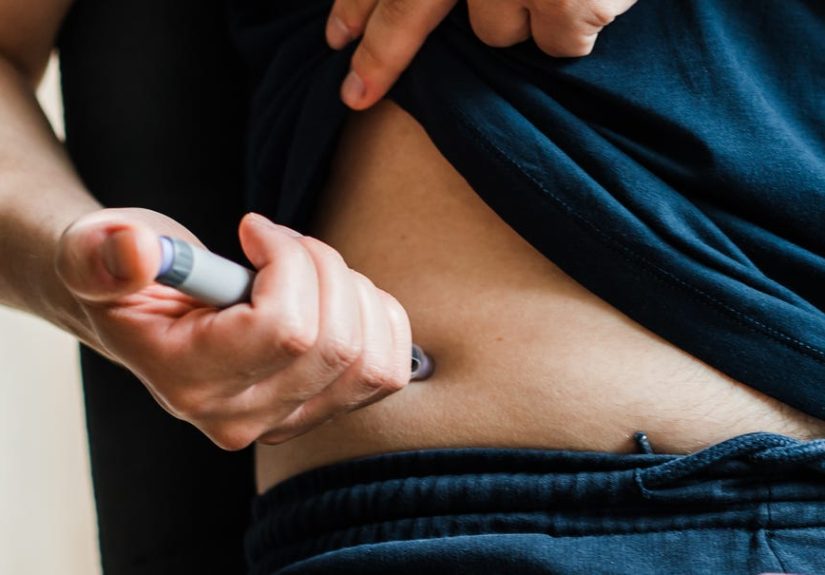
For a while, the pitch for modern weight-loss medicine sounded like this: amazing results, one tiny catch, please meet the needle. Not a giant needle, not a horror-movie needle, but still a needle. And for plenty of people, that was enough to make them pause, stall, or back away slowly like a raccoon spotting a sprinkler.
That is why the next phase of the GLP-1 boom matters so much. The conversation is no longer just about stronger drugs or bigger weight-loss numbers. It is also about format. More specifically: can Ozempic-style drugs work as pills, not shots?
The answer now looks a lot more like yes than maybe. In fact, the future-tense version of this story is already starting to age badly. Oral GLP-1 medicines are no longer science-fiction bait or conference-slide fantasy. Some are already here, others are deep in late-stage development, and together they could reshape how obesity and type 2 diabetes are treated in the real world.
That does not mean injections are going extinct. Weekly shots still have major advantages in convenience, consistency, and in some cases sheer firepower. But it does mean the category is expanding fast. For millions of people who dislike needles, travel often, struggle with injection routines, or simply want a different option, the next generation of anti-obesity treatment may be something you swallow with water instead of something you inject into your thigh on a Tuesday.
The Big Idea: “Ozempic-Style” Usually Means GLP-1 or Incretin Drugs
First, a quick reality check. When people say “Ozempic-style drugs,” they are usually talking about a broader family of medications that mimic or enhance gut-hormone signaling, especially GLP-1. These medicines help regulate appetite, blood sugar, fullness, and digestion. In plain English, they can make people feel satisfied sooner, stay full longer, and eat less without white-knuckling every trip past the pantry.
Ozempic itself is a semaglutide drug approved for type 2 diabetes. Wegovy uses semaglutide too, but it is the obesity-focused brand. Zepbound is tirzepatide, which works on two hormone pathways instead of one. So when headlines use Ozempic as the shorthand, they are really pointing to an entire class of blockbuster medications that changed the weight-loss conversation almost overnight.
Now the question is not whether these drugs work. It is how many different forms they can take, how easy they are to use, and whether the pill format can help bring more people into treatment.
Why a Pill Matters More Than It Sounds
A pill sounds ordinary. Almost boring. But in medicine, boring can be revolutionary.
Needle-free treatment matters because adoption is not just about efficacy. It is about behavior. Some patients are deeply uncomfortable with injections. Others are not scared of the shot itself, but they dislike the ritual, the pen storage, the dose schedule, or the feeling that treatment has turned their bathroom cabinet into a tiny biotech lab. A daily pill can feel more familiar, more discreet, and more manageable.
There is also the logistics piece. Pills are often easier to package, ship, store, and scale than injectable biologics. That does not automatically make them cheap, but it can make them simpler to distribute. In a market defined by huge demand, supply bottlenecks, and insurance chaos, simpler is not a small advantage. Simpler is a business model.
Then there is adherence. A once-weekly injection sounds convenient on paper, and for many people it is. But others prefer a daily habit they can build into a routine: wake up, water, pill, move on with life. Human beings are delightfully inconsistent, so there will not be one perfect format for everyone. The point is choice. And choice usually expands access.
What Is Already Here: Oral Semaglutide Is No Longer Just a Diabetes Story
Semaglutide has already proved it can work in tablet form. The earlier oral version, Rybelsus, established that semaglutide could be taken by mouth for type 2 diabetes. That alone was a major milestone because peptide drugs are notoriously tricky to deliver orally. Your digestive system is very good at breaking things down. Unfortunately, “things” includes expensive modern medicine.
But now the oral semaglutide story has moved beyond diabetes. Higher-dose oral semaglutide for chronic weight management has stepped into the obesity market, which is a much bigger cultural and commercial arena. That is why this shift feels different. It is not just about proving a scientific concept. It is about proving that the category can expand without relying only on injection pens.
That said, oral semaglutide comes with a little diva energy. It wants to be taken on an empty stomach, first thing in the morning, with only a small amount of water, followed by a wait before eating, drinking, or taking other oral medications. This is not impossible. Plenty of people can do it. But it is not exactly the carefree “pop a pill whenever” lifestyle.
Still, the tradeoff may be worth it for people who strongly prefer a pill over a shot. And if the weight-loss results remain competitive enough, many patients will happily accept a slightly fussy morning routine in exchange for never having to load an injection pen.
What Is Coming Next: Oral GLP-1s Designed to Be Easier
This is where the story gets even more interesting. Not every oral obesity drug is built like oral semaglutide. Eli Lilly’s oral candidate, orforglipron, has attracted attention partly because it is a small-molecule drug rather than a peptide. Translation: it may avoid some of the finicky dosing restrictions that oral semaglutide requires.
That matters. A pill that works but demands an empty stomach and a strict wait period is one thing. A pill that works and can fit more naturally into ordinary life is another. If oral obesity medicine starts to feel less like a chemistry trick and more like a routine prescription, the market could widen dramatically.
Early and late-stage trial results have helped fuel that excitement. Orforglipron has shown meaningful reductions in A1C in diabetes trials and significant weight loss in obesity studies. The numbers may not always beat the strongest injectable therapies, but they do suggest something important: a needle-free GLP-1 path can be clinically real, not just commercially convenient.
And Lilly is not alone. Other companies are pushing oral candidates through the pipeline, trying to build pills that are more effective, easier to tolerate, and simpler to take. Some are aiming for better weight-loss numbers. Others are chasing better side-effect profiles. Some are trying to do both, which is basically the drug-development version of “have it all.”
Will Pills Replace Injections? Probably Not So Fast
Here is the part where we politely interrupt the hype train before it crashes through a PowerPoint wall.
Oral GLP-1 drugs are promising, but they are not guaranteed to replace injectable medicines. Weekly injections still offer important advantages. For one thing, once-a-week dosing is genuinely convenient for many people. A daily pill sounds easy until real life happens and breakfast happens early and someone forgets and then coffee wins. Coffee wins a lot.
Injectables also have an edge in some efficacy comparisons. The strongest drugs in the category, especially dual- and triple-pathway medicines, may continue to deliver greater average weight loss than many pills. That means the future may not be “pills beat shots.” It may be “pills expand the market while injections remain the top option for some patients.”
In other words, the obesity drug aisle of the future may look less like a winner-take-all battle and more like a layered toolkit. Some people will want the simplest weekly injection. Some will want the best weight-loss performance available. Some will want the no-needle option, even if it means daily dosing. Real treatment is messy, personal, and not especially interested in simplistic headlines.
What Patients Should Not Forget in the Excitement
Even without a needle, these drugs are still serious medications. The pill format does not magically turn a GLP-1 into a gummy vitamin with a side of ambition.
Side effects are still real.
Nausea, vomiting, diarrhea, constipation, abdominal discomfort, and a too-full feeling remain part of the package for many patients. These effects often improve over time, especially with gradual dose escalation, but they can be miserable early on. “Needle-free” does not mean “friction-free.”
Long-term use may still be the reality.
One of the hardest truths in obesity medicine is that stopping treatment often leads to weight regain. That is not a character flaw. It is biology being stubborn, which is one of biology’s favorite hobbies. For many patients, these medicines behave more like long-term chronic-disease treatment than a short seasonal fix.
Cost and coverage remain huge barriers.
A pill could eventually help with manufacturing scale and distribution, but affordability is still the giant elephant in the pharmacy aisle. Insurance coverage for obesity treatment remains uneven. Cash-pay pricing can still be punishing. A needle-free drug that people cannot afford is medically exciting and practically infuriating.
Compounded shortcuts are not the same thing as approved medicine.
The GLP-1 boom created a parallel economy of compounded products, telehealth bundles, and aggressively advertised workarounds. Regulators have warned about dosing errors and safety concerns, especially with some compounded injectables. A cleaner, approved oral market could reduce some of that chaos, but patients still need to know exactly what they are taking and where it came from.
Why This Shift Could Be a Big Deal for Public Health
Obesity affects a huge share of American adults, and weight-related conditions travel with it: type 2 diabetes, high blood pressure, cardiovascular disease, sleep apnea, fatty liver disease, joint pain, and more. That means treatment innovation is not just about appearance or celebrity gossip or the internet’s favorite before-and-after montage. It is about chronic disease management on a national scale.
If oral GLP-1 drugs can broaden treatment access, even modestly, the impact could be substantial. Some people who would never start an injection may start a pill. Some clinicians may find it easier to integrate tablets into primary care workflows. Some health systems may find oral supply chains easier to handle. Some patients may switch from compounded gray-zone products to approved prescriptions with clearer dosing and safety information.
And there is another subtle point here: needle-free options may help normalize obesity treatment. A pill feels familiar in American medicine. That does not make it better in every case, but it can make treatment feel less intimidating, less “specialized,” and more like part of routine chronic-care management.
The Most Honest Forecast
So, will Ozempic-style drugs soon not even require a needle? Yes, increasingly. In some cases, they already do not. But the more honest answer is slightly more interesting than the headline.
The future of GLP-1 treatment is probably not one format replacing another. It is a market and medical landscape splintering into more options: weekly injections, daily pills, dual-acting drugs, next-generation combinations, and perhaps eventually treatments that are more personalized by effectiveness, tolerance, and risk profile.
That is good news for patients. More formats mean more chances to find something that fits real life. And in chronic disease treatment, real life is the boss whether medicine likes it or not.
The tiny needle is no longer the unavoidable ticket price to the GLP-1 era. For many people, that could be the difference between “interesting” and “I’m ready to try this.”
Experiences on the Ground: What Needle-Free GLP-1 Treatment Could Actually Feel Like
One of the most revealing things about this whole shift is that the experience of treatment may change even when the biology stays similar. People do not just respond to the molecule. They respond to the routine around it. A weekly injection can feel efficient and modern to one person, and like a tiny recurring dare to another. A daily pill can feel reassuringly normal to one patient and annoyingly high-maintenance to someone else. The experience matters because experience shapes adherence, and adherence shapes outcomes.
For patients who are needle-averse, the emotional difference can be immediate. Some people do not fear the pain of an injection so much as the ceremony of it. The pen, the timing, the tiny mental countdown, the recurring reminder that treatment must be pushed under the skin. In that group, a pill can feel like a psychological unlock. It lowers the activation energy. Suddenly the conversation with a doctor is not, “Can I handle a shot?” It is, “Can I build this into my morning?” That is a much easier question for many people to answer yes to.
There is also the experience of appetite change, which many patients describe in surprisingly vivid ways. Some talk about food noise getting quieter. Others say they feel full sooner, snack less automatically, or stop thinking about their next meal while they are still eating the current one. It is not that the brain turns into a Zen monastery. It is that the constant hum of appetite can drop from loudspeaker to background radio. For someone who has spent years feeling judged for a struggle that was also biological, that shift can feel less like vanity and more like relief.
But the experience is not all smooth sailing and cinematic glow-up lighting. Early weeks can be bumpy. Nausea can change how people eat, how they travel, and how social they feel. Some patients become picky about portion size because their usual meals suddenly feel too heavy. Others find that greasy foods, huge restaurant portions, or late-night eating become a fast track to regret. Even with a pill, the adjustment phase can be humbling. Modern medicine remains very good at progress and not always great at subtlety.
Clinicians also see the practical side of the experience. A patient may love the idea of a pill but hate the timing rules. Another may discover that a weekly injection was actually easier than remembering a medication before breakfast every day. Another may prefer the pill because it travels better, feels more discreet, or avoids questions from family members who notice injection pens in the refrigerator. The point is not that one format is superior in every life. The point is that daily living is full of little frictions, and the best treatment is often the one a person can realistically stick with.
Then there is the long-game experience. Patients often start these medications hoping for a dramatic short-term change, but the deeper experience is usually about maintenance, monitoring, dose adjustment, and learning that obesity medicine works best as part of ongoing care, not as a one-time hack. The people who do best tend to understand that the drug is a tool, not a personality transplant. A needle-free version could make that tool easier to start and easier to sustain. And for a lot of patients, that is the real breakthrough: not just losing weight, but finding a treatment format that fits a normal human life well enough to keep going.