Table of Contents >> Show >> Hide
- What Are Piles, Exactly?
- What Does Ayurveda Mean in This Context?
- Types of Ayurvedic Treatment for Piles
- How Effective Is Ayurvedic Treatment for Piles?
- Risks and Downsides You Should Not Ignore
- When Ayurvedic Care May Fit Best
- Smart Questions to Ask Before Trying Ayurvedic Treatment for Piles
- Common Experiences People Report With Ayurvedic Treatment for Piles
- Final Takeaway
- SEO Tags
Piles, better known as hemorrhoids, are one of those health problems people would rather not discuss at dinner, on a first date, or frankly at all. But silence does not make them less itchy, less painful, or less likely to show up at the worst possible moment. If you are looking into Ayurvedic treatment for piles, you are not alone. Plenty of people want relief that feels more natural, more holistic, or simply less intimidating than hearing words like “ligation” and “hemorrhoidectomy” in a doctor’s office.
The good news is that some Ayurvedic ideas overlap with what modern colorectal specialists already recommend: softer stools, less straining, better bowel habits, more fluids, and attention to diet. The not-so-good news is that “natural” does not always mean “safe,” and “traditional” does not automatically mean “proven.” Some Ayurvedic approaches for piles may help certain symptoms, especially when they encourage bowel regularity and reduce constipation. Others have limited evidence, inconsistent product quality, or real safety concerns.
This guide breaks down the types of piles, the main kinds of Ayurvedic treatment people commonly consider, how effective those options appear to be, and the risks you should absolutely know before putting your bottom on the line.
What Are Piles, Exactly?
Piles are swollen and inflamed veins around the anus or in the lower rectum. They are common, annoying, and very good at ruining your mood. They can develop when there is increased pressure in the anal and rectal veins, often from constipation, straining, pregnancy, prolonged sitting, or spending too much time on the toilet pretending you are “just checking something.”
Types of piles
Internal hemorrhoids form inside the rectum. They often bleed but may not hurt much unless they prolapse.
External hemorrhoids form under the skin around the anus. These are more likely to cause pain, itching, swelling, and discomfort.
Prolapsed hemorrhoids are internal hemorrhoids that bulge outside the anus. They may retract on their own or need to be gently pushed back.
Thrombosed hemorrhoids happen when a blood clot forms inside an external hemorrhoid. These can be sharply painful and may create a firm lump.
That distinction matters because the best treatment often depends on the type and severity of the hemorrhoid. Not every sore, itchy, or bleeding anal symptom is a hemorrhoid, either. Anal fissures, inflammatory bowel disease, infections, and even colorectal cancer can mimic hemorrhoid symptoms, which is why self-diagnosis has limits.
What Does Ayurveda Mean in This Context?
Ayurveda is a traditional medical system that uses diet, lifestyle changes, herbal preparations, and selected procedures to restore balance in the body. In piles care, Ayurvedic treatment usually falls into a few broad categories: bowel-regulating diet and lifestyle plans, oral herbal products, local applications, and para-surgical procedures such as Kshara Karma or Kshara Sutra.
Some of these approaches are mild and common-sense. Others are much more intensive and should not be treated like a casual weekend experiment. “I watched one video and bought a mystery herbal paste online” is not a recognized medical specialty.
Types of Ayurvedic Treatment for Piles
1. Diet and lifestyle changes
This is the most practical and, frankly, the most evidence-friendly part of Ayurvedic care for piles. Many Ayurvedic plans encourage warm fluids, fiber-rich foods, regular bowel habits, and avoidance of constipation-triggering patterns. Modern hemorrhoid care says nearly the same thing. If your stools stay soft and easy to pass, hemorrhoids are less likely to flare and more likely to calm down.
Common recommendations include eating more fruits, vegetables, whole grains, and other high-fiber foods; drinking enough water; avoiding long sessions on the toilet; and not straining during bowel movements. This may not sound exotic, but it is often the most effective first-line strategy. Sometimes the least glamorous solution is also the one that works.
2. Oral herbal preparations
Ayurvedic practitioners may recommend tablets, powders, decoctions, or blended herbal formulas marketed for piles, digestion, bowel regularity, inflammation, or vein support. These products are often promoted as helping with constipation, swelling, bleeding, and discomfort.
Here is where caution becomes important. Herbal formulas vary widely, ingredient lists may be incomplete, and the exact product sold online may not match the product studied in any research. Even when an herb has anti-inflammatory or digestive effects in theory, that does not prove it reliably treats hemorrhoids in real-world patients. The evidence for most oral Ayurvedic piles remedies remains limited, inconsistent, or too low-quality to make strong conclusions.
3. Local applications
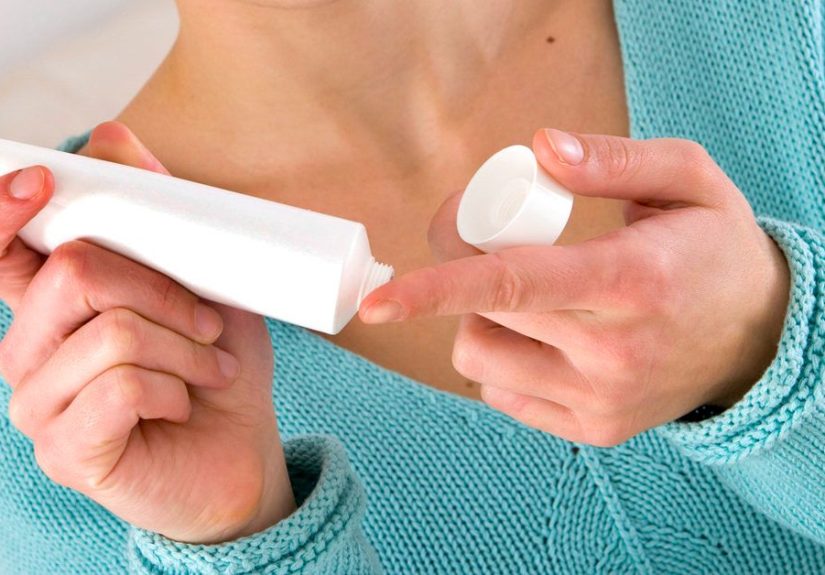
Some Ayurvedic treatment plans use medicated oils, ointments, herbal pastes, suppository-style preparations, or cleansing routines aimed at soothing irritation and reducing swelling. These options are popular because they feel direct and immediate. When your symptoms are in one very specific place, it is tempting to apply something to that very specific place and hope for a quick truce.
Sometimes these products may provide short-term comfort, especially if they reduce friction or support hygiene. But local remedies can also irritate delicate tissue, trigger allergic reactions, or worsen burning if they contain strong plant extracts or caustic ingredients. The anus is not the place to get adventurous with mystery chemistry.
4. Kshara Karma
Kshara Karma is an Ayurvedic para-surgical technique that uses an alkaline, cauterizing preparation applied to hemorrhoidal tissue. It is typically discussed for internal piles, especially earlier grades. The goal is to shrink or destroy the problematic tissue.
Because it is a procedural treatment rather than a simple home remedy, it should not be lumped together with teas and supplements. It requires training, careful selection of patients, and proper follow-up. Small studies suggest it may help some cases of internal hemorrhoids, but the overall evidence base is still limited and not strong enough to declare it superior to standard colorectal care across the board.
5. Kshara Sutra ligation
Kshara Sutra is one of the better-known Ayurvedic anorectal procedures. In hemorrhoid treatment, a medicated thread is tied or used in a ligation-style approach to cut off the blood supply to hemorrhoidal tissue so it shrinks and resolves over time. Think of it as living in the same neighborhood as modern ligation procedures, though it follows a different traditional technique.
Some small studies have reported promising results compared with hemorrhoidectomy or rubber band ligation in selected patients with internal hemorrhoids. But the research is generally older, small, and often single-center. That means the results are interesting, not final. Promising is not the same as proven.
How Effective Is Ayurvedic Treatment for Piles?
The honest answer is: it depends on which treatment you mean.
If the “Ayurvedic treatment” is really a package of better bowel habits, a higher-fiber diet, more fluids, less straining, and warm sitz-style soaking, then yes, that can absolutely help many mild hemorrhoid cases. But the benefit is not necessarily because the plan is Ayurvedic. It is because the plan includes habits already supported by conventional hemorrhoid care.
If the treatment involves oral herbal remedies, the evidence becomes much weaker. There is not strong, high-quality, large-scale evidence showing that most Ayurvedic herbal products reliably outperform standard hemorrhoid self-care or office-based medical treatments. People may feel better while taking them, but that does not always mean the product itself deserves all the credit. Sometimes constipation improves, irritation settles down, or the flare simply runs its course.
If the treatment involves procedures like Kshara Karma or Kshara Sutra, the conversation is more nuanced. Some small studies suggest these methods may be useful in selected cases of internal piles, particularly grades I to III. However, the studies are limited in size, design, and generalizability. They are not enough to replace the broader evidence supporting established office procedures such as rubber band ligation, sclerotherapy, infrared coagulation, or standard surgical treatment when needed.
In other words, Ayurvedic treatment for piles may offer symptom relief in some situations, and certain procedures may deserve more research. But the current evidence does not support a blanket claim that Ayurveda is the best, safest, or most effective option for all hemorrhoids.
Risks and Downsides You Should Not Ignore
Delayed diagnosis
This is the biggest problem. People often assume rectal bleeding is “just piles” and spend weeks or months self-treating. But bleeding can also come from anal fissures, inflammatory bowel disease, polyps, or colorectal cancer. If you have bleeding, a change in bowel habits, black stools, unexplained weight loss, worsening pain, anemia symptoms, dizziness, or symptoms that do not improve, you need medical evaluation.
Product quality and contamination
One of the most serious concerns with some Ayurvedic products is quality control. U.S. regulators have warned that certain products marketed as Ayurvedic medicines have contained harmful levels of heavy metals such as lead, mercury, and arsenic. These products may also be illegally marketed for disease treatment without FDA approval. That is not a tiny footnote. That is a giant, flashing caution sign.
Herb-drug interactions
Herbal and dietary supplements can interact with prescription medicines, over-the-counter drugs, and other supplements. If you take blood thinners, diabetes medicines, blood pressure drugs, immune-modifying medications, or are preparing for surgery, the interaction risk matters even more. “Natural” substances can still have very real pharmacologic effects.
Irritation and procedure-related complications
Local applications can irritate already inflamed tissue. Procedural treatments, whether Ayurvedic or conventional, can cause pain, bleeding, infection, temporary swelling, or the need for additional care. Anything that involves cauterizing, tying off, or chemically treating tissue in a very sensitive area should be handled with respect and by a qualified professional.
False reassurance
Some people feel better after starting an Ayurvedic routine and assume the underlying issue is solved. Symptom relief is great, but it is not always the same thing as proper diagnosis or long-term management. A hemorrhoid flare that settles down today may come back next month if the root problems, especially constipation and straining, never change.
When Ayurvedic Care May Fit Best
Ayurvedic treatment may make the most sense as a complementary approach for mild symptoms, especially when it focuses on bowel regularity, food choices, hydration, toilet habits, and non-irritating comfort measures. It may also appeal to people who prefer a whole-person framework and who work with a practitioner willing to coordinate with conventional medical care.
It makes much less sense as a do-it-yourself replacement for medical evaluation when symptoms are severe, bleeding is significant, a lump is very painful, or symptoms keep returning. In those cases, you may need a diagnosis, an exam, or a standard office procedure rather than another herbal capsule with a poetic name and suspiciously bold promises.
Smart Questions to Ask Before Trying Ayurvedic Treatment for Piles
About the practitioner
Ask what training they have, how they diagnose piles, when they refer patients for conventional evaluation, and whether they coordinate with gastroenterologists or colorectal surgeons.
About the product
Ask for a full ingredient list, the exact manufacturer, dosing instructions, and whether there is third-party testing for purity and contaminants. If the answer sounds vague, mystical, or evasive, that is your answer.
About your medical situation
Tell your healthcare providers about any herbs, powders, oils, or supplements you are using. That matters especially if you are pregnant, nursing, have chronic disease, or take regular medications.
Common Experiences People Report With Ayurvedic Treatment for Piles
People who explore Ayurvedic treatment for piles often describe a familiar pattern. First comes embarrassment. Then comes procrastination. Then comes a frantic late-night search after one particularly unpleasant bowel movement convinces them that they would, in fact, like a new life.
Many say they initially turn to Ayurveda because it feels gentler and less scary than a medical procedure. The idea of improving digestion, softening stools, and using a broader lifestyle approach can feel empowering. For some, that shift alone is genuinely helpful. Drinking more water, adding fiber, eating on a regular schedule, avoiding straining, and taking warm baths often reduce flare frequency. These people may feel that Ayurveda “worked,” even if part of the success actually came from habits that any colorectal specialist would cheerfully endorse.
Others describe mixed results. They may notice less constipation and a little less irritation, but the bleeding returns whenever stress rises, travel disrupts meals, or they slip back into long toilet sessions. In these stories, the lesson is usually not that the treatment failed completely. It is that hemorrhoids are stubborn when daily habits do not change for good.
Some people report being disappointed after spending a lot of money on supplements that promised dramatic relief but delivered little more than expensive optimism. A common frustration is inconsistency. One formula seems to help for a week, another causes stomach upset, and another arrives with a label so vague it reads like it was translated by a sleep-deprived philosopher.
Patients who undergo Ayurvedic procedures such as Kshara Karma or Kshara Sutra sometimes describe stronger results, especially for bothersome internal piles. They may report shrinking tissue, less prolapse, and fewer repeat symptoms. But they also often mention discomfort during recovery, the need for follow-up visits, and a desire for clearer counseling ahead of time. In other words, even traditional procedures are still procedures. Your body knows something happened, and it may file a complaint.
There is also a group of people who only discover the limits of self-treatment after symptoms worsen. They may spend weeks assuming they have simple piles, only to learn later that they actually have a fissure, severe thrombosed hemorrhoids, anemia from ongoing bleeding, or another digestive issue entirely. That experience is a strong reminder that symptom overlap is real, and internet confidence is not the same thing as diagnosis.
Perhaps the most balanced experiences come from people who combine approaches wisely. They use lifestyle measures, stay open to supportive complementary care, and still get medically evaluated when bleeding persists, pain escalates, or the diagnosis is uncertain. These patients tend to do better not because they picked a side in some ancient-versus-modern showdown, but because they used common sense. And common sense, while tragically under-marketed, remains one of the best treatments available.
Final Takeaway
Ayurvedic treatment for piles can be appealing, and some parts of it make real sense. Diet changes, hydration, bowel regularity, and soothing care often help mild hemorrhoid symptoms. Certain Ayurvedic procedures, especially Kshara-based techniques, may also have potential in selected cases, but the evidence is still limited and not strong enough to replace standard medical care.
The biggest concerns are not abstract. They include missed diagnoses, contaminated products, drug interactions, irritated tissue, and wasted time while symptoms grow worse. If you want to try Ayurvedic care, the safest move is to treat it as complementary rather than automatically curative. Get evaluated if you have persistent bleeding, severe pain, a painful lump, changes in stool habits, or symptoms that keep coming back.
Your hemorrhoids may be deeply annoying, but your treatment plan does not need to be chaotic. Choose the option that is evidence-aware, safety-conscious, and realistic. Your future self, and your very stressed bathroom routine, will appreciate it.